Air Purifier vs. Humidifier for a Bedroom (2026): Which Do You Need?
Quick answer: An air purifier removes airborne particles by moving room air through filtration. A humidifier adds moisture to the air. They solve different problems, and neither replaces the other. If your bedroom has dust, pollen, smoke or pet-dander particles, think purifier. If the air is genuinely too dry, think humidifier. You can use both at the same time when both conditions exist.
Two Practical Bedroom Picks
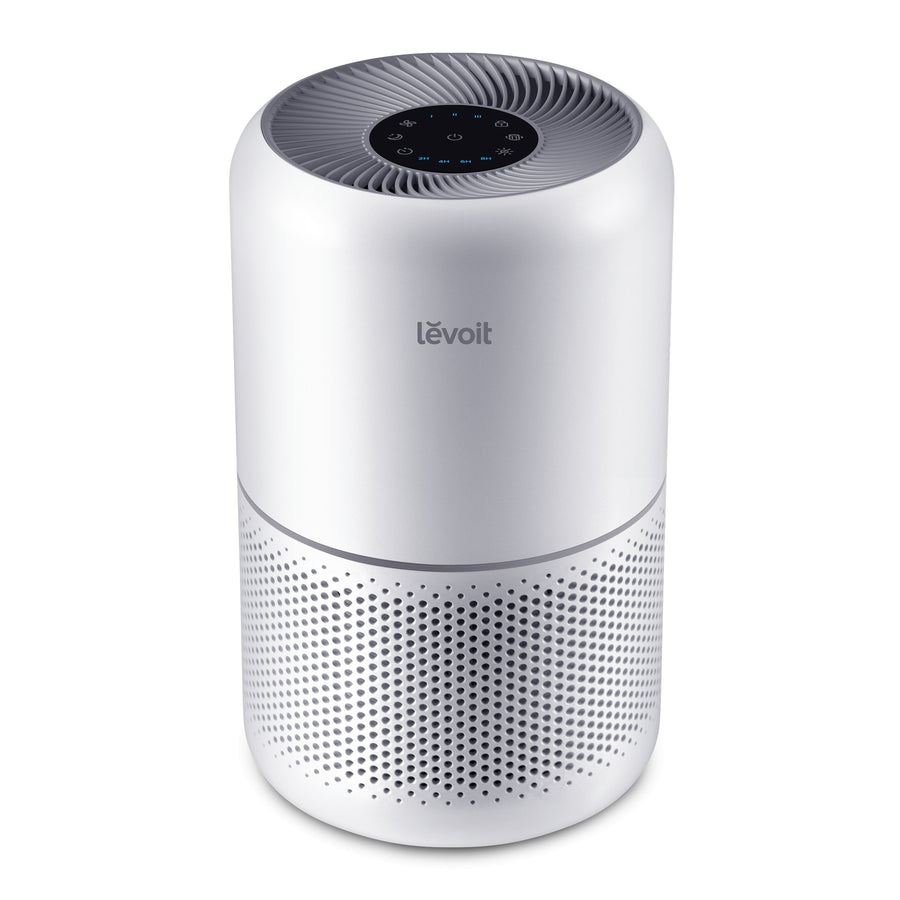
For particles: Levoit Core 300-P
A compact purifier for a smaller bedroom when the problem is airborne dust, pollen, smoke particles or pet dander—not dry air.
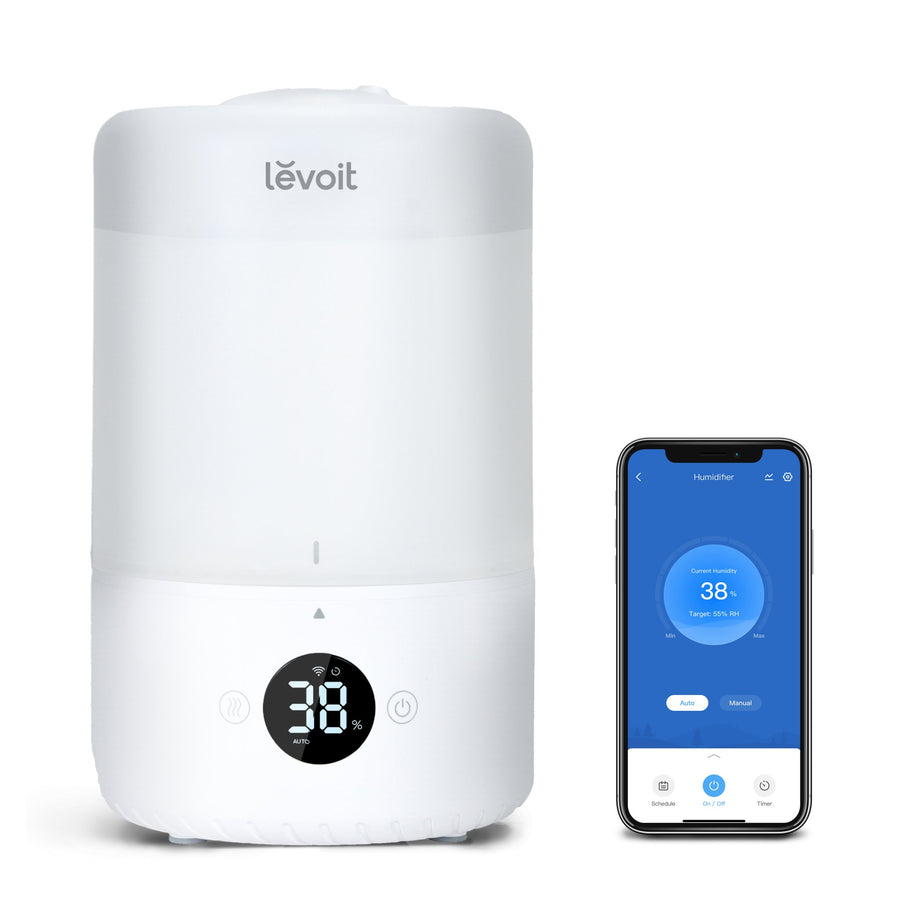
For genuinely dry air: Levoit Dual 200S
A 3-liter top-fill humidifier with target-humidity controls. Use a hygrometer first so you are adding moisture only when the room actually needs it.
As an Amazon Associate, Yawnder earns from qualifying purchases.
Air Purifier vs. Humidifier at a Glance
| Question | Air Purifier | Humidifier |
|---|---|---|
| What does it change? | Airborne particle concentration | Moisture/humidity |
| Removes dust/pollen particles? | Can reduce airborne particles | No |
| Adds moisture? | No | Yes |
| Useful during wildfire smoke? | Particle filtration can help reduce indoor smoke particles | Does not remove smoke particles |
| Useful when indoor air is too dry? | Does not raise humidity | Yes |
| Requires filter changes? | Usually | Depends on design |
| Requires water-tank cleaning? | No | Usually |
What an Air Purifier Actually Does
An air purifier uses a fan to pull room air through one or more filters. Particle filtration can reduce airborne pollen, dust, pet-dander particles and smoke particles, depending on the purifier and filter system.
An air purifier does not normally add or remove meaningful moisture from the room. If your humidity is 25%, buying a larger purifier is not a humidity solution.
For model recommendations, see our Best Air Purifiers of 2026 guide.
What a Humidifier Actually Does
A humidifier introduces water vapor or fine water droplets into the room to increase relative humidity. Different designs use evaporation, ultrasonic vibration or other methods.
Humidifiers do not filter the room’s airborne particle load in the way an air purifier does. Their job is moisture management.
Which Is Better for Sleeping?
Neither device is universally “better for sleep.” Choose based on the bedroom condition you’re trying to change.
- Dust, pollen, pet dander or smoke particles: air purifier.
- Measured low humidity: humidifier.
- Both particle concerns and dry air: potentially both.
- High humidity: don’t add more moisture; investigate moisture control instead.
Our broader Air Quality and Sleep guide explains how several bedroom-air factors fit together.
Does an Air Purifier Dry Out the Air?
Normally, no. A standard portable air purifier circulates air through filters but does not remove water vapor like a dehumidifier or air conditioner can.
The moving air may feel drying if it blows directly across your face or skin, but that is different from substantially lowering the room’s relative humidity.
Does a Humidifier Clean the Air?
Do not treat a humidifier as a substitute for particle filtration. Its primary purpose is adding moisture.
Humidifier maintenance also matters. A poorly maintained water tank can become dirty, so follow the manufacturer’s cleaning instructions and water recommendations.
Can You Use an Air Purifier and Humidifier Together?
Yes. They can operate in the same bedroom because they perform different jobs.
Don’t aim the humidifier’s mist directly into the purifier. Excess moisture entering a filter can be undesirable. Give both devices space and follow each manufacturer’s placement instructions.
How Far Apart Should They Be?
There is no universal distance that applies to every model. The practical rule is to prevent visible mist or moisture from being drawn directly into the purifier while keeping both devices’ airflow unobstructed.
For purifier-specific positioning, see Where to Put an Air Purifier in a Bedroom.
Which Is Better for Pet Dander?
An air purifier is the relevant device because pet dander is an airborne-particle issue. A humidifier does not remove dander from room air.
See our Air Purifiers for Pet Dander guide for filtration, prefilters and cleaning.
Which Is Better for Wildfire Smoke?
For smoke particles, a properly sized particle-filtering air purifier is the relevant device. A humidifier does not remove smoke from the room.
During wildfire conditions, reducing outdoor-air infiltration when outdoor smoke levels are high is also important. Read our Wildfire Smoke and Sleep guide.
What About Allergies?
For airborne allergens such as pollen and some pet-related particles, filtration is the direct tool. Humidity is a separate environmental factor, and more humidity is not automatically better.
Dust mites and mold are reasons not to blindly maximize bedroom humidity. Moisture should be managed rather than simply increased.
How Do You Know if the Bedroom Is Too Dry?
Don’t rely only on how the air feels. A small hygrometer can measure relative humidity and help you determine whether adding moisture is actually necessary.
Humidity varies with season, climate, HVAC operation and ventilation, so one reading is more useful than assuming every heated or air-conditioned bedroom needs a humidifier.
What If the Bedroom Is Too Humid?
A humidifier is the wrong tool. High indoor humidity calls for reducing moisture sources, improving ventilation when appropriate, using air conditioning or considering a dehumidifier depending on the situation.
An air purifier may filter some airborne particles, but it does not solve the underlying excess-moisture problem.
Maintenance: Purifier vs. Humidifier
Air purifier: inspect/clean the prefilter when applicable and replace filters according to condition and manufacturer guidance.
Humidifier: water handling and regular tank/component cleaning are especially important. Follow the specific manufacturer’s sanitation and descaling instructions.
Which Should You Buy First?
Start with the problem you can identify:
- If you’re concerned about airborne particles, size an air purifier correctly for the room.
- If a hygrometer shows genuinely dry indoor air and you want to raise humidity, evaluate a humidifier.
- If both are issues, use both rather than expecting one appliance to perform two unrelated jobs.
Frequently Asked Questions
Is an air purifier or humidifier better for a bedroom?
They are not substitutes. A purifier targets airborne particles; a humidifier raises humidity. The better choice depends on which condition exists in your bedroom.
Can an air purifier and humidifier run all night?
Air purifiers are commonly designed for continuous operation. Humidifier operation should be based on humidity conditions and the manufacturer’s instructions; avoid unnecessarily over-humidifying the room.
Does an air purifier help with dry air?
No. Standard portable air purifiers do not add moisture.
Does a humidifier help with dust?
A humidifier is not a dust-removal appliance. Use cleaning and particle filtration to address airborne and settled dust.
Can I buy a combination air purifier and humidifier?
Combination devices exist. Evaluate each function separately: filtration performance and airflow for the purifier side, and humidity control, tank maintenance and cleaning for the humidifier side.
Bottom Line
Air purifier = particles. Humidifier = moisture. That distinction solves most of the confusion. Measure humidity instead of guessing, size filtration for the room instead of relying on inflated coverage claims, and use both devices only when your bedroom actually has both problems.
Explore more in the Yawnder Air Purifiers & Bedroom Air Quality hub.