
Climate change has rendered us susceptible to an increasing number of environmental hazards, one of which is the ever-increasing incidences of wildfires. We’re acutely aware of their threat to our homes, properties, and the environment. However, it’s crucial to understand that these fires also pose a serious risk to our health, particularly our sleep patterns.
Unraveling the Perils of Wildfire Smoke
Wildfires instigate a significant threat to our respiratory system. Smoke from these fires comprises various respiratory irritants, including particulate matter, hydrocarbons, and thousands of airborne chemicals, many of which are toxic.
However, the most significant risk emerges from ultrafine particles we inhale during a fire. These microscopic particles can cause nasal congestion and eye irritation. Even if you’re not proximal to the fire, these chemicals can travel hundreds of miles, wreaking havoc on your health.
Health Impacts and Risks
Everyone’s reaction to wildfire smoke will vary. However, the Centers for Disease Control and Prevention (CDC) identifies several groups likely to be at a higher risk:
- Individuals with preexisting heart or lung conditions
- Elderly people
- Children, who are still developing their airways and breathe more air per pound of body weight than adults
- Pregnant women
Wildfire Smoke and Its Influence on Sleep
The Global Burden of Diseases, Injuries, and Risk Factors Study 2015 highlighted air pollution as a leading global disease burden and a significant mortality risk factor. The World Health Organization attributes 4.2 million premature deaths globally to ambient air pollution.
Smoke from wildfires can intensify air pollution to perilous levels. Long-term exposure to such dense air pollution can inflict damage on our central nervous system. The particles can infiltrate various brain regions integral to good sleep, including the frontal cortex and cerebellum.
When these brain regions are compromised, inflammation is a common response, resulting in constricted airways in both the throat and nose. Higher levels of air pollution have also been associated with an increase in feelings of depression and anxiety, which are known to disrupt sleep.
For communities living in high-risk areas, the stress of ongoing fires could have as much of a mental toll as a physical one. Recognizing the symptoms of smoke exposure is a crucial preventive measure:
- Burning eyes
- Wheezing or difficulty breathing
- Chest pain
- Fatigue
While these symptoms could be indicative of other conditions or illnesses, it’s vital to be aware of them, especially if you’re living in a high-risk area.
Shielding Yourself from Wildfire Smoke
In addition to maintaining the ideal bedroom environment for sleep, it’s crucial to understand how the external environment, particularly wildfire smoke, can influence your indoor air quality. Below are some steps to protect your home from dangerous air pollution:
Keep windows closed and disable continuous ventilation systems: Air pollutants in wildfire smoke are gradually removed as the indoor air comes in contact with materials and surfaces. Slowing the air pollutant influx can accelerate this process.
Invest in a home filtration system: Whether it’s a forced air system or a standalone device, a home air filter can drastically improve air quality. The U.S. Environmental Protection Agency provides valuable information on air cleaning technologies for homes.
Operate your system in “fan on” mode: Modern forced air systems can function in “fan” mode, in which the system moves air through the ducts and filters without heating or cooling it.
Wildfires have expanded in size and frequency over the last decade, with more people than ever exposed to dangerous levels of smoke. If you live in an affected area, monitor your symptoms closely, adopt the necessary precautions at home, and seek immediate medical attention
The Nuanced Interplay of Sleep and Wildfire Smoke
The consequences of wildfire smoke extend beyond immediate physical symptoms. Emerging studies point towards the far-reaching impact on our sleep quality, an essential aspect of overall well-being.
Wildfire Smoke and Sleep Disruptions
Air pollution from wildfires infiltrates the central nervous system and compromises critical areas of the brain associated with sleep regulation, such as the frontal cortex and cerebellum. The resulting inflammation can constrict airways, further disrupting sleep.
Additionally, wildfire smoke exposure can exacerbate feelings of anxiety and depression, both known to contribute to sleep disruptions. These mental health stressors, coupled with the physical distress from wildfires, present a significant challenge to maintaining healthy sleep patterns.
Recognizing Sleep Disruptions
Understanding the link between wildfire smoke and sleep requires awareness of potential sleep disruption signs. These include:
- Frequent awakenings
- Difficulty falling asleep
- Excessive daytime sleepiness
- Changes in sleep duration
If you’re experiencing these symptoms and live in a wildfire-prone area, it might be due to the air quality. Consult with a healthcare provider to discuss potential remedies.
Enhancing Sleep Amidst Wildfire Threats
While the threat of wildfires and subsequent smoke pollution can be daunting, there are strategies to protect your sleep quality. These involve creating a safe indoor environment and practicing good sleep hygiene.
Creating a Safe Sleep Environment
Creating an environment conducive to sleep can play a crucial role in mitigating the impact of wildfire smoke. This involves:
Maintaining air quality: Use air purifiers and maintain the “fan on” mode in forced air systems to enhance indoor air quality.
Limiting exposure: Keep windows and doors closed to prevent smoke from entering. Utilize weather stripping to seal gaps and cracks.
Monitoring air quality: Regularly check air quality indices and adapt your routines accordingly.
Good Sleep Hygiene Practices
In addition to creating a safe sleep environment, practicing good sleep hygiene is essential:
Stick to a schedule: Go to bed and wake up at the same time every day, even on weekends. Consistency reinforces the body’s sleep-wake cycle.
Create a restful environment: Keep your bedroom dark, quiet, cool, and free from electronics. Consider using earplugs, an eye mask, or a white noise machine if needed.
Manage worries: Stress and anxiety can disrupt sleep. Try relaxation techniques, such as meditation or deep breathing, before bedtime.
Navigating the increasing wildfire threats is a challenge that we, as a society, are facing together. By understanding the risks and taking proactive measures, we can protect our health and preserve our sleep. Sleep, after all, is a cornerstone of our well-being, enabling us to face challenges with resilience and strength.
Understanding the multifaceted impacts of wildfire smoke on sleep and overall health is a crucial aspect of this battle. Let us strive to stay informed, adapt our environments, and protect ourselves from these environmental hazards, ensuring we can continue to enjoy the restorative powers of good sleep.
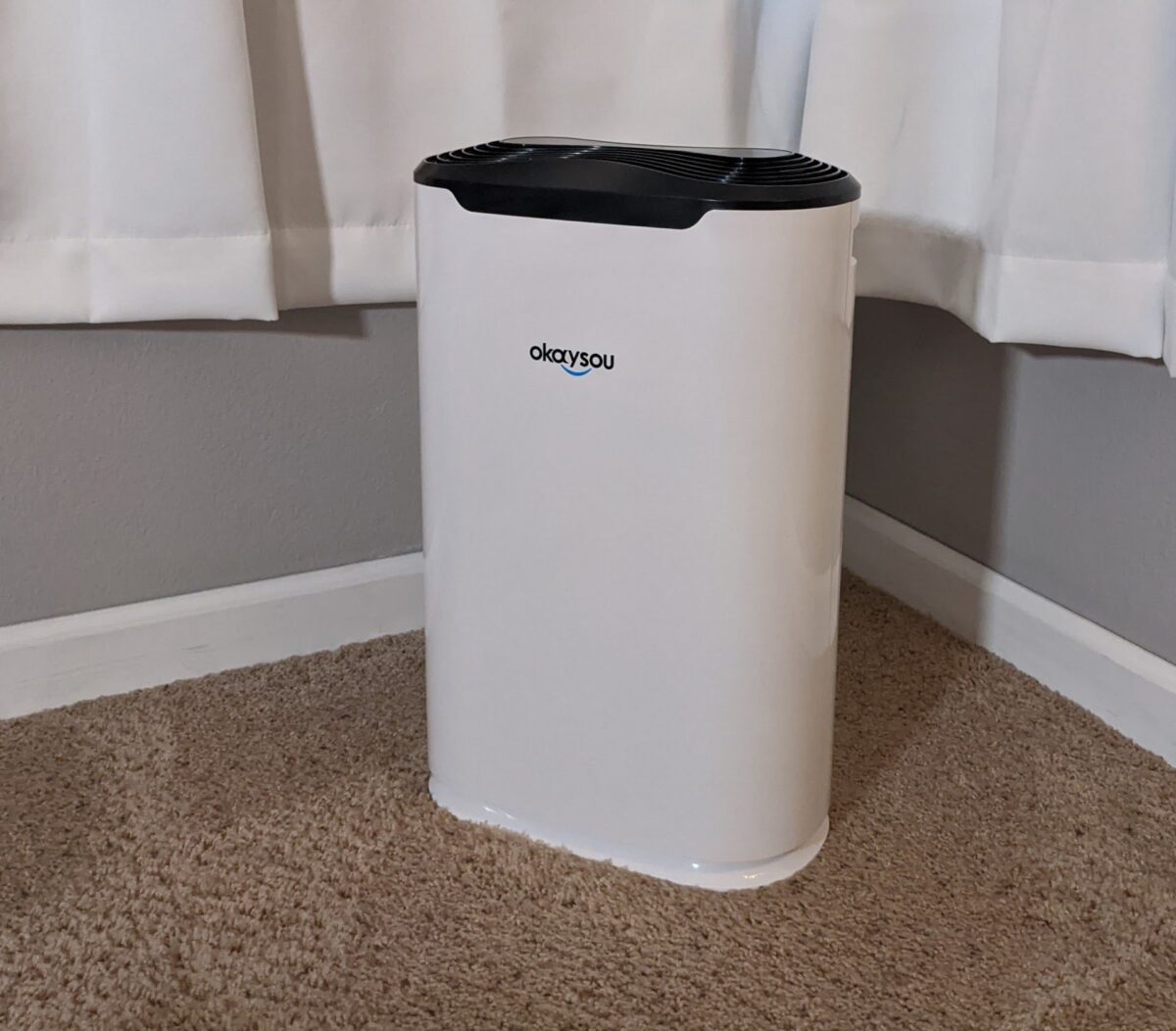
What to Look for in an Air Purifier for Wildfire Smoke
Choosing the right air purifier can be challenging. Here are some factors to consider:
Filter type: The most effective filters for smoke are High Efficiency Particulate Air (HEPA) filters, which can remove 99.97% of particles as small as 0.3 microns.
Clean Air Delivery Rate (CADR): This measures how quickly an air purifier can clean the air within a specific room size. Higher CADR ratings indicate more efficient filtering of smoke, dust, and pollen.
Room size: Ensure the purifier is suitable for your room size. Manufacturers typically provide guidelines indicating the maximum room size the device can effectively purify.
Noise level: Since you may run your purifier for extended periods, especially during wildfire season, consider the noise level to ensure it doesn’t disrupt your sleep.
How to Use an Air Purifier Effectively
An air purifier can only make a difference if used correctly. Here are some tips:
Location matters: Place the purifier where you spend the most time, such as the bedroom or living room. Keep it at least a few feet away from walls and furniture for optimal air circulation.
Keep it running: During wildfire season, it’s best to keep the air purifier on continuously. Most modern air purifiers are energy-efficient, so they won’t significantly increase your electricity bill.
Regular maintenance: Change filters regularly according to the manufacturer’s instructions to ensure the purifier functions effectively. A clogged filter can’t properly clean the air and may even release captured pollutants back into the room.
Incorporating air purifiers into your wildfire smoke defense strategy can significantly improve your indoor air quality, providing a safer environment for you and your loved ones. It’s a practical investment for your health, enhancing your ability to sleep well amidst challenging wildfire seasons.
Read our air purifier reviews to get the best air purifier for wildfire smoke.
Frequently Asked Questions About Wildfire Smoke: Must-Have Tips to Protect Your Sleep
What are the common health issues caused by wildfire smoke?
Wildfire smoke can cause burning eyes, wheezing or difficulty breathing, chest pain, and extreme fatigue. It also contains harmful irritants and ultrafine particles that pose serious danger to respiratory health, even if you live far from the fire.
Who is most vulnerable to the effects of wildfire smoke?
Individuals with existing heart or lung conditions, older adults, children, and pregnant women are most susceptible to the harmful effects of wildfire smoke. Children's developing airways make them particularly vulnerable to the particulate matter and airborne toxins.
How does wildfire smoke affect sleep?
Wildfire smoke can significantly impact sleep quality by disrupting brain regions responsible for restful sleep and causing symptoms like frequent awakenings and difficulty falling asleep. The fine particulate matter can infiltrate the brain, while heightened anxiety and inflammation from poor air quality further detract from rest.
What are the signs that wildfire smoke is affecting my sleep?
Signs that wildfire smoke is affecting your sleep include frequent awakenings during the night, difficulty falling asleep, excessive daytime sleepiness, and variations in sleep duration. If you notice these symptoms in a wildfire-affected area, air quality could be a contributing factor.
Can long-term exposure to wildfire smoke have serious health consequences?
Yes, long-term exposure to dense air pollution, exacerbated by wildfire smoke, can adversely affect the central nervous system and is linked to approximately 4.2 million premature deaths annually. It can inflame or compromise brain areas crucial for regulating sleep, leading to constricted airways.
Where can I learn more about sleep health in wildfire-prone areas?
While Yawnder does not specialize in air quality, our team at the San Diego showroom in Encinitas, CA, can discuss how a supportive sleep environment can help mitigate stress that might be exacerbated by environmental concerns. We focus on creating a restful sleep space.
Live pricing and current promotions on the mattresses, bases, and sleep tech we recommend.
Explore sleep guides