
The Definitive Guide to Mattress Off-Gassing: What It Is and Is It Dangerous?
Understanding Mattress Off-Gassing and Its Impact
When you open a new mattress, a distinct smell may waft through the air. This phenomenon, known as off-gassing, occurs when volatile organic compounds (VOCs) are released from the mattress materials. These VOCs are chemical byproducts often found in synthetic foams, primarily used in products like memory foam and polyfoam. While the odors associated with off-gassing are generally harmless, they can be bothersome and may lead to mild health symptoms such as headaches and dizziness.
What is Off-Gassing in Mattresses?
Off-gassing is the release of VOCs into the air, which can be particularly noticeable in newly unboxed mattresses. These harmful compounds stem from the manufacturing process, especially in mattresses made with synthetic materials. Understanding this process is essential when shopping for a mattress, as it affects not only the user experience but also long-term health implications.
Causes of Off-Gassing
1. Manufacturing Process: During production, mattresses constructed from synthetic foams undergo a series of chemical treatments. While these treatments enhance durability and structure, they often leave VOCs trapped within the mattresses.
2. Synthetic Foams: Materials such as memory foam and polyfoam are notorious for off-gassing. Since they are derived from petroleum-based polyurethane, the manufacturing process includes chemical reactions that release VOCs.
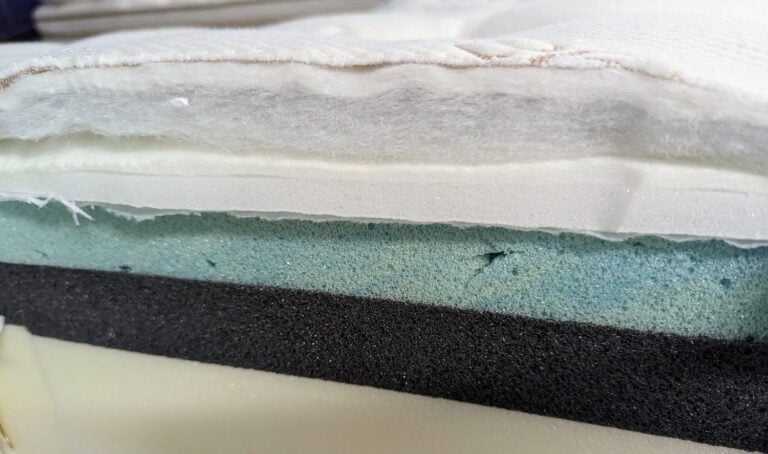
3. Vacuum-Sealed Packaging: Many modern mattresses, especially those sold online, are compressed and vacuum-sealed immediately after production. This packaging method confines VOCs within the mattress, which are then released into the air as soon as the package is opened.
Common VOCs in Mattresses
Certain VOCs are more prevalent in new mattresses. Some of the most frequently encountered include:
– Benzene: Found in petroleum-based foams, benzene is a known carcinogen, though usually at low levels in mattresses.
– Formaldehyde: Frequently used in various mattress materials and adhesives, formaldehyde can irritate the eyes, nose, and throat.
– Acetone: Often utilized as a solvent in manufacturing, acetone can contribute to the initial off-gassing smell.
These VOCs are particularly prominent in synthetic foam mattresses. In contrast, natural materials such as latex or microcoil mattresses typically release fewer VOCs, making them a safer choice for those sensitive to chemical emissions.
Health Implications of Off-Gassing
The release of VOCs from new mattresses can result in various health effects, ranging from mild discomfort to severe long-term consequences. The impact depends on the types of VOCs emitted, their concentration, and the duration of exposure.
Potential Symptoms of Off-Gassing
– Headaches and Dizziness: Similar to what one might experience after using strong cleaning chemicals, VOCs like benzene and formaldehyde can trigger headaches and dizziness, especially in poorly ventilated areas.
– Respiratory Issues: Off-gassing can exacerbate conditions like asthma. VOCs can irritate the respiratory tract, leading to symptoms such as coughing and shortness of breath.
– Hormone Disruption: Chemicals like phthalates are known to disrupt hormonal balance, potentially causing reproductive issues and developmental problems in children.
– Increased Cancer Risk: Some VOCs are classified as carcinogenic, including benzene and formaldehyde. Prolonged exposure can elevate cancer risk significantly.
Who is Most at Risk?
While off-gassing can affect anyone, certain demographic groups may experience heightened vulnerability:
– Infants and Children: As they spend considerable time sleeping, babies are particularly susceptible to the effects of off-gassing, which can adversely affect their developing bodies.
– Individuals with Respiratory Conditions: Those suffering from asthma or chronic bronchitis may experience intensified symptoms from VOC exposure.
– Chemically Sensitive People: Individuals with heightened sensitivity to chemicals can suffer from headaches, dizziness, and respiratory issues even in the presence of low VOC levels.
Understanding these health implications allows consumers to make informed decisions when selecting a mattress.
Mattress Materials and Their Off-Gassing Potential
The level of off-gassing varies significantly among different mattress materials. Let’s break down some common types and their respective off-gassing characteristics.
Memory Foam
Memory foam is well-known for its pressure-relieving characteristics but is notorious for its off-gassing potential.
– Pros: Provides excellent body contouring and pressure relieve.
– Cons: Higher likelihood of off-gassing odors. Opt for memory foam with certifications like CertiPUR-US or GREENGUARD Gold to ensure low VOC emissions.
Polyfoam
Polyfoam is a popular material used in support layers of many mattresses.
– Pros: Generally affordable and breathable.
– Cons: Similar to memory foam, it has the potential for off-gassing. Seeking CertiPUR-US certification can help maintain lower VOC levels.
Latex
Latex can be either natural or synthetic, with natural options providing a more eco-friendly alternative.
– Pros: Minimal off-gassing when made from natural latex; highly durable.
– Cons: Synthetic latex can emit VOCs. Look for eco-INSTITUT labels to ensure low emissions.
Innerspring and Microcoils
Innerspring mattresses feature metal coils, which allow for excellent airflow and lesser off-gassing.
– Pros: Low off-gassing levels and strong breathability.
– Cons: They may be noisier than foam options and offer less contouring.
Hybrid Mattresses
Hybrid mattresses combine foam layers with innerspring coils, offering both support and comfort.
– Pros: Balanced comfort and support with better airflow than all-foam mattresses.
– Cons: The off-gassing potential varies significantly based on the type of foam used.
Airbeds
Airbeds employ air chambers for support and generally have low off-gassing levels, especially with minimal foam layers.
– Pros: Adjustable firmness; low off-gassing.
– Cons: Potentially high price and maintenance requirements.
Knowing the off-gassing characteristics of various materials can help you choose wisely when investing in a new mattress.
Effective Strategies to Reduce Off-Gassing
While off-gassing is a natural occurrence, there are multiple ways to minimize its impact and hasten the dissipation of odors.
1. Unwrap Immediately: Remove any plastic wrapping as soon as you unbox your mattress to accelerate the off-gassing process.
2. Ventilate: Place your mattress in a well-ventilated area, allowing fresh air to circulate and aid in the dissipation of odors.
3. Increase Airflow: Open windows and use fans to improve air circulation inside your space, speeding up the off-gassing process.
4. Utilize Baking Soda: Sprinkling baking soda on your mattress absorbs odors. Let it sit overnight and then vacuum it off.
5. Invest in a Polyethylene Cover: A polyethylene mattress cover acts as a barrier, reducing the amount of VOCs released into the air.
6. Use Air Purifiers: Air purifiers equipped with activated carbon filters efficiently eliminate VOCs from the environment.
7. Allow Time: Sometimes, the best remedy is patience. Most off-gassing odors will dissipate within a few days to a week.
By applying these strategies, you can significantly speed up the off-gassing process, allowing you to enjoy your new mattress sooner.
In conclusion, understanding mattress off-gassing is crucial for making informed decisions about your sleep environment. By choosing the right materials and implementing effective strategies, you can create a comfortable, healthier sleeping space.
Frequently Asked Questions About Mattress Off-Gassing: Must-Have Tips to Reduce Risks
What are the downsides of mattress off-gassing?
The primary downsides of mattress off-gassing include potential health symptoms like headaches, dizziness, and respiratory irritation caused by volatile organic compounds (VOCs). These compounds are released from synthetic mattress materials and can also disrupt hormones or, in rare cases, increase cancer risk due to substances like benzene and formaldehyde.
Is a memory foam mattress good for someone sensitive to off-gassing?
No, a memory foam mattress is generally not good for someone sensitive to off-gassing, as memory foam is known to release more volatile organic compounds (VOCs). These synthetic foams, derived from petroleum, contribute significantly to the distinct smell and potential health irritations associated with off-gassing. Natural materials like latex or microcoil mattresses typically offer a safer alternative with fewer VOC emissions.
How does natural latex off-gassing compare to synthetic foam off-gassing?
Natural latex off-gassing is significantly less prominent than synthetic foam off-gassing because natural materials inherently release fewer volatile organic compounds (VOCs). While all new products have some scent, latex mattresses avoid many of the petroleum-based chemicals found in memory foam and polyfoam that are responsible for stronger off-gassing odors and irritation. Yawnder specializes in natural latex options, which we have carefully sourced.
Who is most vulnerable to the health effects of mattress off-gassing?
Individuals with respiratory conditions like asthma, as well as children, are most vulnerable to the health effects of mattress off-gassing. Volatile organic compounds (VOCs) can irritate the respiratory tract, exacerbating existing conditions, and certain chemicals like phthalates can disrupt hormonal balance, potentially causing developmental problems in children. Even low levels of exposure can be bothersome for sensitive individuals.
Where can I try mattresses with low off-gassing in person in the San Diego area?
You can try mattresses with naturally low off-gassing in person at the Yawnder showroom in Encinitas, CA. Our experts can guide you through our selection of natural latex and microcoil mattresses, which typically release significantly fewer volatile organic compounds (VOCs). This allows you to experience the comfort and discuss the benefits of these materials firsthand.
What causes the strong smell when opening a new mattress?
The strong smell when opening a new mattress is primarily caused by the release of volatile organic compounds (VOCs) that have been trapped within the materials during manufacturing and vacuum-sealed packaging. These chemical byproducts are especially noticeable in synthetic foams like memory foam and polyfoam. Once the mattress is unsealed, the VOCs off-gas into the air.
Want to test this in person? Visit our Encinitas showroom or call 858-232-5760.