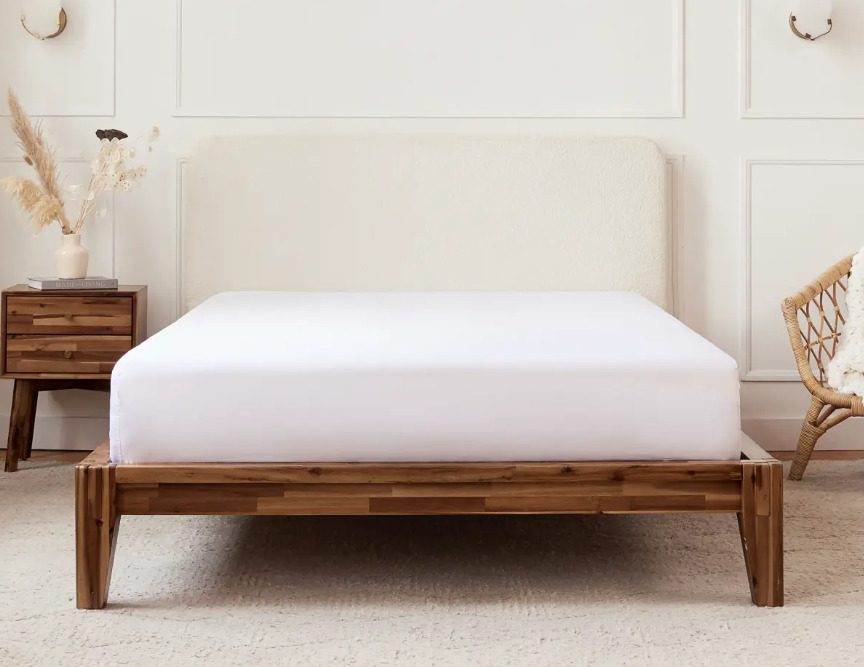
Beds like Thuma offer a minimalist, eco-friendly design with tool-free assembly. However, there are several cheaper alternatives available in 2026 that provide similar quality and aesthetics, such as the Nera Bed from Article and the Wooden Bed Frame from Silk & Snow. These options often use solid wood and sustainable materials, making them excellent value.
Thuma Bed Frame Alternatives: Why Pay More?: quick answers
What are the best Thuma bed alternatives?
Some top-rated Thuma bed alternatives include Article's Nera Bed, Silk & Snow's Wooden Bed Frame, and other platforms that offer similar minimalist design, sustainable materials, and tool-free assembly. Many provide comparable quality at a lower price point.
Why are Thuma beds so expensive?
Thuma beds are priced higher due to their popularity, status, and the use of eco-friendly rubberwood with a minimalist design and tool-free assembly. The brand emphasizes sustainability and quality, which contributes to its premium cost.
What features should I look for in a Thuma alternative?
When choosing a Thuma alternative, look for features like solid wood construction (e.g., acacia, maple), tool-free assembly for easy setup, minimalist Japanese-inspired design, and sustainable sourcing. Options with cork padding on feet are also beneficial for floor protection.
Are there sustainable alternatives to Thuma beds?
Yes, many sustainable alternatives to Thuma beds exist. Brands like Silk & Snow prioritize eco-conscious manufacturing and traceable materials, using woods like acacia. Avocado also offers FSC-certified maple and walnut options for enhanced durability and sustainability.
The Thuma Bed is a Japanese-style bed frame that has earned rave reviews since it debuted in 2018. This unique frame is built with pieces that seamlessly lock into place, providing sturdy and secure joints without the need for traditional metal hardware.
This eliminates squeaking or creaking as you toss and turn, providing you with a comfortable and quiet night’s sleep.
While the Thuma Bed is a great product, read our review, its price tag reflects its popularity and status. A queen frame with the cushioned Pillowboard Headboard will set you back $1,095, while the wooden alternative, simply called The Headboard, costs $1,695.
Thankfully, there are alternatives that rival The Thuma Bed in terms of quality and craftsmanship but are available at a lower price point.
Today, we’re sharing five of our top-rated ones so you can make the best decision for your home!
Silk & Snow debuted after a group of childhood friends started a Kickstarter campaign back in 2017. The premise? Create beautiful mattresses, bed frames, and bedding products that also happen to be made with sustainable, traceable products and eco-conscious manufacturing techniques.
The brand’s Wooden Bed Frame is made of 100% Acacia wood that comes straight from Central Vietnam and the Mekong Delta. Like the others, it features a Japanese design that enables a toolless assembly. The unique, multi-toned wood grain on this frame gives it more of a contemporary look, fitting any home decor style.
It’s available in the following sizes:
- Twin
- Full
- Queen
- King
The Wooden Bed Frame is available as a standalone platform bed for $850 for a Queen. With a matching wooden headboard, the cost is $1,200 for the same size. There’s also a coordinating nightstand that would look beautiful next to it and complete the set.
Best Features:
- Varied wood tones for a unique appearance
- Sustainably sourced, natural materials
- Acacia wood is durable and easy to clean with mild soap and water
- Comes with cork padding on the feet to prevent slipping and protect your floors
- GIVE YOURSELF THE GIFT OF INVIGORATING SLEEP: A good night’s sleep is essential for a happier, healthier life. Natural wood bed frame helps regulate temperature and promote healthy airflow for a more supportive, comfortable, and restful sleep
- DESIGNED WITH AN ARTISTIC EYE: Themed headboard adds a touch of natural beauty to your bedroom. The unique grain pattern and color of the wood can give your space a warm and inviting feel that can enhance your overall mood and sleep experience
- SOLID FSC CERTIFIED ACACIA WOOD: We only use responsible Acacia wood sources to ensure streamlined quality, minimal impact on the environment, while still providing the durability and quality that solid wood furniture is known for
- STURDY STRUCTURE: Provides the support and quiet no-squeak comfort you need for good night’s sleep. We cut no corners in crafting our Bed Frame to ensure a reliable fixture for your bedroom, making it one of the most reliable bed frames on the market
- EVERYTHING YOU NEED FOR ASSEMBLY: With straightforward instructions and all the necessary hardware included, you can have your new bed set up and ready to use in 30 minutes with only a hex key
Valyou Furniture offers premium home furniture at an affordable price. The company was built in 2018 after its two founders, Shaul Rappaport and Efi Bisk, discovered there were limited furniture options on the island of Hawaii and they lacked access to affordable, high-quality housewares.
The Charm 2.0 Bed Frame looks strikingly similar to the Thuma Bed but comes in at just under $700 for a Queen. Made from Ash wood, it also follows the Japanese joinery technique, requiring just one screw and five minutes to assemble.
The slats on this bed are perfectly positioned and connected to the frame. This holds your mattress in place and improves breathability.
Like the Thuma, you can choose from a few different wood finishes for the Charm 2.0. However, you’re a little more limited. Valyou lets you choose from Light Wood or Dark Wood, while Thuma offers three choices: Natural, Walnut, and Espresso.
Appearance-wise, these two are on par. The Charm 2.0 Bed Frame comes with an upholstered, pebble-weave headboard that mimics The Pillowboard from Thuma. You can choose from four colour options, including:
- White leather
- Black leather
- Beige fabric
- Grey fabric
You’ll need to prop the bed against a wall to support the headboard, as the Charm 2.0 Bed Frame is not meant to be a standalone bed.
This bed frame is available in the following sizes:
- Full
- Queen
- King
- California King
The Thuma Bed Frame is also available in those same sizes but includes a Twin and Daybed size as well. Overall, this is a solid choice for anyone looking for a Thuma lookalike at around half the cost.
You get a solid-wood construction and a similar minimalist look at a lower price. We have hands-on experience with Thuma, but this alternative should be judged on its own materials, joinery, warranty, and current specifications.
Best Features:
- Affordable price point
- Multiple choices for headboard colour and material
- Organic linen upholstery
- Natural wood grain is sleek and minimalistic
This bed frame is handcrafted in Avocado‘s FSC®-certified woodshop in Los Angeles, California. It is made with sustainable materials and finishes, including zero-VOC ECOS® WoodShield stain and Titebond® Wood Glue. The bed frame is also GREENGUARD GOLD Certified, which means that it meets strict indoor air quality standards.
The Avocado Mid-Century Modern Bed Frame is a timeless and durable piece of furniture that will last for generations. It is also a sustainable choice, as it is made with materials that are harvested and produced in a responsible way.
Here are some of the key features of the Avocado Mid-Century Modern Bed Frame:
- Made from solid maple or walnut wood
- Simple and elegant design
- Angular legs for stable support
- Available with or without a matching headboard
- Handcrafted in Avocado’s FSC®-certified woodshop in Los Angeles, California
- Made with sustainable materials and finishes
- GREENGUARD GOLD Certified
- Timeless and durable design
The Avocado Mid-Century Modern Bed Frame is a great choice for anyone who wants a simple, elegant, and sustainable bed frame. It is also a good choice for people who are sensitive to chemicals, as it is made with low-VOC and GREENGUARD GOLD Certified materials.
When The Puffy Mattress Company launched in 2016, it promised to change the sleep game for good. Years of research, foam formulations and sleep trials went into the business, which operates on a direct-to-consumer (online only) model.
While the memory foam Puffy Mattress is the brand’s best-seller, don’t forget to check out their other products, including bedding and bed frames. The Puffy Bed Frame is a great place to start.
The first thing you’ll notice about this frame is its construction. While the other Thuma-esque frames on this list have showcased wooden headboards, slats, and side rails, you won’t find that here.
Instead, the entire frame is upholstered in a luxurious, cosy grey fabric. It’s the epitome of nighttime comfort, designed to produce a noise-free sleep experience. The design is simple and comes together in minutes, so you can dive right in.
This frame is available in the following sizes:
- Full
- Queen
- King
- California King
The Queen is $849, making this a great mid-range option.
The upholstery on this frame gives it a contemporary and stylish look, in a neutral tone that goes with any decor. One difference that sets the Puffy Bed Frame apart, however, is that it does include hardware in the frame. This diverts from the Japanese style of construction, so if that specific design is a dealbreaker for you, then it’s best to stick with the wooden alternatives.
Best Features:
- Comes with Puffy’s Lifetime Warranty
- Buyers can take advantage of the brand’s 101-Night Sleep Trial and return at any time
- Cloth fabric is a cinch to clean
- Padded headboard that enhances comfort and supports your back and neck
Since 1987, KD Frames has specialized in platform beds, futons, and accessories. All the frames they build are made from kiln-dried Tulip Poplar hardwoods that grow in responsibly-managed Virginia forests.
The Lexington Platform Bed looks very similar in shape and style to the Thuma Bed. Its 2.8-inch slat spacing accommodates almost any mattress, including memory foam and latex varieties. This particular model can also be fitted with the brand’s trundle bed or rolling drawers.
This frame is available in the following sizes:
- Twin
- Twin XL
- Full
- Queen
A Queen frame is just $294, making the Lexington Platform Bed the most affordable option on our list. While there is minimal hardware within the frame, the design is intentionally fluid, with horizontal lines that are meant to evoke a sense of tranquillity and remind us of our relationship with the earth.
Best Features:
- Available in Twin XL
- Manufactured in a factory that does not use any chemicals
- Smooth, untreated wood is durable and built to last
- Multiple leg length options available to adjust the platform height
Try One of These Thuma Bed Alternatives
While there’s plenty to love about the Thuma Bed, you don’t have to shell out thousands of dollars to get the look you love.
All five of these alternatives offer a similar silhouette, with a focus on sleek, streamlined construction, optimal comfort, and effective noise reduction. By comparing these against the popular front-runner, you can see there are plenty of choices on the market!
Thuma FAQ
There hasn’t been a Thuma bed discount published recently. Your best bet is to look at alternatives if you want to pay less
There are many Thuma bed dupes but that doesn’t mean they are bad quality.
As fo this writing there isn’t a Thuma bed showroom. However you can check it out at the Yawnder San Diego store.
The Thuma frame works on hybrid mattresses and foam mattresses. For the best hybrid mattresses, check out our reviews. The Thuma will also support a traditional innerspring mattress
At Yawnder, we’re dedicated to reviewing all types of bedding products, from mattresses and sleeper sofas to bed frames and linens. Check back often for more unbiased opinions and research you can trust. Need help choosing the perfect product? Ask us for recommendations.
Frequently Asked Questions About Thuma Bed Frame Alternatives: Why Pay More?
Is the Thuma bed frame worth the investment, or are there more affordable alternatives that offer a similar look and quality?
While Thuma's "The Bed" offers a desirable minimalist aesthetic, the article suggests several alternatives that provide comparable style and construction quality for a lower price point.
How does Thuma's wood quality compare to other premium bed frames like Avocado's or Floyd's?
Thuma uses reclaimed rubberwood, a sustainable but softer hardwood, while Avocado utilizes premium, FSC-certified maple and walnut, and Floyd uses durable birch plywood.
What are some budget-friendly bed frame alternatives that still offer a minimalist, platform bed design?
Article's "Nera Bed" and various options from Wayfair, such as the Andover Mills collection, are highlighted as more affordable alternatives to Thuma's design.
Who is the Thuma bed frame best for, considering its materials and price point?
The Thuma frame is best for consumers prioritizing a tool-free assembly and an eco-conscious, minimalist aesthetic, who are comfortable with its premium price tag and the use of rubberwood.
What are the core differences in wood quality, construction, and long-term value among these minimalist platform beds?
The core differences lie in material choice, with Thuma using rubberwood, Avocado opting for premium hardwoods like maple and walnut, and Floyd utilizing birch plywood, all of which impact durability and price.
Where can I see or test some of these bed frame styles in person to compare them?
While the article compares online options, Yawnder's showroom in Encinitas, CA offers hands-on experience and expert advice on various bed frames and mattresses.
Want to test this in person? Visit our Encinitas showroom or call 858-232-5760.
Live pricing, current promotions, and full manufacturer warranty through our affiliate partner. Buying through this link supports Yawnder’s independent testing at no extra cost to you.
Shop Thuma