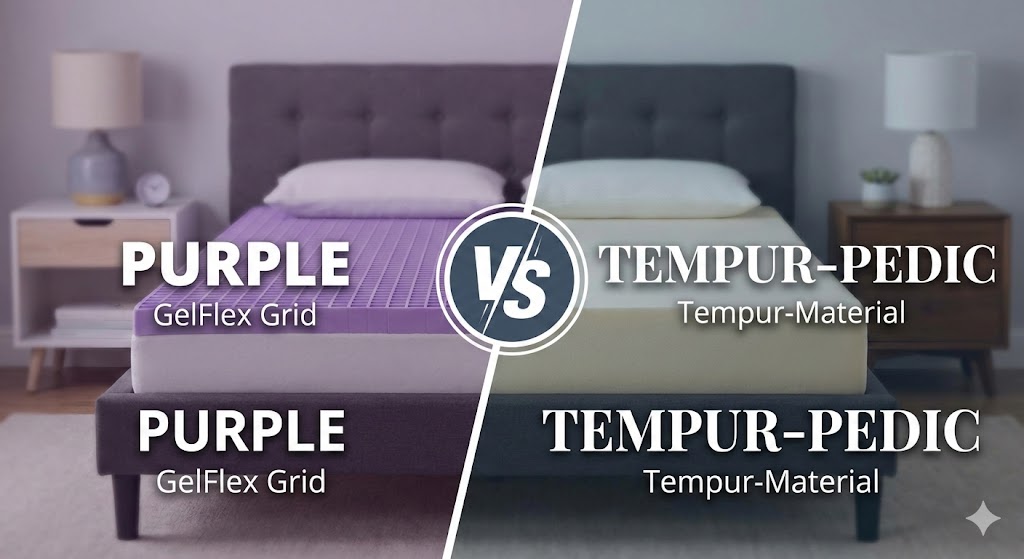
Turn this comparison into a purchase decision
Use the comparison below to narrow the field, then check the live offer before you buy. Brand promotions can change faster than editorial pages.
Updated September 2026
Purple vs Tempur-Pedic Mattress Review
Purple and Tempur-Pedic are both premium brands, but they feel nothing alike. Tempur-Pedic is all about slow-melting memory foam contouring and motion control. Purple uses its GelFlex Grid to create a springy, pressure-relieving surface with better airflow. The “best” choice depends on whether you want deep hug and stillness (Tempur-Pedic) or buoyant support and cooling (Purple).
Quick take: Choose Tempur-Pedic if you want maximum motion isolation, deep contouring, and that classic memory foam feel. Choose Purple if you want a more responsive surface, easier movement, and better airflow for hot sleeping.
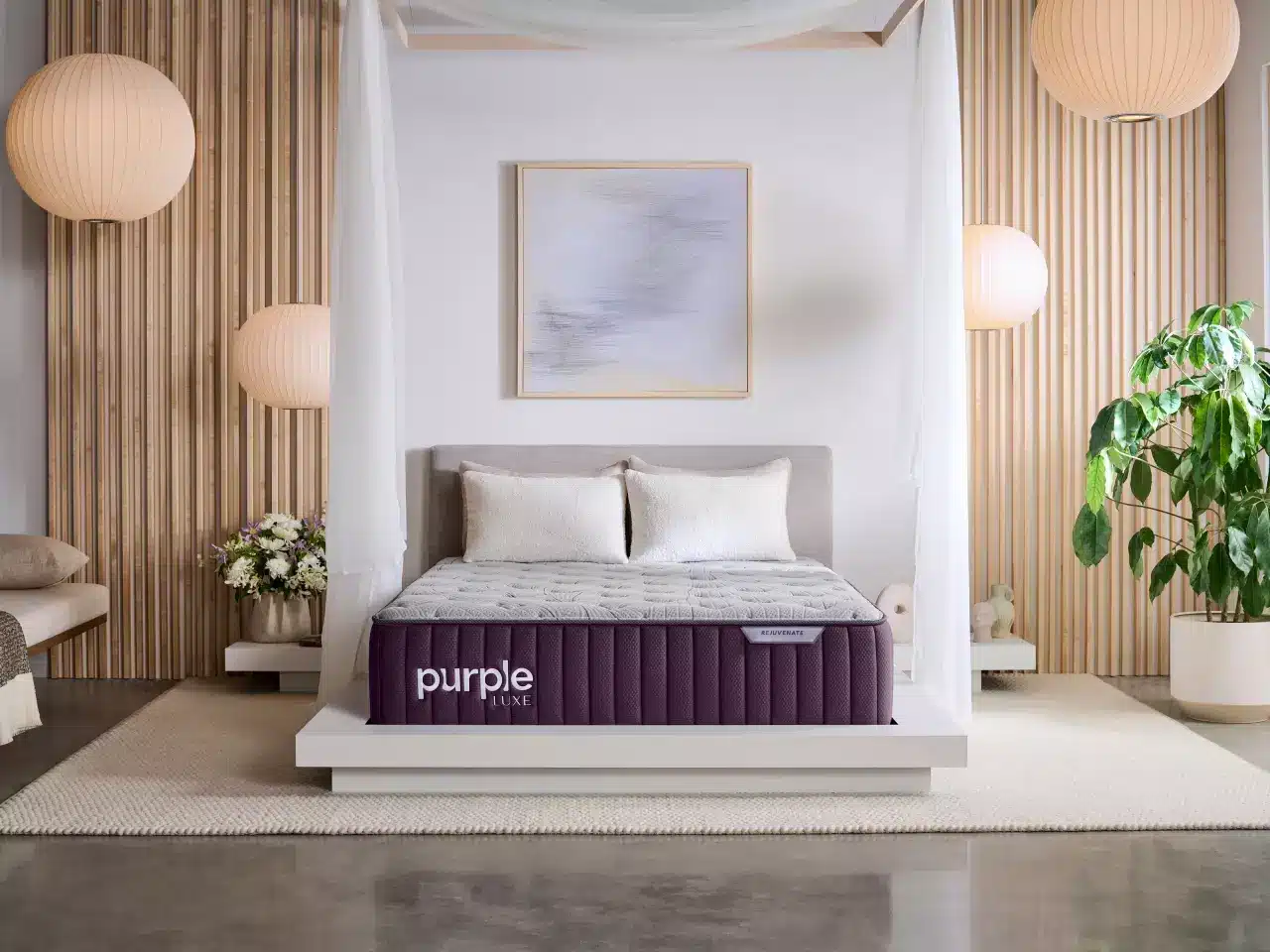
Purple’s premium lineup uses a thicker grid and hybrid support for more structure.
Bottom line
If your top priorities are motion isolation, deep body contouring, and a calm, “stuck-in” feel, Tempur-Pedic is usually the better choice. If you want better airflow, faster response, and less trapped-in foam sensation, Purple is usually the better choice.
Check Purple price Check Tempur-Pedic priceBuying through these links helps support the hands on testing I do at no extra cost to you.

Purple vs Tempur-Pedic at a glance
These brands are premium for different reasons. Tempur-Pedic is premium because of its proprietary memory foam feel and unmatched motion isolation. Purple is premium because of its unique grid technology that balances pressure relief with airflow and responsiveness.
If you hate feeling stuck, Purple is usually the safer pick. If you want the deepest contour and the quietest sleep surface, Tempur-Pedic is usually the safer pick.
Like model matchups: Purple vs Tempur-Pedic
To keep this comparison fair, here are the closest “apples to apples” pairings based on feel and intent. Exact names change over time, but these pairings reflect the most common shopper cross-shopping patterns.
| What you want | Purple model to compare | Tempur-Pedic model to compare | How they differ |
|---|---|---|---|
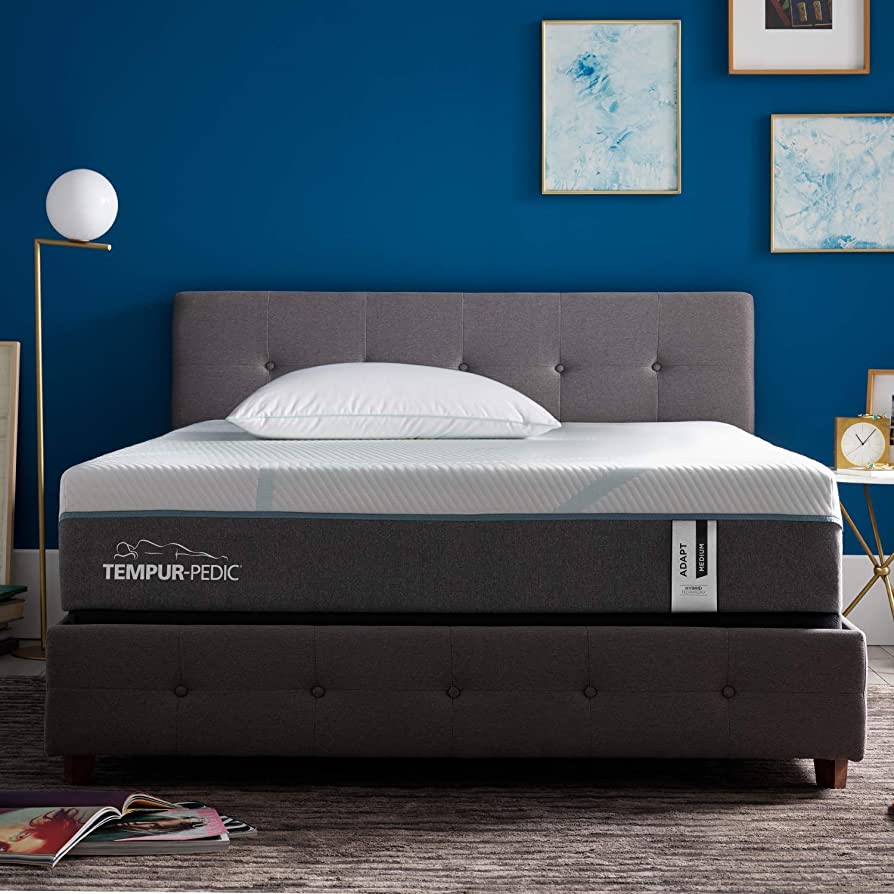
| Balanced support with premium feel | Purple hybrid lineup (Restore / Rejuvenate level) | Tempur-Adapt | Purple feels springier and cooler, Tempur feels slower and more contouring |
| Cooling focused premium option | Purple grid plus hybrid (upper tier) | Cloud Supreme Breeze | Breeze is cool for foam, Purple usually breathes better and responds faster |
| Motion control for couples | Purple (any grid model, hybrid preferred) | Tempur-Adapt | Tempur isolates motion better, Purple feels easier to move on |
| Adjustable base lifestyle | Purple + adjustable base | Tempur + adjustable base | Both work well, Tempur has more sink and contour, Purple has more buoyant support |
Side by side specs
| Feature | Purple | Tempur-Pedic |
|---|---|---|
| Signature feel | Buoyant, responsive grid | Slow melting, contouring foam |
| Cooling approach | Airflow through grid and hybrid layers | Cooling covers and foam formulation, still foam dominant |
| Motion isolation | Strong, but more bounce than Tempur | Best in class motion isolation |
| Ease of movement | Easy, fast response | More resistance, slower response |
| Best for | Hot sleepers, combo sleepers, people who hate stuck in foam | Couples, sensitive sleepers, people who want deep contour |
My personal findings with Purple and Tempur-Pedic
In hands on testing, Tempur-Pedic feels unmistakably like Tempur. It dampens movement, contours slowly, and creates that “calm” bed feel that many people love. Purple is the opposite experience. The grid is springy and supportive in a way that is hard to describe until you lie on it.
The most common mistake I see is buying Tempur-Pedic when you actually want responsiveness, or buying Purple when you really want a slow-melting foam hug. If you match the feel to your preference, both can be excellent.
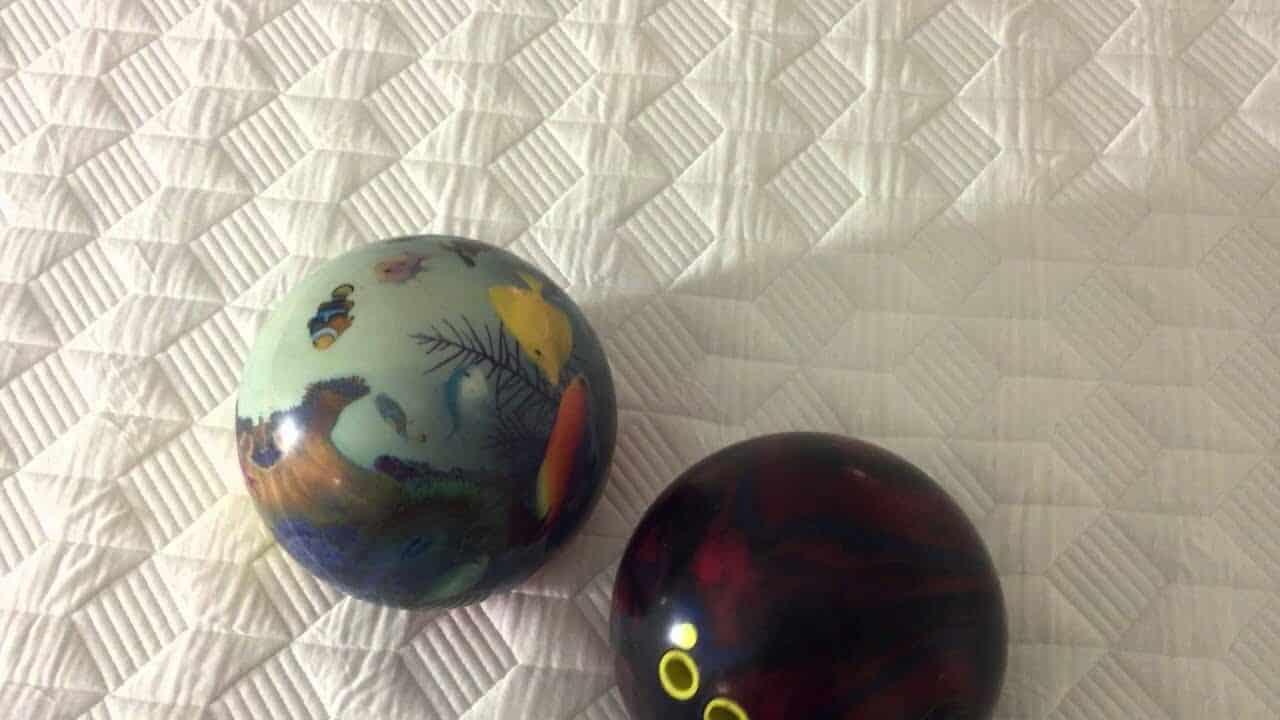
5 real world tests that matter
1 Cooling and heat retention
Purple usually sleeps cooler because the grid allows more air movement through the surface. Tempur-Pedic can sleep warm for some people because it is foam dense, but Breeze models improve this with cooling materials and covers.


2 Pressure relief
Tempur-Pedic provides deep pressure relief through slow contouring foam. Purple provides pressure relief differently: the grid collapses under pressure points while supporting surrounding areas. Side sleepers can love both, but the feel is completely different.
3 Motion isolation
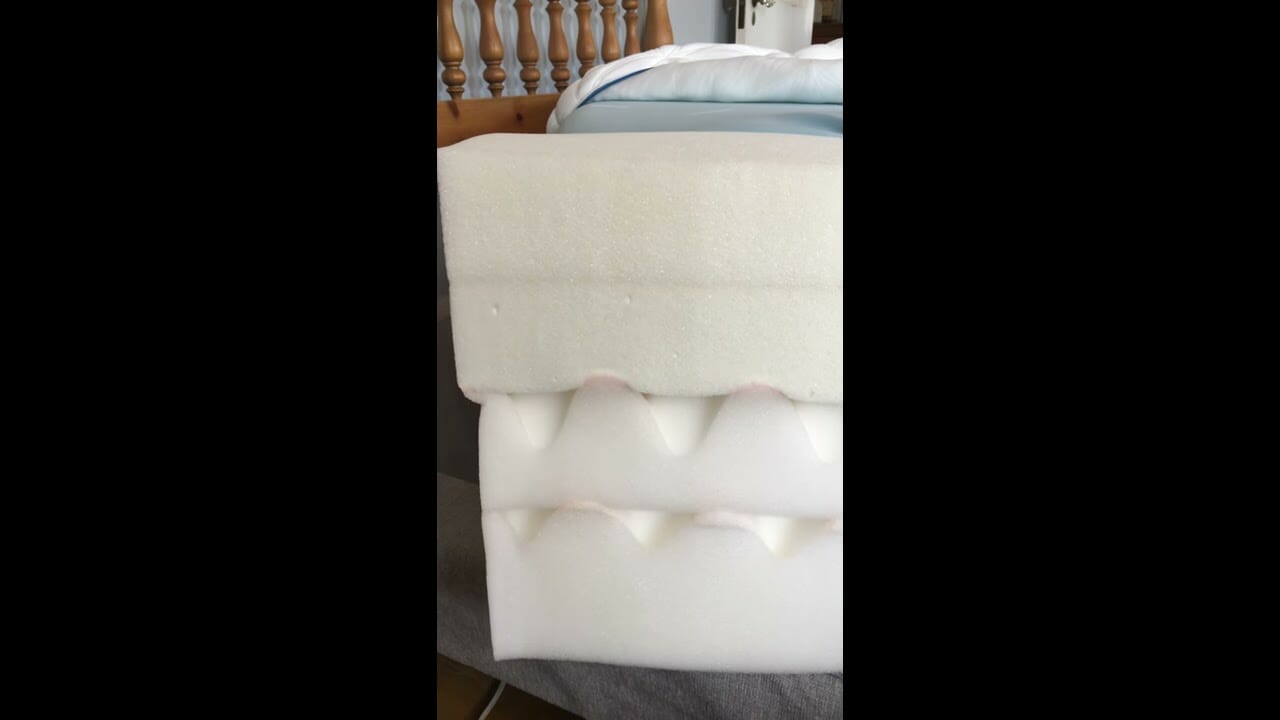
Tempur-Pedic is the motion isolation leader. If you wake up when your partner turns over, Tempur is often the best solution. Purple does a good job, but the grid is naturally more responsive, so you may notice more movement than Tempur.

4 Edge support
Purple hybrids typically have strong edges due to coil support. Tempur can have strong edge support depending on model, but some foam models will compress more at the edge. If you sit on the edge daily, Purple hybrids often feel more stable.
5 Ease of movement
Purple wins this category for most people. The grid rebounds quickly, making it easier to change positions. Tempur-Pedic is slower and can feel restrictive if you toss and turn.
Who it is for
Purple is better if you
- Sleep hot and need airflow.
- Change positions often and want easy movement.
- Dislike the stuck in foam sensation.
- Want pressure relief with a more responsive surface.
- Prefer a springy, supportive feel.
Tempur-Pedic is better if you
- Want the deepest contouring memory foam feel.
- Are extremely sensitive to partner movement.
- Want a calm, dampened surface feel.
- Prefer a slow response, hugging feel.
- Want strong pressure relief for sore joints.
Price and value
Tempur-Pedic is usually more expensive, but you are paying for a proprietary foam feel and elite motion isolation. Purple is also premium priced, but the value is in the unique grid feel and airflow. If you know you love Tempur feel, it can be worth it. If you want cooling and responsiveness, Purple can be a smarter buy.
See today’s best Purple deal See today’s best Tempur-Pedic dealFAQ
Which is better for side sleepers, Purple or Tempur-Pedic?
Both can work for side sleepers. Tempur gives deep contouring and pressure relief. Purple gives pressure relief through the grid while staying more breathable and responsive.
Which sleeps cooler, Purple or Tempur-Pedic?
Purple typically sleeps cooler due to airflow through the grid. Tempur Breeze models are cooler than standard Tempur, but foam can still retain more heat than Purple for hot sleepers.
Which is better for couples?
Tempur-Pedic is usually best for couples who need maximum motion isolation. Purple can work well too, especially hybrid models, but it is more responsive.
Do Purple and Tempur-Pedic work on adjustable bases?
Yes. Both are compatible with adjustable bases. Tempur conforms more and feels more enveloping, while Purple keeps a more buoyant, supported feel when elevated.
The Bottom Line on Purple vs. Tempur-Pedic
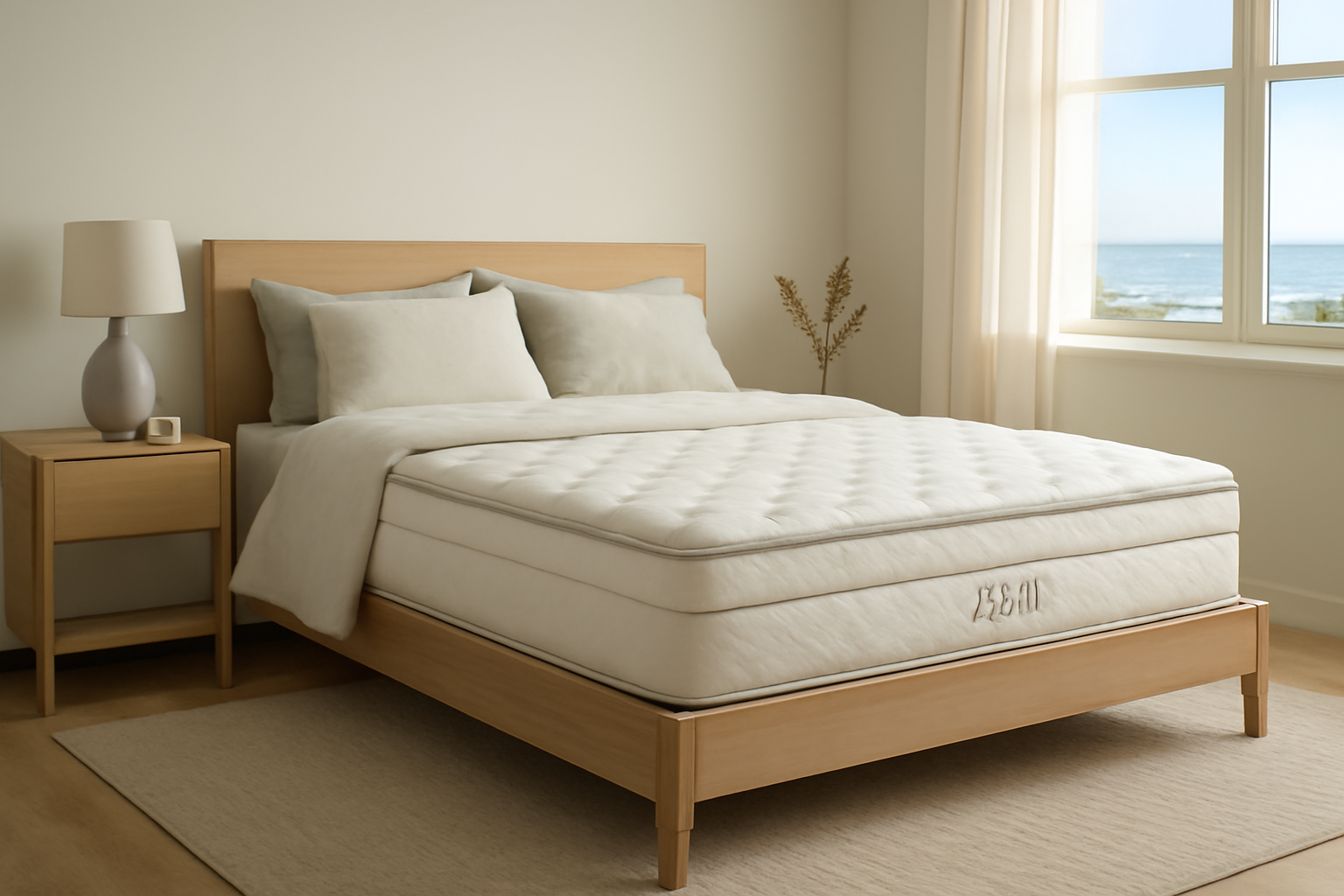
When it comes to choosing a new mattress, the market is flooded with options, but few brands command the attention and loyalty that Purple and Tempur-Pedic do. This intense Purple vs. Tempur-Pedic debate isn’t just about foam versus a polymer grid; it’s about two fundamentally different philosophies of sleep. Tempur-Pedic, the heritage brand, pioneered the memory foam category with its NASA-developed TEMPUR-Material, designed to offer deep, conforming pressure relief and a uniquely enveloping feel. It’s the classic choice for sleepers who want to feel hugged by their mattress, with minimal motion transfer and a dense, supportive core.
On the other side of the ring is Purple, the disruptive innovator. Armed with its proprietary GelFlex Grid, Purple offers a sleep experience that feels like nothing else on the market. The grid is engineered to be soft and yielding under pressure points like your hips and shoulders, while remaining firm and supportive elsewhere. This creates a sensation often described as “floating,” combined with instant responsiveness and exceptional airflow. Deciding between them comes down to a core preference: Do you want to sink into your bed (Tempur-Pedic) or float on top of it (Purple)? Answering that question is the key to finding your perfect night’s sleep.
Who Are These Mattresses Best For?
This is one of the most important mattress comparisons on the market, as the feels are so distinct. Here’s how to decide which camp you fall into.
This Matchup Is Best For:
- Hot Sleepers (Leaning Purple): Purple’s open grid design allows for unparalleled airflow, making it one of the coolest-sleeping mattresses available. While Tempur-Pedic has cooling technologies (like their Breeze models), the fundamental nature of dense memory foam traps more heat than Purple’s grid.
- Sleepers with Specific Aches and Pains: Both brands excel at pressure relief, but in different ways. Tempur-Pedic is ideal for those who need deep, consistent contouring to alleviate pressure along the length of their body. Purple’s grid offers dynamic support that collapses under sharp pressure points while holding up everywhere else, which can be a game-changer for people with hip or shoulder pain.
- Couples with a Restless Partner (Leaning Tempur-Pedic): TEMPUR-Material is the undisputed champion of motion isolation. You could place a glass of wine on one side of the bed and jump on the other without spilling a drop. Purple is also very good, but the grid has a bit more bounce and reactivity, so a small amount of motion can transfer.
You Should Skip Both If:
- You’re on a Tight Budget: Let’s be clear: these are premium mattresses with premium price tags. If your budget is under $1,500 for a Queen, both of these brands will likely be out of reach, and you’d be better served exploring other online or traditional options.
- You Prefer a Traditional Innerspring Feel: Neither of these beds feels like a classic bouncy spring mattress. If you love that high-rebound, on-the-bed feel of a traditional coil system, you might find both Tempur-Pedic’s sinking foam and Purple’s gel grid to be too foreign.
- You’re a Very Heavy Individual (Over 350 lbs): While both brands build durable mattresses, individuals significantly over 300-350 lbs may not get the intended support. Extremely heavy sleepers might bottom out on the Purple grid or sink too deeply into the Tempur-Pedic foam, leading to misalignment. Specialized beds for heavier people would be a better choice.
On-the-Fence? Consider This:
- Are you a combination sleeper? If you toss and turn frequently, Purple’s instant responsiveness makes it easy to change positions without feeling “stuck.” The Tempur-Pedic has a slower response time, which some combo sleepers find cumbersome.
- Do you sleep hot and cold? If your body temperature fluctuates, Tempur-Pedic’s Breeze line is designed to manage temperature all night, but it comes at a significant cost. Purple’s grid is passively cool, which is great for hot sleepers but might not have the same thermal-management story as the top-tier Tempur models.
- Does trying in-person matter? Both brands are available in stores, but your best bet is visiting a showroom like ours in San Diego. Feeling the difference is crucial. At Yawnder, you can test a range of premium pillowtop and hybrid mattresses to understand if the “floating” or “hugging” sensation is right for you, helping you make a more informed choice.
Construction and Materials: GelFlex Grid vs. TEMPUR-Material
The core difference between Purple and Tempur-Pedic lies in their hero materials. Understanding how they’re made and layered is key to understanding why they feel so different.
Purple’s GelFlex Grid Technology
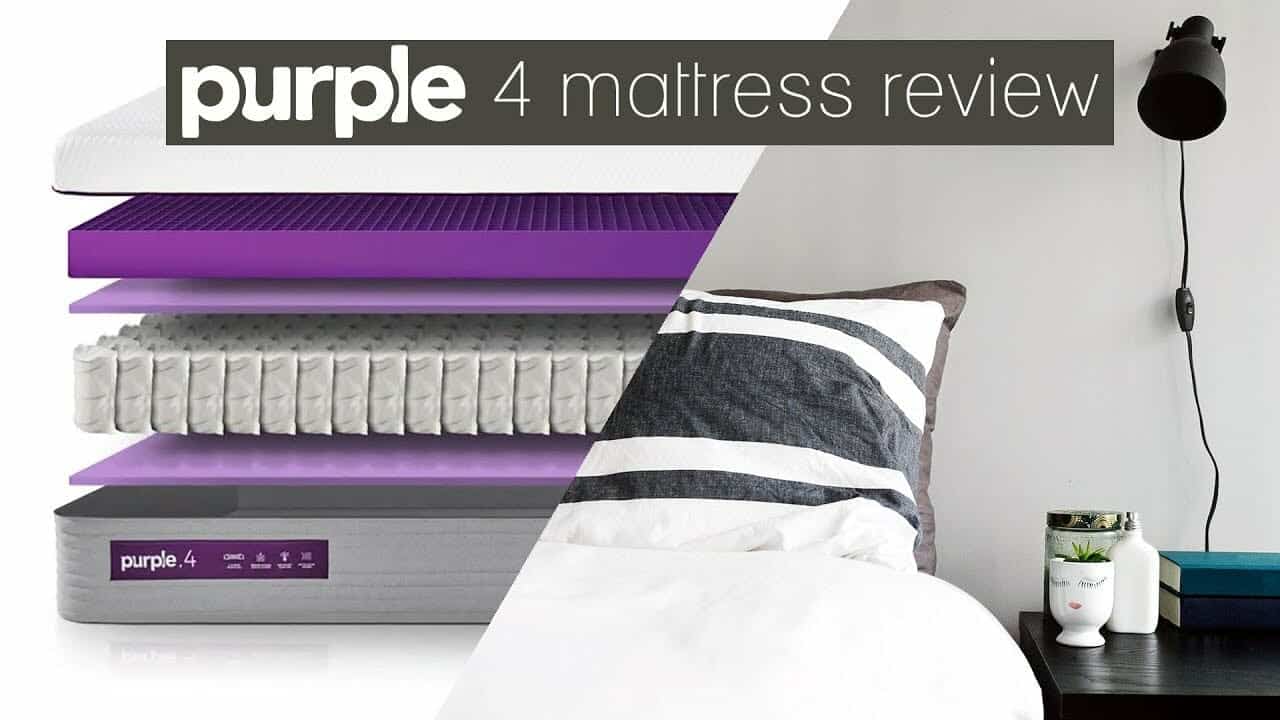
Purple’s claim to fame is the GelFlex Grid, a hyper-elastic polymer molded into a grid pattern. This isn’t foam; it’s a unique gel-like material that is both soft and supportive at the same time. The grid walls are designed to collapse under high-pressure areas, like your shoulders when you lie on your side, while the surrounding grid walls remain firm, keeping your spine aligned. This is what creates the “floating” sensation.
- Top Layer: The GelFlex Grid itself. It comes in various heights (typically 2 to 4 inches) depending on the mattress model.
- Transition/Base Layers: Below the grid, Purple uses layers of high-density polyurethane foam to provide a stable foundation and prevent you from feeling the bed frame. In their hybrid models, they swap some of this foam for a core of individually wrapped coils, which adds bounce, edge support, and even more airflow.
- Cover: The mattresses are wrapped in a soft, stretchy cover designed to flex with the grid so you get the full benefit of its unique properties.
Tempur-Pedic’s TEMPUR-Material
Tempur-Pedic uses their proprietary TEMPUR-Material, a type of viscoelastic polyurethane memory foam. It was originally developed by NASA to cushion astronauts during takeoff. This material is famous for its slow response and deep contouring. When you lie on a Tempur-Pedic, the foam softens in reaction to your body heat and weight, slowly molding to your exact shape.
- Comfort Layers: The top layers are where Tempur-Pedic places its various formulations of TEMPUR-Material. The TEMPUR-Adapt collection uses the original material, while the TEMPUR-ProAdapt and TEMPUR-LuxeAdapt have more advanced, pressure-relieving versions. The Breeze models infuse cooling materials into these top layers.
- Support Layers: Beneath the comfort layers lies a firmer and more supportive version of TEMPUR-Material. This layer prevents you from sinking too far into the mattress and ensures proper spinal alignment. In their hybrid models, this foam base is replaced with a system of over 1,000 premium spring coils.
- Cover: Tempur-Pedic uses high-quality covers, with their Breeze models featuring specialized cool-to-the-touch fabrics that are removable and washable.
Feel, Performance, and Sleeper Experience
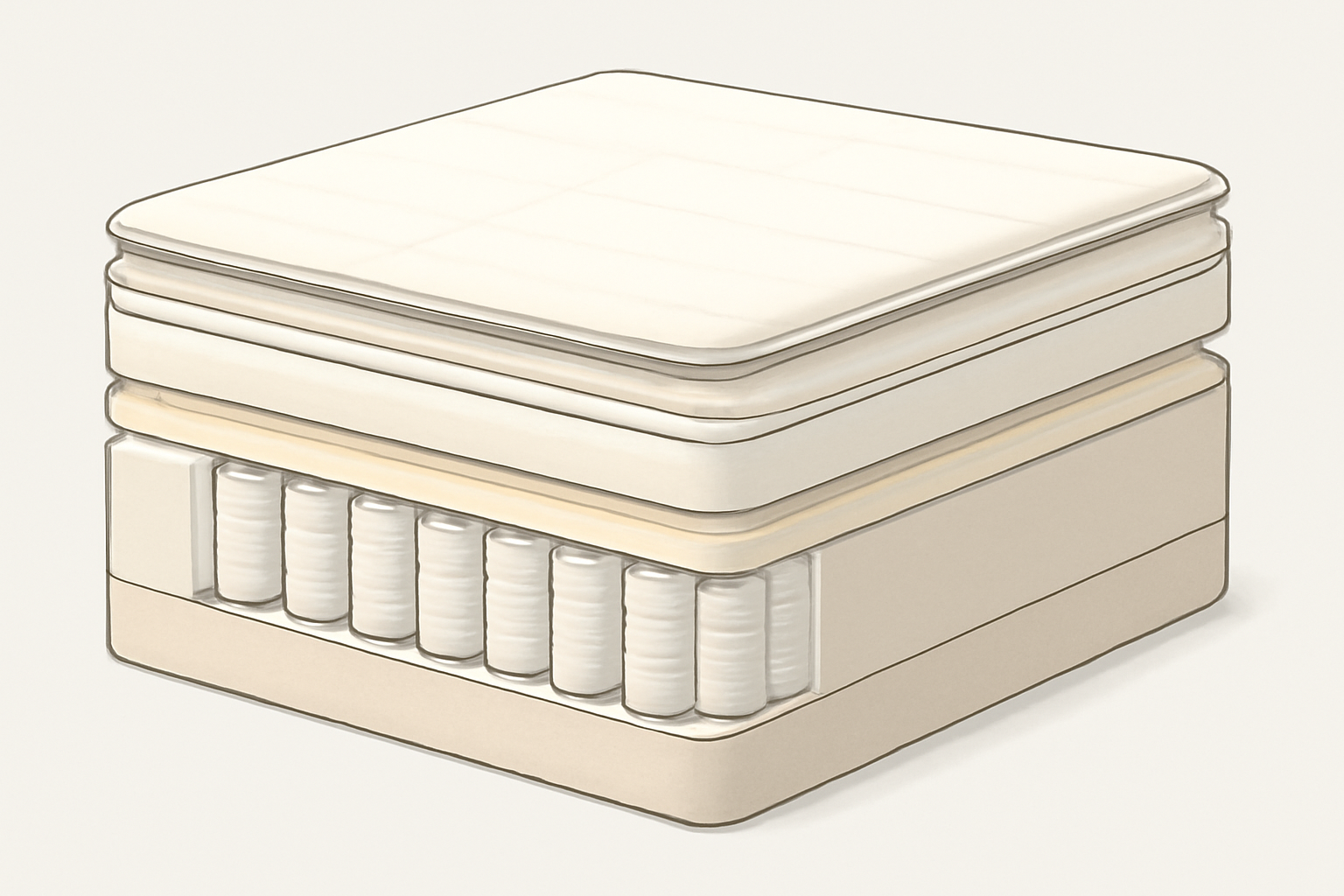
How do these different constructions translate to the real-world experience of sleeping on the mattress every night?
Feel and Firmness
Purple: The feeling is unique and hard to describe until you try it. It’s a combination of pressure-free floating with underlying support. It doesn’t have a traditional firmness rating. Instead of feeling “soft” or “firm,” it feels adaptive. It’s soft where you want it and firm where you need it. The response is instant; the grid bounces back into place the moment you move.
Tempur-Pedic: The feel is one of deep envelopment. It’s a slow-melting, “cradled” sensation. The firmness varies by model, from the soft TEMPUR-Cloud to the firm TEMPUR-Contour (now found in the Adapt series). The key takeaway is the slow response. When you press your hand into it and pull away, you’ll see a clear impression that slowly fades. This is what creates that “stuck” feeling for some, and the secure, hugged feeling for others.
Motion Isolation and Edge Support
Motion Isolation: Tempur-Pedic is legendary for a reason. Its super-dense foam absorbs almost all motion energy. It’s the best choice if you have a partner who tosses and turns or gets in and out of bed at a different time. Purple is also very good—far better than a traditional innerspring—but the responsive grid does allow for a small amount of localized jiggle to transfer across the surface.
Edge Support: This is a traditional weakness for foam beds. historically, Tempur-Pedic models could feel a bit squishy around the perimeter. However, their newer models, especially the hybrids, have dramatically improved this. Purple’s hybrid models also feature excellent edge support thanks to their coil base. The all-foam Purple mattresses, however, can be a bit soft on the edges, which might be a concern if you often sit on the side of your bed to put on your shoes.
Cooling and Temperature Regulation
Purple: This is where Purple has a clear, built-in advantage. The GelFlex Grid is composed of about 80% open air. The grid structure allows air to move freely, carrying heat away from your body. It is one of the most temperature-neutral beds on the market, period.
Tempur-Pedic: Traditional memory foam is notorious for trapping heat. Tempur-Pedic has invested heavily in R&D to combat this. Their standard models sleep much cooler than cheap memory foams, and their top-of-the-line Breeze models are genuinely effective at creating a cooler sleep surface. However, achieving this requires complex material science and comes at a steep price premium. The fundamental design of Purple is simply more breathable.
How It Compares to Casper
Purple and Tempur-Pedic represent two premium, heavily-engineered approaches to sleep. But how do they stack up against a brand like Casper, which defined the modern bed-in-a-box movement with a focus on simplicity and a “universally comfortable” feel? For many shoppers, Casper represents a compelling middle-ground.
Casper built its brand on a zoned-support foam design that is softer under the shoulders and firmer under the hips. It provides a balanced foam feel—less “sinking” than Tempur-Pedic and less “floating” than Purple. It’s a safe, comfortable, and accommodating feel that appeals to a wide range of sleepers who aren’t looking for a specialized experience. Where Tempur-Pedic and Purple are feature-rich and require you to choose between specific feels and technologies, Casper offers a more straightforward, simplified choice. This is reflected in its price, which is significantly more accessible than Tempur-Pedic and generally more affordable than Purple’s premium offerings. Casper provides a great sleep experience for the price, but it doesn’t have the revolutionary pressure relief of Purple’s grid or the deep-conforming hug of TEMPUR-Material. It’s an excellent baseline, but for those with specific needs, the premium features of Tempur-Pedic or Purple can be worth the extra investment.
| Feature | Purple | Tempur-Pedic | Casper |
|---|---|---|---|
| Core Material | GelFlex Grid (Polymer) | TEMPUR-Material (Viscoelastic Foam) | Zoned Polyurethane Foams |
| Primary Feel | Floating, Responsive, Cooling | Deep Contouring, Hugging, Slow-Response | Balanced, Neutral Foam Feel |
| Price (Queen) | $$$ – $$$$ | $$$$ – $$$$$ | $$ – $$$ |
| Cooling | Excellent (Open Grid) | Good to Excellent (Breeze Models) | Good (Perforated Foam) |
| Motion Isolation | Very Good | Exceptional | Very Good |
| Best For | Hot Sleepers, Combo Sleepers, Unique Pain Points | Side Sleepers, Couples, Those Seeking Deep Pressure Relief | Value Shoppers, Back/Stomach Sleepers, People Who Want a “Safe” Choice |
5-Year Total Cost of Ownership
A mattress is a long-term investment in your health. While the sticker price of Purple and Tempur-Pedic can be intimidating, it’s helpful to break down the cost over a 5-year period. Both brands are known for durability and carry 10-year warranties, so this is a conservative timeframe.
Let’s consider a mid-range Queen model from each brand: a Purple Restore Hybrid (~$2,899) and a TEMPUR-ProAdapt (~$3,599). While sale prices can vary, these are typical benchmarks.
- Initial Purchase: The upfront cost is the biggest factor. Tempur-Pedic is consistently one of the most expensive brands on the market. Purple is also a premium product, but generally offers a more accessible entry point.
- Financing: Both companies offer 0% financing options, which can spread the cost over several years. A $3,600 mattress, for instance, might be $75/month over 48 months. This makes the initial sticker shock much more manageable.
- Accessories: Purple mattresses, with their flexible grid, perform best with stretchy sheets. You may find your old, tight-fitting cotton sheets reduce the effectiveness of the grid, leading to an additional purchase. Tempur-Pedic works well with any standard sheets.
- Durability and Warranty: Both brands use high-quality materials designed to last. A 10-year warranty is standard. The key is that the initial high cost is meant to cover a decade of use without significant degradation in performance. Cheaper mattresses might need replacing every 3-5 years, making the long-term cost of a premium bed more competitive.
5-Year Cost Breakdown (Example):
- Tempur-Pedic (~$3,599): $3,599 / 5 years = $720/year, or ~$1.97/night.
- Purple (~$2,899): $2,899 / 5 years = $580/year, or ~$1.59/night.
While this is a simplified calculation, it demonstrates that even a significant price difference at purchase becomes more marginal when amortized over the expected life of the mattress. The real question is one of value: is the specific feel and performance of one brand worth the nightly cost *to you*?
Delivery, Trial Periods, and Warranties
The post-purchase policies are a crucial part of the value proposition for any mattress, especially at this price point.
Delivery
Purple: Most Purple mattresses are delivered compressed in a bag (not a box!). The bags have handles, but they are very heavy and awkward. For their higher-end models, they often includewhite-glove delivery, which includes setup in your room of choice and removal of your old mattress. Be sure to check the specific model’s delivery terms.
Tempur-Pedic: Tempur-Pedic almost always includeswhite-glove delivery with every mattress purchase. Their team will deliver and set up the mattress in your bedroom and will also haul away your old mattress and foundation. This is a significant perk, as these mattresses are extremely heavy and cannot be compressed.
Sleep Trial and Returns
Purple: Offers a 100-night sleep trial. They require you to sleep on the mattress for at least 21 days before initiating a return, as it can take time for your body to adjust to a new sleep surface. If you decide it’s not for you after that period, they will arrange to have it picked up and provide a full refund.
Tempur-Pedic: Offers a 90-night sleep trial. They have a mandatory 30-day break-in period. If you choose to return the mattress, you will receive a refund minus a $175 shipping fee, which covers the cost of the return pickup.
Warranty
Both Purple and Tempur-Pedic offer a 10-Year Full Replacement Limited Warranty for their mattresses. This covers manufacturing defects, such as sagging or indentations beyond a certain depth (usually 0.75 inches for both), or flaws in the foam or grid. It does not cover changes in firmness or issues arising from using an improper foundation. Both warranties are considered robust and are a testament to the quality and durability of their products.
Frequently Asked Questions
Q: Is Purple or Tempur-Pedic better for side sleepers?
A: Both are excellent for side sleepers, but for different reasons. Tempur-Pedic offers deep, slow-sinking pressure relief that cradles the shoulder and hip. Purple uses its grid to collapse specifically at those pressure points while providing firm support elsewhere. The “better” one depends on whether you prefer a “hugging” or “floating” sensation.
Q: Do I need a special base or foundation for these mattresses?
A: Yes, a proper foundation is crucial. Both brands require a sturdy, non-flexing base like a platform bed, slatted base with slats no more than 3 inches apart, or their own adjustable base. Using an old box spring can void the warranty as it may not provide adequate support.
Q: Can you flip a Purple or Tempur-Pedic mattress?
A: No. These mattresses are built with specific layers from the bottom up, so they are not designed to be flipped. You can, and should, rotate the mattress 180 degrees every 6 months to ensure even wear, but never flip it over.
Q: Why does Tempur-Pedic cost so much more?
A: The cost is due to several factors: their proprietary TEMPUR-Material is complex and expensive to produce, decades of research and development, a strong brand name, and the inclusion of white-glove delivery. You are paying for a legacy brand with a long track record of quality and performance.
Q: Does the Purple grid get brittle or break down over time?
A: The hyper-elastic polymer used in the GelFlex Grid is incredibly resilient and durable. It’s designed to withstand years of compression and extension without breaking down. The 10-year warranty covers any material failures, but the grid is engineered to last well beyond that timeframe.
Verdict: Which One Should You Choose?
After this deep dive, the choice between Purple and Tempur-Pedic remains a deeply personal one, rooted in feel. There is no universally “better” mattress here; there is only the mattress that is better for you.
Choose Tempur-Pedic if: You crave a deep, enveloping hug from your mattress. You prioritize unparalleled motion isolation for undisturbed sleep with a partner. You are a side sleeper who loves the feeling of memory foam contouring to your every curve, and you run a bit cold or are willing to invest in their Breeze models for temperature control.
Choose Purple if: You are a hot sleeper who needs maximum airflow. You are a combination sleeper who tosses and turns and needs a responsive surface that doesn’t make you feel “stuck.” You suffer from sharp pressure point pain in your hips or shoulders and want a mattress that feels both soft and firm at the same time.
Ultimately, words and reviews can only take you so far. The philosophical difference between sinking into a bed and floating upon it is something that must be felt. We encourage you to visit our San Diego showroom to experience the unique properties of a premium pillowtop and hybrid lineup in person. You can find us at 1441 Encinitas Blvd, Encinitas CA 92024, where you can test different feels and discover whether you’re on Team Float or Team Hug. A firsthand test session is the single best way to ensure your investment in sleep is a wise one.
Check the live offer
Promotions change. Use the current brand offer and one last side-by-side check before you order.
Compare both beds against 142 tested mattresses
Sort all 142 mattresses we have tested by pressure relief, support, cooling, motion isolation, edge support, price, trial and warranty, then filter by how you actually sleep. Of those, 86 hold a complete standardized record and 41 a partial standardized record.