Our verdict
Tempur-Pedic and Tempflow both sell mattresses that use memory foam, but model, firmness and construction matter more than the name on the label. Tempur-Pedic is worth comparing if you want to try a widely available slow-response foam feel in person. Tempflow is worth considering if you want to explore its airflow design and the customization options described in its trial.
Compare the actual models in the same size, including shipping, return fees and warranty limitations. Neither brand is automatically cooler, cheaper or more comfortable for every sleeper.
Ben’s original hands-on comparison
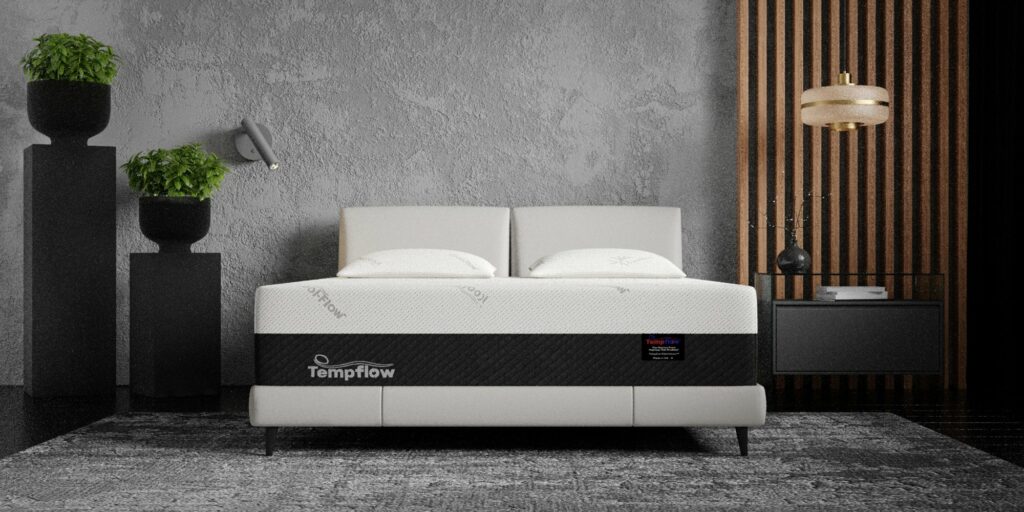
Ben was invited to a Tempflow store, where he tried a Tempflow mattress alongside a comparable Tempur-Pedic. He has reviewed hundreds of mattresses and found the visit useful for comparing the two feels directly. This was a comparison of the models available at the time, not a controlled test of every current model.
His impression was that Tempur-Pedic models can feel firmer than their labels suggest and that Tempflow’s ventilated, channeled construction appealed to him. He preferred the feel of that approach to the temporary cool-to-the-touch effect he noticed with some phase-change materials. These are personal observations, not a measured guarantee about overnight temperatures.
Feel, construction and cooling
| Consideration | Tempur-Pedic | Tempflow |
|---|
| Feel | Memory-foam contouring; firmness varies by model | Memory-foam options with different firmnesses and constructions |
| Cooling approach | Cooling features vary across collections, including covers and material designs | Some models use channels intended to support airflow |
| Shopping | Broad retail and showroom availability; check the exact model | Direct shopping and an Agoura Hills showroom; confirm current availability |
Memory foam’s feel changes with room temperature, body weight and bedding. Covers that feel cool initially are not necessarily a measure of overnight heat retention. Try the exact firmness and build whenever possible.
Price, trial and warranty
Price: the original comparison included historical model prices. Promotions and ranges change, so compare the same size and delivery method rather than assuming a fixed price gap.
Tempflow: its published trial describes 120 days, available modifications and a $199 return shipping fee for customers outside the specified local area. The policy says returns must be received by the end of the trial and contains exclusions, including certain custom mattresses; confirm logistics before ordering. Its limited warranty includes prorated costs and shipping conditions, with coverage varying by model. The collection and warranty pages differ in how they describe some models, so confirm the written warranty for your exact purchase.
Tempur-Pedic: its direct-purchase policy describes a 90-night mattress trial, a recommended 30-night adjustment period, and a $175 return or exchange fee plus tax. Retailer terms can differ. Its published mattress warranty is limited; review the exact document for covered defects and exclusions.
Who should choose which?
Consider Tempur-Pedic if you value trying a specific model locally and prefer its distinctive slow-response feel. Consider Tempflow if its model’s feel and design appeal to you and you value the ability to discuss modifications during the trial. Neither a long warranty nor a comparison chart proves how long a mattress will feel comfortable.