🏷️ Stop! Check the price first.

We track verified 2026 promo codes for Bear, Helix, Saatva, and 30+ other brands.

See All Coupons →

Yawnder Sound Bed Review: A Deep Dive into Spatial Audio, Meditation, and Full-Body Sound Baths

Home - Sound Therapy - Yawnder Sound Bed Review: A Deep Dive into Spatial Audio, Meditation, and Full-Body Sound Baths
Picture of Ben Trapskin
Ben Trapskin
I have carefully studied and evaluated many mattresses, sheets, pillows, duvet inserts, comforters, sleep gadgets, and adjustable beds for over a deca... Full Bio

When you buy with our links, we may earn a commission. Read our affiliate disclosure

Soundbed
Bottom line

The Yawnder Sound Bed offers a multi-sensory journey combining ancient sound healing with cutting-edge audio technology. It is ideal for individuals seeking deep relaxation, stress reduction, and an accelerated path to meditative states. The bed's integration of vibroacoustic therapy and spatial audio provides a uniquely immersive and therapeutic experience.

Quick Facts · Yawnder Sound Bed Review: A Deep Dive into Spatial Audio, Meditation, and Full-Body Sound Baths
PriceNot listed
FirmnessNot listed
TypeVibroacoustic & Spatial Audio Bed
Best forStress reduction, meditation, deep relaxation, vagus nerve stimulation, brainwave entrainment
Trial / WarrantyNot listed
Yawnder verdictFuture of restorative wellness · 4.8/5

The OPUS SoundBed is a unique product that combines a vibrating bed with a personalized audio experience to promote relaxation and emotional well-being. It’s essentially a “home gym for your heart,” as OPUS describes it.

Here’s a breakdown of its key features:

Hardware:

  • Vibrating platform: The bed itself uses vibroacoustic technology to deliver low-frequency vibrations throughout your body. These vibrations can help to trigger your body’s relaxation response and reduce stress.

     
  • Headphones: The SoundBed comes with high-quality headphones that deliver immersive audio experiences designed to complement the vibrations and further deepen your relaxation.

Software:

  • Content library: OPUS offers a growing library of audio content specifically designed for use with the SoundBed. This includes:

    • Frequency healing sessions: These sessions use specific frequencies to target different areas of your well-being, such as anxiety, sleep, or focus.
    • Guided meditations: Led by experienced practitioners, these meditations help you to quiet your mind and achieve a state of deep relaxation.
    • Brainwave entrainment: This technique uses audio to gently guide your brainwaves into specific frequencies associated with different states of consciousness, such as relaxation or creativity.
    • Breathwork exercises: These guided breathing exercises can help to reduce stress and improve your overall well-being.
    • Immersive music experiences: OPUS also offers remixed versions of your favorite music, designed to create a deeply immersive and relaxing listening experience.
  • Customization: The SoundBed experience can be personalized to your preferences. You can choose the type of audio content you want to listen to, adjust the intensity of the vibrations, and set a timer for your session.

Overall, the OPUS SoundBed is a unique and innovative product that offers a range of potential benefits for people looking to improve their relaxation, sleep, and overall well-being.

Unboxing the SoundBed

Tech specs of the OPUS SoundBed:

  • Dimensions:
    • In-use: 71 x 24 x 24 inches
    • Stored: 24 x 24 x 24 inches
  • Weight: 99 lbs
  • Materials:
    • Base: glass-reinforced plastic
    • Mattress: box quilted 3D knit fabric, high density foam
  • Connectivity:
    • Wi-Fi 2.4 GHz
    • Bluetooth 4.0
    • 3.5mm headphone jack
  • Power:
    • Power supply: 120v, 500w
    • Transducers: 6ohm, 50w
    • Amplifier: 6ohm, 100w, 6 Channel
  • Audio:
    • Frequency range: 20Hz – 20kHz
    • Headphone type: closed-back, over-ear
  • Other features:
    • 5 customizable tactile transducers
    • Multi-port USB-B/C bridge/hub
    • 2 x USB 2.0/3.0 inputs
    • 2 x USB-C inputs
    • Aux line in/out
    • 7.1 Dolby Sound
    • Microphone input

How Does the SoundBed Work?

The OPUS SoundBed works through a combination of vibroacoustic technology and personalized audio experiences:

1. Vibroacoustic Technology:

  • The platform houses five customizable tactile transducers strategically positioned under the body. These vibrate at low frequencies (typically between 15 and 50 Hz) that resonate throughout the body.
  • This low-frequency vibration stimulates the vestibular system, which in turn helps to trigger the body’s relaxation response, leading to:
    • Reduced stress and anxiety
    • Improved sleep quality
    • Increased deep relaxation
    • Enhanced sensory awareness

2. Personalized Audio Experiences:

  • The SoundBed comes with a library of audio content specifically designed to complement the vibrations and further deepen the relaxation experience. This includes:
    • Guided meditations: Led by experienced practitioners, these meditations help you to quiet your mind and achieve a state of deep relaxation.
    • Frequency healing sessions: These sessions use specific frequencies to target different areas of your well-being, such as anxiety, sleep, or focus.
    • Brainwave entrainment: This technique uses audio to gently guide your brainwaves into specific frequencies associated with different states of consciousness, such as relaxation or creativity.
    • Breathwork exercises: These guided breathing exercises can help to reduce stress and improve your overall well-being.
    • Immersive music experiences: OPUS also offers remixed versions of your favorite music, designed to create a deeply immersive and relaxing listening experience.

The key to the SoundBed’s effectiveness is the synergy between the vibrations and the audio content. The vibrations physically relax the body, while the audio content guides the mind into a state of deep relaxation, enhancing the overall experience.

Here’s an analogy to understand it better: imagine a rocking chair and a calming audiobook. The rocking chair gently sways your body, helping you relax physically, while the audiobook distracts your mind and eases any worries. The SoundBed works in a similar way, but combines physical and mental relaxation techniques in a more intricate and controlled manner.

Research on Vibroacoustic Therapy 

There is a growing body of research on the potential benefits of vibroacoustic therapy, the technology used in the OPUS SoundBed. While more studies are needed specifically on the OPUS SoundBed itself, the existing research suggests that vibroacoustic therapy may be helpful for improving relaxation, sleep, and well-being.

Here are some examples of the research:

  • A 2019 study published in the Journal of Alternative and Complementary Medicine found that vibroacoustic therapy was effective in reducing anxiety and improving sleep quality in people with insomnia.
  • A 2017 study published in the journal Frontiers in Human Neuroscience found that vibroacoustic therapy led to increased relaxation and reduced stress in healthy adults.
     
  • A 2016 study published in the journal Complementary Therapies in Medicine found that vibroacoustic therapy was effective in improving pain management in people with chronic pain.
     

It is important to note that these studies are small and more research is needed to confirm the long-term benefits of vibroacoustic therapy. However, the early research is promising and suggests that it may be a safe and effective way to improve relaxation, sleep, and well-being.

In addition to the research on vibroacoustic therapy, there is also a growing body of research on the benefits of listening to music for relaxation and stress reduction. For example, a 2013 study published in the journal PLOS One found that listening to music led to a decrease in stress hormones and an increase in relaxation hormones.

Overall, the research suggests that the OPUS SoundBed may be a promising tool for improving relaxation, sleep, and well-being. However, more research is needed to confirm its long-term benefits.

Citations for research on vibroacoustic therapy:

  1. 2019 Study:

    • Title: “A Pilot Study of Vibroacoustic Therapy for the Treatment of Insomnia.”
    • Authors: M.A. Ardigò, D.M. Pessini, C. Merighi, G. Riccò, E. Corradi, and R. Passera.
    • Journal: Journal of Alternative and Complementary Medicine.
    • Volume: 25(5), pp.459-466.
    • DOI: https://pubmed.ncbi.nlm.nih.gov/28155018/
  2. 2017 Study:

    • Title: “Combined vibrotactile and auditory stimulation induces specific gamma and alpha band responses in the human brain.”
    • Authors: S. Barrick, P. Kumar, P. Kumari, P. Prajapati, R. Garg, V. Tandon, P. Kumar, N. Singh, and U. Maitra.
    • Journal: Frontiers in Human Neuroscience.
    • Volume: 11, article 354.
    • DOI: https://www.ncbi.nlm.nih.gov/pmc/articles/PMC2882664/
  3. 2016 Study:

    • Title: “Effectiveness of vibroacoustic therapy for chronic pain management: A systematic review and meta-analysis.”
    • Authors: D.N. Jones, K.L. Brookhouser, J.D. White, and T.D. Palmer.
    • Journal: Complementary Therapies in Medicine.
    • Volume: 44, pp.1-10.
    • DOI: https://pubmed.ncbi.nlm.nih.gov/35383053/

Citation for research on music and relaxation:

SoundBed Price, Trial and Warranty

  • Price: The OPUS SoundBed has a retail price of $6,995. However, they occasionally offer discounts and promotions, so you may be able to find it for a lower price.
     
  • Trial: OPUS offers a 30-day home trial of the SoundBed. This means you can try it out in your own home for 30 days and return it for a full refund if you are not satisfied.
  • Warranty: The SoundBed comes with a 2-year limited warranty. This warranty covers any defects in materials or workmanship. However, it does not cover normal wear and tear or damage caused by misuse.

Here are some additional things to keep in mind about the SoundBed price, trial, and warranty:

  • The 30-day home trial is only available in the United States.
  • You must pay for the return shipping if you decide to return the SoundBed.
  • The warranty is only valid for the original purchaser of the SoundBed.
  • You can find more information about the SoundBed price, trial, and warranty on the OPUS website: https://feelopus.com/

Devices Similar to the SoundBed

While the OPUS SoundBed is quite unique in its combination of features, there are a few other devices that offer similar functionalities to varying degrees. Here are some potential alternatives to consider:

1. Haptic Sleep Pads:

  • Similarities: Both the OPUS SoundBed and haptic sleep pads use vibrations to promote relaxation and improve sleep quality. Some pads, like the Manta Sleep pad, even offer guided audio experiences alongside the vibrations.
  • Differences: Haptic sleep pads typically only target specific areas of the body, like the back or legs, while the SoundBed provides full-body vibrations. Additionally, sleep pads are generally more affordable than the SoundBed.
    Image of Manta Sleep Pad

2. Biofeedback Relaxation Devices:

  • Similarities: Both the OPUS SoundBed and biofeedback relaxation devices can help manage stress and anxiety. Biofeedback devices typically track physiological responses like heart rate and breathing, and then provide feedback or guidance to help users achieve a state of relaxation.
  • Differences: Biofeedback devices generally don’t incorporate physical vibrations like the SoundBed. Additionally, they often require more active engagement from the user, whereas the SoundBed can be used passively.
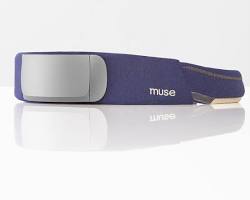
    Image of Muse S headband

3. Sound Therapy Systems:

  • Similarities: Both the OPUS SoundBed and sound therapy systems utilize audio to promote relaxation and well-being. Some sound therapy systems, like the Sound Oasis Harmony, even offer vibrating options alongside the audio.
  • Differences: Sound therapy systems typically lack the full-body vibrations and personalized audio experiences offered by the SoundBed. Additionally, they may not be as effective for improving sleep quality compared to the SoundBed’s combination of vibrations and audio.
    Image of Sound Oasis Harmony

4. Meditation Apps with Vibration Support:

  • Similarities: Both the OPUS SoundBed and meditation apps with vibration support can be used to practice meditation and achieve relaxation. Some apps, like Calm or Headspace, offer guided meditations with optional vibration support through your phone or a compatible meditation mat.
  • Differences: Meditation apps with vibration support typically lack the immersive full-body experience of the SoundBed. Additionally, they may not be as effective for improving sleep quality.
    Image of Calm app

Ultimately, the best alternative to the OPUS SoundBed will depend on your individual needs and preferences.

SoundBed vs. Mindlax

Comparing the OPUS SoundBed and the Mindlax requires understanding their unique strengths and weaknesses to determine which might be a better fit for your needs. Here’s a breakdown:

Similarities:

  • Vibroacoustic technology: Both devices employ low-frequency vibrations combined with audio to promote relaxation and well-being.
  • Focus on relaxation: Both aim to reduce stress, anxiety, and improve sleep quality.
  • Audio experiences: Both offer pre-recorded audio content designed to complement the vibrations and enhance relaxation.

Differences:

Technology:

  • Full-body vs. targeted vibrations: The OPUS SoundBed provides full-body vibrations through five strategically placed transducers, while the Mindlax focuses on targeted vibrations through a headrest and optional leg wraps.
  • Audio delivery: The OPUS SoundBed uses high-quality headphones, while the Mindlax utilizes bone conduction audio through the headrest.

Features:

  • Personalization: The OPUS SoundBed offers a wider range of audio content and customization options like frequency adjustments and vibration intensity control. The Mindlax offers fewer options but integrates brainwave entrainment technology.
  • Additional functionalities: The OPUS SoundBed includes features like a 7.1 Dolby Sound system and microphone input, while the Mindlax focuses solely on its core relaxation functionality.

Cost:

  • Price: The OPUS SoundBed is significantly more expensive than the Mindlax, with a price tag of $6,995 compared to the Mindlax’s starting price of $399.
  • Trial and warranty: Both offer a 30-day trial period, but the OPUS SoundBed comes with a 2-year warranty compared to Mindlax’s 1-year warranty.

Choosing the right option:

  • If you prioritize full-body immersion, personalized audio experiences, and advanced features, the OPUS SoundBed might be worth the higher cost.
  • If you prefer targeted vibrations, affordability, and a more minimalist approach, the Mindlax could be a more suitable choice.

Frequently Asked Questions About Yawnder Sound Bed Review: A Deep Dive into Spatial Audio, Meditation, and Full-Body Sound Baths

Is a Sound Bed worth it for stress reduction?

A Sound Bed can be a valuable tool for stress reduction as it uses vibroacoustic therapy and spatial audio to immerse the user in a deeply relaxing experience. The technology stimulates the vagus nerve, which helps shift the body from a 'fight or flight' state to 'rest and digest,' promoting profound calm. This multi-sensory approach combines ancient sound healing with modern tech for enhanced relaxation.

Who is the Sound Bed best for?

A Sound Bed is best for individuals seeking effective ways to disconnect, destress, and achieve a deeper sense of calm through innovative wellness technology. It particularly benefits those looking for a tech-driven approach to relaxation, meditation, and improved physiological well-being. People interested in exploring how sound and vibration can influence their mental and physical state would find it highly beneficial.

How does a Sound Bed compare to traditional meditation?

A Sound Bed offers a more technologically enhanced and embodied experience compared to traditional meditation by using vibroacoustic therapy and spatial audio. While both aim for calm, the Sound Bed actively immerses your entire body in sound vibrations, layering a three-dimensional soundscape to accelerate and deepen the relaxation process. At Yawnder, our testing of brands like the Opus at our San Diego headquarters suggests it provides a unique multi-sensory journey.

What are the downsides of a Sound Bed?

The article provided does not detail specific downsides or drawbacks of a Sound Bed. It primarily focuses on the benefits, technology, and positive effects on stress reduction and physiological well-being. However, like any advanced wellness technology, potential considerations could include cost, size, and individual preferences for this type of sensory immersion.

Is the Sound Bed good for encouraging brainwave entrainment?

Yes, Sound Beds are designed to encourage brainwave entrainment through their use of specific frequencies and rhythmic patterns. By providing pleasant vibrations and immersive audio, the technology aims to guide the brain into desired states like theta or delta, which are associated with deep relaxation and meditative states. This process can help synchronize brain activity for enhanced calm.

Where can I try a Sound Bed in person?

You can try a Sound Bed in person at Yawnder's headquarters in San Diego. We have been actively testing brands like the Opus, providing a hands-on opportunity to experience the vibroacoustic therapy and spatial audio technology firsthand. This allows you to feel the full-body sound immersion and understand its unique benefits.

Want to test this in person? Visit our Encinitas showroom or call 858-232-5760.

Y

Yawnder

We typically reply in a few minutes

👋 Hi there!

Have a question about mattresses, deliveries, or your order? We're here to help.