Yawnder Reviews · Updated October 2026
Slumber Cloud Cumulus Comforter Review
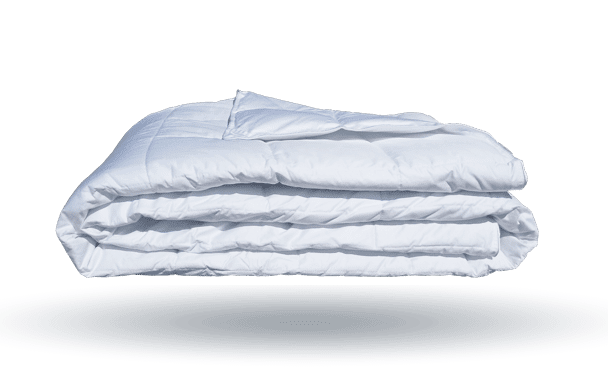
Tired of restless nights due to overheating or chills? Discover the Cumulus Lightweight Comforter by SlumberCloud, expertly designed to keep you cozy and comfortable with cutting-edge temperature-regulating technology!
Frequently Asked Questions About Slumber Cloud Cumulus: Must-Have Lightweight Comforter
Is the Slumber Cloud Cumulus Lightweight Comforter worth it?
Yes, the Slumber Cloud Cumulus Lightweight Comforter is worth considering for its advanced temperature regulation and comfortable design. It uses Outlast technology to manage both heat and humidity, which was a noticeable benefit during hands-on testing.
Who is the Slumber Cloud Cumulus best for?
The Slumber Cloud Cumulus is best for individuals who often experience temperature fluctuations during sleep, such as feeling too hot or too cold. Its adaptive technology helps create a stable microclimate, making it ideal for year-round comfort.
How does the Slumber Cloud Cumulus compare to traditional comforters?
The Slumber Cloud Cumulus offers significant advantages over traditional comforters due to its Outlast technology, which actively regulates temperature by absorbing and releasing heat. Traditional comforters often lack this adaptive capability, leading to overheating or insufficient warmth.
What are the downsides of the Slumber Cloud Cumulus comforter?
The article does not explicitly mention downsides of the Slumber Cloud Cumulus comforter. However, like any product, individual preferences for material feel or specific weight may vary. It's always best to try bedding products to ensure personal suitability.
Is the Slumber Cloud Cumulus good for hot sleepers?
Yes, the Slumber Cloud Cumulus is particularly good for hot sleepers, as its patented Outlast technology prevents overheating by absorbing excess body heat. This feature helps stabilize humidity and temperature, making for a cooler and more comfortable sleep experience.
Where can I try the Slumber Cloud Cumulus in person?
You can try out Slumber Cloud products, through the brand’s current sales channels. This review does not confirm that the Cumulus comforter is displayed at Yawnder; contact the Encinitas showroom first if you want to compare current comforter or duvet options.
Want to compare current comforters in person? Contact ourEncinitas showroom or call 858-232-5760.
Compare this mattress against 142 tested mattresses
Sort all 142 mattresses we have tested by pressure relief, support, cooling, motion isolation, edge support, price, trial and warranty, then filter by how you actually sleep. Of those, 86 hold a complete standardized record and 46 a partial standardized record.