

Air purifier review • Bedroom air quality and allergy relief
Molekule Air Mini Plus Review 2025 – PECO vs HEPA And Long Term Value
Molekule started as a science project in the 1990s when Dr. Yogi Goswami tried to fix his son’s severe asthma by attacking indoor air pollution at a molecular level. That lab work became PECO, the tech behind today’s Molekule air purifiers. In this review I walk through that story, the current Molekule lineup, and my real world experience running the full size Molekule Air and the Air Mini in a bedroom full of foam mattress off gassing, plus how it stacks up to more traditional HEPA units on performance, noise and price.
Bottom line
If your main concern is allergies, chemical smells or constant mattress and furniture off gassing in a small or medium bedroom, the Molekule Air Mini Plus can absolutely help. It looks good, it is quiet on lower settings and it noticeably cut my morning sneezing when I left it running in Auto or Silent mode. The tradeoff is price and coverage. You are paying premium money for a stylish small room unit with a more complex filter that costs more to replace, while some cheaper HEPA purifiers can move air faster for the same footprint.
Check Molekule price and current offersTest results
Scores reflect my bedroom testing with the full size Molekule Air and Air Mini running in rooms between about 150 and 300 square feet, plus a review of independent lab tests, published CADR data and long term user feedback.
Design and noise in a real bedroom
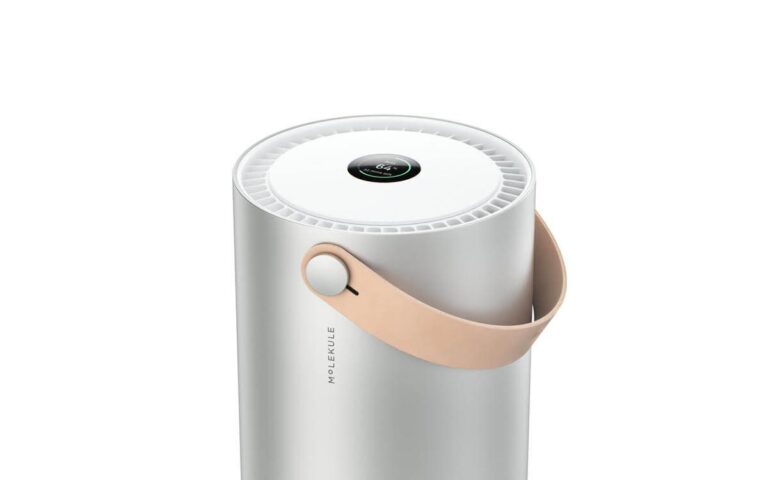
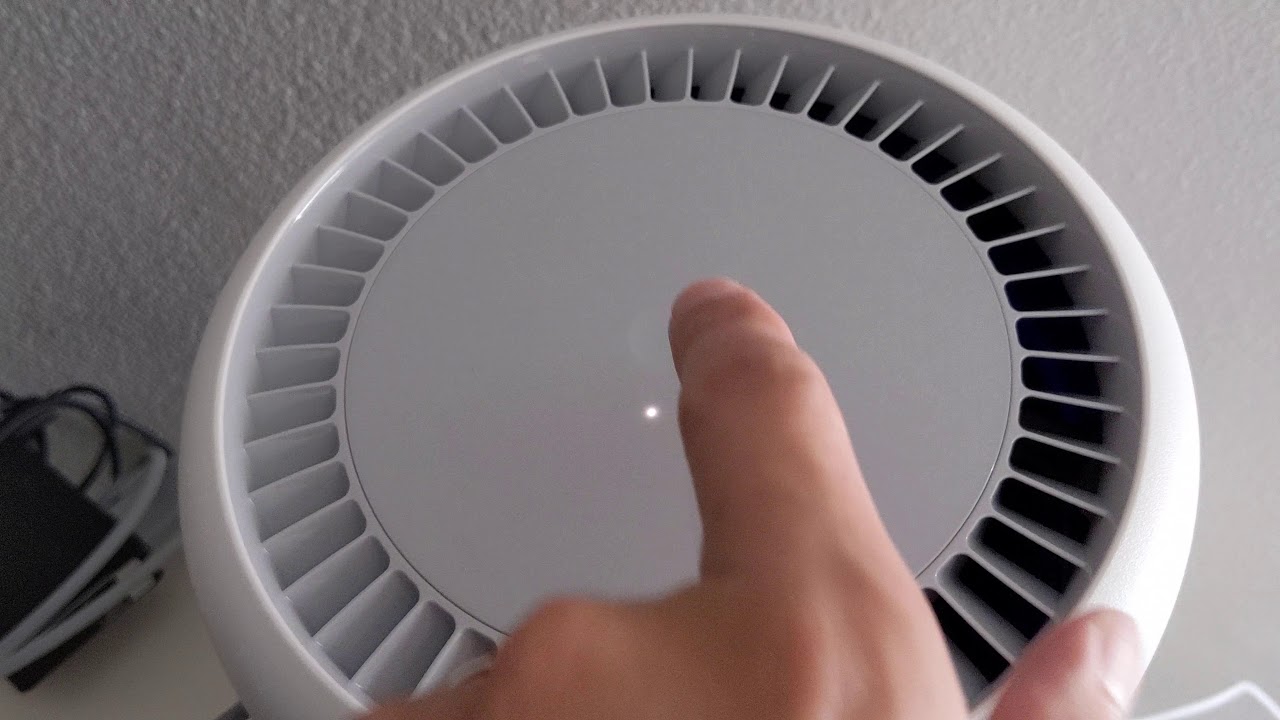
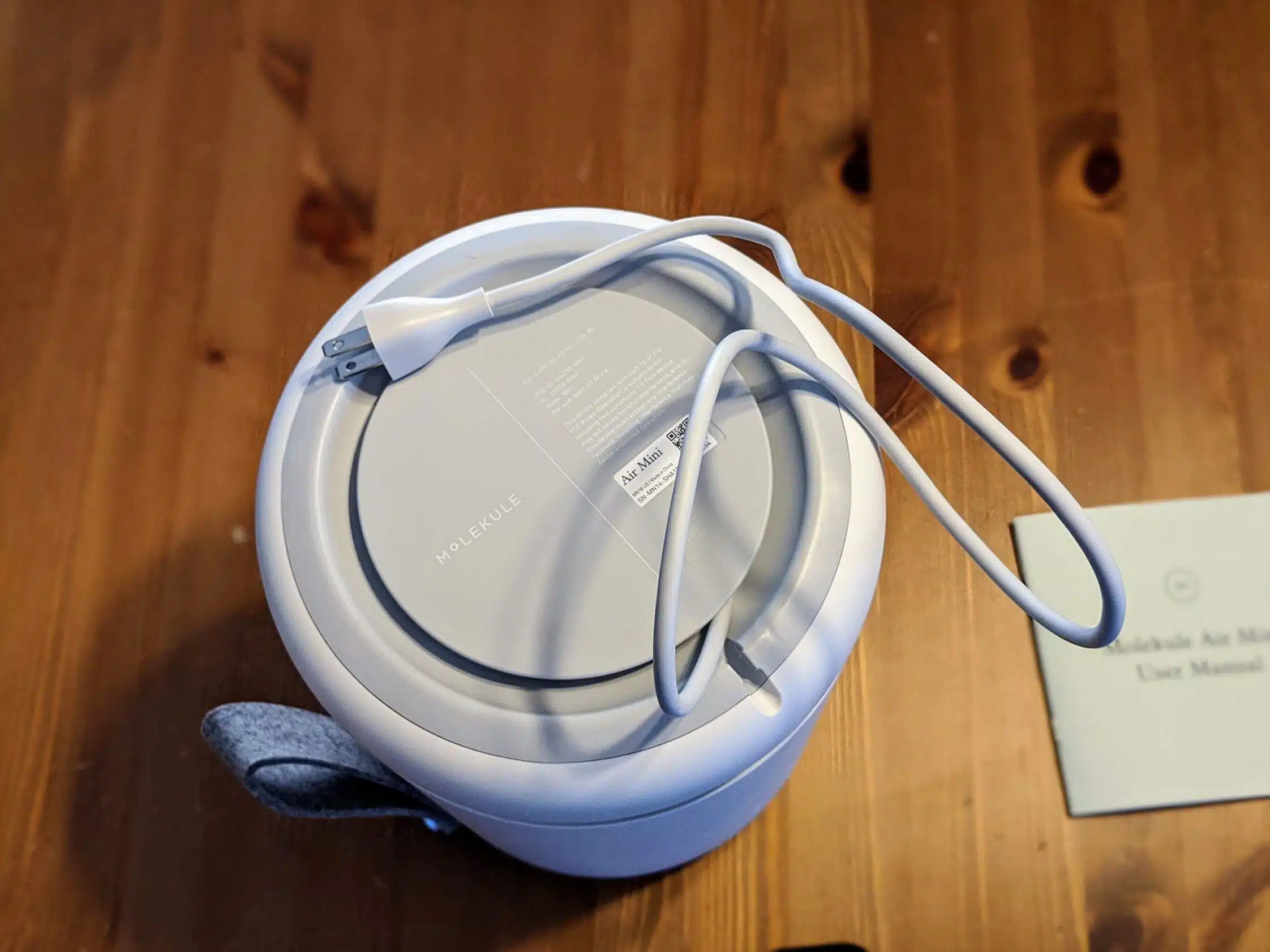
Molekule is one of the few purifiers I have tested that people actually compliment when they see it. It looks more like a piece of audio gear than an appliance, with a clean cylinder, fabric wrap and a simple touch surface up top. The leather style handle on the Mini makes it easy to carry between rooms and the cord wraps neatly underneath so you are not staring at a cable nest.
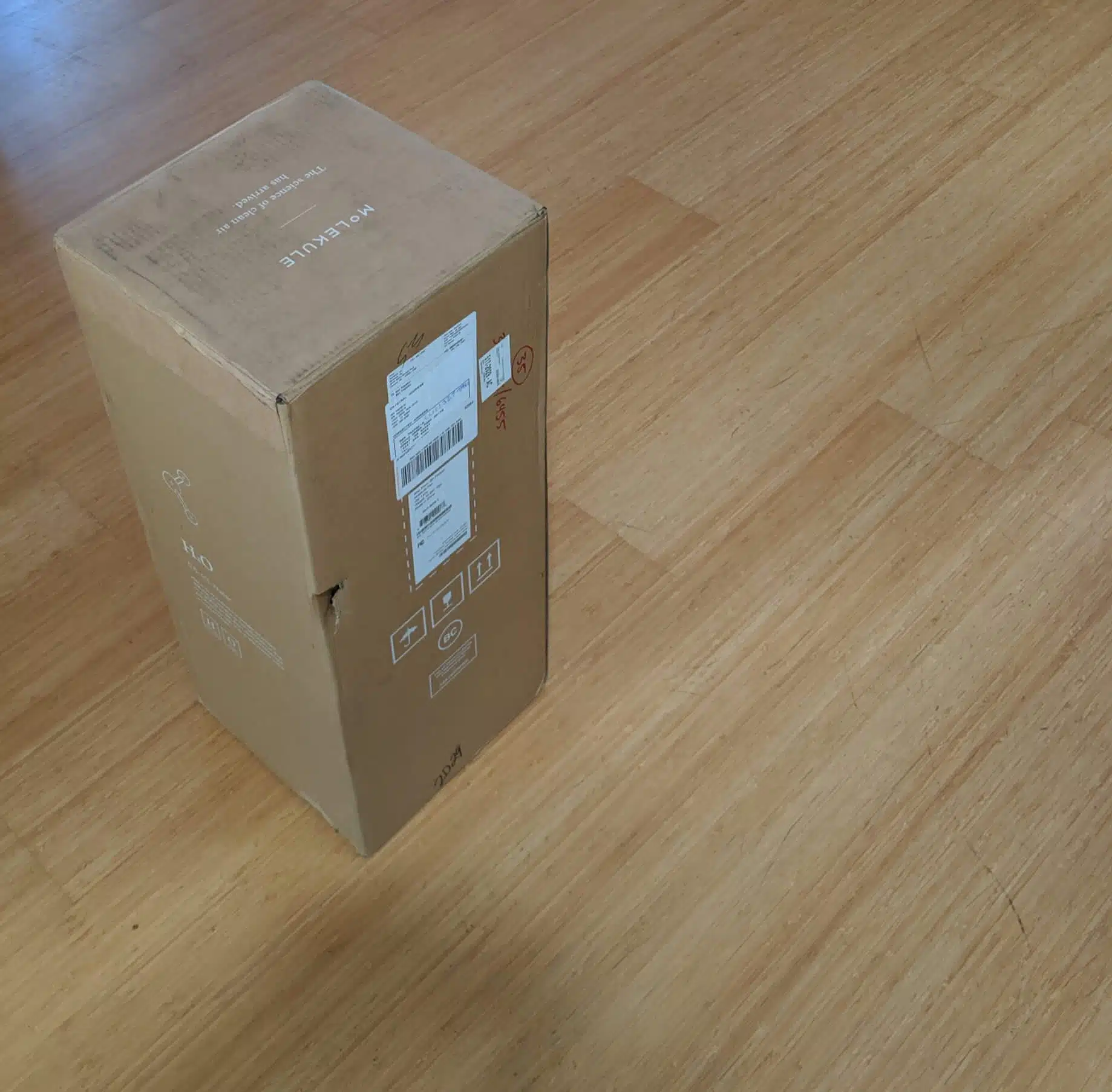
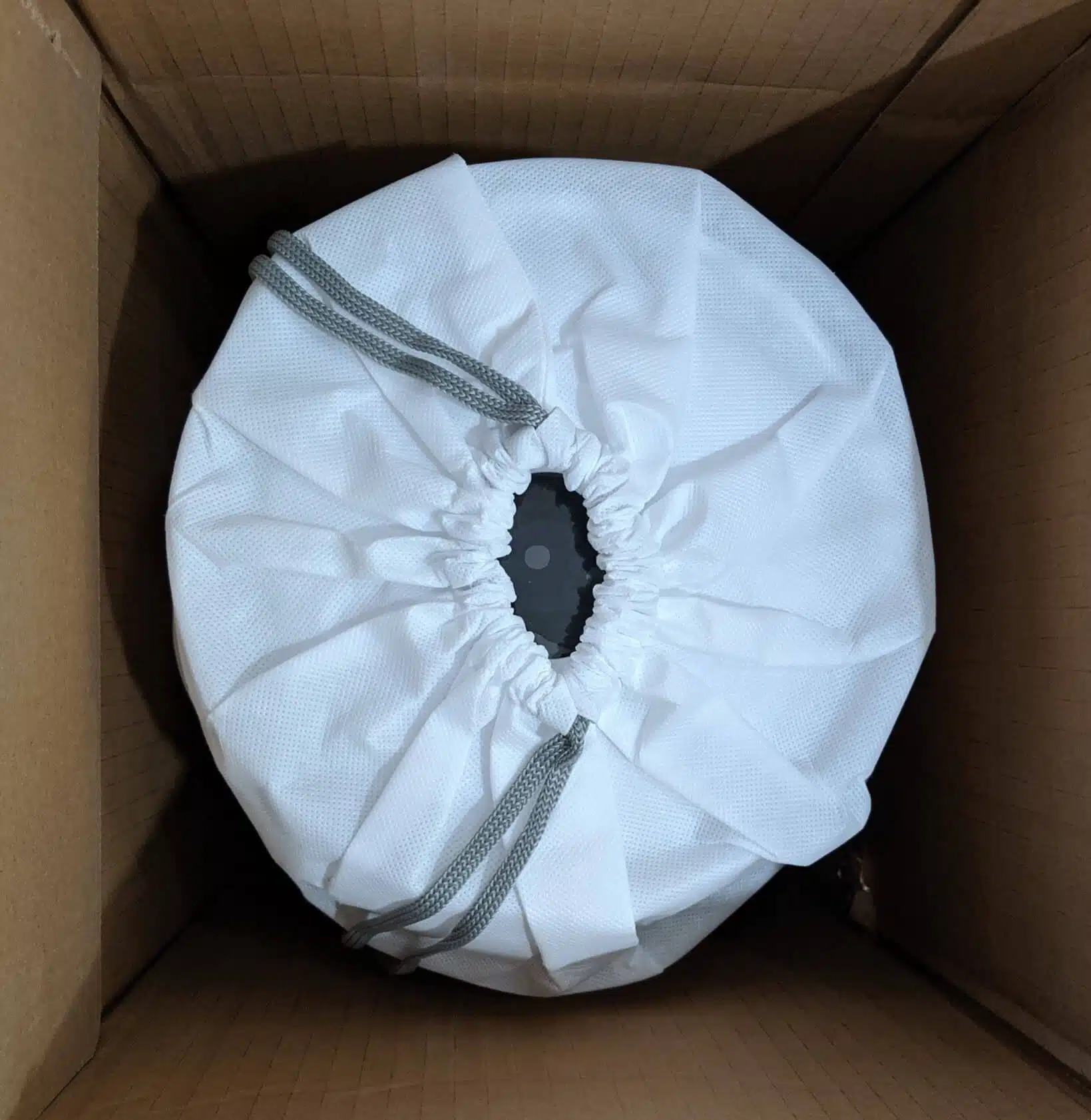
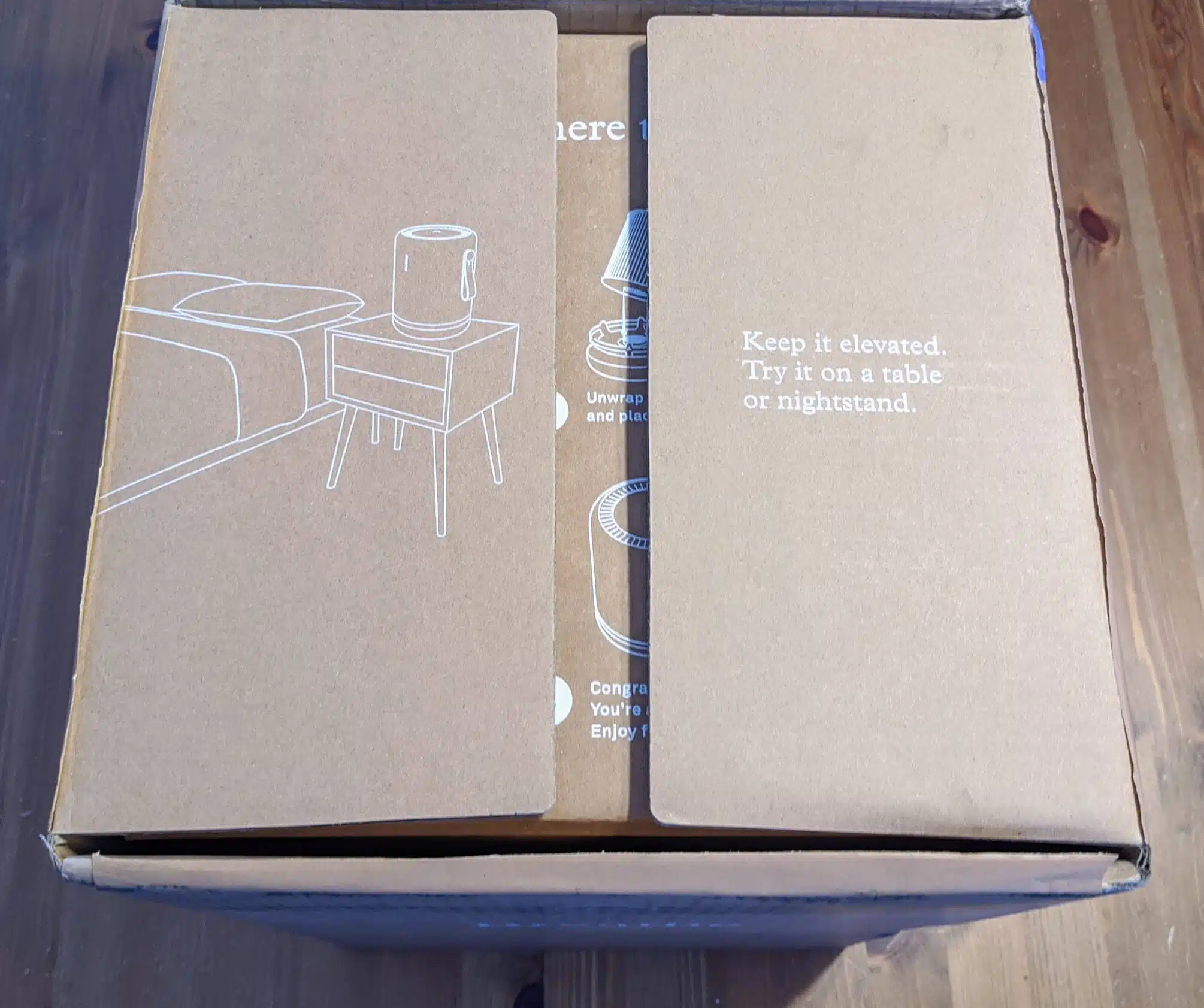
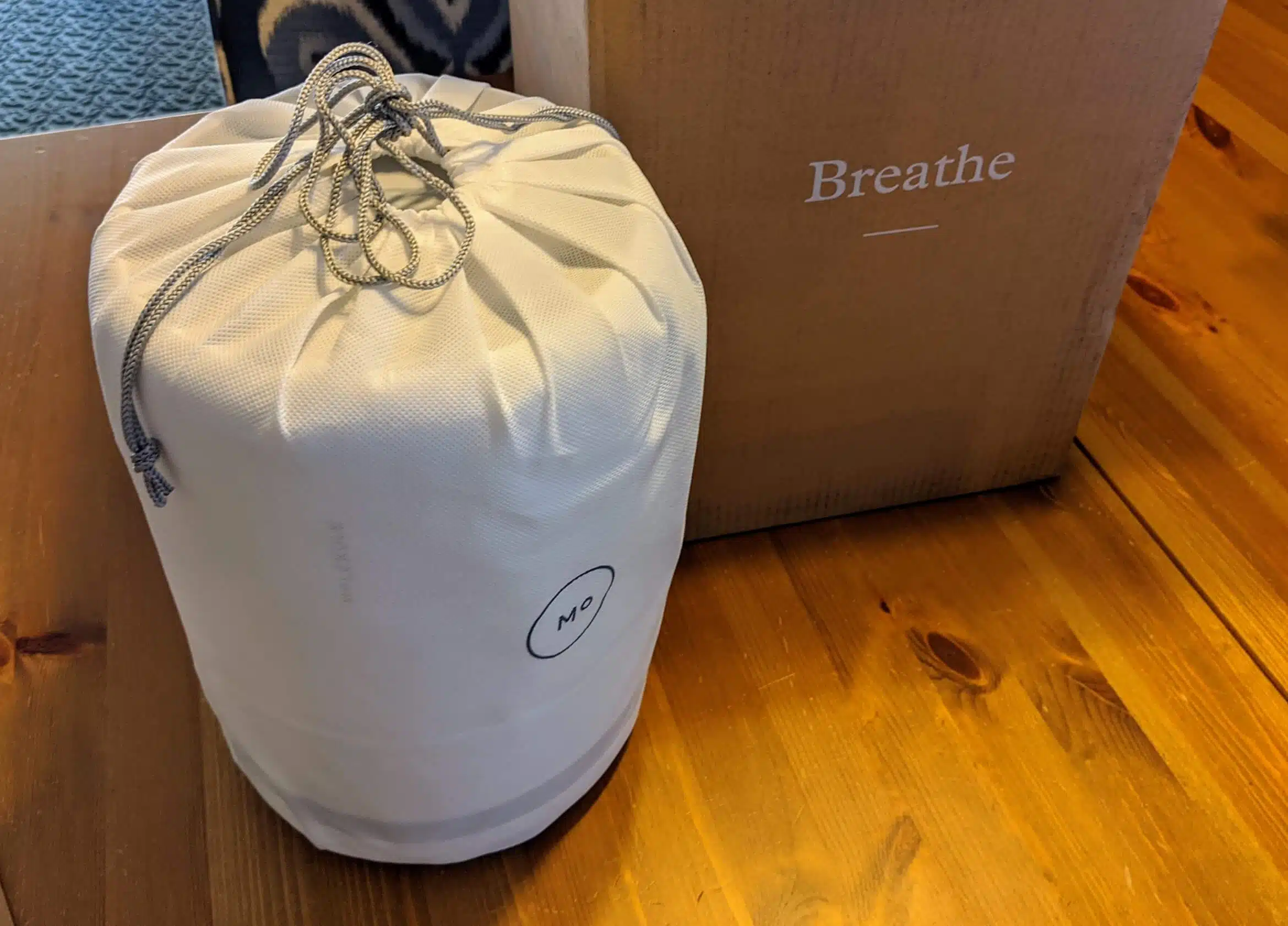
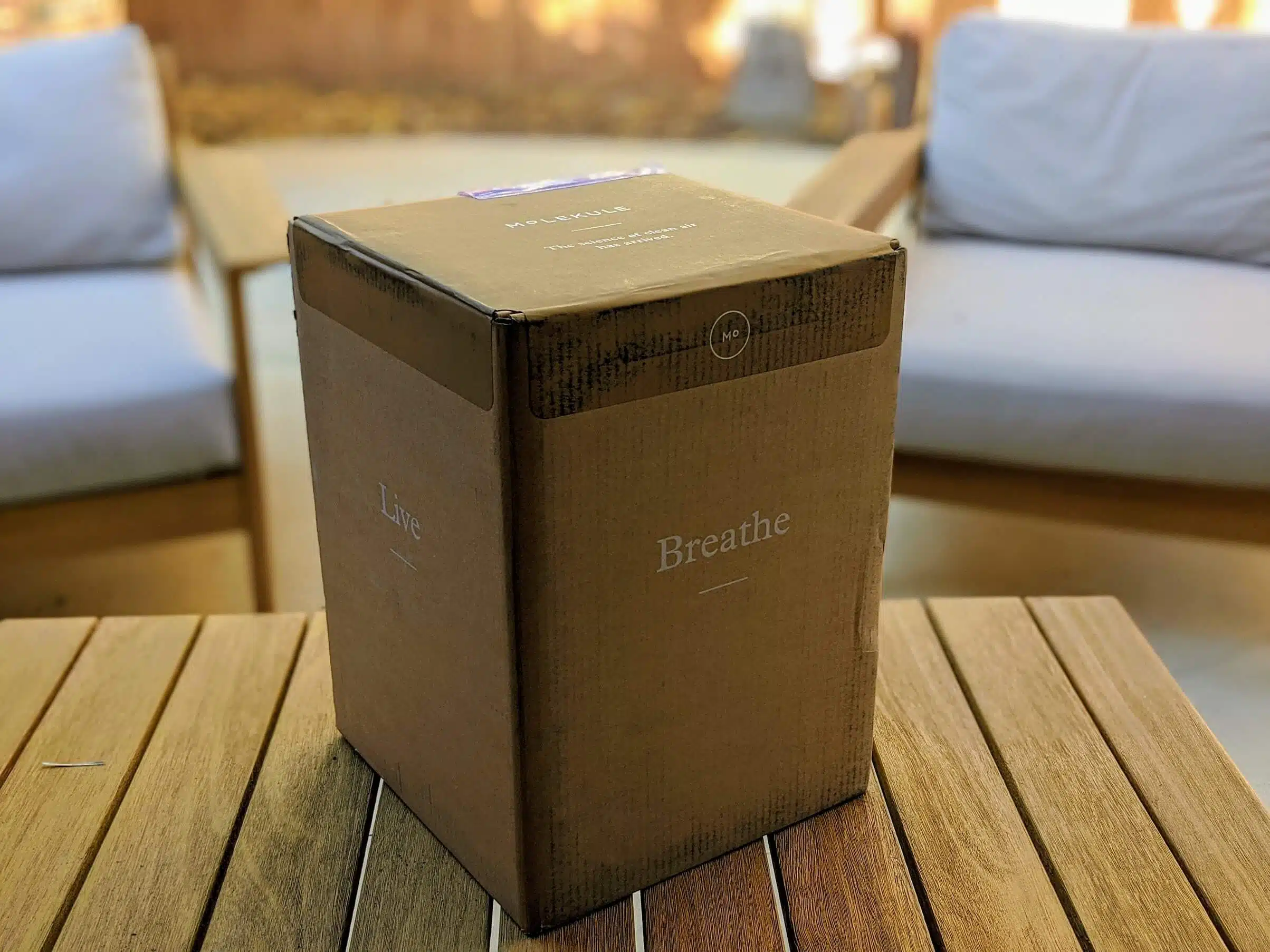
Out of the box, setup was basically plug in, lift it out of the bag and connect to WiFi through the app. The packaging is thoughtful: instead of more plastic, the purifier arrives in a reusable cloth bag inside the main box.
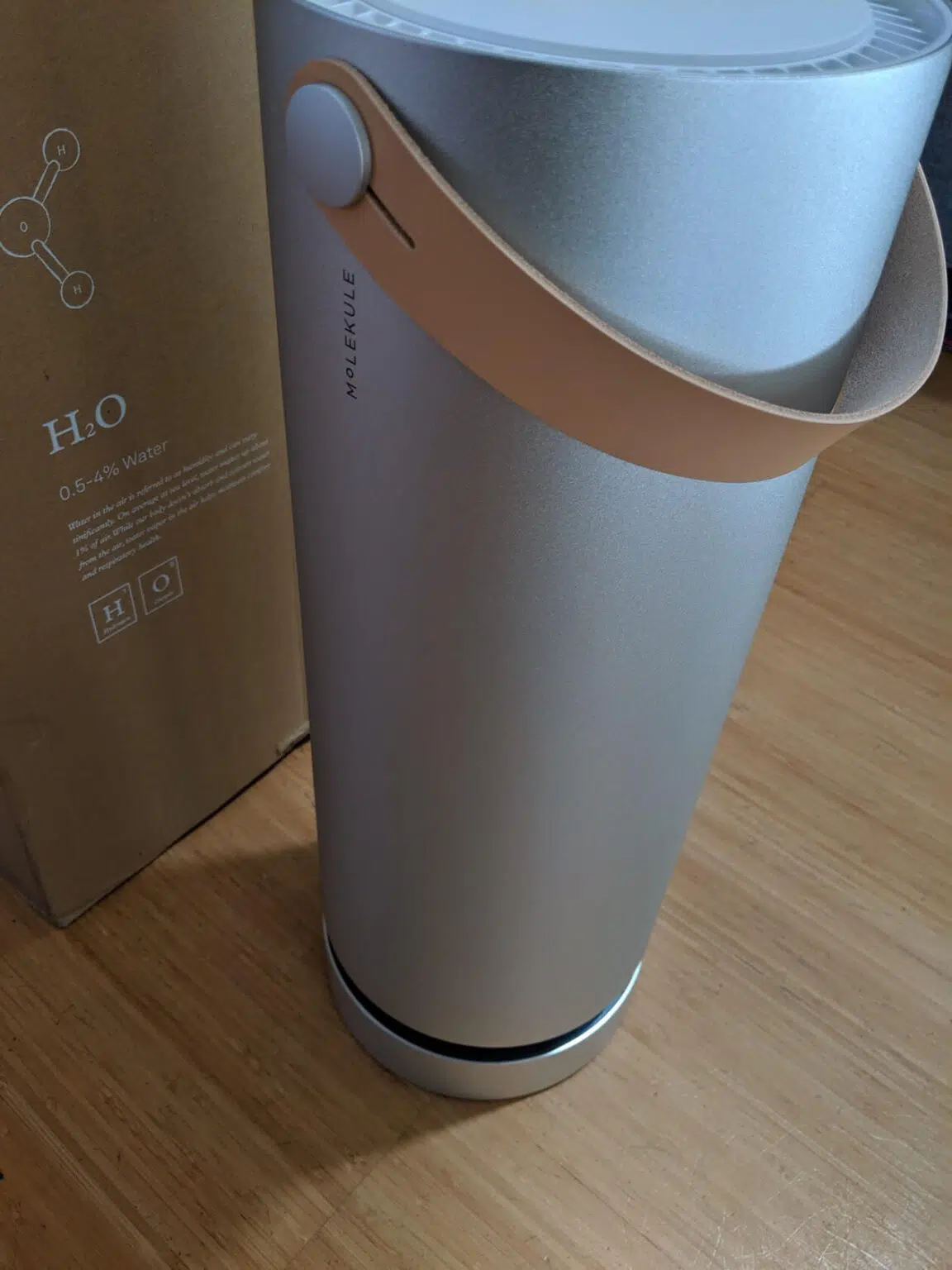
Noise is where the Mini shows both its strengths and weaknesses. On Silent and Low it fades into the background easily and works fine for sleep. On Boost it moves a lot more air but becomes the dominant sound in the room. In my own bedroom I leave it on Auto so it ramps up only when it sees a spike, or I lock it on Low overnight and Boost during the day when I am not in the room.
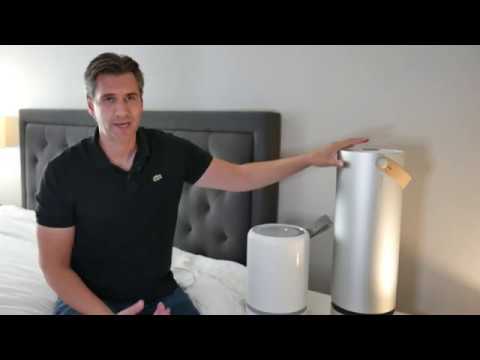
Setup, app and smart features
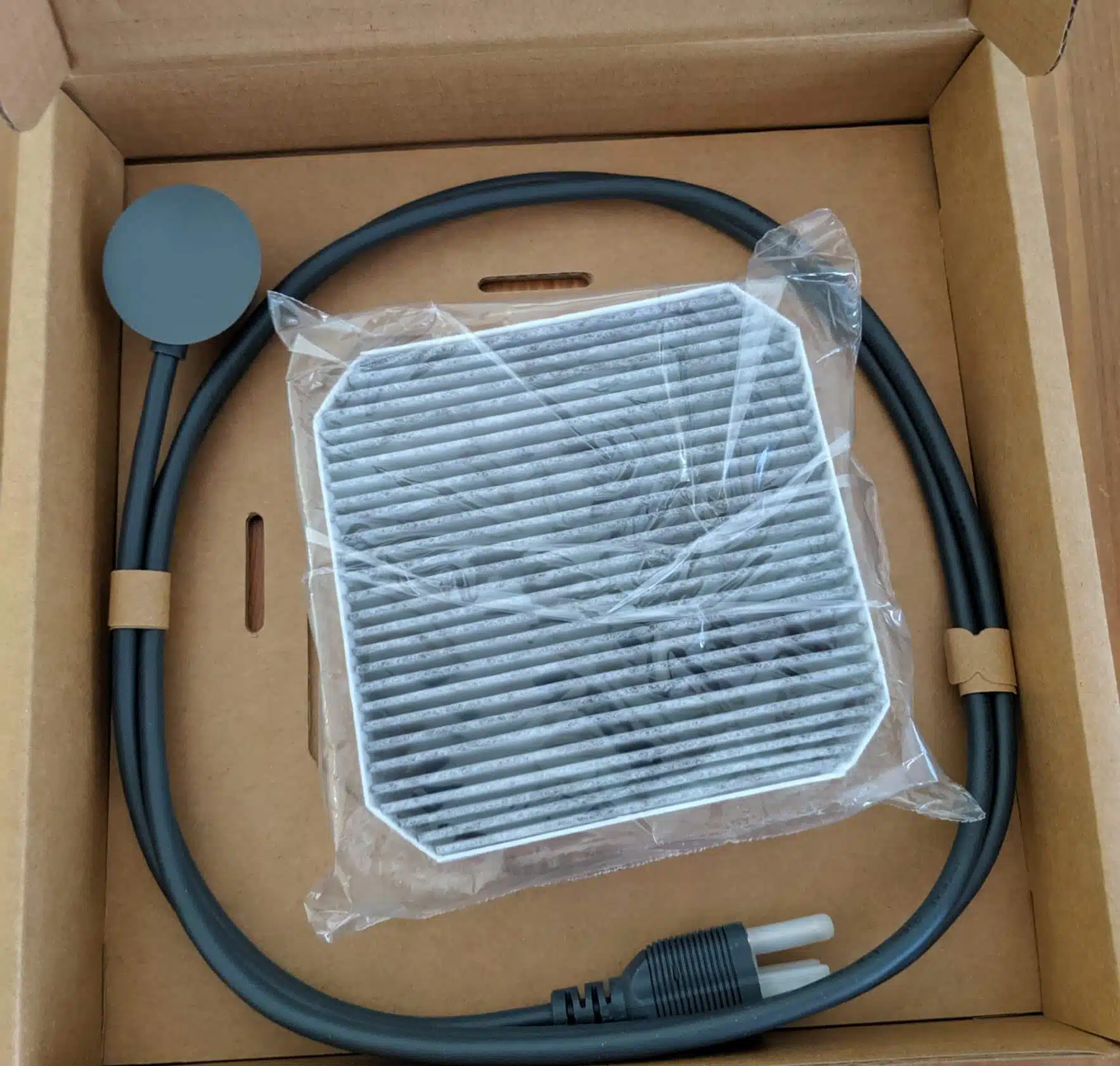
The current Molekule Air Mini Plus uses what the company now calls a PECO HEPA Tri Power filter. That means you get a HEPA layer to capture particles, a layer of activated carbon for gases and smells and the PECO catalyst that is activated by UV A light to break down pollutants at a molecular level.
The unboxing and setup process is simple:
- Lift the unit out of the cloth bag and remove protective plastic
- Plug it in and follow the on device prompts
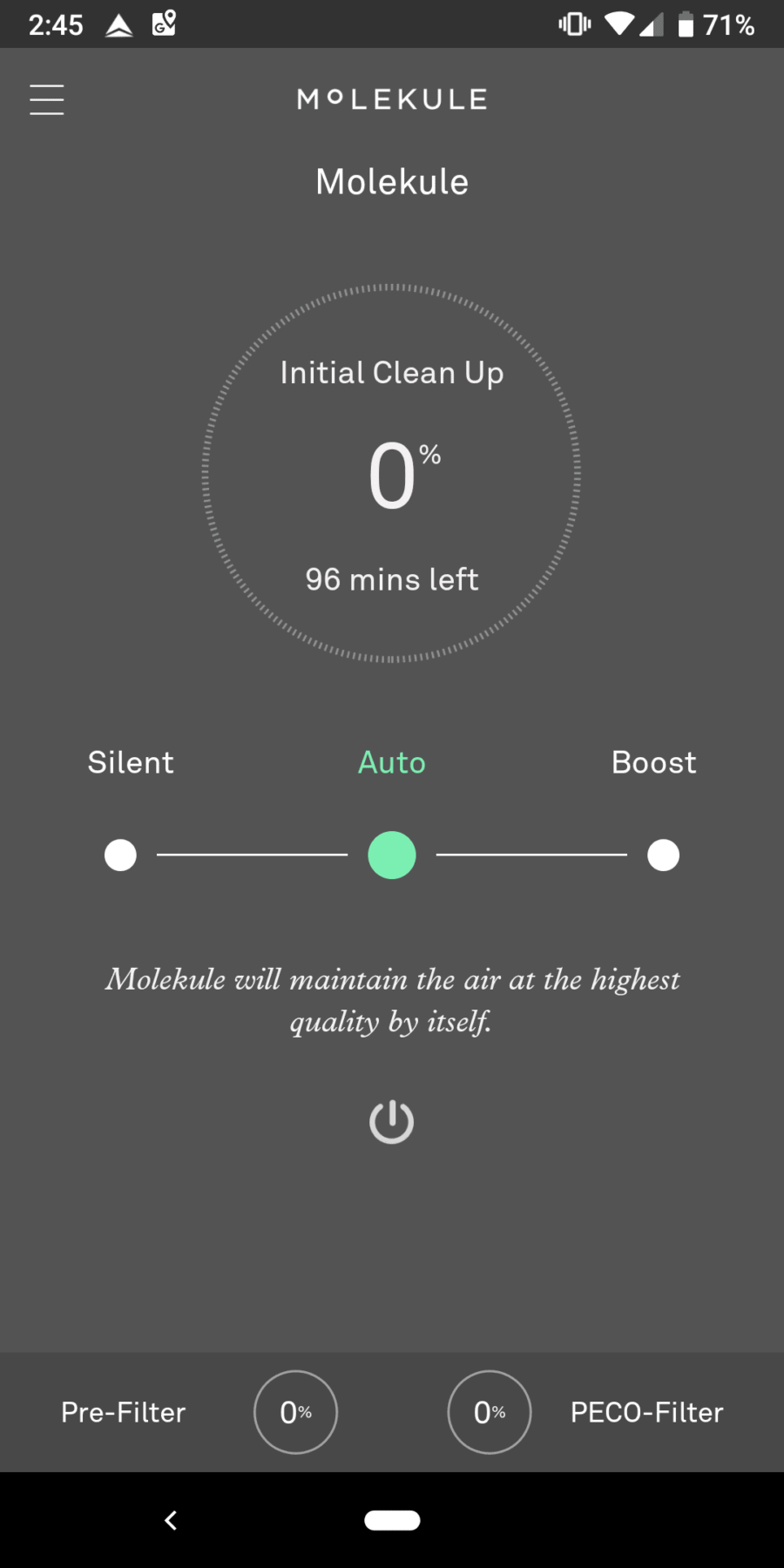
- Download the Molekule app, connect to your WiFi network and register the purifier
- Let it run an initial clean cycle, then switch to Auto or your preferred mode
The Mini Plus is rated for rooms up to about 250 square feet and includes a particle sensor so it can adjust the fan automatically in Auto mode. In the app you can:
- Monitor particulate levels over time
- Switch between Silent, Low, Medium, High and Boost
- See remaining filter life and manage filter subscriptions
- Use scheduling so it runs harder at certain times of day
PECO vs HEPA in real use
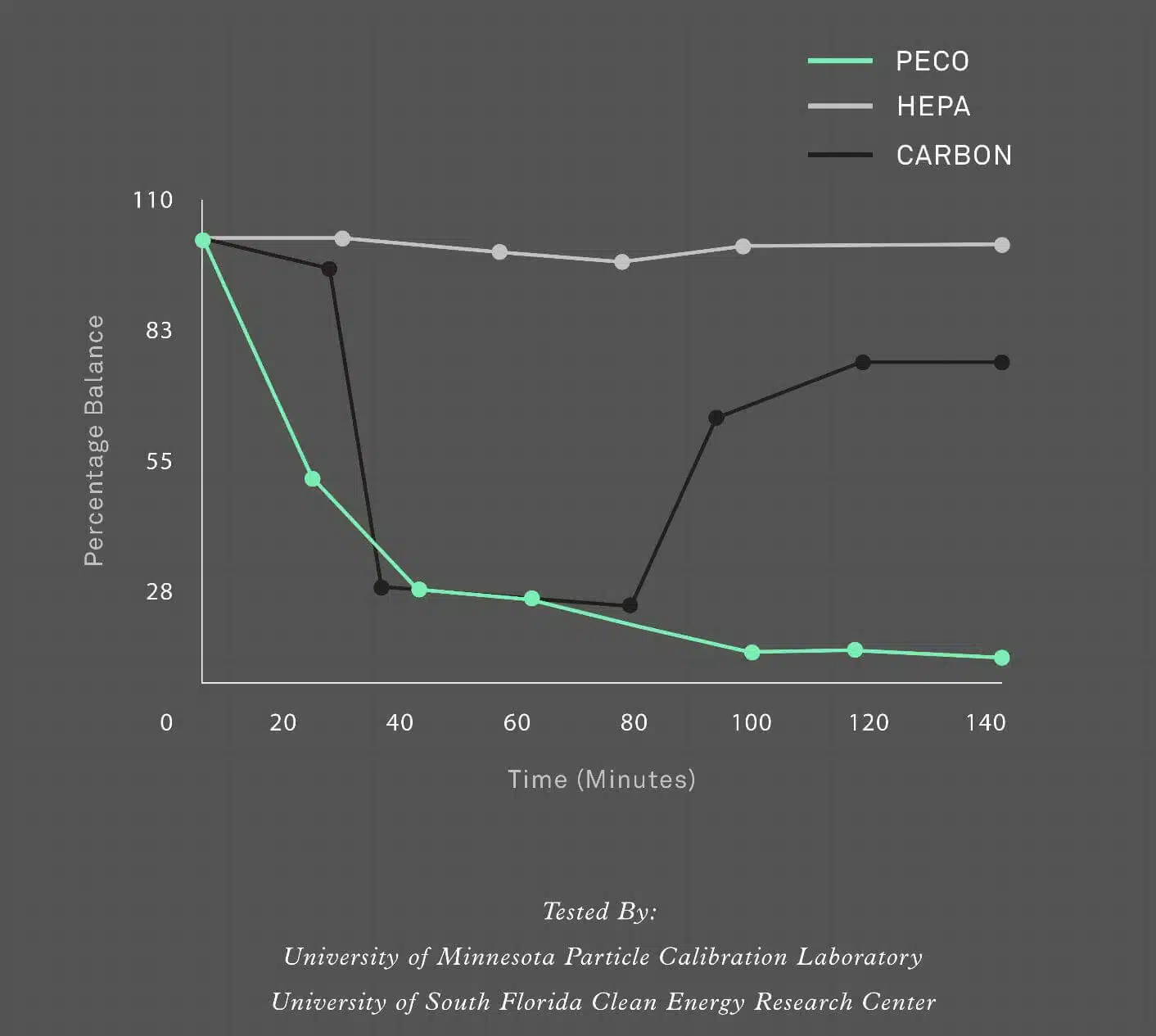
Instead of only trapping particles like a normal HEPA filter, PECO uses light activated chemistry on the filter surface to break pollutants down into carbon dioxide and water. In manufacturer supported lab tests, PECO has shown the ability to reduce VOCs and tiny bioaerosols that are smaller than what standard HEPA is designed to catch.
In my house the difference shows up most clearly when I am unboxing foam mattresses. A typical HEPA purifier will eventually remove the smell, but it can take a couple of days before the room feels neutral. With Molekule running in Boost for the first afternoon and then on Auto, new mattress smell faded noticeably faster and my usual morning congestion almost disappeared by day two.
Independent testing is less generous. Some labs have found that the original Air and Air Mini cleaned smoke particles more slowly than cheaper HEPA units, especially when judged purely on CADR scores. That tells me the sweet spot for Molekule is not dust storms in a big living room, but steady background cleaning in a bedroom where odors, VOCs and allergy triggers matter more than raw speed.
Is Molekule better than a HEPA filter?
Short answer: it depends what you care about. Molekule’s PECO HEPA filter does three jobs at once. The HEPA media captures particles, the carbon handles gases and smells and the PECO catalyst uses light to break some pollutants apart instead of only holding them. A traditional HEPA purifier focuses on efficiently capturing particles and often uses a carbon pad for some odor reduction.
In my bedroom, Molekule wins on smell control, allergy relief and looks. A good HEPA unit wins on dollars per cubic foot of air cleaned, especially for larger spaces. If you have serious wildfire smoke coming through your windows, a high CADR HEPA purifier like Coway AP 1512HH or Blueair Blue Pure often gives more raw firepower for less money, while Molekule leans into chemistry and design.
Long term value and ownership experience
Molekule is honest to own in the sense that you know you are paying a premium. The Air Mini and Mini Plus sit in the higher end of the small room purifier category. Filter subscriptions add an ongoing cost that is higher than most HEPA units in this size range.
In my house, the value comes from a few specific upgrades:
- Noticeable drop in morning sneezing and congestion when it runs overnight
- Clearly faster reduction in foam mattress and paint smells compared with my older HEPA purifier
- A design that does not look out of place in a bedroom and is easy to move and live with
On the other side of the ledger, you are paying more for less coverage, you may see less dramatic particle reduction numbers than some review sites expect and you are locked into more expensive filter cartridges. For many people a strong HEPA purifier is the smarter first purchase. Molekule makes more sense if you have already tried HEPA and want better odor and VOC handling in a small space, or if design and quiet low speed operation are high priorities.
Who the Molekule Air Mini Plus is for
- People with allergies or asthma who want a premium small room purifier focused on gases, smells and fine particles
- Anyone unboxing new mattresses or furniture often and wants off gassing to clear faster
- Light sleepers who need quiet low fan speeds and do not want an ugly appliance in the bedroom
- Tech forward shoppers who like app control, air history and a design that feels more like a piece of decor
Not ideal if you want maximum coverage for the lowest price, want one purifier to handle a large open floor plan, or you are very sensitive to ongoing filter costs.
Price, filters and subscriptions
Molekule sells a small lineup of purifiers built around the same PECO HEPA idea: Air Mini / Mini Plus for rooms up to about 250 square feet, Air Pro for larger spaces and some business focused units from the AeroClean side of the company. Pricing moves with promos, but the Minis live in that mid to upper tier of the small room category.
Filters are where you need to do the math. The typical recommendation is:
- PECO HEPA Tri Power filter: replace about every 6 months
- Pre filter layer: built into the main cartridge for the Mini, so the whole piece gets swapped
You can buy filters one off or subscribe at a discount. Over a three year window the total cost of the purifier plus filters ends up higher than many HEPA competitors, so it is worth looking at the numbers based on how long you plan to keep it.
See today’s best Molekule dealAlternatives to Molekule
Here is how the Molekule Air Mini Plus compares with a few widely recommended HEPA purifiers:
| Model | Technology | Recommended coverage | Key specs | Approx price* | Best for |
|---|---|---|---|---|---|
| Molekule Air Mini Plus | PECO HEPA with carbon | Up to ~250 sq ft | PECO catalyst plus HEPA and carbon, Auto mode with particle sensor, app control | Premium small room pricing | Small bedrooms and offices where smells, VOCs and looks matter |
| Blueair Blue Pure 411i Max | HEPASilent (HEPA plus electrostatic) with carbon | Small to medium rooms | WiFi and app, air quality sensor, strong CADR for size, simple filter drum | Usually below Molekule Mini | People wanting high particle removal and smart features for larger coverage |
| Coway AP 1512HH Mighty | True HEPA plus carbon and ionizer | Up to ~361 sq ft | CADR up to mid 200s, Auto mode, eco mode, long track record | Often mid price range | Value shoppers who want strong classic HEPA performance |
| IQAir Atem | HyperHEPA plus carbon | Personal / small area | High efficiency filter, quiet operation, optional car kit | Similar ballpark to Molekule Mini | Travel, desk and bedside use where ultra fine particle capture is key |
*Prices move constantly. These ranges are ballpark impressions based on recent listings and sales and should be checked against current offers before you buy.
How I test air purifiers
For Molekule I focused on bedroom and office use, not lab grade CADR testing. My process included:
- Running Molekule Air and Air Mini in rooms between about 150 and 300 square feet with doors and windows closed
- Unboxing new foam mattresses in the room and tracking how long odors persisted compared with a comparable HEPA unit
- Subjective allergy tracking: morning sneezing, nasal congestion and eye irritation with and without the purifier running overnight
- Spot checking with an inexpensive PM2.5 sensor to see relative changes when I turned the unit off and on
- Reviewing manufacturer data, independent VOC and bioaerosol tests and third party product reviews to cross check my impressions
Video walk-throughs:
FAQ
Is Molekule better than a HEPA filter?
Molekule is different rather than flat out better. A classic HEPA purifier is a particle workhorse that captures dust, pollen and smoke with very high efficiency and often at a lower total cost of ownership. Molekule’s PECO HEPA approach aims to go further by also breaking down certain gases, odors and tiny bioaerosols on the filter surface. In my experience Molekule does a better job with chemical smells and lingering off gassing, while high CADR HEPA units often win on raw particle removal speed and cost per square foot of coverage.
Is Molekule worth it long term?
If you want one purifier to cover a large open space as cheaply as possible, probably not. You can get more coverage and faster particle removal from a good HEPA purifier for less money. If you have a smaller bedroom and you care a lot about odor control, VOC reduction, aesthetics and quieter low fan speeds, the Air Mini Plus can absolutely be worth it. Just go in knowing that filters and electricity will cost more than simpler HEPA units over a five year window, and that some independent testers have been underwhelmed when they only looked at CADR.
Does Molekule detect mold?
Molekule does not specifically detect mold or tell you “you have mold in this room.” The Air Mini Plus and Air Pro include particle sensors that can detect changes in particulate matter but they do not identify exact sources. The PECO HEPA filter can capture and help destroy airborne mold spores and other biological particles as air passes through, so it can be part of a mold strategy, but you still need to fix moisture issues at the source and use professional testing if you suspect a serious mold problem.
Who owns Molekule now?
Molekule started as a family company built around the Goswami family’s PECO research. In January 2023, AeroClean Technologies completed an all stock merger with Molekule and the combined company is now Molekule Group Inc, trading under the ticker MKUL. That means the brand is now part of a larger public company, with ownership split between former AeroClean and Molekule shareholders.