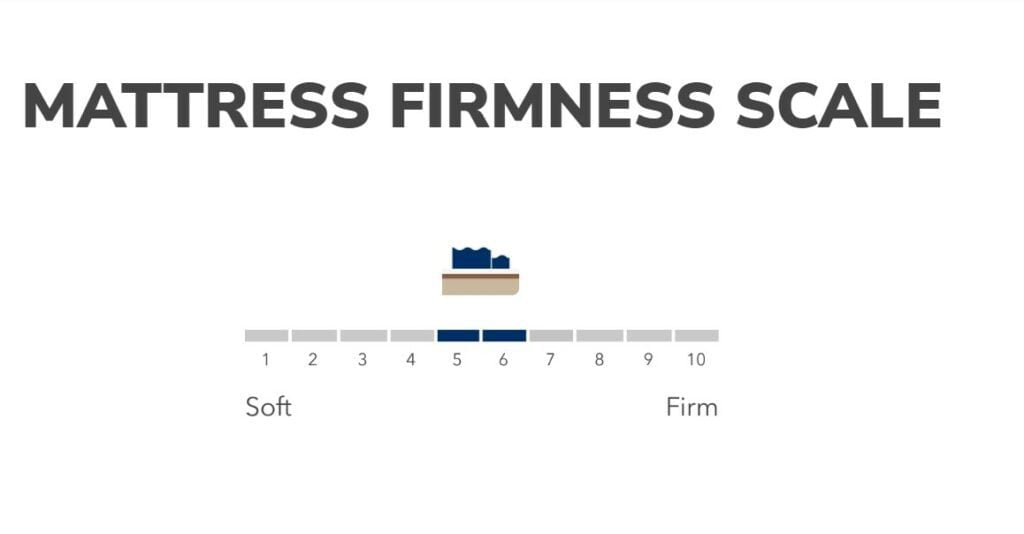
Quick answer: If your new mattress feels too firm, try these break-in, bedding and topper fixes before deciding whether to return it.
Not sure firmness is actually the problem? Start with our Mattress Problems & Solutions diagnostic guide to rule out sagging, foundation, temperature and partner-related issues.
First: decide whether this is normal break-in or a real mismatch
A new mattress can feel firmer than the floor model or the mattress you are replacing. Foams need time under body heat and pressure, fibers settle, and your body is adjusting to a different support pattern. The useful question is not “does it feel firm?” but “is it getting more comfortable week by week?”
7 things to try before returning a mattress that feels too firm
- Sleep on it consistently. Occasional use slows the adjustment process.
- Check the room temperature. Some foams feel firmer in a cool room and soften as they warm.
- Inspect the protector. A taut, non-stretch protector can make a soft comfort layer feel tighter.
- Verify the foundation. A very rigid base can make some mattresses feel firmer than expected; use only support systems approved by the manufacturer.
- Use softer bedding. A quilted pad can take the edge off mild surface firmness without dramatically changing support.
- Try a topper only if the mattress is otherwise supportive. A 2- to 3-inch pressure-relieving topper can help when the problem is surface comfort rather than alignment.
- Re-evaluate your pillow. A mattress that changes shoulder sink often changes the pillow loft you need.
Too firm by sleep position
| Sleep position | Typical sign | What may help |
|---|---|---|
| Side | Shoulder/hip pressure, numb arm | Softer comfort layer or topper |
| Back | Gap under lumbar area, generalized stiffness | Slightly more contouring; check pillow height |
| Stomach | Usually tolerates firmer beds better | Be cautious about over-softening |
Topper or return?
Use a topper when the mattress has the right underlying support but needs a little more cushioning. Do not spend hundreds trying to rescue a bed that feels fundamentally wrong. If you are still in the trial period and the topper merely hides a poor fit, exchanging the mattress is usually cleaner.
When firmness probably will not improve enough
- you still wake with strong shoulder or hip pressure after several weeks
- you cannot comfortably fall asleep in your normal position
- the mattress is several firmness levels away from what you intended to buy
- you are adding multiple layers just to tolerate it
A practical first-week checklist
- Confirm the model and firmness. Compare your order confirmation and mattress label with the showroom model or product page. Different firmnesses and generations can have similar names.
- Check the setup. Make sure the foundation meets the manufacturer’s requirements and the mattress is oriented correctly. Do not flip a one-sided mattress or add an unapproved base.
- Try the protector and pillow. A tight protector can restrict how a comfort layer moves. When testing, keep the mattress protected and follow the trial rules; adjust pillow height if your shoulder sinks differently.
- Track the result. Note where pressure occurs and whether the feel changes. Contact the seller before the trial deadline if the bed remains uncomfortable rather than waiting through worsening pain.
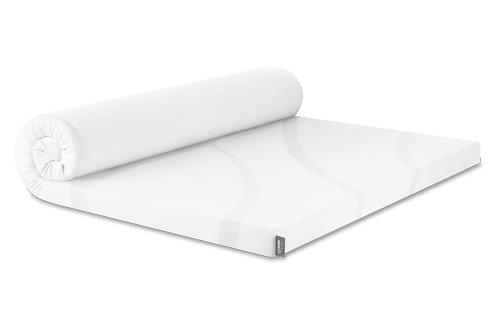
When a topper makes sense
A topper can soften the surface of an otherwise supportive mattress. Compare the material, thickness and the topper’s own return policy. A thinner pad can make a modest difference; a thicker, softer topper changes the feel more and may not suit every sleeper. If the mattress is fundamentally wrong, compare the cost of a topper with an exchange.
Ask the original seller whether a comfort adjustment or exchange is available. For example, Helix describes a complimentary topper program for eligible customers. Manufacturer and retailer policies may differ, so confirm the terms that apply to your order.
When to seek advice
Pressure from a firm mattress can feel uncomfortable, but persistent numbness, weakness or worsening pain should not be diagnosed as a mattress problem. Contact a healthcare professional for symptoms that persist or concern you.
Frequently asked questions
Will a firm mattress soften over time?
Some materials change feel with use, but the amount varies. A break-in period does not guarantee that a mattress will become the right firmness.
How can side sleepers soften a firm mattress?
Check the protector and pillow first. If the mattress is otherwise supportive, consider a softer topper that provides more cushioning at the shoulder and hip.
Will a topper void my mattress trial?
Rules vary by seller and product. Ask the seller and read the written trial terms before adding a topper, and keep track of the original deadline.
Check the return deadline before experimenting
Many brands require a minimum break-in period, but the total trial still has an end date. Mark that date before you start experimenting with toppers or bedding. See our mattress break-in guide, topper decision guide, and return-policy hub.