
Quick answer: Confirm that the pest is a bed bug, contain affected belongings, and use a coordinated treatment plan. Bed bugs hide beyond the mattress, so a spray, laundry additive or mattress cover alone is unlikely to eliminate an infestation. An experienced pest-management professional can help inspect, treat and follow up.
Bed bugs can turn up in clean homes and hotels. A rash or an itchy bite does not establish that bed bugs are present; other insects and skin conditions can look similar. This guide summarizes U.S. Environmental Protection Agency and Centers for Disease Control and Prevention guidance, checked October 28, 2026.
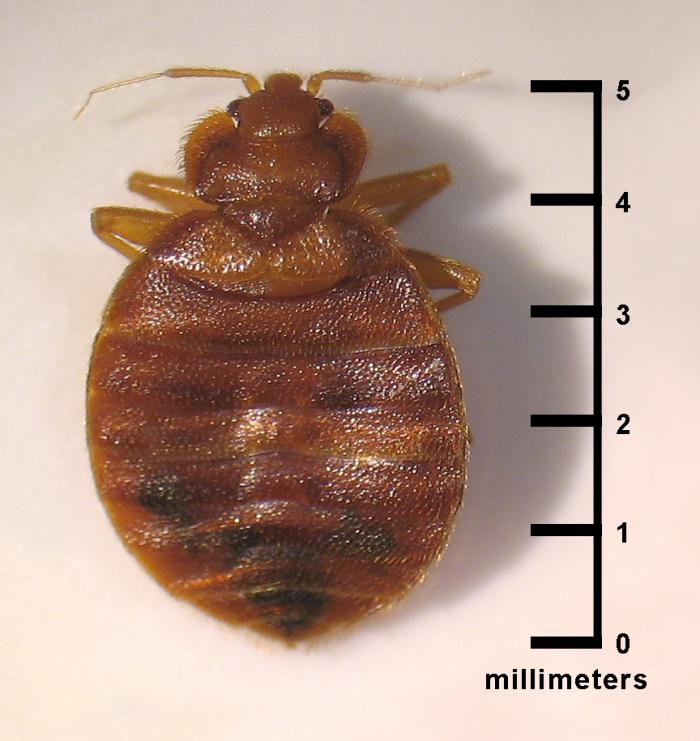
1. Look for evidence and confirm the pest
Use a flashlight to inspect mattress seams and labels, box-spring seams, joints in the bed frame and headboard, and nearby furniture. Look for live insects, shed skins, tiny pale eggs and dark or rusty spots. Spots alone are not proof. If you find a suspect insect, collect it in a sealed clear bag or container and ask a pest professional or local cooperative extension office to identify it.
Reactions can take days to appear, and some people do not have visible marks. A line or cluster of bites cannot reliably diagnose an infestation. See our guide to possible bed bug bites and signs.
2. Keep the problem from spreading
- If you rent or live in a shared building, notify management promptly; nearby units may need inspection.
- Keep potentially affected items contained in sealed plastic bags when moving them for treatment. Avoid carrying loose bedding or furniture into other rooms.
- Reduce clutter in the affected area without relocating untreated items elsewhere. Follow the preparation instructions from your pest professional.
- Vacuum visible bugs and hiding places. Seal the vacuum bag or contents and put them in an outdoor trash container promptly. Vacuuming reduces the number of bugs but does not reliably eliminate an infestation.
3. Heat-treat suitable clothing and bedding
For items that can safely withstand it, the EPA recommends a household dryer on high heat for 30 minutes. Washing alone generally will not kill all bed bugs. Check the fabric care label first; ask the pest professional about an alternative for heat-sensitive items. Transport untreated laundry in sealed bags and place treated items in clean sealed bags until the room is treated.
Do not rely on an unverified laundry additive or air-drying to kill bed bugs. For luggage and other items that cannot go in the dryer, ask about a purpose-built treatment device or professional treatment and follow the device instructions.
4. Protect and monitor the bed
Use a sturdy, fully zippered encasement specifically tested for bed bugs on the mattress and, if present, the box spring. Close it completely, inspect it for tears and leave it on for at least a year, following EPA guidance. An ordinary fitted waterproof protector does not necessarily seal all sides or provide bed-bug protection. An encasement traps bugs already inside it and reduces hiding places, but it does not treat the rest of the room.
Bed-leg interceptors can help monitor activity. For them to work as intended, keep the bed away from walls and bedding off the floor, and address bugs already on the bed and frame. Inspect traps regularly and follow the pest professional’s monitoring plan.
5. Choose treatment carefully
An experienced pest-management company can inspect the space, explain its treatment plan and arrange follow-up. EPA describes integrated pest management as a combination of inspection, containment, nonchemical methods and, when needed, appropriately used pesticides. Treatment can take weeks or months and may require more than one visit.
If using a pesticide yourself, choose an EPA-registered product labeled for bed bugs and follow every label direction, including the specific surfaces and locations where it may be used. Do not apply a product to a mattress, bedding, clothing or skin unless the label specifically permits that use. Foggers alone do not reach all hiding places and improper use can cause harm.
Steam can help treat accessible seams and crevices, but it must be used correctly; a strong blast can scatter insects. EPA specifies steam of at least 130°F with a diffuser and cautions against forceful airflow. Check the material’s care instructions and avoid burns or excess moisture. Do not assume a steamer’s advertised boiler temperature guarantees effective treatment at the surface or that steam alone treats the whole infestation.
What to avoid
- Rubbing alcohol, gasoline or kerosene: these can ignite and are unsafe ways to treat a home.
- Space heaters, fireplaces or turning up the thermostat: these do not reliably treat the room and can cause a fire.
- Pool- or food-grade diatomaceous earth: EPA warns that inhaling these products can be harmful. Follow pesticide labels and use only products intended and registered for pest control.
- Moving or discarding furniture without a plan: this can spread bugs. Many items can be treated; if disposal is necessary, coordinate with the pest professional and local waste service, and clearly mark the item.
When should you replace a mattress?
A bed bug infestation does not automatically mean you need a new mattress. Ask the pest professional whether treatment and a bed-bug-tested encasement are appropriate. If the mattress must be discarded, contain and label it according to local disposal guidance. Resolve the infestation before bringing in a replacement, or the new bed can become infested too.
Sources
EPA: Do-it-yourself bed bug control; EPA: Preparing for treatment; EPA: Safe and legal treatment; CDC: Identification and diagnosis; CDC: About bed bugs.