Coccyx Cushion vs. Regular Seat Cushion (2026): Which Shape Is Better?
Quick answer: A coccyx cushion has a rear cutout intended to reduce direct contact beneath the tailbone area. A regular seat cushion supports the full sitting surface and usually spreads pressure more evenly across the pelvis and thighs. Choose the cutout when direct rear-center pressure is the specific problem; choose a regular contoured cushion when you mainly want broader cushioning and pressure distribution.
A cushion can change sitting comfort and pressure distribution, but it is not a diagnosis or treatment for persistent tailbone, back, hip or nerve-related symptoms.
Current Examples: Cutout vs. Contoured Cushion
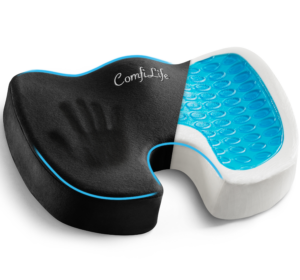
Cutout example: ComfiLife Gel Enhanced
The rear U-shaped opening makes this a useful example of the coccyx-cushion category. Whether it feels better depends on whether the opening lines up with the pressure point you are trying to avoid.
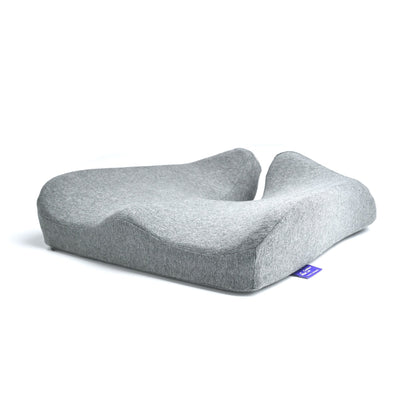
Contoured example: Cushion Lab Cloud Cradle
This style keeps support across the rear sitting surface and uses sculpted contours to distribute weight. It is the more general-purpose direction if you do not specifically need an open rear-center cutout.
A cushion can change sitting comfort and pressure distribution; it does not diagnose or treat persistent tailbone, back, hip or nerve-related symptoms. As an Amazon Associate, Yawnder earns from qualifying purchases.
Coccyx vs. Regular Seat Cushion at a Glance
| Feature | Coccyx Cushion | Regular Seat Cushion |
|---|---|---|
| Shape | Rear U- or V-shaped cutout | Full rear edge or general contour |
| Main goal | Reduce direct pressure beneath tailbone area | Spread sitting pressure across a larger surface |
| Best fit | People bothered by direct rear-center contact | General desk, travel and chair comfort |
| Position sensitivity | Higher—the cutout must line up correctly | Usually more forgiving |
| Travel | Can work, but shape may be bulky | Thin versions are easier for cars/planes |
| Potential downside | Can shift pressure to cutout edges | Doesn’t unload one specific rear-center area |
What Is a Coccyx Cushion?
A coccyx cushion is usually a foam or gel/foam seat cushion with an opening at the rear. The cutout is designed so the center-back portion of the pelvis is not resting directly on the cushion surface.
Despite the common “U-shaped cushion” label, designs vary considerably. Some have a narrow notch; others remove a large section of the rear edge. That geometry affects where the remaining cushion carries pressure.
What Is a Regular Seat Cushion?
A regular seat cushion keeps material across the full rear portion of the seat. It may be flat, gently contoured, wedge-shaped or sculpted around the thighs.
Instead of creating an unloaded opening, it attempts to distribute pressure across a broader surface. That makes it more versatile when discomfort is not concentrated directly beneath the tailbone.
When a Coccyx Cutout Makes More Sense
The cutout design is most logical when contact at the rear-center of the sitting surface is what bothers you. By leaving that area open, the cushion transfers more load to the surrounding foam and thighs.
That also explains the main downside: pressure does not disappear. It moves. If the cutout is too large, too small or poorly positioned for your body, its edges can become new pressure points.
When a Regular Cushion Makes More Sense
For general office-chair discomfort, travel or long sitting sessions without one obvious rear-center pressure point, a regular contoured cushion is usually the simpler starting point.
It is also more forgiving if you move around in the chair. You do not have to remain aligned with a specific opening.
Which Is Better for Piriformis-Area Discomfort?
A coccyx cutout is not automatically better because piriformis-area discomfort is typically felt off-center in the buttock rather than directly beneath the tailbone. A broad, stable cushion may distribute pressure more comfortably for some people.
If you are specifically shopping around that problem, see our Best Seat Cushions for Piriformis-Area Discomfort guide, which also covers cars, airplanes and cushion thickness.
Which Is Better for an Office Chair?
Either can work, but chair adjustability matters. Adding a cushion raises your sitting height, so lower the chair afterward if possible and recheck keyboard height, armrests and foot contact.
A regular cushion is generally easier to reposition throughout the day. A coccyx cushion rewards more precise placement.
Which Is Better for Driving?
For a vehicle, stability and thickness matter more than the label. Any cushion changes your relationship to the pedals, steering wheel and mirrors.
A thin, non-slip regular cushion is often easier to integrate into a car seat. If using a coccyx cutout, make sure the opening stays centered and the cushion cannot slide during braking or turning.
Which Is Better for an Airplane?
Airplane seats make thick cushions problematic because the seat height cannot be adjusted. Raising the pelvis can increase knee bend and reduce thigh support.
For most travelers, we favor the thinner and less bulky option. If direct tailbone-area contact is the specific problem, a compact cutout design may still be useful.
See How to Make an Airplane Seat More Comfortable for the full travel setup.
U-Shaped vs. Donut Cushions
These are not the same design. A coccyx cushion generally opens at the rear, while a donut cushion has a hole surrounded on all sides by material. A ring can concentrate pressure around its perimeter, so it should not be assumed to be the better general-purpose seat cushion simply because it removes material from the center.
Memory Foam, Gel or Hybrid?
The shape of the cushion and the material solve different problems. Memory foam changes how pressure is distributed as it compresses. Gel layers or flexible grids may alter feel and heat buildup. Neither material automatically makes a poor cushion shape appropriate for your body.
Our Cushion Lab review provides an example of more heavily sculpted foam seat designs.
How Thick Should Either Cushion Be?
Use enough thickness to prevent uncomfortable bottoming-out without unnecessarily changing your seating geometry. A cushion that feels luxurious for five minutes can become awkward if it raises your knees, removes foot support or presses its front edge into your thighs.
Adjustable office chairs tolerate extra cushion height better than fixed airplane, dining or vehicle seats.
How to Position a Coccyx Cushion
- Place the opening at the rear of the chair.
- Sit normally rather than deliberately hovering over the opening.
- Check whether the cutout actually removes pressure from the intended area.
- Make sure the front edge is not pressing into the backs of your thighs.
- Recheck foot support and chair height.
If you constantly have to reposition yourself to stay aligned with the opening, a less aggressively shaped cushion may be more practical.
Decision Guide
- Direct rear-center/tailbone pressure: Try a coccyx cutout.
- General hard-chair discomfort: Start with a regular contoured cushion.
- Frequent position changes: Regular cushion.
- Air travel: Favor modest thickness; shape comes second.
- Driving: Favor stability and safe pedal/steering position.
- Unsure where discomfort originates: Start simple rather than assuming a specialized cutout is necessary.
Frequently Asked Questions
Is a coccyx cushion better than a normal seat cushion?
Only when its cutout addresses the pressure problem you actually have. For general sitting comfort, a full-surface cushion may be more versatile.
Should the coccyx cutout face forward or backward?
On the common U-shaped design, the opening faces the back of the chair.
Can I use a coccyx cushion all day?
Comfort matters more than an arbitrary time limit. Change position periodically and reconsider the cushion if its edges create pressure or it forces you into an awkward posture.
Does a coccyx cushion treat tailbone pain?
A cushion can reduce or redistribute sitting pressure, but it should not be presented as treating the underlying cause of persistent pain.
Bottom Line
A coccyx cushion is a specialized pressure-redistribution shape; a regular seat cushion is a general-purpose sitting surface. Don’t choose based on the medical-sounding name. Choose based on where the chair feels uncomfortable, how much you move while sitting, and whether the cushion improves your overall seating position.