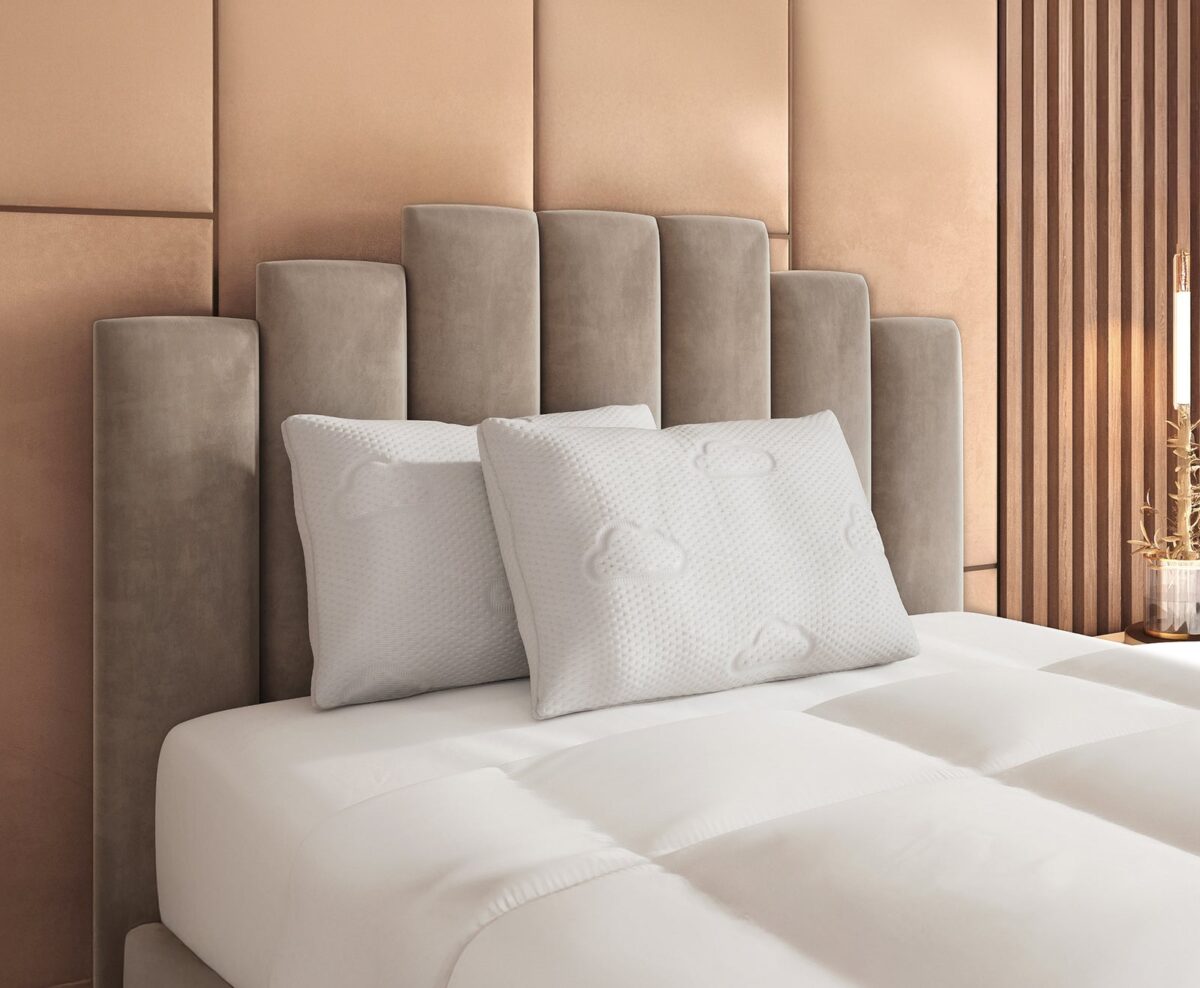
Memory-Foam Pillows & Snoring: What Positioning Can—and Can’t—Do
Memory foam is a pillow material, not an anti-snoring treatment. Its only plausible role is helping you maintain a comfortable head/neck position or side-sleeping posture.
When memory foam may be useful
- Fixed contour: shaped foam can make a chosen head/neck position more consistent through the night.
- Adjustable shredded foam: lets you alter loft to fit your mattress and sleep position.
- Side-sleeping comfort: if your snoring is positional and you snore less on your side, a pillow that makes side sleeping comfortable may help indirectly.
Current Yawnder examples
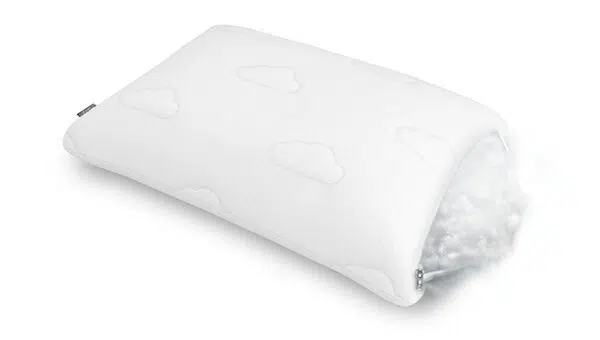
- Puffy Signature Pillow: adjustable shredded memory foam; useful for tuning loft, not for treating snoring.
- Technogel Anatomic: contoured memory foam + gel surface, primarily aimed at back sleepers.
- Technogel Side Sleeper: shaped memory foam with shoulder cutout for dedicated side sleepers.
Choosing between adjustable and solid foam
Adjustable shredded foam is useful if you are still finding your preferred height: remove a little fill at a time and save it so you can add it back. Compare the feel in your normal sleep position, with your usual pillowcase and mattress.
Solid or contoured foam has a more consistent shape and does not need fluffing, but the height is harder to change. Check the dimensions and try the contour in both your back and side positions if you switch during the night. Slow-responding foam can feel different as the room temperature changes.
A practical fit check
- On your side, use enough loft to support your head without pushing it toward the ceiling or letting it droop toward the mattress.
- On your back, avoid stacking foam so high that it pushes your chin toward your chest. Comfort matters more than a number on the label.
- If you use a CPAP mask, make sure the pillow does not press the mask out of place or block its vents. See our CPAP pillow fit checklist.
- Ask about the seller’s return policy before buying; pillows purchased from Yawnder are final sale.
Snoring with witnessed breathing pauses or gasping, or significant daytime sleepiness, deserves a conversation with a healthcare professional. The National Heart, Lung, and Blood Institute notes that a sleep study may be needed to diagnose sleep apnea.
Do firm pillows reduce snoring?
There is no universal “firm is better for snoring” rule. The correct firmness depends on whether the pillow maintains a comfortable position without forcing the neck into an awkward angle. Positional snoring is about body/head position, not a specific foam density.
Do contoured pillows work?
A contour may help some sleepers remain comfortable in a position that reduces their snoring, but the contour itself is not proven to treat the underlying cause. Combination sleepers may prefer adjustable fill instead of a fixed shape.
For the broader discussion, see Pillows for Snoring. If you use PAP therapy, see our CPAP Pillow Guide. For other foam designs, compare our memory-foam pillow roundup or the side-sleeper loft and fit guide.
Want to compare current availability and pricing on Amazon?
Compare positioning pillows on AmazonAs an Amazon Associate, Yawnder may earn from qualifying purchases.