
Finding support and pressure relief
A useful mattress for lower-back comfort should balance lumbar support with pressure relief, without forcing the pelvis into an uncomfortable position. Actual fit depends on body weight, sleep position and individual symptoms. This guide is specifically about lower-back and lumbar discomfort—not general upper-back pain—and focuses on medium-firm support, pressure relief, sleep position, and mattress construction.
For those who want a quick overview, here are the top picks:
– Medium-Firm Mattresses: A reasonable starting point for many shoppers; compare it with firm and plush alternatives based on comfort.
– Memory Foam: Close contouring and pressure distribution; support differs by density and layer design.
– Hybrid: Springs plus comfort layers, available in many firmnesses.
– Adjustable Air: Adjustable feel on supported models; not an established pain treatment.
– Latex: Responsive, buoyant feel; not automatically suitable for anyone with a latex allergy.
Mattress comfort and support can affect how you sleep, but a mattress cannot diagnose or treat the underlying cause of lower-back pain. The practical goal is to find a sleep surface that balances pressure relief with support for your body and sleeping position. Given that many individuals spend about a third of their lives in bed, this decision can have profound effects on overall well-being.
I’m Ben Trapskin, the creator of Yawnder. After grappling with my own sleep problems, I turned to proper medical advice and diligent mattress research. My mission is to assist others in discovering the best mattress for lower back pain. Stick with me as we navigate through options designed to ease your back pain and elevate your sleep quality.
Research evidence and limitations (reviewed October 25, 2026): A 313-person randomized trial found medium-firm mattresses produced better outcomes than firm ones for several chronic nonspecific low-back pain measures after 90 days. A separate 59-person before-and-after study reported improved subjective comfort and sleep after changing bedding, but had no randomized comparison group. Neither study independently tested the mattress brands below. Back pain can have causes unrelated to a mattress. Seek prompt medical advice for worsening or persistent symptoms; new bladder or bowel dysfunction, significant leg weakness, or numbness around the groin warrants emergency care (see American Academy of Pain Medicine guidance on emergency symptoms and NIAMS guidance).
Why Mattress Choice Matters for Lower Back Pain
Mattress comfort and support may influence sleep quality and morning discomfort, but they are only one consideration for someone experiencing low-back pain. Here are the practical factors to compare:
Spine Alignment
In a 2003 randomized trial of 313 adults with chronic nonspecific low-back pain, participants assigned a medium-firm mattress generally reported better outcomes at 90 days than those assigned a firm mattress. This supports considering medium-firm comfort as a starting point, not a promise of pain relief or proof that any named mattress treats a medical condition.
Muscle Relaxation
A mattress that feels comfortable and supportive may help some people sleep more comfortably. Claims about muscle relaxation, spinal positioning, and pain relief depend on the individual and should not be presented as measured results for the mattresses mentioned here.
Sleep Posture
Your chosen sleep posture influences back pain levels. Different mattresses cater to varied sleeping positions. For instance, side sleepers require support that cushions their shoulders and hips, ensuring proper spinal alignment. A mattress that fails to accommodate your preferred sleeping position can exacerbate back pain. Customized options can provide better alignment specifically for side sleepers.
A small 2009 before-and-after study of 59 adult volunteers reported roughly 48% lower average self-reported back discomfort and improvements in sleep ratings after four weeks on a new medium-firm bedding system. It did not randomly compare different mattresses with a control group, and the findings cannot predict a shopper’s individual result.
Five mattress construction types to consider
These are construction categories to compare, not five clinically tested winners. Specific models differ in firmness, layers, and pressure relief; comfort is personal.
Medium-Firm Mattresses
##### Comfort, Support, and Spine Alignment
In the 313-person randomized study published in The Lancet, a medium-firm mattress outperformed a firm mattress for several measures of chronic nonspecific back pain over 90 days. The trial did not compare modern brands or establish the ideal firmness for every body type. If you want to compare two feels from one line, the Zenhaven has a two-sided firmness design; check the current specifications and seller terms.
Memory Foam Mattresses
##### Body Contouring and Pressure Relief
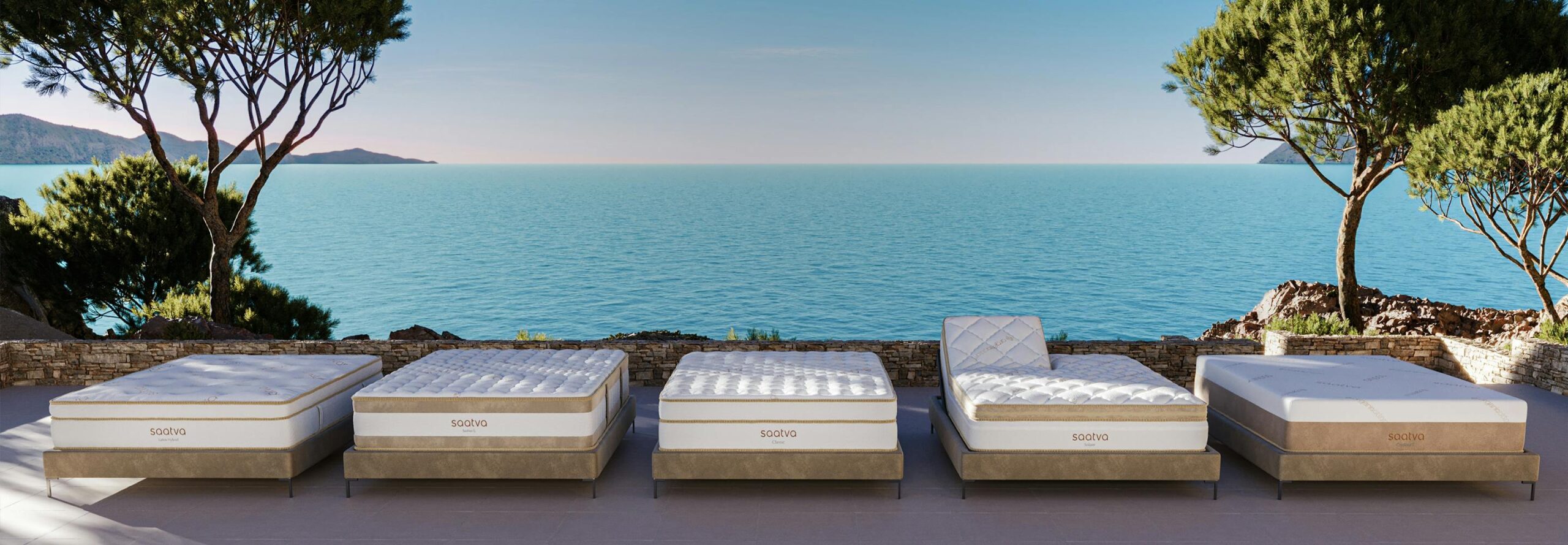
Memory-foam mattresses compress and contour around the body, which some sleepers prefer for pressure cushioning. The depth of the comfort layers and the firmness of the underlying support system matter; extra-soft foam can feel unsupportive to some people. The Saatva Classic (Luxury Firm) is a coil-supported mattress to compare rather than a pure memory-foam bed; it is not established here to relieve a medical condition.
Hybrid Mattresses
##### Foam Layers, Metal Coils, and Balanced Support
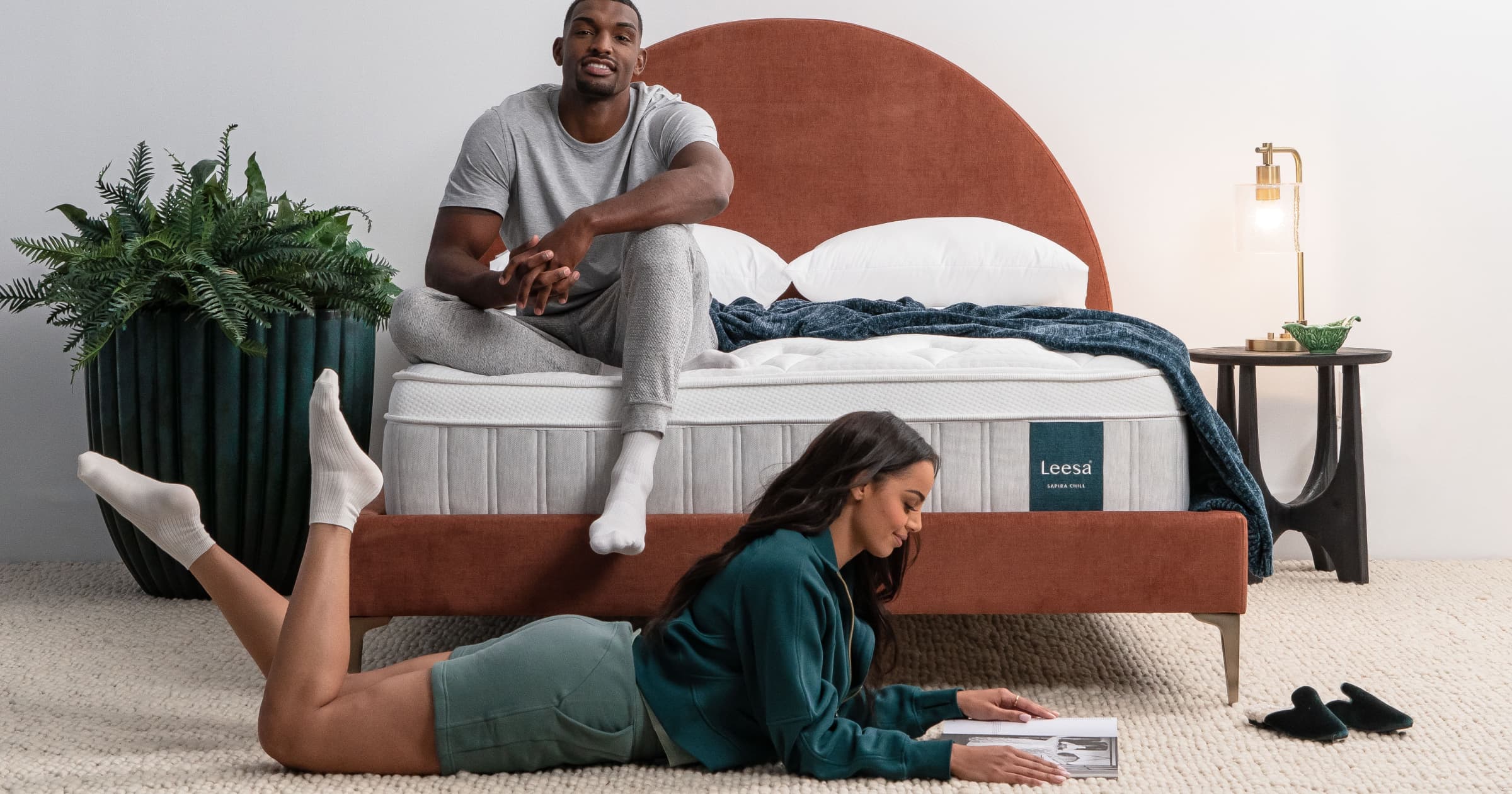
Hybrids combine coils with foam, latex, or other comfort layers. Some offer zoned support, but zoned construction by itself does not establish a clinical benefit. The Leesa Sapira Hybrid is one example to compare for feel and firmness; this guide does not include an independent treatment-outcome test.
Adjustable Air Mattresses
##### Adjustable Firmness and Personal Fit
Some adjustable-air mattress systems allow firmness changes on each side, making them worth trying if you and a partner prefer different feels. Personal comfort is the relevant buying test; this guide does not establish that adjustable-air beds improve or treat lower-back conditions.
Latex Mattresses
##### Latex Feel, Resilience, and Allergy Considerations
Latex mattresses can provide buoyant pressure relief and a different response from memory foam. Natural latex is not automatically hypoallergenic: anyone with a latex allergy should check product materials with a healthcare professional and the manufacturer. Feel, firmness, materials, and longevity vary among models.
How to Choose the Best Mattress for Lower Back Pain
Feeling overwhelmed by mattress options? Here’s a guide to help simplify your selection process based on personal preference and essential components:
Personal Preference
Recognizing that comfort is subjective is vital. The best mattress is one that feels comfortable and adequately supports you. Research does not identify one universally best mattress for back pain. Comfort, support, body size, sleep position, and individual response all matter.
Mattress Components
Familiarize yourself with mattress components for an informed decision:
– Coils or Springs: Provide the foundational support, impacting firmness and overall comfort.
– Padding: Varies in thickness and materials, influencing comfort and pressure relief.
– Depth: Typically ranges from 7 to 18 inches. Choose a depth suited to your comfort preferences and body type.
Achieving Balance
While back support is essential, overall comfort shouldn’t be overlooked. A mattress that is too firm can cause pressure points, while one that is too soft may fail to offer adequate support, leading to spinal misalignment. Striking a balance is key.
Tip: If you lean towards a firmer mattress but desire added comfort, consider one with thicker padding.
Knowing When to Replace Your Mattress
An old, sagging mattress can exacerbate back pain. If your mattress has noticeable indentations or has lost its comfort, it’s crucial to invest in a new one. Temporary fixes, like placing boards under the mattress, are not sustainable solutions.
Tips for Testing and Buying a Mattress
To help you find the right mattress for lower back pain, here are practical tips:
Test-Drive the Mattress
Before purchasing, spend time lying on the mattress in various positions. Aim for at least 15 minutes, noting how your back feels and whether the mattress supports your spine adequately.
Tip: If in-store testing is not possible, rely on online reviews to gauge customer experiences.
Look for a Money-Back Guarantee
Read the exact seller’s trial and return conditions before purchasing. Lengths, break-in periods, processing charges, exclusions, and exchanges differ by brand and retailer. A manufacturer-direct promotion or trial does not automatically apply to a Yawnder purchase.
Visit a Mattress Showroom
If feasible, testing mattresses hands-on can be invaluable. Understanding the materials and firmness levels firsthand will significantly inform your decision.
Pro Tip: Many direct-to-consumer brands now have showrooms or collaborate with traditional stores, enabling you to test products before buying.
Use Technology to Your Advantage
Pressure mapping or showroom measurement can help illustrate where you feel pressure, but those tools do not diagnose spine problems or prove one mattress will relieve pain. Compare the exact mattress in your usual sleeping positions and use the maps only as supplementary buying information.
Check for Certifications and Safety Standards
Check the scope of certifications rather than assuming a whole mattress is chemical-free. CertiPUR-US tests qualifying flexible polyurethane foam for specified contents, emissions, and durability; it does not certify an entire mattress. OEKO-TEX STANDARD 100 tests specific certified textile articles for restricted harmful substances. Neither label guarantees pain relief or a medical benefit.
Frequently Asked Questions about Best Mattress for Lower Back Pain
Which mattress is best for lower-back pain?
There is no universally best mattress. One controlled study favored medium-firm over firm mattresses for chronic nonspecific low-back pain, but the right feel depends on your body, sleeping position, and health circumstances. A mattress is not a substitute for care.
Is a soft or firm mattress better for back pain?
Try a comfortable medium-firm option as a starting point and compare shoulder, hip, and lumbar comfort across positions. Manufacturer firmness labels are not standardized, and some sleepers need a softer or firmer configuration.
Is my mattress causing my lower-back pain?
An unsupportive or sagging bed can contribute to discomfort, but morning soreness cannot establish the cause of back pain. Persistent, worsening, or unexplained symptoms deserve clinical evaluation. NIAMS explains when to seek medical help.
Conclusion
Choosing the right mattress for lower back pain is vital for enhancing your sleep quality and overall health. At Yawnder, we understand how essential it is to find a mattress tailored to your specific needs.
Whether you gravitate towards a medium-firm, memory foam, hybrid, adjustable air, or latex mattress, the key lies in selecting one that supports your spine and alleviates pressure points.
Want to compare options? Explore current models, check written trial terms, and try a suitable firmness in person. Comfort is an achievable buying goal; no mattress is guaranteed to treat or eliminate pain.
Investing in the right mattress paves the way toward a healthier life. Choose based on comfort, support, and fit for your sleep position rather than expecting a mattress to eliminate back pain.
Live pricing and current promotions on the mattresses, bases, and sleep tech we recommend.
Compare these picks against 142 tested mattresses
Sort all 142 mattresses we have tested by pressure relief, support, cooling, motion isolation, edge support, price, trial and warranty, then filter by how you actually sleep. Of those, 84 hold a complete standardized record and 41 a partial standardized record.
Compare with your profile preselected →Browse all tested mattresses →