BedJet V3 Climate Control System Review
After testing the BedJet for over 5 years, here is my deep dive into how it holds up, how it compares to water based systems like Eight Sleep, and whether air based cooling is right for you.
- Hot sleepers who dislike a cold wet feel
- Sweaty sleepers who want airflow that dries moisture
- Anyone who wants set it and forget it reliability
- People who hate any airflow sensation
- Rooms that stay very hot at night
- Shoppers who want biometric tracking built in
How BedJet Actually Cools (and Heats) Your Bed
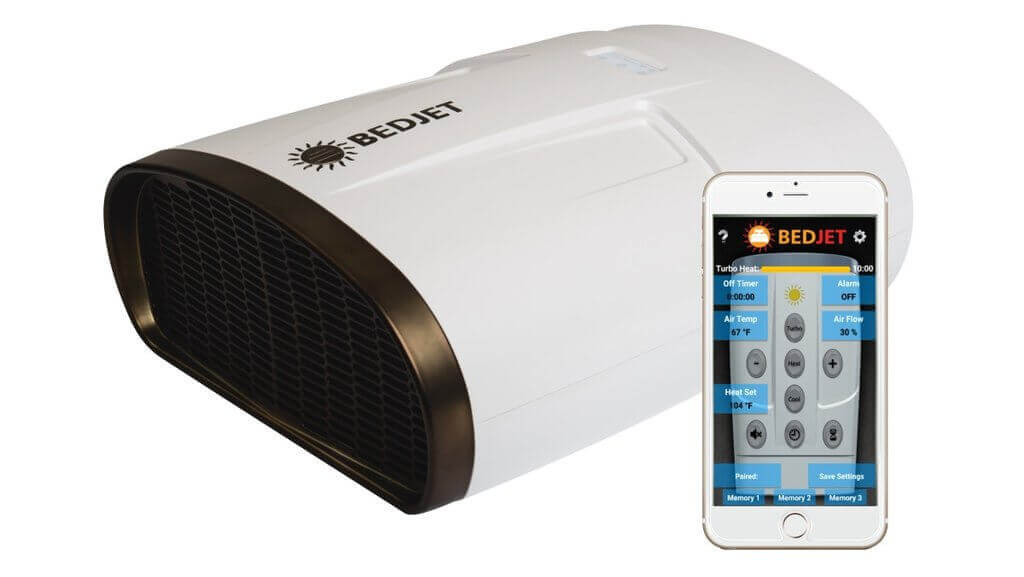
BedJet is an air-based climate system, not a portable air conditioner and not a water-chilled mattress topper. A compact unit sits beside or under the bed, pulls in room air and moves it through a hose and nozzle into the bedding. That airflow carries away trapped heat and moisture, which is why it can feel noticeably better for someone waking up sweaty.
The important limitation: in cooling mode, BedJet does not refrigerate the air below the bedroom temperature. The manufacturer says it performs best with room temperatures below about 79°F. If your bedroom routinely stays in the mid-80s or hotter, don't expect this to replace air conditioning.
Yawnder Review Score
BedJet Price and Value: What You Actually Need to Buy
Compare the complete sleep setup, not just the control unit. BedJet can work with ordinary bedding, but its optional Cloud Sheet spreads air more evenly. Couples wanting truly different temperatures on each side need a two-unit configuration. Prices are a snapshot from U.S. manufacturer listings checked October 11, 2026, and can change with size, bundle and promotion.
| System | Price shown | How it works | Recurring fees |
|---|---|---|---|
| BedJet 3 (one unit) | About $498 on sale | Airflow cooling and active warming; whole-bed configuration | No required subscription |
| Cloud Sheet | From about $139 separately | Air-distribution top sheet for more even comfort | None |
| BedJet Dual Zone bundle | About $969 on sale | Two BedJet 3 Mini units with dual-zone Cloud Sheet | No required subscription |
| Chilipad 2.0 | From about $1,599 for one sleeper | Active water-based bed cooling and warming | No required subscription |
| Eight Sleep Pod 5 | From about $2,799 promotional price | Water-based temperature-controlled cover, sensing and automation | Autopilot plan shown at checkout |
Manufacturer pricing/terms: BedJet 3, BedJet Dual Zone, Chilipad and Eight Sleep. The former Chilipad Dock Pro is now referred to as Chilipad 1.0; the 2.0 model is the newer alternative.
Which BedJet Setup Should You Choose?
One sleeper, one temperature
Start with one standard BedJet 3. Add a single-zone Cloud Sheet if you want gentle, more distributed airflow rather than a concentrated stream under the blankets.
Couple, same preference
A single whole-bed setup may be enough if both partners like similar cooling or warming. A single unit is not the same as independently controlled sides.
Couple, different preferences
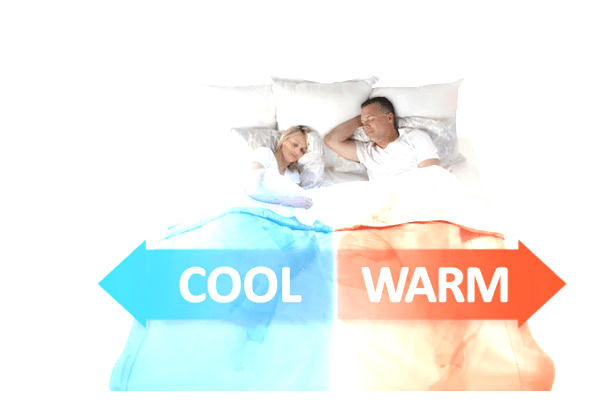
Choose the dual-zone bundle with two Mini units and the correct Cloud Sheet for your mattress. Each person can set a different airflow, heat and schedule.
Cloud Sheet recommendation: Based on the existing long-term account in this review, the sheet is the accessory I'd prioritize. It reduces the drafty feeling of direct airflow and spreads the sensation across more of the bed. It is useful—not mandatory—and the best approach can vary with bedroom temperature.
Installation, Controls and Everyday Maintenance
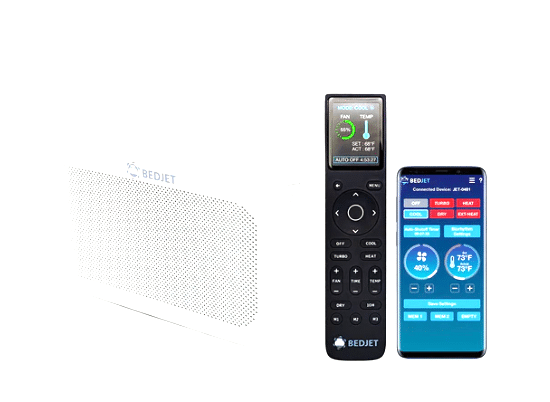
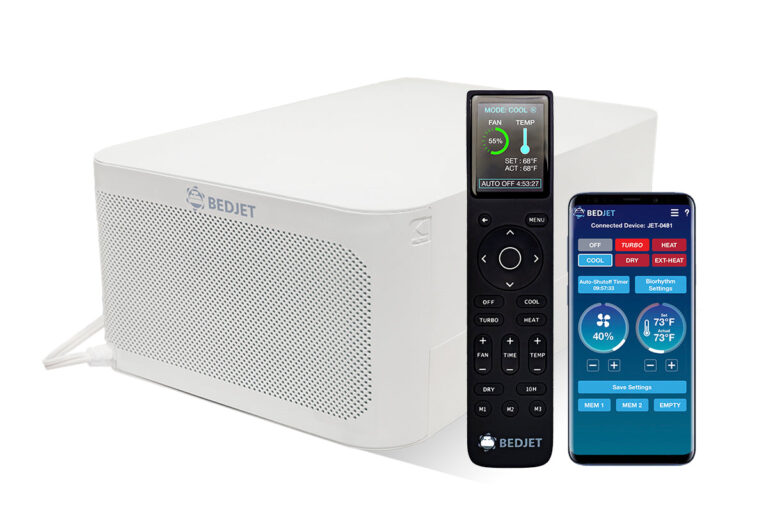
The setup is simpler than a water-cooled topper: position the BedJet, fit the hose and adjustable nozzle at the bedding edge, connect power, and select a setting with the included color-screen remote. The phone app is optional; you can use the remote without keeping a phone at the bedside.
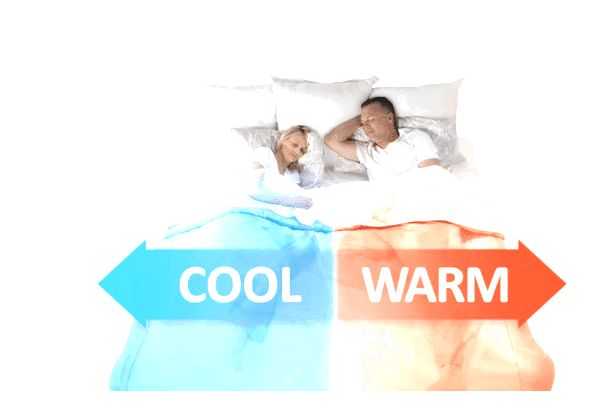
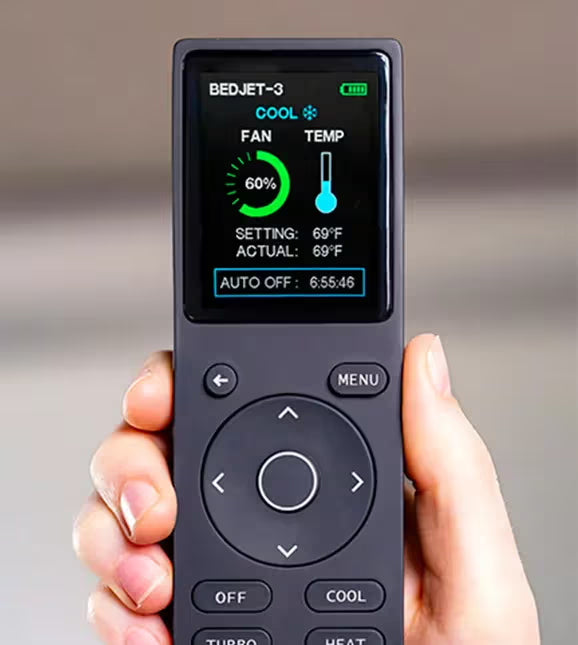
- Check clearance: The standard BedJet 3 needs about 6 inches under the bed, according to BedJet; otherwise, position it beside the frame. Its main unit measures approximately 15.5 × 10.5 × 5.75 inches.
- Use the right sheet: For the Cloud Sheet, route the nozzle into the sheet's designated opening and confirm that air can circulate across the intended zone.
- Start with moderate airflow: Increase it gradually until you get useful cooling without a bothersome draft or excessive fan sound.
- Try a Biorhythm schedule: Use the timed temperature and fan adjustments to prewarm your bed or change airflow overnight without waking to reach for the remote.
- Clean the filter: BedJet specifies a washable lifetime air filter. Keep the intake unobstructed and follow the manufacturer's cleaning instructions; no water reservoir or antibacterial treatment is required.
Manufacturer specs list a 4-foot hose, 6-foot cord and 120V North American power. Check outlets, bed-frame geometry and the precise product version before buying.
My Personal Findings: 5 Years Later
I have been using the BedJet since the V2 model launched, and I currently run the V3. After five years of nightly use, here is the reality of living with an air based system.
It is durable
Water based systems can leak or suffer pump issues over time. BedJet is basically a smart fan, and performance has stayed consistent. The only maintenance I have done in 5 years is washing the air filter twice.
The Cloud Sheet matters
Without the Cloud Sheet, airflow can feel drafty. With it, the air spreads evenly from shoulders to feet. If you buy BedJet, get the sheet.
Turbo Heat is an amazing wake up tool
I set it to warm the bed about 15 minutes before my alarm. Waking up because you are a little warm is much nicer than being jolted awake by sound.
The Downsides I Would Consider Before Buying
- No compressor or chilled water: BedJet can't actively drop its cooling air below room temperature. A hot bedroom is its biggest limitation.
- Airflow and fan noise: Some sleepers dislike moving air, even if the Cloud Sheet makes it more diffuse. Higher settings will be more noticeable; I would not purchase assuming silence.
- More components around your bed: The hose, nozzle, power cable and external unit need somewhere to go, particularly with storage beds and low-profile platforms.
- Accessories increase the total: A Cloud Sheet and dual-zone capability can materially raise the checkout price beyond a basic one-unit offer.
- No built-in sleep biometric tracking: If sleep-stage data, heart-rate tracking and automatic responses to those measurements are your priority, compare Eight Sleep instead.
What keeps this product appealing in the original five-year review is the low-fuss daily experience: airflow, optional heat, no water to refill, and straightforward controls. Those are reported owner observations, not a guarantee that every unit will last five years.
BedJet vs Eight Sleep Pod 5
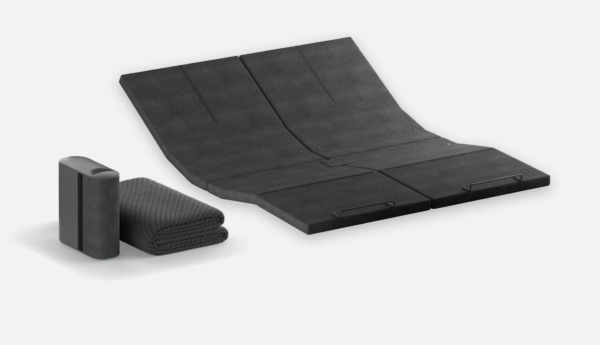
The current Pod 5 uses a water-powered cover over the mattress. Unlike BedJet, it can actively chill the sleep surface below ambient temperature and adds heart-rate, HRV and sleep-trend tracking, plus automated adjustments. That is a meaningful advantage for someone seeking stronger cooling and data.
Why BedJet can still win: there is no added cooling pad beneath you, no water loop to refill, no required software plan and a much lower starting price. Pod 5 is more capable for truly cold sleep and detailed tracking; BedJet is the simpler, lower-maintenance option.
BedJet vs Chilipad 2.0 (and Dock Pro)

Chilipad circulates temperature-controlled water through a mattress-layer system, providing active cooling even when the room air itself is warm. The newer Chilipad 2.0 is now the current product; the older Dock Pro is referred to as the 1.0 generation.
Trade-off: water-based cooling offers stronger direct temperature control and no stream of air under the covers, but brings reservoirs and cleaning. Chilipad's published maintenance instructions call for regular distilled-water top-ups, cleaner and periodic system care. BedJet has a washable filter and no water circuit.
BedJet 3 Specifications, Power Use and Noise
BedJet's most useful performance distinction isn't an impressive thermostat number—it is how the unit changes comfort. The fan moves room air to relieve trapped heat and moisture; the heater can actively warm the bedding. The manufacturer lists a regulated range of 66°F–109°F, with the lower end dependent on room conditions.
| Specification | BedJet 3 (standard) |
|---|---|
| Cooling mechanism | Room-air circulation; no refrigerant or water reservoir |
| Best cooling conditions | Manufacturer recommends bedrooms below about 79°F |
| Cool-mode electricity | Up to 40 watts (manufacturer rating) |
| Regular heat mode | About 100–1,100 watts depending on setting |
| Turbo heat | Up to 1,500 watts; 10-minute maximum |
| Dimensions / clearance | 15.5 × 10.5 × 5.75 in; approximately 6 in underneath bed |
| Controls | Included LCD remote, free mobile app and programmable schedules |
| Filter | Washable lifetime filter |
Specifications: BedJet 3 technical details. Actual electricity use depends on modes, runtime and settings.
Video Review
Watch my full installation guide and noise test.