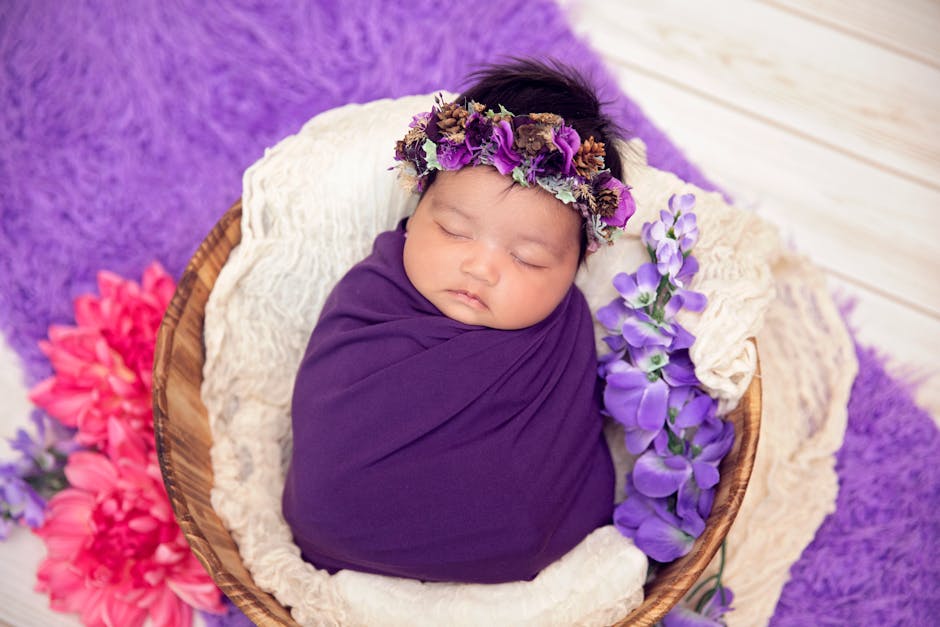
No swaddle can guarantee deeper sleep or prevent sudden infant death syndrome (SIDS). A safe sleep environment matters more than a product’s marketing claims. The American Academy of Pediatrics (AAP) swaddling guidance explains the precautions.
Start with safe sleep
- Place your baby on their back for every nap and nighttime sleep.
- Use a firm, flat sleep surface in a crib, bassinet, portable crib or play yard that meets applicable safety standards, with a fitted sheet.
- Keep loose blankets, pillows, stuffed toys, bumpers and other soft objects out of the sleep space.
- Share a room, not a bed, with your baby for at least the first six months if possible.
- Avoid overheating; dress your baby appropriately for the environment and check for signs such as sweating or a hot chest.
See the AAP’s complete safe-sleep recommendations and CDC guidance.
How to choose and use a swaddle
Choose an unweighted product that fits your baby according to the maker’s instructions. Keep the fabric away from the face and neck, avoid overheating, and ensure the hips and knees can bend and move. A swaddle should not be so tight around the chest that it restricts breathing. Follow the product instructions and ask your pediatrician if you are unsure about fit or technique.
Do not use weighted swaddles, weighted sleepers, weighted sleep sacks or weighted objects on or near a baby. The AAP and CDC advise against them. Avoid products that promise to prevent SIDS or claim to guarantee long or deep sleep.
A blanket-style swaddle and a purpose-made wrap require careful use; neither should become loose bedding in the sleep space. If your baby does not like being swaddled, it is fine not to swaddle.
When should you stop swaddling?
Stop as soon as your baby shows signs of trying to roll, even if they have not rolled all the way over yet. This can happen earlier than you expect. The AAP says sleep sacks or wearable blankets that compress the arms, chest or body should also be stopped at that point.
An appropriately sized, unweighted, arms-free wearable blanket that does not restrict movement can be an alternative to loose blankets. Follow the manufacturer’s sizing and safe-use instructions, and ask your pediatrician about individual circumstances, including prematurity or medical needs.
Frequently asked questions
Does a baby have to be swaddled?
No. Swaddling is optional. Use the same safe-sleep practices whether or not your baby is swaddled.
Are weighted swaddles safe?
No. The AAP and CDC advise against weighted infant sleep products.
Can a swaddled baby sleep on their side?
No. Place your baby on their back for every sleep. Stop swaddling when they show signs of attempting to roll.