Quick answer: Horsehair is a traditional mattress filling used for its springy character and as part of layered upholstery. Manufacturers combine it with materials such as wool and cotton over a spring system. Its contribution depends on how much is used and the rest of the mattress; the presence of horsehair alone does not guarantee a cooler, longer-lasting or allergy-free bed.
This guide explains a material and what to ask before buying. It does not claim a head-to-head test of every horsehair mattress.
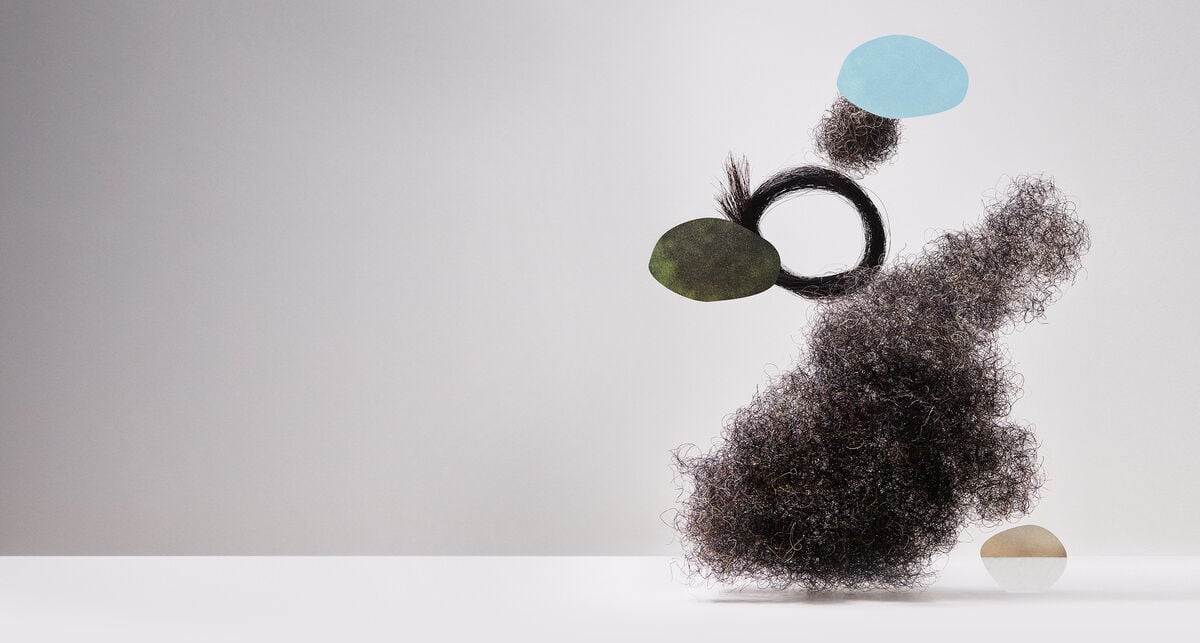
What does horsehair do in a mattress?
Prepared horsehair is typically cleaned, curled and teased into a resilient filling. In a mattress it is one component in a layered system rather than a complete bed: coils or another core provide underlying support, while the cover and upholstery layers shape the surface feel.
Hästens describes using prepared horsetail hair alongside cotton and wool. Vispring also lists horsehair among the natural fillings used in its collection. The amount, processing and placement vary by manufacturer and model, so read the exact specification.
Feel and response
Curled fibers can provide a springy, resilient feel, but a mattress with horsehair can still feel plush or firm depending on the springs, tufting and other fillings. If you prefer a slow-sinking memory-foam feel, test the complete mattress before deciding that its materials are right for you.
Airflow and temperature
Loose fibers and the spaces among layers can allow air movement. The finished bed’s cover, protector, foam, room temperature and bedding also affect heat and moisture. Horsehair is not active cooling, and a brand’s airflow description is not a guarantee that a particular sleeper will stay cool.
Horsehair vs. other mattress fillings
| Material | Common role | What to consider |
|---|---|---|
| Horsehair | Springy animal-derived upholstery filling. | Ask about sourcing, quantity, care and the overall bed construction. |
| Wool | Fiber padding often used for cushioning and moisture management. | Feel, processing and performance vary by product; it is animal-derived. |
| Cotton | Fabric or fiber padding in covers and upholstery layers. | Thickness and combination with other layers determine feel. |
| Latex foam | Resilient foam used in comfort or support layers. | Latex formulations and firmness differ; check specifications if you have allergies. |
| Memory foam | Slow-response foam used for contouring in comfort layers. | Response and temperature feel vary by formulation and cover. |
These materials can appear together. Neither “natural” nor a high price proves a mattress will fit your body or last a specified number of years.
Allergies, animal sourcing and fire safety
Allergies: Do not assume horsehair bedding is hypoallergenic, antibacterial or dust-mite-proof. Horse-related allergens can be important to sensitive people, and a finished mattress may contain multiple fibers. Ask a clinician if you have a known allergy and request the complete materials list from the seller.
Animal sourcing: Horsehair is an animal-derived material, so it is not suitable for shoppers seeking a vegan mattress. Sourcing practices differ. Ask the brand where the hair originates, whether it is blended with other animal fibers and what documentation supports its animal-welfare claims. Do not assume all horsehair comes from grooming or that every supply chain is the same.
Fire safety: Do not rely on a single ingredient to judge a mattress’s fire safety. Ask the seller how the finished mattress meets applicable standards and what materials are used in its fire barrier.
What to ask before buying
- What is in this model? Ask where the horsehair sits, how much is used and whether it is blended with other fibers.
- How does it feel? Try your usual sleeping positions and compare another construction; note shoulder and hip pressure as well as edge support.
- What maintenance is required? Ask about rotation or flipping, body impressions and the approved foundation. Natural fillings may settle with use; terms vary by model.
- What is the full cost? Include the foundation, delivery, setup, protector and potential return costs.
- What are the terms? Read the trial, return and warranty conditions, including rules for custom orders.
Our Encinitas showroom can help you compare mattress constructions in person; call ahead about availability of a particular model.
How the rest of the mattress changes the feel
A mattress description may highlight horsehair while saying little about its other layers. Ask for a breakdown of the mattress from the cover to the support system: the fiber layers, their approximate depth or amount, the spring design and any foam components. Two mattresses can both contain horsehair yet feel very different because the filling is placed in different parts of the bed or paired with different upholstery and springs.
When testing in a showroom, compare the entire sleeping surface. Lie in your normal positions for several minutes, then roll over and sit at the edge. Notice whether the bed feels buoyant or deeply contouring, whether your shoulder and hip have enough room, and how easy it is to change position. Bring a familiar pillow if possible. These observations are personal fit checks, not a way to isolate what one hidden layer contributes.
If you share a bed, have both sleepers try it at the same time. Discuss the motion you notice when one person turns and whether each side feels suitable. Mattress construction, the foundation and body weight all affect the result, so a material name alone is not a reliable comparison.
Plan for maintenance before ordering
Ask whether the specific mattress should be rotated, flipped or left in one orientation, and whether handles are intended for positioning or lifting. A thick, heavy mattress may require two people to move. Check the maker’s instructions for the foundation and any support legs before reusing an existing bed frame.
Natural upholstery can settle with use. Ask what changes in surface appearance the manufacturer considers normal and how it measures an eligible warranty defect. Keep the care instructions and purchase documents, and check whether a protector is required or recommended. Do not assume an ordinary vacuuming or spot-cleaning method is suitable for every cover; follow the label.
If your home has a narrow staircase or tight turns, request the mattress and package dimensions and ask how delivery and setup will work. Some specialty sizes or custom orders may have different lead times and return rules. Get the total in writing, including any foundation, delivery, removal and return costs.
When might the premium make sense?
A horsehair mattress may be worth comparing if you enjoy the feel of the complete bed, are comfortable with the animal-derived materials and understand the care and purchase terms. Compare it with a mattress that meets your comfort needs at a lower price, using the same size and a comparable foundation. A showroom impression can help narrow the choice; a written trial or exchange policy matters if you need to evaluate it at home.
If you want to avoid animal materials, request a complete component list rather than checking the cover alone. Latex, foam and plant-fiber designs can be alternatives, but their other components and fire barriers still need verification. For more on construction, see our hybrid mattress guide.
Frequently asked questions
Is a horsehair mattress entirely horsehair?
Usually not. It is commonly a filling used with other materials and a support core. Check the specific mattress specification.
Does horsehair make a mattress cool?
It may contribute to airflow in a particular construction, but temperature depends on the complete bed and sleeper. It does not provide powered cooling.
Is horsehair hypoallergenic?
Do not assume it is. People can be sensitive to horse allergens, and other mattress components matter too.
Is horsehair vegan?
No. It is an animal-derived fiber. Ask for animal-free alternatives if that is important to you.
Will it last for decades?
No universal lifespan follows from one filling. Construction, care, use, foundation and individual comfort all affect longevity.
Final take: Horsehair can be an interesting element of a traditionally upholstered mattress, but judge the complete bed, its sourcing and its terms before paying a premium.