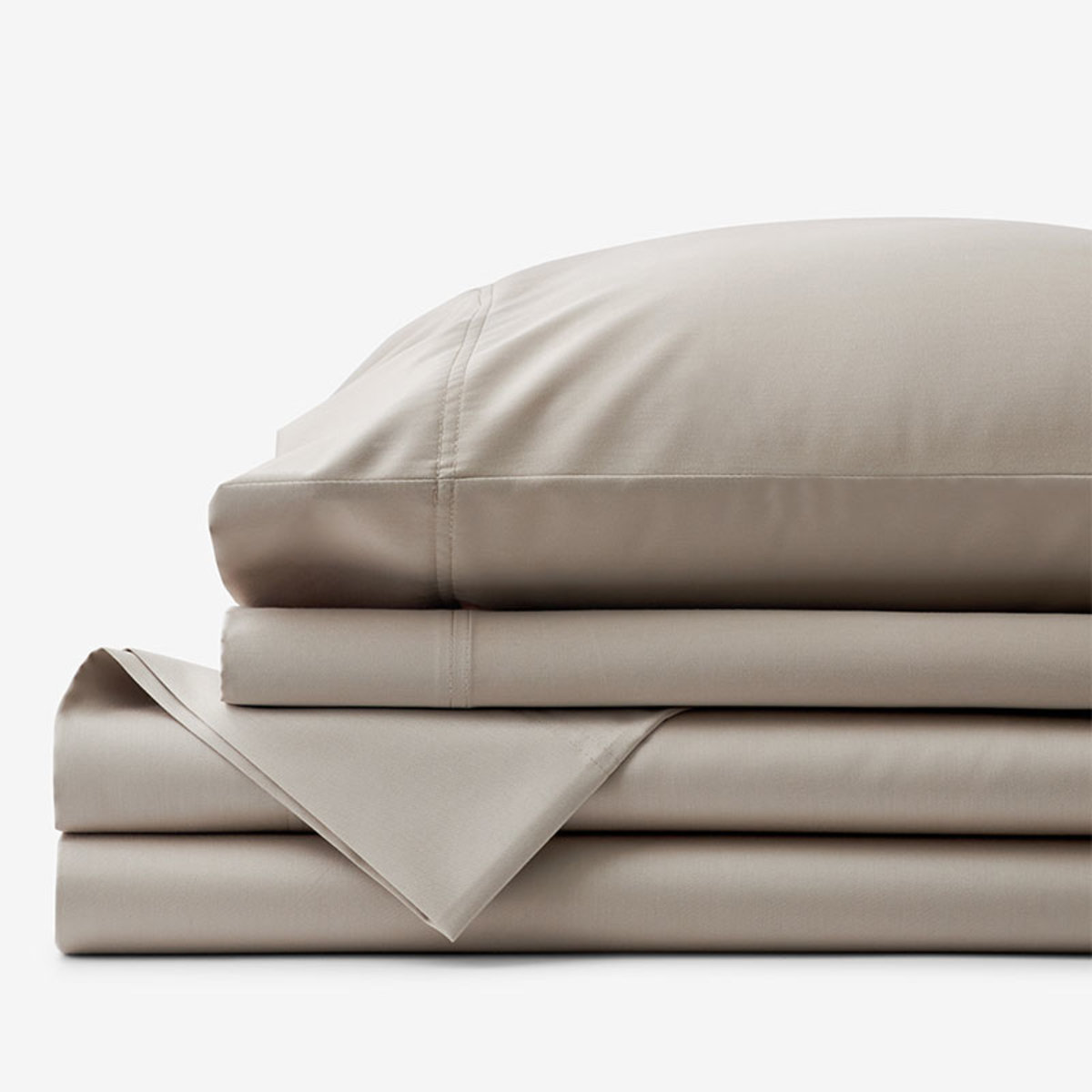
When comparing two sets, look beyond the name: fiber content, weave, finishing, fit and care all influence how the sheets feel. A light percale and a heavier sateen made from the same cotton can feel quite different.
What is Supima cotton?
Supima describes the name as a trademark for American-grown extra-long-staple cotton. “Staple” refers to the length of a cotton fiber. Longer fibers can be spun into smooth, strong yarn, but the finished fabric also depends on yarn quality, weave and manufacturing.
Supima is not simply a synonym for every product labeled “Pima.” Check the complete fiber content and brand information. A label that mentions Supima may describe a blend, while “100% Supima” makes a more specific claim. Follow the manufacturer’s care instructions for that particular item.
What is Egyptian cotton?
Egypt grows cotton of different fiber characteristics, including long- and extra-long-staple varieties. A sheet described as Egyptian cotton should not automatically be assumed to use a particular staple length, be 100% cotton or be made to a specific quality standard. Read the complete product description and ask the seller for evidence of its claims.
The Cotton Egypt Association maintains a list of accredited manufacturers and license information. A relevant certification or license can provide useful supporting information, but verify that it applies to the specific product and claim rather than treating any logo as a guarantee of how the sheets will feel.
Supima vs. Egyptian cotton
| Question | Supima | Egyptian cotton |
|---|---|---|
| What the name indicates | Trademark for U.S.-grown extra-long-staple cotton | Cotton claimed to be of Egyptian origin; check the specific fiber details |
| Texture | Depends on yarn, weave and finish | Depends on yarn, weave and finish |
| Temperature | Weave and fabric weight matter alongside fiber | Weave and fabric weight matter alongside fiber |
| Authenticity | Check licensing, fiber percentage and seller | Check origin, fiber percentage and applicable certification |
| Care | Follow the specific product label | Follow the specific product label |
Neither origin is inherently warmer or cooler for every sleeper. Percale tends to feel crisp and light; sateen is usually smoother and more draping. Personal preference and the rest of the bedding matter too.
How to choose between two sheet sets
- Compare the same size and pieces. Verify whether fitted and flat sheets and pillowcases are included.
- Read the fiber label. Check the percentage of named cotton and any other fibers.
- Choose the weave. Start with percale for a crisper hand or sateen for a smoother drape, then compare fabric weight.
- Measure mattress depth. Include any topper and check the fitted sheet’s pocket specification.
- Check claims and terms. Review certification, care, current price and return eligibility for opened bedding.
Thread count can help describe a woven fabric, but a higher number does not automatically mean better quality. Compare the construction and feel rather than buying by thread count alone.
Common questions
Is Supima always better than Egyptian cotton?
No. Both can make good fabric, and finished quality depends on the particular fiber, yarn and construction.
Is Egyptian cotton too warm for hot sleepers?
Not inherently. A light percale may feel different from a dense sateen regardless of origin. Compare weave and weight.
Do all Egyptian cotton sheets use extra-long fibers?
Do not assume so. Check the seller’s specific fiber and origin claims.