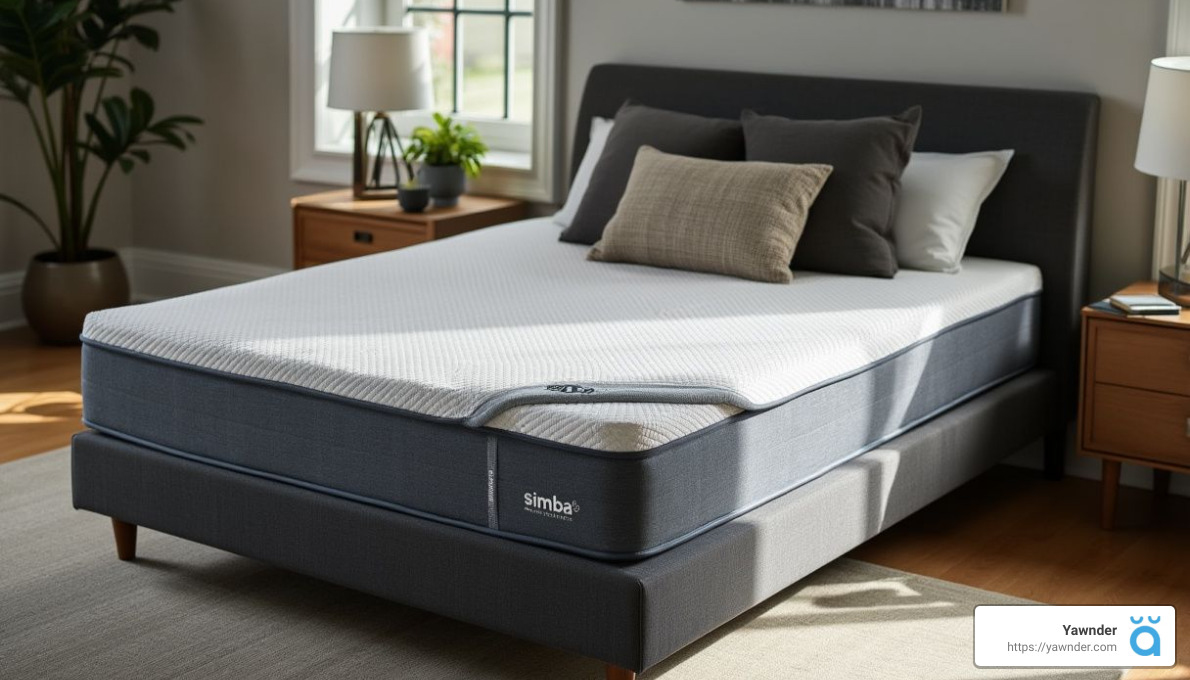
In the vast, often confusing world of bed-in-a-box mattresses, certain names generate a significant amount of buzz. Simba is one of them. Hailing from the UK and making waves across Europe and beyond, Simba has positioned itself as a tech-forward brand aiming to deliver a universal sleep solution through its hybrid designs. Their promise of a cooler, more supportive night’s sleep is tempting, especially for those of us navigating the warm nights here in San Diego. But does the Simba Cool Foam mattress live up to the international hype? As sleep experts who have seen and tested countless mattresses, we’re here to provide an honest, evidence-based deep dive into its construction, performance, and ultimate value for you.
Unboxing the Simba Cool Foam: First Impressions and Construction
Like most of its modern competitors, the Simba mattress arrives compressed, rolled, and sealed in a conveniently sized box. The unboxing process is straightforward: simply slide the mattress out, position it on your bed frame, and carefully cut away the plastic wrap. It immediately begins to decompress, though we recommend allowing a full 24 to 48 hours for it to reach its intended shape and firmness, and for any mild off-gassing odors to dissipate. Once fully expanded, the mattress presents a clean, modern aesthetic with a soft, breathable cover. But what truly matters is what’s inside. The Simba hybrid is built from several distinct layers, each engineered with a specific purpose, reflecting a trend that originated in the United Kingdom and European markets.
The Cooling Top Layers
Directly beneath the hypoallergenic cover lies Simba’s signature cooling layer. Depending on the specific model, this is often a graphite-infused open-cell foam, which Simba calls their SimpliCool foam. The primary function of graphite is to draw heat away from the body, while the open-cell structure is designed to promote airflow. This combination is engineered to combat a common complaint with traditional memory foam mattresses: heat retention. For sleepers in warmer climates like San Diego, this is a critical feature, and it’s the mattress’s primary selling point.
The Spring and Foam Core
The heart of the Simba is its hybrid construction, which merges foam with a layer of micro-coils. Unlike the large, interconnected springs of a traditional mattress, Simba uses up to 2,500 (depending on the model and size) patented Aerocoil micro-springs. These cone-shaped springs are smaller and more numerous, designed to provide targeted support and responsiveness. They contour to your body’s shape, offering pressure relief without the deep “sinking” feeling of memory foam. This layer is also key for airflow, as the space between coils allows air to circulate far better than a solid block of foam. Below the springs, a layer of high-definition foam with edge support provides a transition to the base, ensuring you don’t feel the firm foundation directly.
The Zoned Foundation
At the bottom is a multi-zoned supportive foam base. This isn’t just a simple slab of foam; it’s carved with channels and divided into different support zones. This design provides firmer support under the hips and lumbar region where weight is concentrated, and softer support at the shoulders and knees. This ergonomic approach aims to promote proper spinal alignment, regardless of your sleeping position.
Performance and Feel: How Does It Actually Sleep?
A mattress’s spec sheet only tells part of the story. We evaluated the Simba mattress on the key performance indicators that truly impact sleep quality. On a firmness scale of 1 to 10 (with 10 being the firmest), the Simba hybrid generally lands around a 6.5, squarely in the medium-firm category. This is often called the “universal comfort” level, as it’s designed to appeal to the widest range of sleepers.
Temperature Regulation
Does the “cool foam” deliver? For the most part, yes. The combination of graphite-infused foam and the Aerocoil spring layer does a commendable job of preventing heat buildup. Compared to a dense, all-foam mattress, the Simba sleeps noticeably cooler. While it may not feel actively “cold” to the touch like some high-end cooling technologies, it is highly breathable and effectively neutralizes body heat, making it a strong contender for hot sleepers.
Motion Isolation
This is where the hybrid design truly shines. The foam layers excel at absorbing movement, while the individually pocketed micro-springs prevent motion from transferring across the bed. During our tests, we found that movement from a partner tossing and turning was significantly dampened. For couples or anyone who shares a bed with a restless sleeper (or a pet), the motion isolation on the Simba is excellent.
Pressure Relief
The mattress provides very good pressure relief, particularly for back and side sleepers of average weight. The top foam layers contour gently to the shoulders and hips, while the micro-coils offer a buoyant lift that prevents you from feeling “stuck.” Side sleepers should find that it cradles their pressure points well, though some lightweight individuals might find it a touch too firm to allow for a deep sink at the shoulder.
Who Is the Simba Mattress Best For? (And Who Should Look Elsewhere?)
No single mattress is perfect for everyone. Based on its medium-firm feel and hybrid construction, the Simba is a great fit for specific sleeper profiles but may fall short for others.
- It’s a great choice for: Back sleepers who need a balance of spinal support and cushioning, average-weight side sleepers, and couples who prioritize motion isolation and a temperature-neutral surface.
- You might want to reconsider if: You are a strict stomach sleeper, as you may require an even firmer surface to prevent your hips from sinking and causing lower back strain. Heavier individuals (over 230 lbs) may also find that they sink too deeply into the comfort layers, compromising long-term support. Lastly, if you love the deep, enveloping hug of a traditional memory foam bed, the bouncy responsiveness of the Simba might not be for you.
The Simba mattress tries to be the jack-of-all-trades for the modern sleeper—a cool, responsive hybrid that balances comfort and support. For many, it will succeed admirably, but for those with very specific needs, a mattress that is ‘good at everything’ may not feel perfect for them.
The Yawnder Perspective: Comparing Simba to In-Store Experiences
The Simba Cool Foam mattress is a well-engineered and capable product that represents the best of the bed-in-a-box world. It offers a balanced feel that will satisfy a wide range of sleepers. However, buying a mattress based on online reviews alone is like choosing a life partner based on their dating profile—the specs might be great, but chemistry is everything. The term “medium-firm” can feel drastically different from one brand to another. The “cooling” sensation of graphite-infused foam feels different from the phase-change materials or natural coolness of Talalay latex used in other premium brands.
Understanding these nuances is where the benefit of in-person testing becomes invaluable. A mattress is a long-term investment in your health and well-being, and its feel is deeply personal. What one person describes as supportive buoyancy, another might feel as overly firm. The only way to know for sure what your body prefers is to experience it firsthand, with guidance from experts who can help you interpret what you’re feeling and match it to the right materials and construction.
While online research is a fantastic starting point, the final step in your journey to better sleep shouldn’t be a click, but a comfortable lie-down. We invite you to translate your knowledge into real-world comfort. Bring your questions, take your time, and discover what truly feels right for you when you visit our San Diego showroom at 1441 Encinitas Blvd, Encinitas CA. Let us help you find the perfect mattress that goes beyond the buzz and delivers genuinely restorative sleep.