Sabai vs Burrow (2026): Eco-Conscious Modular Sofa Showdown
Sabai is widely considered the most eco-friendly modular sofa brand in the US. Burrow markets itself as eco-conscious too, with a longer-lasting product. Here’s which one actually delivers a smaller environmental footprint.
💰 Best Value: Sabai Essential
🛋 Best Comfort: Burrow Nomad
Pick Sabai if your buying decision is genuinely climate-driven — FSC-certified frame, recycled fabric, plastic-free packaging, and a working buyback program is the real eco package. Pick Burrow Nomad if you believe longevity = sustainability: a sofa that lasts 15+ years has a smaller footprint than 3 sofas in 15 years.
The Two Sofas At a Glance
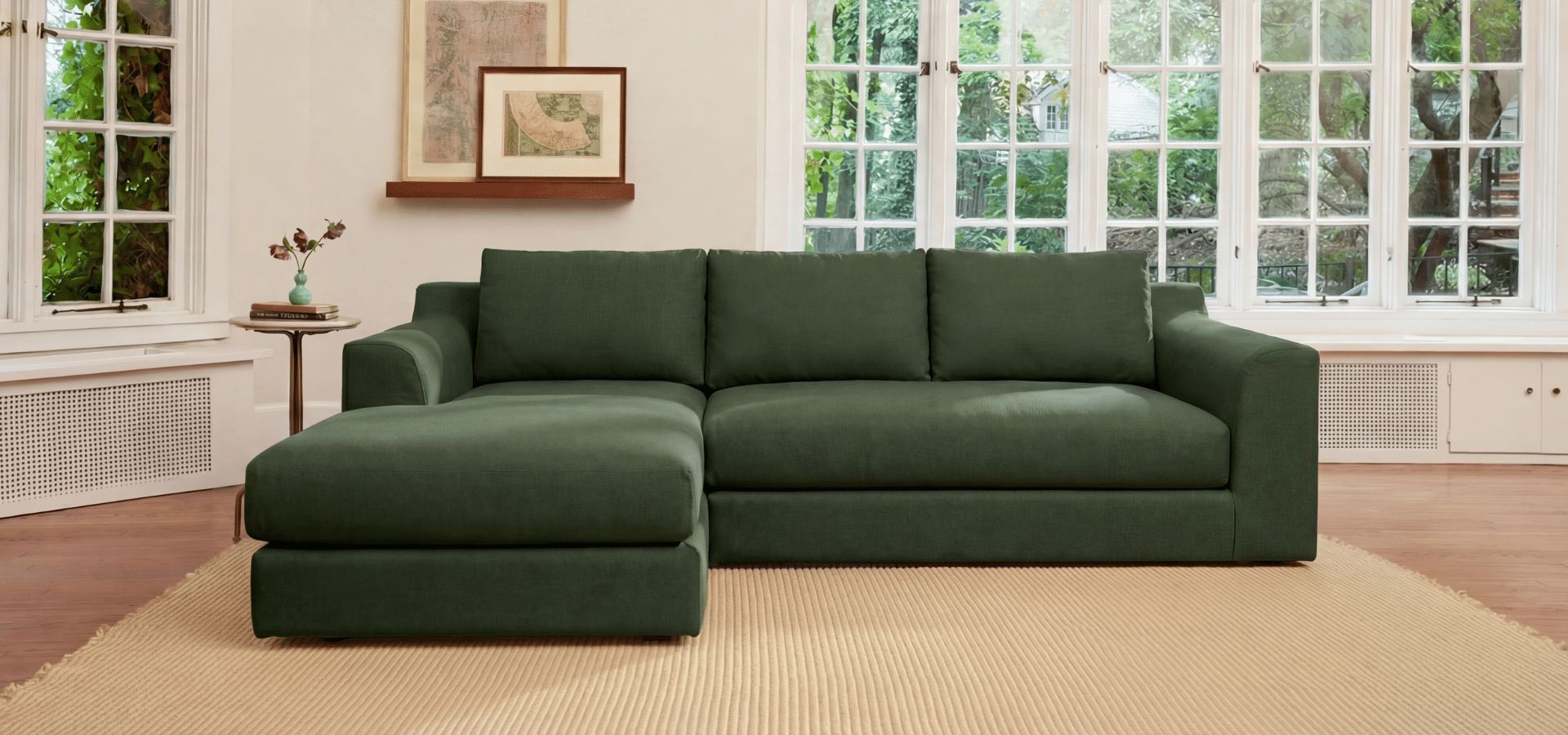
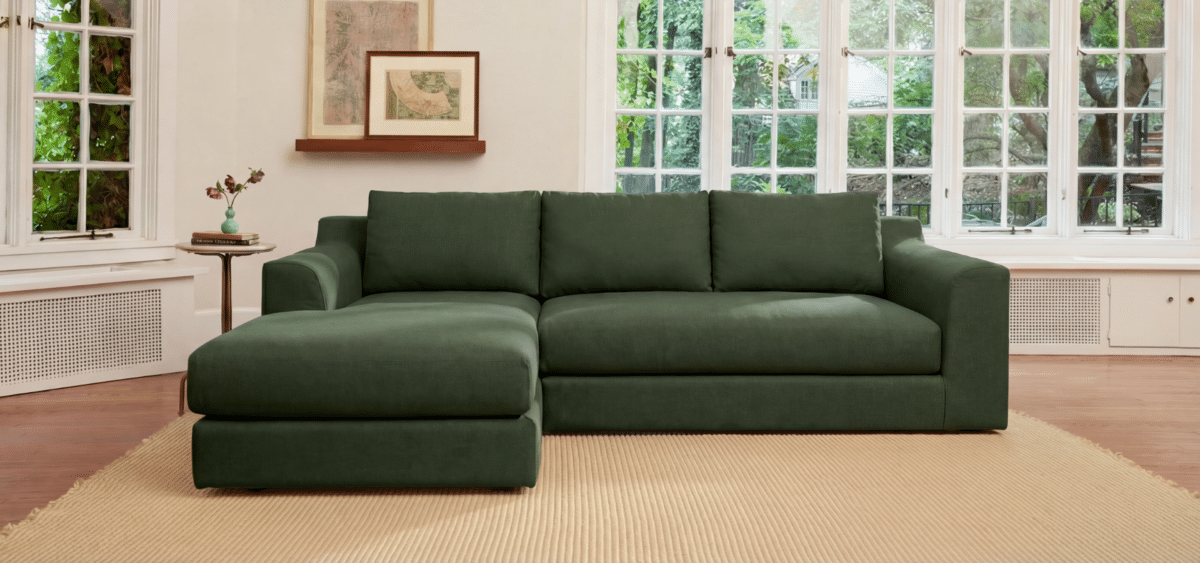
Sabai Essential Sectional From $1,895
The most genuinely sustainable modular sofa on the market.
- FSC-certified hardwood frame
- Recycled poly + hemp fabric
- Plastic-free packaging
- Fully repairable — replace any part
- Sabai Revive buyback program
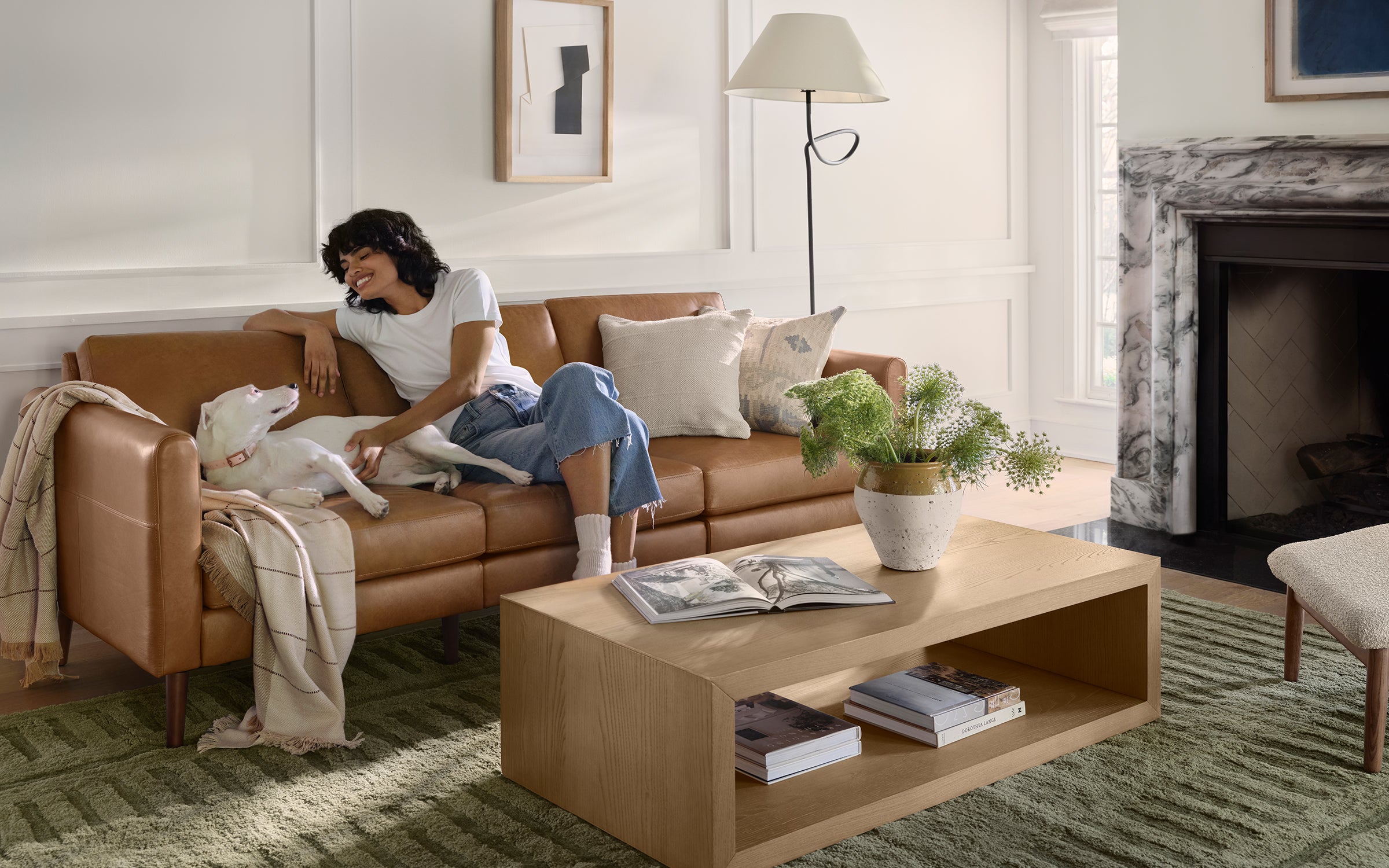
Burrow Nomad Sectional From $2,495
Performance fabric + lifetime warranty = longevity-as-sustainability.
- Lifetime frame warranty
- Stain-resistant performance fabric
- USB in armrest
- Tool-free modular
- Hardwood frame, designed to outlast trends
Spec Sheet — Side by Side
| Feature | Sabai | Burrow Nomad |
|---|---|---|
| Starting Price | $1,895 | $2,495 |
| Frame Certification | FSC-certified | Standard hardwood |
| Fabric | Recycled poly + hemp | Performance synthetic |
| Packaging | Plastic-free | Standard cardboard + plastic |
| Buyback Program | Yes (Sabai Revive) | No |
| Repairability | Every part replaceable | Modules replaceable |
| Warranty | 1 year limited | Lifetime frame |
| Best For | Eco-first buyers | Longevity-as-sustainability buyers |
Round-by-Round Breakdown
Day-One Carbon Footprint Better Fit: Sabai
FSC-certified frame, recycled fabric, plastic-free shipping. Sabai’s manufacturing footprint is meaningfully lower than Burrow’s at the moment of purchase.
Lifetime Footprint Better Fit: Burrow
Lifetime warranty + lasting performance fabric means one Burrow can replace 2-3 cheaper sofas. Total embodied carbon is competitive over 20 years.
End-of-Life Better Fit: Sabai
Sabai Revive will buy your sofa back and refurbish it. Burrow has no take-back program.
Repairability Better Fit: Sabai
Every component on a Sabai is replaceable — fabric panels, foam, frame parts. Burrow lets you swap modules but not individual components.
5-Year Cost of Ownership
Frequently Asked Questions
Is Sabai’s sustainability messaging real or greenwashing?
Real. Sabai has third-party FSC certs, verified recycled content, and a working buyback program. They’re the most credibly eco-friendly DTC sofa brand we’ve reviewed.
Will a Burrow actually last longer than a Sabai?
Likely yes — Burrow has a lifetime frame warranty vs Sabai’s 1 year. Burrow’s performance fabric also resists day-to-day wear better than Sabai’s recycled fabric.
Which is better with kids and pets?
Burrow — performance fabric handles spills. Sabai’s recycled fabric stains easily.
If I value eco AND durability, which should I pick?
Honest answer: split the difference and look at Lovesac. Lifetime warranty + washable + replaceable covers gives you Burrow’s longevity AND avoids Sabai’s stain issues.
Visit Yawnder Encinitas
We test sofas in our San Diego showroom (1441 Encinitas Blvd) so we can match you with the right brand for your room, your body, and your budget. Stop in or call us before you order online.
How Sabai and Burrow differ in practice
Both sofas end up in the same shortlists, but they are solving different problems. Sabai leans on a genuinely repairable, lower-impact build, while Burrow leans on stain-resistant performance fabric with tool-free assembly. That difference shows up less on a spec sheet than in the first year of living with either one.
Sabai: where it wins and where it does not
Sabai is the option to pick when sustainability has to be more than a marketing line: certified wood, recycled and natural fabric options, minimal plastic in the packaging, and replacement parts sold individually so a worn cover or a damaged leg does not condemn the whole sofa.
The catalogue is smaller and the aesthetic is deliberately simple. Fewer configurations, fewer fabric novelties, and shorter warranty coverage than the big modular systems. Best for buyers who plan to keep and repair one sofa for a decade rather than replace it at the next move.
Burrow: where it wins and where it does not
Burrow is built around mess tolerance. The performance weave sheds most spills long enough to blot them, the frame ships in boxes a single person can carry upstairs, and the modules lock together without tools, so a move or a reconfiguration is an evening job rather than a delivery appointment.
The trade-off is texture. Performance weaves feel tighter and more technical than natural linens, and the tailored silhouette reads more contemporary than cozy. If you want a sink-in, rumpled look, Burrow is not it. Best in family rooms, rentals and second homes where the sofa has to survive kids, dogs and repeated disassembly.
Which one fits your household
- Lowest environmental footprint? Sabai.
- Household with heavy mess risk? Burrow.
- Plan to repair rather than replace? Sabai — parts are sold individually.
- Moving frequently? Burrow modules are built for repeat teardown.
- Budget-first? Sabai starts lower.
Fit the room, not the photograph
Catalogue images are shot in oversized rooms, so proportions read smaller than they live. Before ordering, mark the outline with painter’s tape and leave it down for a day: you will immediately see whether doors clear, whether the coffee table still works, and whether the walkway behind the sofa survives. Keep 30 to 36 inches of circulation on the main path and at least 14 to 18 inches between the seat edge and the table.
Seat height matters as much as footprint. Lower seats look longer and lounge better; higher seats are easier to get out of and suit older knees and formal rooms.
Upkeep, wear and how it ages
Expect the seat you use most to soften first. Rotating cushions monthly is the single highest-value habit for keeping a sofa looking new, followed by keeping it out of direct afternoon sun, which fades dyes and dries out leather. Vacuum with an upholstery head rather than a beater brush, and keep the manufacturer’s care code — cleaning a W-code fabric with a solvent, or an S-code with water, is how good sofas get ruined.
If pets share the sofa, a washable throw over the favourite corner outlasts any fabric upgrade.
Cost of ownership over five years
Compare these two the way you would compare cars, not sneakers. Add the sofa price, the fabric upgrade you will actually pick, delivery, any protection plan, and one realistic maintenance event — a replacement cover set or a spare cushion insert. A cheaper sofa that cannot be repaired often costs more across five years than a pricier one with parts you can buy individually.
Keep the order confirmation and the model name somewhere findable; parts requests go much faster when you can quote them.
Frequently asked questions
Which is the greener choice overall?
Sabai on materials, packaging and repairability. Burrow narrows the gap on longevity if the performance fabric keeps the sofa in service longer, since the greenest sofa is the one you do not replace.
Does performance fabric contain harmful chemistry?
Treatments vary by mill and by year. Ask for the current fabric certifications and finish disclosure on the exact textile you plan to order rather than relying on category assumptions.
Can either be recycled at end of life?
Component recycling depends entirely on local facilities. A parts program that extends the sofa’s life is the more reliable environmental lever.
Which has stronger frame coverage?
Compare the current warranty terms directly on each brand’s site — frame coverage differs sharply from cushion and cover coverage on both.
Prices, warranty terms and configuration availability change often. Check the current listing on the brand’s own site before ordering, and confirm the return policy for the exact configuration you want.