

By Ben Trapskin · Yawnder mattress reviews
The Pillow Cube mattress was designed around side sleepers, with a shoulder zone intended to give more than the area supporting the hips. Here’s what stood out in our original review and what to know about the current lineup.
Best match: dedicated side sleepers interested in a zoned hybrid. Think twice: sleepers who prefer an even, firm surface or want an all-foam feel. No mattress can guarantee relief from shoulder or neck pain.
Our original side-sleeper experience
Shoulder pressure is one reason I sometimes roll from my side onto my stomach. The model we reviewed tried to address that by letting the shoulder area compress more while offering firmer resistance beneath the hips and torso. In our experience that combination made side sleeping feel more sustainable than simply making the whole surface softer.
Pairing it with a Pillow Cube pillow made the design concept more coherent for me: both were intended to support a side-sleeping position. Pillow height and mattress firmness still need to fit the individual. These observations relate to our earlier sample and are not a new test of the current lineup.
Watch our original Pillow Cube mattress unboxing. The video’s prices and trial language are historical.
Watch our original Pillow Cube mattress unboxing
Our 2023 video shows the mattress from the earlier review; prices and trial language are historical.
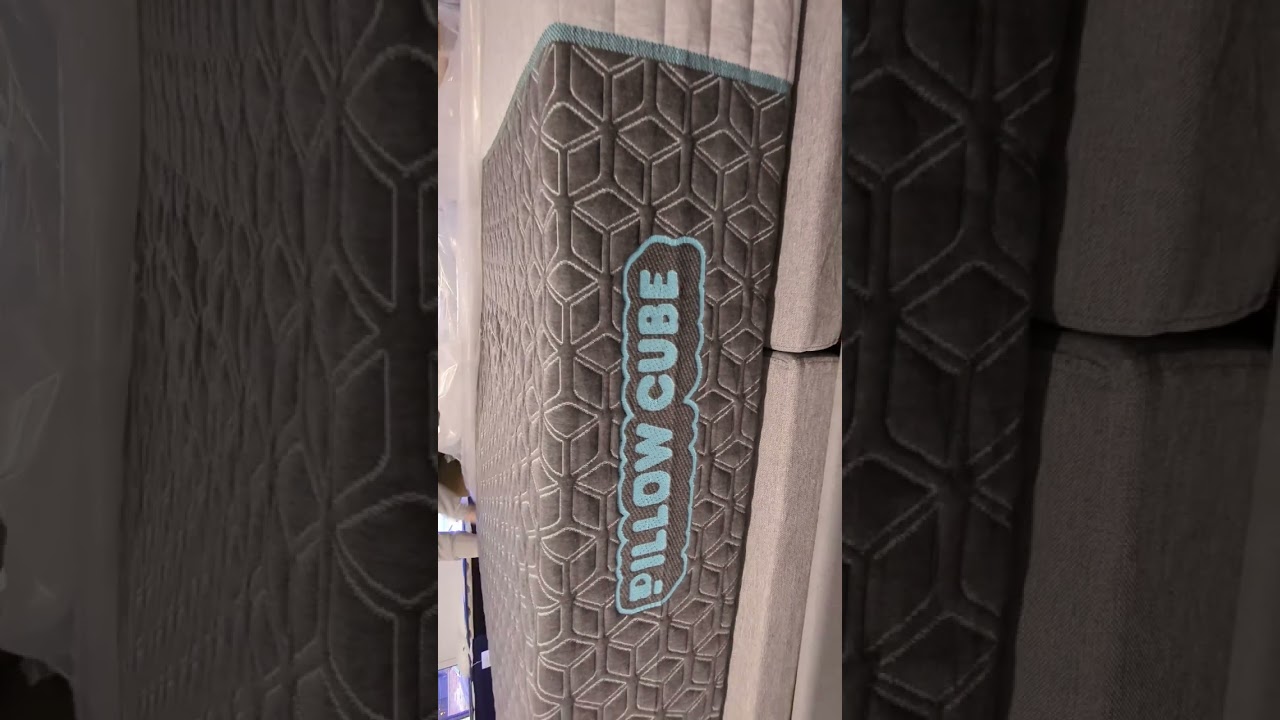
Construction and zoning
The hybrid we reviewed used foam over pocketed coils, with a softer shoulder zone and more resistance beneath the hips. Its comfort system used softer foam above denser transition material, and its reinforced perimeter supported the edges. These details describe the reviewed version; compare the exact specifications of any current model.


Who should consider it?
Side sleepers: the shoulder zone is the main reason to consider it, especially if a uniformly firm bed feels uncomfortable. Body size and shoulder width affect how much the zone compresses. Back and combination sleepers: try both positions; a specialized side-sleeper design may feel different when you roll over. Stomach sleepers: a firmer, flatter mattress may suit those who need more support beneath the hips.
Coils can add responsiveness, while foam can cushion movement. We do not have current standardized cooling, edge-support or motion-isolation measurements for the current model, so test these qualities yourself during an eligible trial.
Current lineup and trial
| What to compare | Our original sample | Current Deluxe Hybrid |
|---|---|---|
| Construction | Foam over pocketed coils in the version we reviewed | Manufacturer lists foam and pocketed coils; check current specifications |
| Intended feel | Our observations describe a softer shoulder zone and more support beneath the hips | Marketed to side sleepers; individual comfort varies |
| Testing | Our firsthand observations apply to the earlier sample | We have not published current standardized test measurements |
Pillow Cube currently lists a Deluxe Hybrid with pocketed coils, foam and shoulder and hip zones, alongside foam models. Do not assume the current version matches the older sample or that our experience applies to every model.
The company’s mattress return policy describes a 100-night satisfaction period and asks customers to sleep on the mattress at least 90 days. Returns and exchanges are limited to the contiguous 48 states, and unopened mattresses can incur return shipping charges. Confirm deadlines, fees, eligibility and the terms of your seller before ordering; pillow return policies are separate.
Frequently asked questions
Is Pillow Cube’s mattress just for side sleepers?
Its design emphasizes side sleepers, particularly shoulder accommodation, but the right feel depends on your body and all the positions you use.
Is the Deluxe Hybrid all foam?
No. Pillow Cube lists a pocketed-coil support system with foam layers for the current Deluxe Hybrid. Its foam mattresses have different constructions.
Will it cure shoulder pain?
No mattress can promise that. A surface that fits your body may feel more comfortable, but persistent pain deserves appropriate professional advice.
How long is the mattress trial?
The manufacturer’s mattress-specific policy describes 100 nights and asks for at least 90 nights of use. Check the current written policy before purchase.
Disclosure: Yawnder may earn a commission from qualifying purchases. Testing refers to our earlier sample; terms and construction can change.