

Original verdict: Ben found the older Novosbed medium model closer to medium-firm, with a traditional contouring memory-foam feel and excellent motion isolation. Its Comfort+ layer made the surface noticeably softer. The review describes the sample provided to Yawnder, not a current mattress test.
Novosbed offered a way to adjust a mattress after delivery rather than asking every buyer to commit to one feel. Ben received a queen mattress and a Comfort+ kit for the original review; here are his actual observations.
Yawnder original Novosbed mattress review
Our original hands-on review shows the older Novosbed. Current models, policies and availability may differ.
How the original Novosbed felt
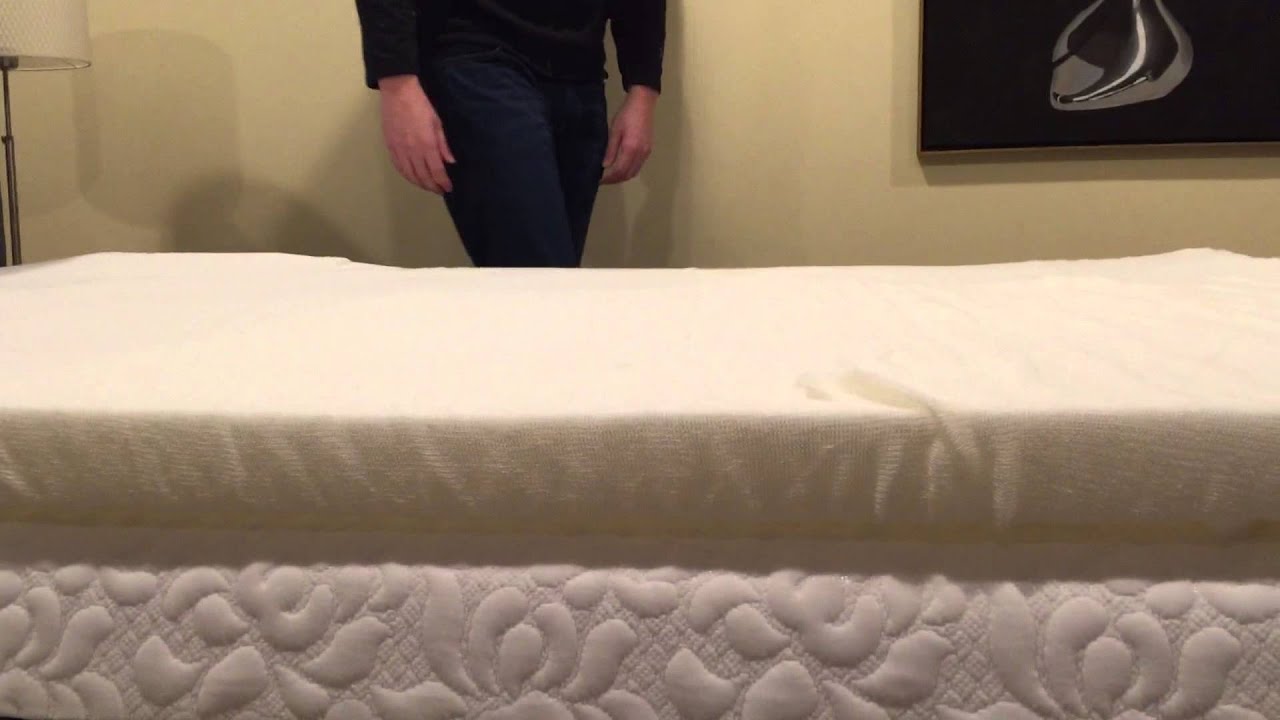
Ben described the mattress as gradually contouring around his body and recovering more slowly than a responsive foam or latex bed. He found the medium sample a little firmer than its label suggested. His recommendation was to allow several weeks to judge the feel as the mattress and sleeper settled in; that is his historical advice, not a current return requirement.
He liked the combination of a removable outer cover, a separate inner cover and dense foam layers. The reviewed mattress was approximately 11 inches thick before adding an adjustment layer. Those details belong to the original version.
What the Comfort+ kit changed
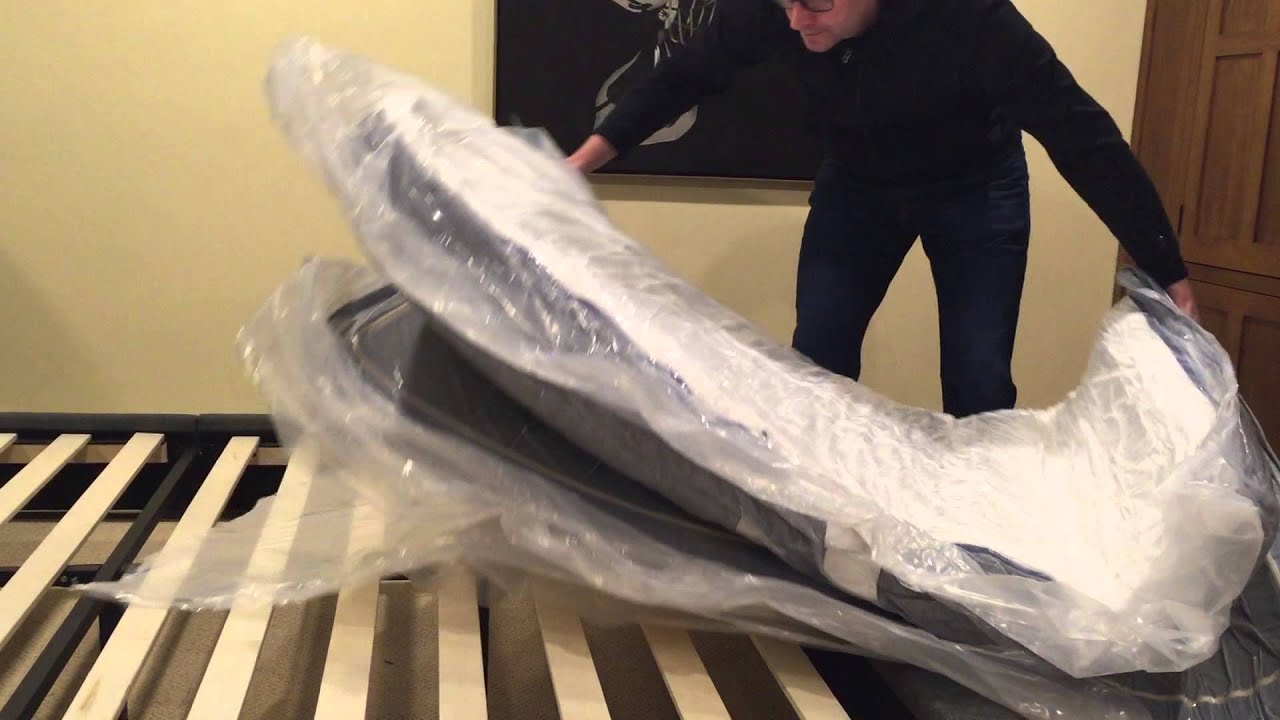
The original Comfort+ system added an insert under the cover to change the surface feel. Ben received a softening layer and found it created more of a pillow-top sensation. He was comfortable without it, while his wife preferred the softer setup. The original article also pictured a firmer option.

Availability and terms for the historical kit should not be assumed to apply to a newer product. Follow your own mattress’s instructions before opening or altering a cover.
Novosbed Comfort+ unboxing and demonstration
Ben shows how the original Comfort+ kit adjusts the mattress feel.
Motion transfer and tradeoffs
Ben observed very little motion transfer in his original demonstration and recorded an accelerometer reading. He viewed isolation as one of the bed’s strengths for couples. A slow-response foam feel may appeal to people who like a close cradle, while sleepers who want bounce or very easy repositioning may prefer a more responsive surface.
The original review anticipated good longevity, but a short test cannot establish a precise lifespan. Temperature and pressure relief also vary by sleeper, room and bedding.
Original test demonstrations
These clips show the older Novosbed sample under specific test conditions, rather than standardized scores for a current model.
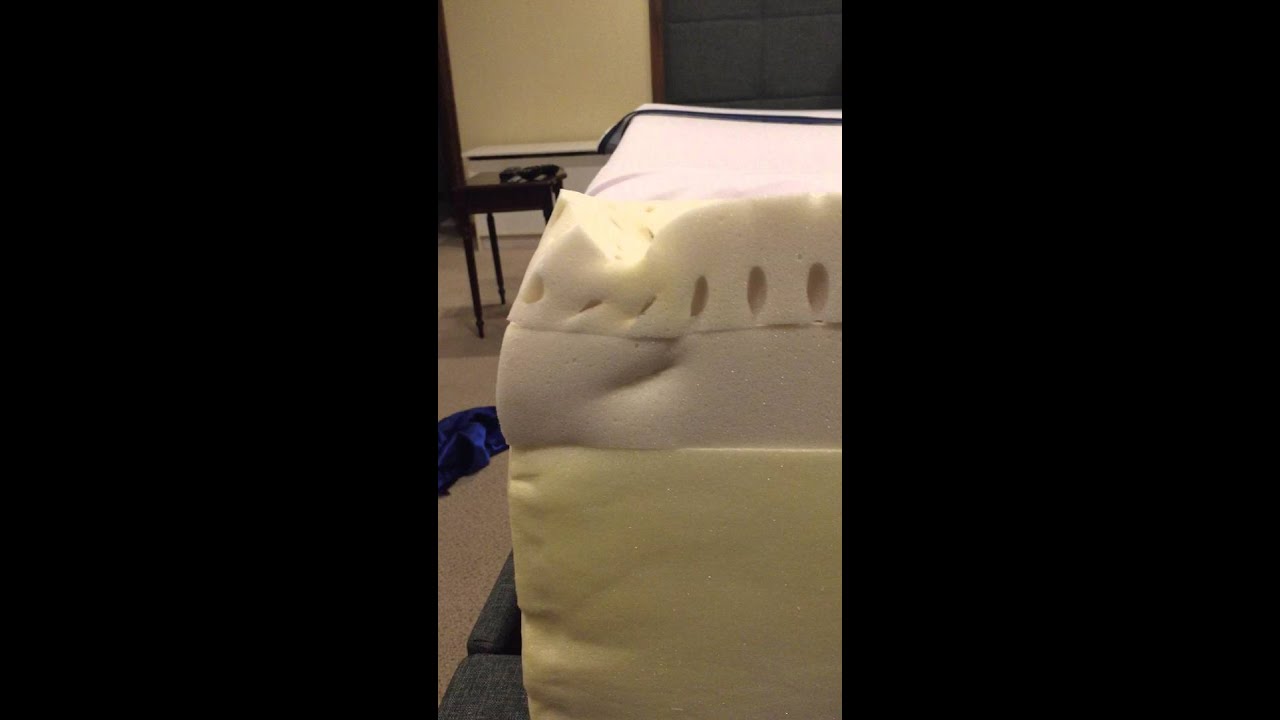
Original Novosbed foam response
A hands-on demonstration of how the original foam compresses and recovers.
Original Novosbed motion-transfer test
A bowling-ball demonstration of movement on the original mattress.
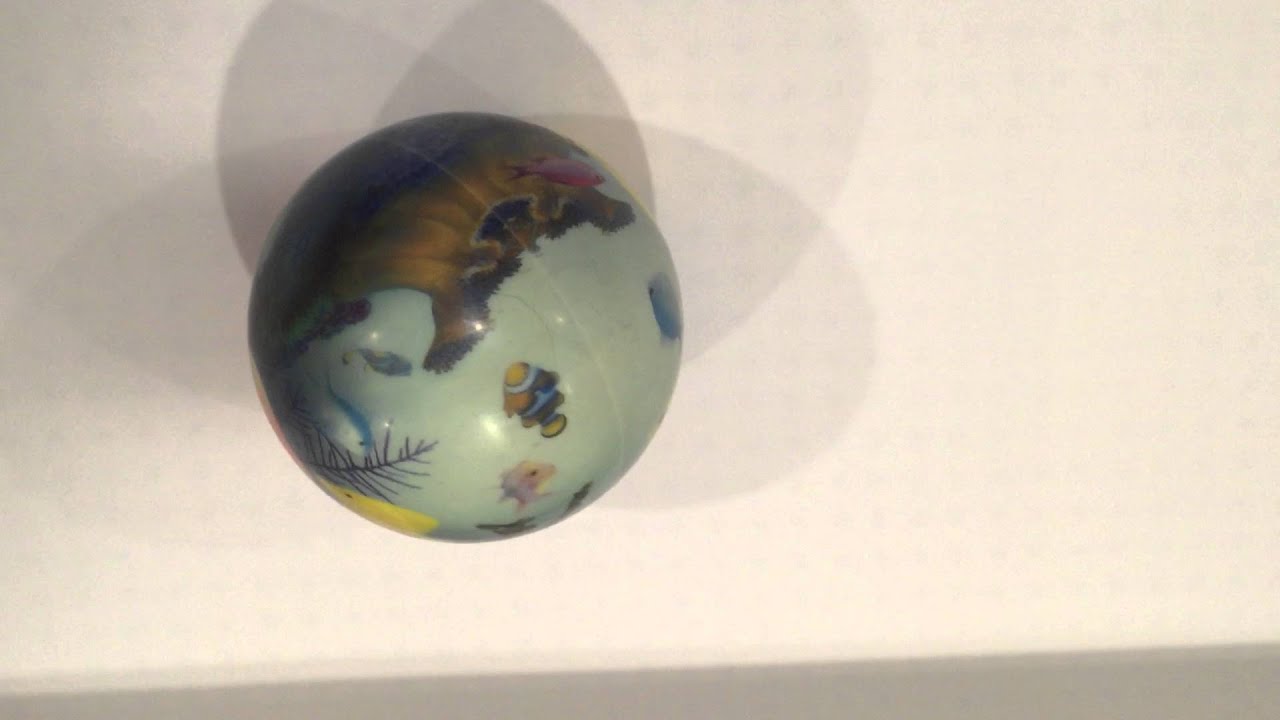
Original Novosbed bounce test
A bowling-ball bounce demonstration on the earlier sample.
For a different historical model, see our Novos Bed REM heat-retention demonstration.
What to know when shopping today
GoodMorning’s company profile identifies Octave as formerly known as Novosbed. We have not verified that any current Octave mattress has the same layers or Comfort+ system as Ben’s sample. Confirm construction, availability and the sales region before comparing them.
Historical prices, trial periods and warranty terms are not current offers. Verify the exact seller’s policies and any return fees before buying.
Frequently asked questions
Was the tested Novosbed firm?
Ben described the medium sample as feeling closer to medium-firm, with a contouring upper layer.
Did Comfort+ change the feel?
Yes. In his test, the soft insert made the mattress noticeably plusher; his wife preferred it.
Is a current Octave mattress identical?
We have not verified that. Compare the current specifications and policies for the exact model.
Compare this mattress against 142 tested mattresses
Sort all 142 mattresses we have tested by pressure relief, support, cooling, motion isolation, edge support, price, trial and warranty, then filter by how you actually sleep. Of those, 84 hold a complete standardized record and 41 a partial standardized record.