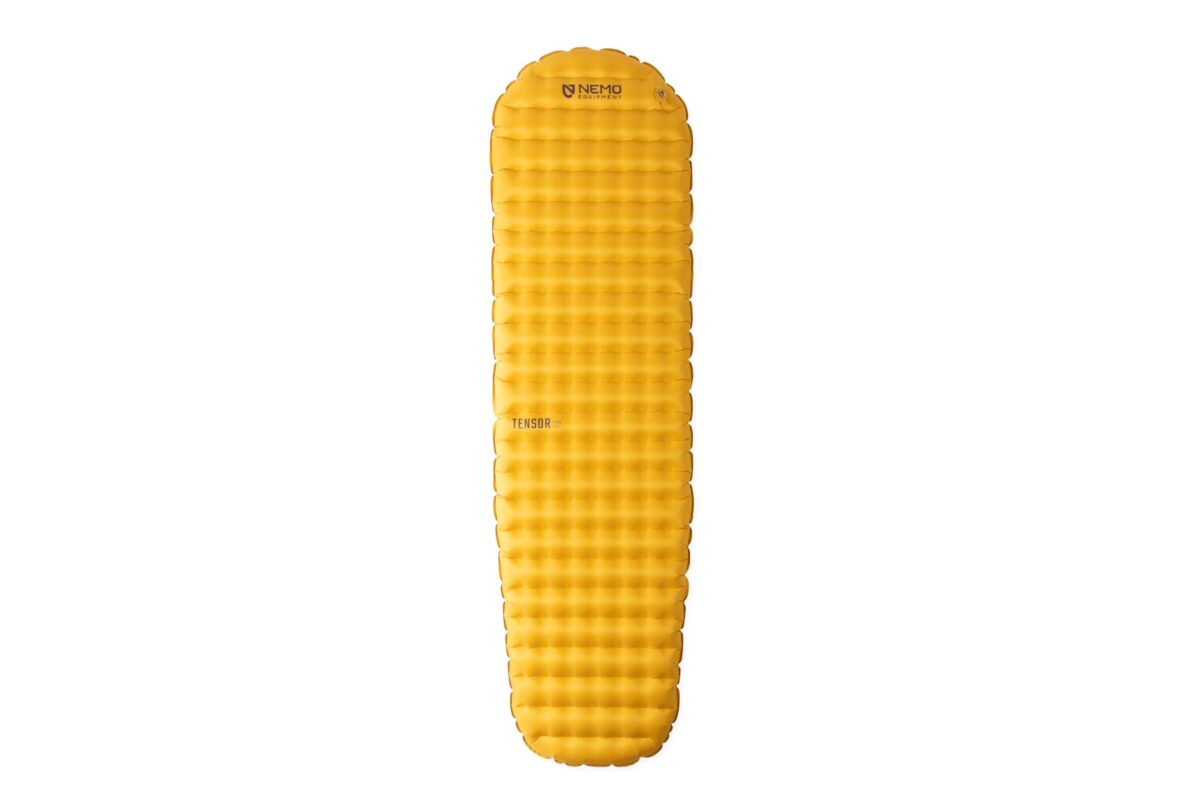
A sleeping pad provides both cushioning and insulation from the ground. This guide compares manufacturer descriptions and buying considerations; it does not claim a new hands-on test of these models. Features, prices and sizes can change.
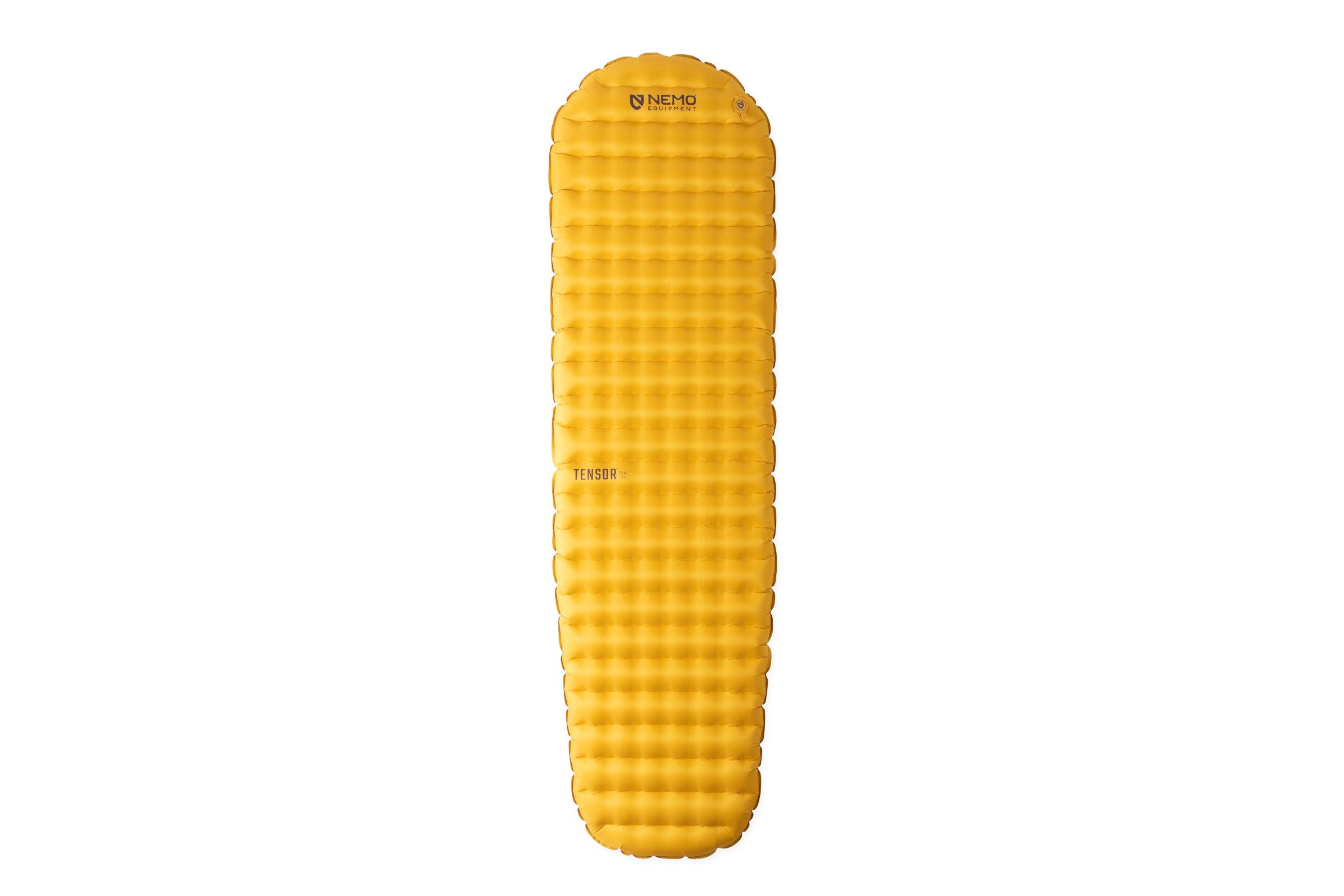
NEMO sleeping pads compared
| Model | Best starting point | Trade-off |
|---|---|---|
| Switchback | Closed-cell foam for simple setup and puncture resistance. | Bulkier on a pack and generally less cushioned than thick air pads. |
| Tensor Trail | Packable insulated air pad for backpacking. | Needs inflation and can be punctured. |
| Roamer | Self-inflating mattress for car camping or a roomy base camp. | Bulk and weight make it less practical for long backpacking trips. |
Before ordering, compare the current specifications for the particular size and version. An older product or different regional listing may have different specifications.
How to choose a sleeping pad
Insulation and conditions
R-value measures resistance to heat flow; a higher value generally means more insulation from the ground. Match the pad to the expected conditions and your sleeping bag. Cold ground can make a warm bag feel inadequate. REI’s sleeping-pad guide explains how R-value fits into a complete sleep system.
Size and comfort
Check length, width and thickness against your height, sleeping position and tent floor. Wider or thicker pads may feel better to some side sleepers, but comfort is personal. Compare packed dimensions as well as weight; foam pads can be light yet bulky.
Inflation and durability
Foam needs no inflation and remains usable if punctured. Inflatable pads pack smaller but need a pump or inflation and may leak. Bring the recommended repair kit and protect the surface from sharp objects.
Care and storage
Follow NEMO’s instructions for your exact model. Clean and dry a pad before storage, protect it from sharp objects, and check valves and seams before a trip. For long-term storage, follow the manufacturer’s directions for whether to keep your specific pad rolled or unrolled.
Frequently asked questions
Is a higher R-value always better?
Higher insulation can help in cold conditions, but may add cost or weight. Choose for your trip rather than maximizing a number automatically.
Is a foam pad puncture-proof?
A closed-cell foam pad does not rely on air pressure, so a puncture will not deflate it. It can still tear or wear.
Can I use a car-camping pad for backpacking?
You can if its packed size and weight suit your route, but a bulky self-inflating mattress is usually less convenient to carry.