

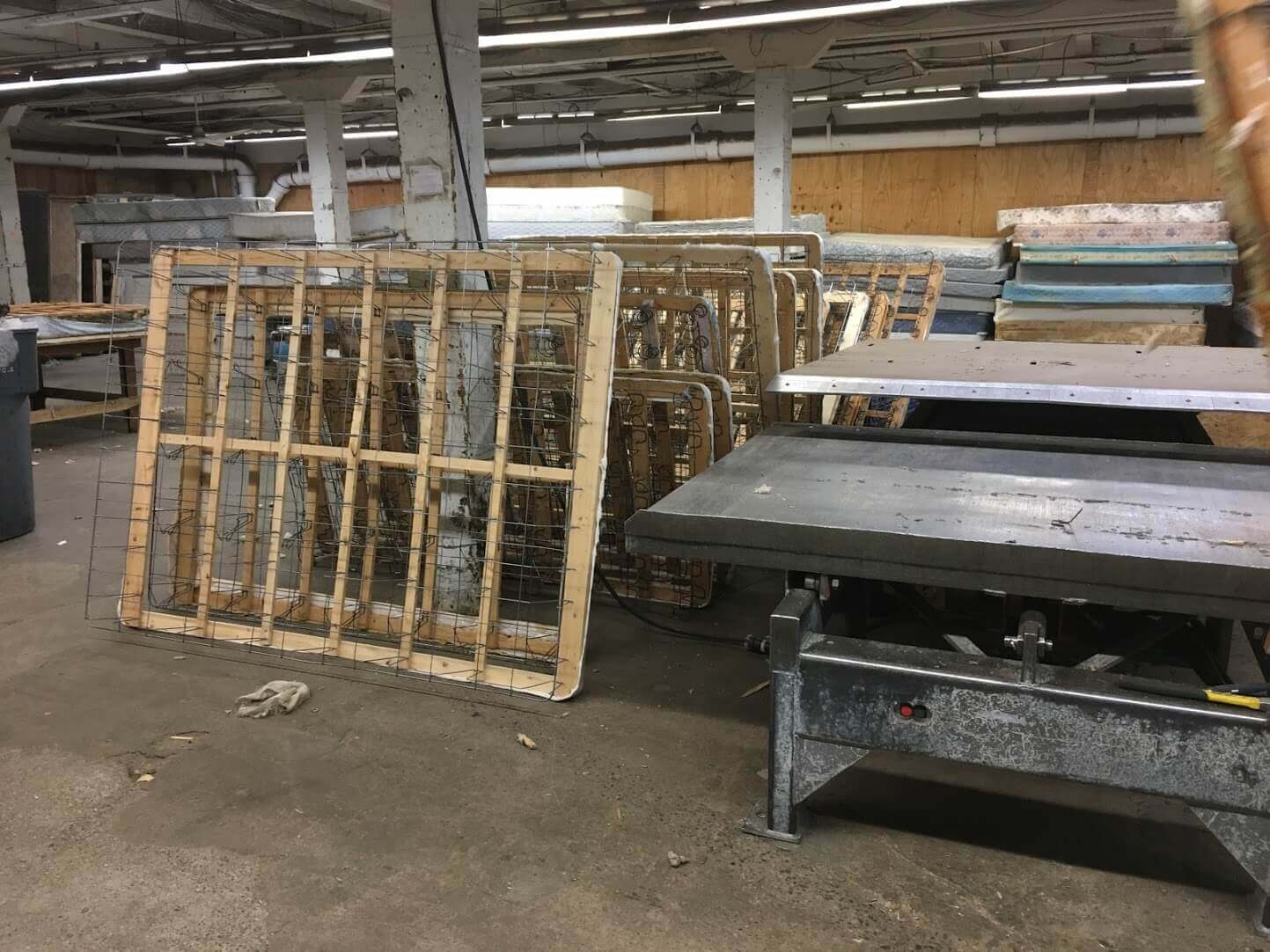
The Real History of the Box Spring (And Why You Probably Don't Need One)
Look, I’ll give it to you straight. Most people walking into our 5,400 sq ft showroom at 1441 Encinitas Blvd ask me if they need a box spring with their new mattress. My answer? Usually, no.
I'm Ben Trapskin. As someone who rigorously tracks my HRV and autonomic nervous system health, I know that your sleep setup directly impacts your recovery. A sagging, outdated base will ruin a top-tier mattress, wreck your spinal alignment, and tank your sleep scores. At Yawnder, we don't sugarcoat things—it's why we were awarded Best Mattress Store by San Diego Magazine in 2024 and 2025. We want you in the right bed, on the right base, without upselling you on a box spring you don't actually need.
Let’s dive into what a box spring actually is, where it came from, and what you should be using today.
A Brief History of the Box Spring
The box spring has a surprisingly long history, dating back to the early 19th century. Back then, mattresses were essentially giant sacks stuffed with feathers, cotton, or wool, tossed directly onto a wooden bed frame. It was lumpy, uncomfortable, and a magnet for dust and dirt underneath the bed.
In the mid-1800s, James Marshall invented the first coil spring mattress. It was a massive upgrade for comfort, but placing those springs directly on a rigid bed frame caused the mattress to sag aggressively over time.
Enter the box spring. The earliest versions were wooden frames covered in woven wire and steel coils. They provided a stable, supportive base that absorbed shock, prolonged the lifespan of the mattress, and improved overall sleep comfort. For over a century, the traditional mattress and box spring combo was the undisputed king of the bedroom.
What is a Traditional Box Spring?
A traditional box spring is composed of a wooden frame, heavy-gauge steel springs, and a cloth cover. Its original purpose was to act as a shock absorber for innerspring mattresses.
When you applied weight to the bed, the box spring's wires would compress slightly, giving the bed a bit more bounce and taking some of the wear and tear off the mattress itself.
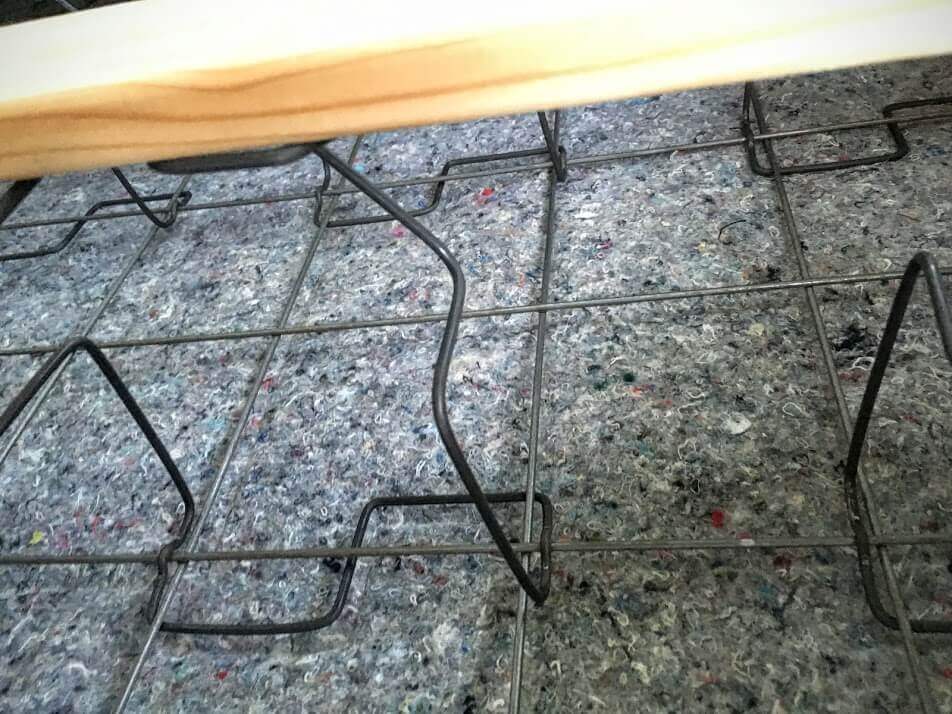
As you can see above, those thick wires had "give." Old innerspring mattresses were engineered with this exact bounce in mind.
The Modern "Box Spring" (Spoiler: There are no springs)
Today, the mattress industry has evolved. With the rise of memory foam, latex, and advanced hybrid materials, a bouncy base is actually the last thing you want. You want rigid support.
Because of this, modern box springs have entirely dropped the springs. They are essentially just wooden slats built into a box, wrapped in a fabric cover.
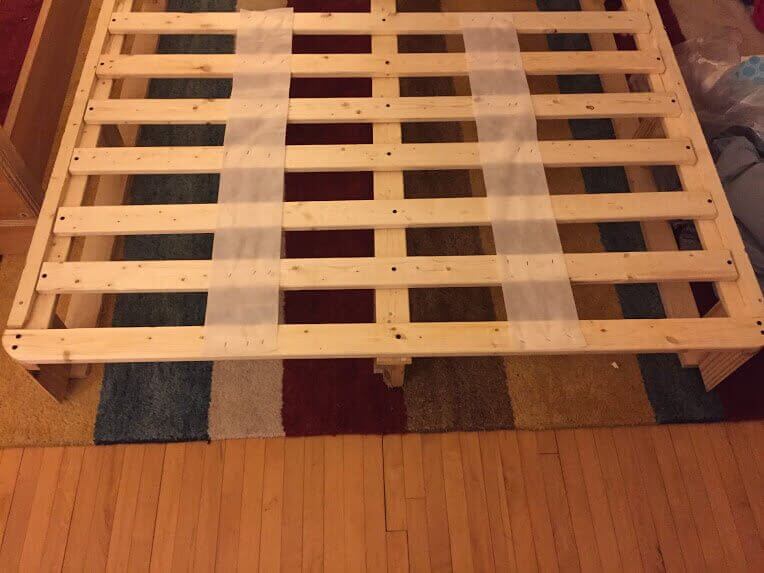
You can buy these shipped in a box off Amazon for under $200. They assemble in minutes and provide the flat, rigid support modern beds require.
The Yawnder Verdict: Do You Need One?
If you're wondering if you need a box spring, here is my rule of thumb: If your current box spring is older than 10 years, get rid of it. If you push down on it and it feels springy or sags, throw it out immediately. It will destroy your new mattress.
Honestly, you probably don't need a box spring at all. A quality platform bed with a sturdy slat system (like the ones from Zinus) does the exact same job, often looking a lot cleaner in your bedroom.
Pro Tip: Don't feel pressured by mattress companies telling you that you must buy their specific box spring to maintain your warranty. As long as your base has rigid, closely spaced slats (usually no more than 3 inches apart), your warranty is perfectly safe.
Box Spring vs. Foundation: What's the Difference?
While the terms are used interchangeably today, historically, they are very different products.
| Feature | Traditional Box Spring | Foundation / Modern Box Spring |
|---|---|---|
| Internal Structure | Wooden frame with steel coils/springs. | Sturdy wooden frame with wooden or metal slats. |
| Purpose | Absorb shock and add "bounce". | Provide a rigid, flat surface for even weight distribution. |
| Best For | Older, traditional innerspring mattresses. | Memory foam, latex, and modern hybrid mattresses. |
Box Spring FAQ
No. Boxed mattresses from brands like Nectar, Purple, and Saatva are designed to work perfectly on solid foundations, platform beds, or slatted frames. In fact, putting a heavy memory foam or grid mattress on a springy, old-school box spring can ruin the bed and void your warranty.
Absolutely not. Adjustable bases provide their own rigid platform that bends and moves. If you put a box spring on top of an adjustable base, the bed won't be able to articulate, and you'll likely damage the motors.
A well-made box spring or foundation generally lasts between 8 to 10 years. If you're upgrading your mattress, it's usually the right time to evaluate your base.
Depending on materials, a modern box spring or foundation ranges from $100 for a twin to around $600 for a premium king size. You can find them anywhere: directly from mattress brands, furniture stores, or online via Amazon and Wayfair.
