
If allergies affect your sleep, start by identifying your triggers and choosing bedding you can maintain. If you frequently wake up feeling discomfort from a stuffy nose, itchy eyes, or other allergy symptoms, it’s time to rethink your sleep essentials. This comprehensive guide presents the best hypoallergenic products to make bedding easier to clean and potentially reduce exposure to some common allergens.
Why Choose Hypoallergenic Sleep Products?
The word hypoallergenic alone does not identify which allergen a product blocks or prove that it will relieve symptoms. Products labeled hypoallergenic may use materials or covers designed to reduce allergen accumulation, but the label is not a guarantee of symptom relief or a healthier bedroom. Given the importance of a good night’s sleep, let’s discover the best hypoallergenic options available.
Start with the allergen, not the label
For dust-mite allergy, the American Academy of Allergy, Asthma & Immunology recommends allergen-barrier covers for mattresses, pillows and box springs, along with regular bedding care and humidity control. Covers can reduce exposure but are not a cure. Check whether a product covers all sides, closes fully and makes a specific dust-mite-barrier claim.
AAAI advises weekly hot-water washing for suitable bedding; check fabric labels and ask an allergist about alternatives if a product cannot tolerate the recommended temperature. For persistent symptoms or possible latex allergy, consult a clinician. Read more in our allergy protector comparison and encasement guide.
Best Hypoallergenic Mattresses
Choose a comfortable, compatible mattress and address the relevant allergen separately. No mattress material guarantees relief from dust-mite allergy. The following are material examples, not a tested allergy ranking.
Latex Mattresses
Natural latex comes from rubber tree sap and often has a responsive feel. It is not chemical-free or guaranteed to prevent dust mites or mold. People with a latex allergy should discuss avoidance with their allergist before considering latex bedding.
Wool Mattresses
Wool can absorb and release moisture, but it does not make a bed immune to dust mites or mold. Comfort and care needs vary by construction.
Hybrid Mattresses
Hybrids combine coils with comfort layers such as foam or latex. Check the exact materials, cover, care instructions and your sensitivities; hybrid construction does not establish allergy protection.
My Green Mattress Natural Escape
Type: Hybrid
Firmness: Medium-firm (7/10)
Trial Period: 365 nights for eligible direct purchases; retailer terms vary
Warranty: Confirm current manufacturer terms
Consider: Organic material certifications and a latex-and-coil construction; verify feel and current specifications.
Cons: Limited motion isolation, may feel firm for side sleepers, higher price point.
The manufacturer lists organic certifications for the Natural Escape. Certifications have specific scopes and do not mean a product is chemical-free or suitable for every allergy.
WinkBeds EcoCloud
Type: Latex foam hybrid
Firmness: Medium (5)
Trial Period: Check current seller terms; manufacturer pages may differ
Warranty: Confirm current manufacturer terms
Pros: Pressure-relieving support, environmentally friendly materials.
Cons: Softness may not suit heavier stomach sleepers.
The EcoCloud uses latex; compare the feel and materials, and consult an allergist if you have a latex sensitivity.
Best Hypoallergenic Pillows
Selecting the right pillow is vital in achieving a restful night, particularly for allergy sufferers. Here’s a look at some of the finest hypoallergenic pillows available:
Down Alternative Pillows
Amazon Basics Down-Alternative Pillow
This down-alternative option may appeal to shoppers avoiding down. Check the selected pillow’s care label and materials.
Buffy Cloud Pillow
Constructed from recycled materials, this pillow provides a soft feel and eco-friendly credentials.
Memory Foam Pillows
Coop Sleep Goods EdenCool Pillow
This adjustable-fill pillow lets you change the loft; check current materials and care directions.
Tempur-Neck Pillow
This contoured memory-foam pillow has a firmer feel; check the fit, cover and care instructions.
Latex Pillows
Avocado Green Pillow
This eco-conscious option combines organic latex and kapok fiber, featuring an adjustable fill for personalized firmness.
Birch Organic Pillow
Blending shredded latex and wool, this supportive pillow caters to side and back sleepers while emphasizing sustainability.
Best Hypoallergenic Bed Sheets
To complete your hypoallergenic sleep environment, selecting the right bed sheets is essential. Here are some beneficial materials:
Cotton
Cotton sheets are widely available and often washable; check the label and choose a feel that suits you.
Egyptian Cotton
Egyptian cotton describes a cotton type; it does not by itself make a sheet an allergen barrier.
Bamboo-Derived Viscose
Bamboo-derived viscose sheets vary in feel and care requirements. The fiber name alone does not establish allergy protection.
Tencel
TENCEL-branded fibers can be made from wood pulp. Feel and skin tolerance vary, so check the exact fabric and care label.
Best Hypoallergenic Mattress Pads and Protectors
Enhancing your sleep experience further, hypoallergenic mattress pads and protectors offer additional layers of comfort and protection against allergens. Here’s what to look for:
Dust Mite and Allergen Barriers
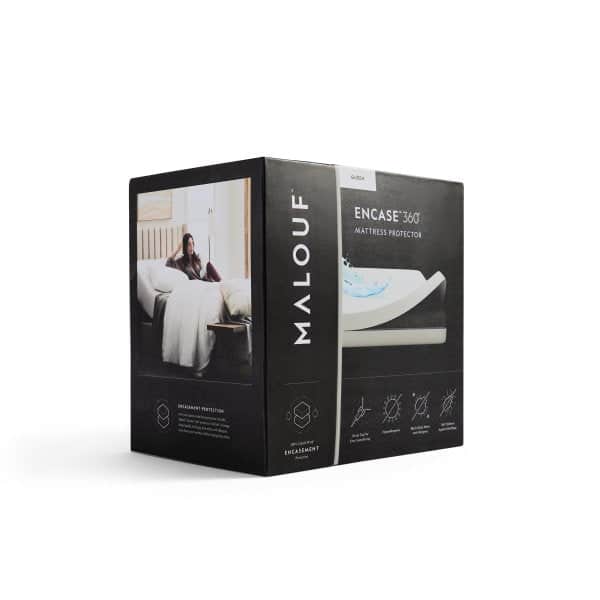
Choose an encasement that specifically claims to block dust-mite allergens, and check its closure, fit and washing instructions.
Waterproof Protection
Waterproof protectors, such as the Perfect Nest Synthetic Filled Mattress Pad, protect against spills while enhancing comfort.
Frequently Asked Questions about Hypoallergenic Sleep Products
What materials are most hypoallergenic for bed sheets?
There is no universally allergy-proof sheet fiber. Choose bedding you tolerate and can wash as recommended, and use a purpose-built encasement if your clinician recommends one.
What types of mattresses are best for dust mite allergies?
No construction eliminates dust mites or guarantees symptom relief. Consider a dust-mite-barrier encasement and discuss your individual triggers with an allergist; latex may be unsuitable for someone with latex allergy.
Conclusion
Products marketed as hypoallergenic can differ widely. Washability, encasements, material transparency, humidity control, and cleaning practices are more meaningful than the label alone.
At Yawnder, we are committed to helping you make informed decisions about your sleeping arrangements. Our reviews focus on materials, construction, washability, care requirements, and product-specific features rather than promising medical effectiveness.
Ready to enhance your sleep experience with our top-quality hypoallergenic products? Explore our curated collection today and discover the perfect items for a healthier sleep. Sleep well, sleep healthy with Yawnder!