
Quick plan: Confirm your dorm mattress dimensions and rules, inspect the bed, then add a washable protector and bedding that fit. If the mattress is too firm, a topper can add cushioning. Check the school’s policies before changing the frame height or bringing a replacement mattress.
Measure and inspect first
- Ask housing for mattress size and dimensions. Twin XL is common, but do not assume every dorm uses it.
- Measure length, width and depth; include any topper when choosing fitted-sheet pocket depth.
- Inspect for damage, persistent dampness or signs of pests. Photograph concerns and contact housing before covering the mattress.
- Check rules for toppers, protectors, lofts, electric bedding and removal of dorm furniture.
Choose a topper for comfort
| Type | Feel and tradeoff |
|---|---|
| Memory foam | Contouring and slower to respond; some sleepers find it warm. |
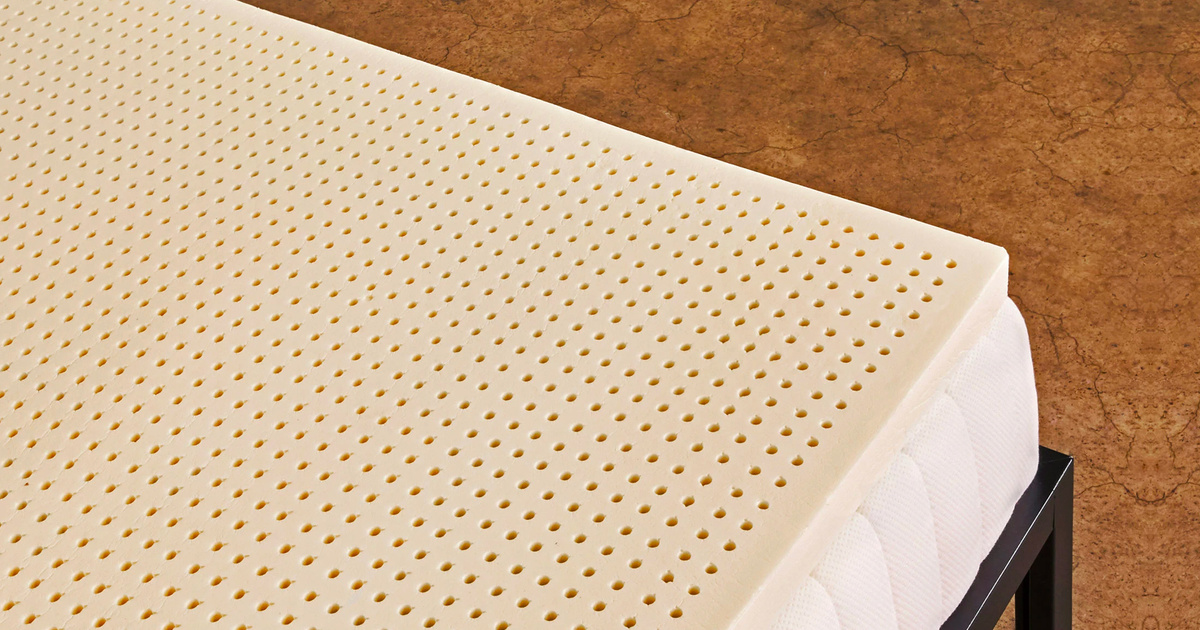
| Latex | Generally more responsive; compare firmness and avoid latex if you have an allergy or your clinician advises against it. |
| Fiber-filled pad | Often easier to fold or wash, depending on the label; usually adds less substantial cushioning. |
| Egg-crate foam | A shaped foam option often sold at a lower price; material and feel vary. |
Start with the amount of cushioning you actually need and compare shipping and returns. Foam generally should not be machine washed unless its instructions say otherwise; a removable cover may have separate care rules. Our egg-crate vs. memory foam guide explains the distinction.
Explore Helix toppers (affiliate link); check the precise model and size, because washability and terms differ.
Pick the right mattress protector
A fitted waterproof protector can help with spills. A full zippered encasement surrounds the mattress on all sides; if bed bugs are a concern, look for one specifically designed and tested for them. A regular waterproof protector is not automatically bed-bug-proof, and an encasement alone does not eliminate an infestation.
The EPA recommends sturdy, fully zippered bed-bug encasements as one part of an appropriate response. Notify housing immediately if you suspect pests; do not apply pesticides or move a potentially infested mattress without guidance.
Choose sheets and a pillow that fit
Buy sheets by the actual mattress dimensions and total depth. Twin XL and twin have different lengths. Cotton, linen, synthetics and blends each vary by weave and weight, so choose the feel and care routine you prefer rather than relying on a universal cooling or hypoallergenic claim. A second set makes laundry easier.
Choose a pillow height that supports your usual sleeping position. Wash the pillowcase and protector according to their labels; check whether the pillow itself can be washed.
Bed height and safety
If you want extra storage, use only lofts or risers approved by your school and compatible with the bed. Ask housing to adjust a university-owned frame rather than modifying it yourself. Check stability, access, guardrail requirements and clearance from ceilings, lights and sprinklers. A bunkie board is a support product, not a general method for safely raising a bed.
Frequently asked questions
Do I need a new mattress?
Not always. If the supplied mattress is damaged, contact housing first; many schools restrict replacement or removal.
Where does the protector go?
Follow the protector’s design. A zippered encasement typically surrounds the mattress; a fitted waterproof protector can go over the mattress or topper if sized for the combined depth.
Will gel foam always sleep cool?
No. A cooling feature may change the feel, but room conditions, bedding and personal preferences still matter.
See our sheet fit guide for more about measuring pocket depth.