

Best Crystals for Sleep and Insomnia (2026)
If you struggle with falling asleep, waking up during the night, or feeling restless at bedtime, the fundamentals come first. But many people also use calming crystals as a bedtime ritual to support relaxation and a more peaceful sleep environment. This guide covers the most popular sleep crystals, how to use them safely, and how to build a simple routine you will actually follow.
Want the short version? Jump to the best crystals for sleep.
Why people use crystals for sleep
Everyone needs quality sleep to feel steady, focused, and emotionally resilient. When sleep is broken, everything feels harder: mood, energy, patience, decision making, and even pain sensitivity. If you are waking in the middle of the night or struggling to fall asleep, it usually helps to use multiple tools instead of hoping one thing fixes it.
Crystals are often used as part of a calming bedtime ritual. The idea in crystal healing is that stones have distinct energetic qualities and that being near them can support relaxation, stress relief, and a more peaceful headspace. Many people find the ritual itself is the real win: a consistent cue that tells your nervous system it is safe to power down.
If insomnia is persistent, severe, or tied to breathing issues, pain, or depression, talk with a clinician. Crystals can be a comfort tool, not a treatment plan.
How crystals got associated with sleep
The idea of using stones for protection and calm shows up across many cultures. While the details differ, the common theme is that certain stones were believed to support peace, reduce fear, and improve rest.
- Ancient Egypt linked stones like lapis lazuli with protection from nightmares and used amethyst for calm.
- Ancient Greece associated amethyst with clarity and used grounding stones for steadiness.
- Many Native American traditions incorporated stones into spiritual practices connected to protection and dreams.
- Traditional Chinese Medicine often connects jade with balance and calming energy.
- Ayurvedic traditions often associate moonstone with soothing energy and emotional balance.
The power of crystals for sleep and insomnia
Crystal healing is commonly explained through energy fields and vibration. Supporters believe crystals interact with a person’s energy and help shift mood, reduce stress, and clear negative emotional charge. Skeptics point out that evidence is anecdotal and outcomes can be influenced by expectation and ritual.
Either way, a consistent calming routine matters. If crystals help you create a nightly habit you actually do, that alone can improve sleep quality over time.
Best way to think about it
- Ritual that cues the brain for sleep
- Environment that feels calmer and more intentional
- Consistency that reduces decision fatigue at night
Best crystals for sleep
Below are the most popular crystals for sleep and relaxation. If you are new to this, start with one crystal and keep the routine simple for two weeks. Track how you fall asleep, how often you wake up, and how you feel in the morning.
Amethyst
Amethyst is one of the most commonly recommended sleep crystals because it is associated with calm, stress relief, and emotional steadiness. Many people use it as a nightstand stone to help quiet mental noise at bedtime.

How people use it
- Place a small piece on the nightstand
- Meditate with it for 2 to 5 minutes before bed
- Hold it while doing slow breathing to reduce stress
Commonly claimed benefits
- Support for stress relief and a calmer mood
- Support for relaxation and better sleep
- Support for mental clarity
- Support for spiritual practices and intuition
If you are very sensitive to stimulation, start with a smaller piece and place it farther from the pillow.
Lepidolite
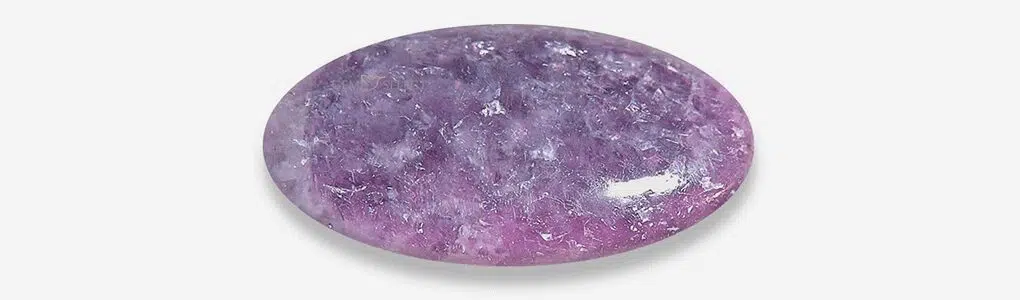
Lepidolite is often called the stone of transition. It is associated with balance and emotional regulation and is sometimes chosen by people who feel restless, overthinking, or emotionally keyed up at night.
How people use it
- Place it near the bed to promote a calmer environment
- Use it during a wind down routine like journaling
- Pair it with gentle breathing or a short body scan
Commonly claimed benefits
- Support for stress relief and reduced anxious energy
- Support for sleep quality and calmer dreams
- Support for emotional soothing and mood balance
Angelite
Angelite is associated with serenity and inner peace. Many people choose it when sleep is disrupted by worry, rumination, or a sense of emotional heaviness.

How people use it
- Keep it on a nightstand or dresser
- Hold it during calming affirmations
- Use it as a visual anchor during bedtime breathing
Important care note
- Avoid getting it wet, as it can be damaged by water
Selenite
Selenite is often described as cleansing and high vibration. People use it to create a calmer atmosphere and to clear heavy energy from a space. It is commonly placed near the bed or used as part of a short nightly reset.

How people use it
- Place a selenite piece near the bed to support a peaceful room
- Use it as part of a nightly reset ritual before sleep
- Pair with dim lighting and a no phone wind down window
Commonly claimed benefits
- Support for stress relief and calmer mood
- Support for sleep and relaxation
- Support for cleansing a bedroom environment
Benefits are mostly based on personal experience rather than scientific research.
What people mean by pure crystals
Purity can refer to clarity, fewer inclusions, or minimal treatment. Some crystals are marketed as high purity due to appearance or origin. In practice, buy from sellers who disclose treatments and sourcing and who provide clear photos.
Examples often described as very pure
| Crystal | Why it is described as pure | Common use in sleep routines |
|---|---|---|
| Clear quartz | Often high clarity and widely available | Amplifying intention and calming rituals |
| Selenite | Translucent white appearance, often used for cleansing | Bedroom calm and environment reset |
| Herkimer diamond quartz | Very clear double terminated quartz | Meditation and intention setting |
| Danburite | Often clear to pale tones with a bright look | Quiet mind rituals and soothing routines |
| Phenakite | Rare and often very clear | Spiritual practice focused sleep rituals |
How to add crystals to your sleep routine
A good routine should be simple. If it takes too long, you will skip it on the hard days, which are the exact days you need it. Pick one crystal and one habit, then build from there.
Five practical ways people use crystals for sleep
- Place a small crystal on a nightstand or dresser as a visual cue for bedtime
- Put a crystal under the pillow only if it is comfortable and does not disrupt your sleep posture
- Do a two minute breathing routine while holding the crystal
- Create a simple bedroom grid with two or three stones placed intentionally
- Wear a small crystal bracelet during the day if bedtime anxiety is the main issue
Try one crystal at a time for at least 10 nights. Too many stones at once can make the routine complicated and harder to evaluate.
Cleansing charging and pairing
Many crystal users cleanse and charge stones as part of their practice. If this resonates with you, keep it low effort. The goal is consistency, not perfection.
Common approaches
- Cleansing with sound, smoke, dry salt, or safe water methods depending on the crystal type
- Charging with moonlight, sunlight for some stones, or placing near plants
- Programming by holding the crystal and setting a clear intention like calm sleep and gentle dreams
- Pairing complementary stones like amethyst with rose quartz for calming plus emotional softness
- Placement on nightstands, dressers, or near the foot of the bed depending on sensitivity
Are big crystals more effective than small crystals
Size does not automatically equal stronger effect. Many users believe quality, structure, and intention matter more than scale. A small stone you use consistently will usually beat a large display piece you forget about.
Crystals for sleep FAQs
What crystals encourage vivid or happier dreams
Selenite is commonly chosen for clarity and calm, and some people also use moonstone for dream support. If dreams are intense, start with a small stone and place it on the nightstand instead of under the pillow.
Do light sleepers need different crystals than deep sleepers
Light sleepers often do best with smaller stones placed farther from the pillow, especially with amethyst or selenite. Try one crystal at a time for at least 10 nights and track results before adding more.
Where in the bedroom are crystals best kept
Many people keep crystals on a nightstand or dresser. Under pillow placement is sometimes used for dream focused routines, but comfort matters. If you feel more awake, move the crystal farther from the bed.
Does moonstone help with sleep
Moonstone is often linked with soothing energy and emotional balance. Some people associate it with calmer sleep and dream support, though effects vary and are largely based on personal experience.
Where to buy crystals for sleep
Look for clear photos, transparent sourcing, and disclosure of any treatments. Avoid sellers making medical claims or guaranteeing results. If you are new, start with amethyst or selenite in a small size and focus on building the routine first.
Online
- Etsy for variety, but vet sellers carefully
- Energy Muse for curated collections and educational descriptions
- Crystal Vaults for education plus product listings
- Healing Crystals and similar retailers for broad selection
In person
- Local metaphysical shops for hands on selection
- Mineral shows for variety and potentially better pricing
- Crystal boutiques that specialize in ethically sourced stones
Build a calmer bedtime routine
Crystals work best when they support a consistent wind down routine. Pair one calming stone with a simple habit: dim lights, slow breathing, and a no phone buffer before bed. Do that for two weeks and track the change.
See the best crystals for sleepIf sleep problems are severe or persistent, consider talking with a clinician to rule out underlying causes.