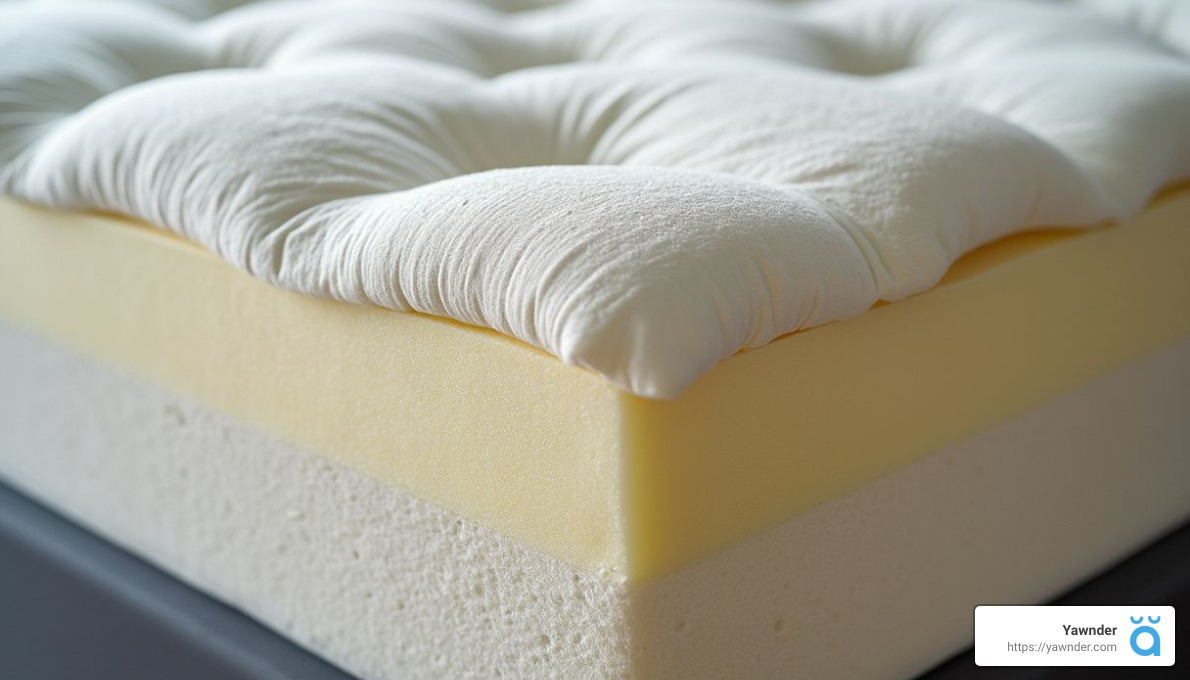
This is a U.S. overview, not an insurance or tax determination. Benefits and documentation requirements differ by plan and by the equipment involved.
What can a clinician prescribe?
A clinician can assess a patient’s condition and, when appropriate, order a specific medical support surface, such as a pressure-reducing mattress or overlay. These devices can be used for particular pressure-injury risks or treatment needs. The item and documentation must satisfy the payer’s rules; a diagnosis or a note saying a mattress would be comfortable does not by itself establish coverage.
Ordinary mattresses sold for comfort and products advertised as “orthopedic” are not automatically durable medical equipment (DME). Chronic pain, recovery from surgery or sleep apnea alone do not guarantee coverage for a retail mattress. Ask your clinician what is medically appropriate and your insurer whether the specific item qualifies.
What Medicare may cover
Original Medicare Part B covers certain medically necessary DME when the applicable requirements are met. Medicare’s equipment guide includes pressure-reducing beds, mattresses and overlays in certain circumstances. Coverage depends on the item, medical criteria, documentation and supplier requirements—not just the word “mattress.”
Medicare says certain pressure-reducing support surfaces require prior authorization. The supplier and treating provider submit required documents for those items. Confirm whether this applies to your equipment before delivery. Medicare Advantage plans have their own administration and network processes; ask the plan directly.
For eligible Part B DME, Medicare generally describes a deductible and 20% of the Medicare-approved amount; the actual cost can vary with supplemental coverage, assignment, rental or purchase arrangements and the item. Get an estimate from Medicare and the supplier for your situation.
Private insurance, HSA and FSA questions
| Possible route | What to verify first |
|---|---|
| Private insurance | Whether the item is a covered DME benefit, medical criteria, prior authorization, network and cost sharing |
| HSA or FSA | Whether the exact expense qualifies, what documentation is needed and whether the administrator will reimburse it |
| Tax deduction | Whether the expense qualifies under IRS rules and your individual tax circumstances |
A letter of medical necessity is not a universal approval. General wellness purchases are not automatically qualified medical expenses. Consult the account administrator or a tax professional, and review the IRS medical-expense guidance before spending account funds or claiming a deduction.
Steps to take before buying
- Discuss the need with your clinician. Ask which support surface or equipment is appropriate for the medical situation.
- Call your insurer or plan. Ask about the exact equipment code or description, criteria, prior authorization, cost sharing and whether rental or purchase is covered.
- Find an eligible supplier. Confirm the supplier participates with your plan and can provide the prescribed item.
- Complete the paperwork. Coordinate the order, clinical records and any required approval before delivery or purchase.
- Get the costs in writing. Ask about delivery, setup, maintenance, replacement and what you owe if a claim is denied.
Common questions
Will a doctor’s note make any mattress covered?
No. A payer applies its own benefit and medical-necessity criteria to the specific item and supplier.
Does Medicare pay for a regular store-bought mattress?
Do not assume it will. Medicare covers qualifying medical equipment under specific rules; confirm the exact item before buying.
Can an HSA or FSA pay for a mattress?
Eligibility depends on the facts and account rules. A medical-necessity letter may be relevant but does not automatically establish eligibility. Check with the administrator and a tax professional.