
Budget-friendly bedroom ideas: where to start
Our take: Start with the things you touch and see every day: make the bed, clear the bedside surface, and improve the lighting. Rearranging and borrowing decor from another room can make a visible difference before you buy anything.
Choose one problem first—too little storage, harsh light, a mismatched bed or an awkward layout—then set a spending limit. Keep a list of the dimensions and colors you need so bargain finds do not become clutter.
| Budget | Ideas | First priority |
|---|---|---|
| No spend | Rearrange furniture, clear surfaces, swap art or lamps from another room. | Improve the layout and remove visual clutter. |
| Small spend | Add a warm light bulb, secondhand frame or pillow cover. | Choose one visible accent that works with existing bedding. |
| Larger refresh | Consider curtains, a washable rug or paint after measuring. | Spend on the feature you will notice and use most often. |
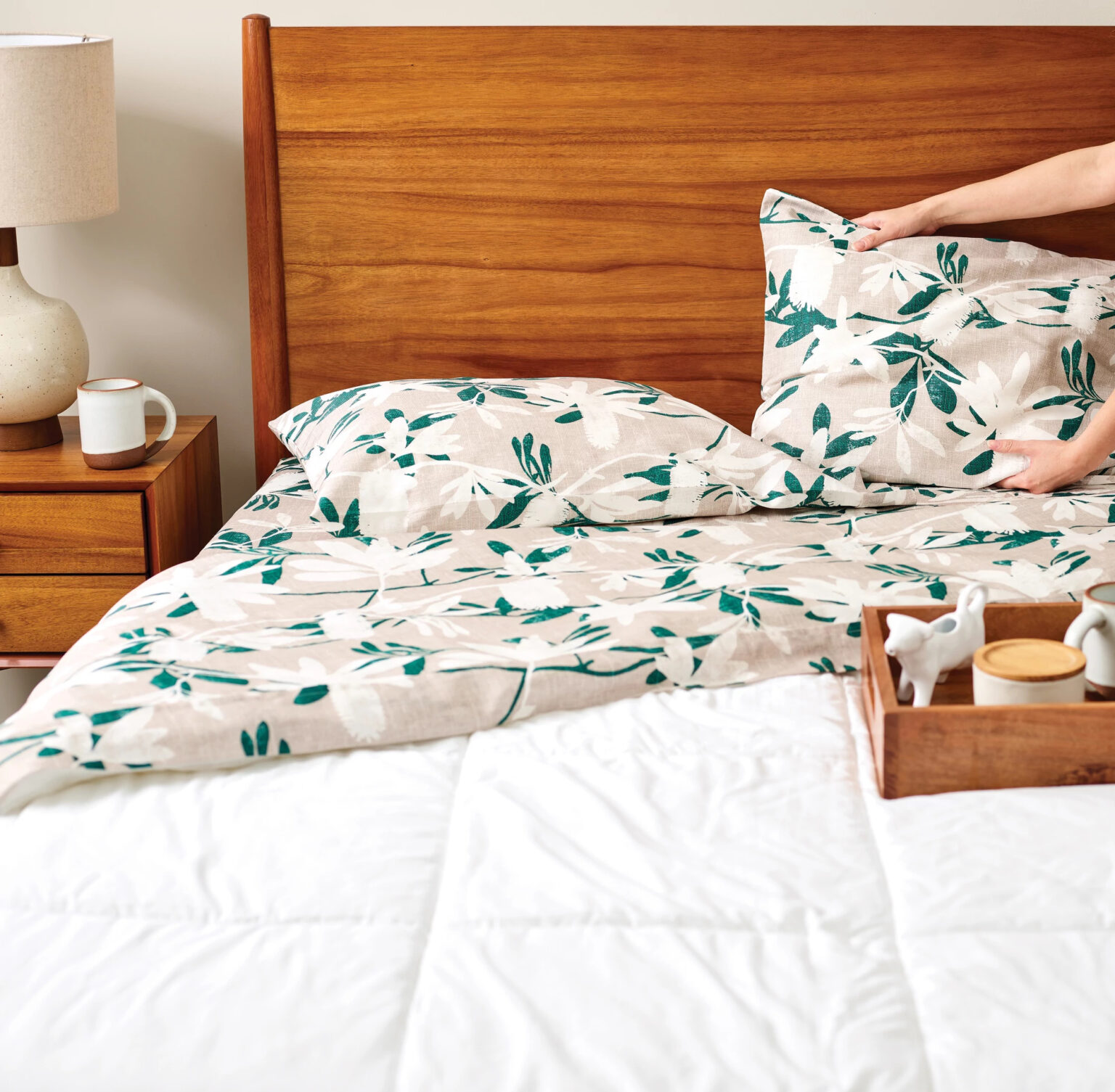
Budget Bliss: Creative Bedroom Ideas on a Dime
Transforming your bedroom into a stylish retreat doesn’t have to come with a hefty price tag. With thoughtful, budget-friendly bedroom ideas, you can create a space that reflects your personality while being easy on your wallet. From DIY projects to clever decor swaps, these tips will help you achieve a fresh look without the financial strain.
Declutter and organize
A tidy bedroom is not only visually appealing but also fosters a calming environment. Start by assessing your belongings and identify items that no longer serve a purpose. A useful tip is to ask yourself, Have I used this in the past year? If the answer is no, consider donating or selling those items. This process not only clears physical space but can also provide a small financial return.
Attractive Storage Solutions
Once you’ve decluttered, focus on attractive storage solutions. Invest in decorative boxes or baskets that harmonize with your decor. Whether you opt for rustic woven baskets or sleek modern boxes, these storage options can enhance your room’s aesthetics.
– Under-bed Storage: Utilize flat boxes or bins for off-season clothes or extra linens. This often-neglected area is ideal for keeping items out of sight but easily accessible.
– Over-the-Door Organizers: Perfect for shoes or accessories, these organizers maximize vertical space.
– Floating Shelves: Install these to display decorative items or store essentials, freeing up floor space while adding visual interest.
By establishing designated spots for each item, maintaining a clutter-free and organized bedroom becomes effortless.
Play with colors and textures
Colors and textures can dramatically alter the mood of your bedroom, allowing for personalization on a budget.
Bold Accent Walls
Creating an accent wall is a straightforward way to add character. Choose a bold color or removable wallpaper that resonates with your taste. Consider hues like deep blue or terracotta, which add depth and contrast to neutral tones. Check for discounted paint or use leftover supplies from previous projects to keep costs down.
Earthy Tones
For a tranquil vibe, incorporate earthy tones like soft greens and warm beiges through bedding or curtains. These calming colors promote relaxation and are easy to mix with vibrant hues.
Vibrant Accents
Bright throw pillows, colorful artwork, or patterned rugs can energize your space. Search for unique pieces at thrift stores or try your hand at DIY projects. For example, paint an old frame to showcase a cherished print, adding a touch of personality.
Furniture rearrangement and repurposing
Revamping your bedroom doesn’t necessitate new furniture purchases. Rearranging or repurposing existing items can infuse your space with new life without any expense.
Rearranging Furniture
Consider repositioning your furniture to create a fresh perspective. Moving your bed or dresser to a different wall can make the room feel entirely new. For instance, placing the bed near a window maximizes natural light and establishes a cozy ambiance.
Swapping Decor Items
Refresh your bedroom magically by swapping decor items from other rooms. A lamp or artwork can breathe new life into your space without incurring extra costs.
Creative Repurposing
Get imaginative with your existing items! An old ladder can become a stylish bookshelf, while vintage suitcases can serve as chic nightstands. Such alternatives not only save money but allow for personalization, making your bedroom uniquely yours.
Enhance lighting and ambiance
The right lighting can dramatically change the mood of your bedroom, creating a warm and inviting atmosphere.
Layered Lighting Solutions
Instead of relying solely on overhead lights, incorporate multiple light sources for a more dynamic ambiance. Combine ambient, task, and accent lighting to invite warmth into your space.
– Ambient Lighting: Upgrade your main light fixture to something stylish you find at secondhand stores.
– Task Lighting: Use bedside lamps for reading or working, and consider stylish plug-in sconces for elegance.
– Accent Lighting: LED strip lights can offer a subtle glow around shelves or behind your headboard, enhancing visual appeal.
Warm Soft Light
Select light bulbs that emit a warm, soft glow for relaxation. Aim for bulbs labeled as warm white, which create a calming environment.
Candles for Coziness
Candles provide soft, flickering light, enhancing the cozy vibe of any bedroom. Scented candles add an additional sensory experience. For safety, consider LED candles that mimic the look without fire hazards.
DIY decor and personal touches
Creating a personal sanctuary on a budget can be achieved with a few simple DIY projects.
DIY Bed Canopy
Create a dreamy bed canopy with sheer fabric or an old curtain hung from the ceiling above your bed. This simple addition adds a touch of elegance to your space.
Colorful Accessories
Use colorful scarves or fabric remnants to introduce vibrant accents. Drape them over your headboard, create a decorative table runner, or use them as wall art to add uniqueness.
No-Drill Hooks
For renters or those avoiding wall damage, adhesive no-drill hooks offer a hassle-free solution for hanging lightweight art or string lights.
Three example plans for different rooms
- Small bedroom: Clear the walkway, move seasonal items into a measured under-bed bin and use wall space for a light shelf where installation is permitted. A mirror can reflect available light; secure it appropriately.
- Rental: Keep the existing wall color, use removable artwork or textiles, and check the lease before using adhesive or drilling. Test removable products in an inconspicuous spot.
- Shared room: Give each person a bedside landing place, use a basket for everyday items and choose bedding colors that tie both sides together.
A practical weekend order
- Take measurements and photos before shopping.
- Clear surfaces and try a new furniture layout; keep doors, vents and walkways clear.
- Use existing linens, lamps and frames to create a consistent color palette.
- Buy only the missing pieces that solve a specific problem, then reassess before adding more.
For bedding that actually fits, measure mattress depth including any topper before buying fitted sheets. Explore our split-king sheet guide or mattress shopping checklist when a bedding upgrade is part of the plan.
Where to spend your budget first
Start with the problem that affects the room every day. If the space feels crowded, a storage solution or a new layout may do more than a decorative purchase. If getting ready or reading is difficult, a suitable bedside light may be the better first purchase. If the bed looks unfinished but the sheets are still comfortable, a washable cover or pillowcases in a coordinating color can refresh what you already have.
Separate your list into essentials, useful improvements and things you simply like. Measure each potential purchase and include delivery, hardware and any supplies in the total. For secondhand furniture, check stability, drawers, odors and signs of damage before bringing it home. A low price is only a good deal if the item fits the space and meets your needs.
For example, a guest room with mismatched bedding and a crowded nightstand might need no new furniture at all: move infrequently used items out, borrow a lamp, and use matching pillowcases or a folded throw to tie the bed together. Live with the changes for a few days before deciding whether anything is missing.
A room-by-room layout check
Sketch the room and mark the door swing, outlets, windows, closet and vents. Measure the bed and larger furniture, then test arrangements on paper before moving heavy pieces. Leave a comfortable path to the bed and enough room to open drawers and doors. A beautiful layout is less useful if you have to squeeze past it every morning.
For a narrow room, try simplifying the bedside area: a small table or wall-mounted option may free up floor space where permitted. In a shared room, think about access on both sides of the bed and where each person can put a phone, glasses or a glass of water. In a multipurpose room, group work supplies in a box or basket so they can be put away at bedtime.
Keep electrical cords out of walkways and follow the fixture’s instructions when changing bulbs or mounting lights. If a project requires permanent electrical work or you are unsure how to install a fixture safely, use a qualified professional. Renters should check their lease and ask before drilling, painting or changing fixed fittings.
Shop, finish and maintain the room
Bring your measurements and a photo of the room when you shop. Compare the size, color and care instructions of each item with what you own; a pillow cover that works with existing inserts or curtains that fit the current rod can avoid extra purchases. Check the return policy and inspect clearance or secondhand pieces carefully rather than buying solely because they are discounted.
Finish with a few repeatable details: group small items on a tray you already own, use consistent hangers if you have them, and put a basket near the place clutter tends to collect. A weekly reset can be as simple as clearing the nightstand, returning clothes to their storage spots and washing bedding according to its label. These habits help the room stay useful after the initial refresh.
What if I can only make one change?
Choose the change that solves your biggest daily frustration. Clear and rearrange first because that costs nothing; then consider a single purchase, such as a reading light or storage bin, if it addresses a remaining problem. Keep the receipt and reassess after using it.
Frequently asked questions about budget-friendly bedroom ideas
How can I design my bedroom on a small budget?
Start by rearranging existing furniture and swapping decor items between rooms to refresh the look without spending any money. Focusing on a cohesive color scheme can also create a unified feel.
How can I make my bedroom look nice without money?
Utilize what you already own by rearranging or using decor elements like books or plants to add color and texture. This is an effective way to enhance your bedroom’s aesthetic without any cost.
Conclusion
Creating a stylish sanctuary on a budget is entirely possible with creativity and resourcefulness. By exploring these budget-friendly bedroom ideas, you can transform your space into one that feels personal and inviting. Whether you’re decluttering, experimenting with colors, or making the most of your existing furniture, small changes can lead to significant improvements. Remember, expert insights from Yawnder can guide you in selecting the perfect mattress and bedding to complement your refreshed bedroom, ensuring you wake up every day feeling rejuvenated. A thoughtful refresh can make the room feel more comfortable without replacing everything you own.