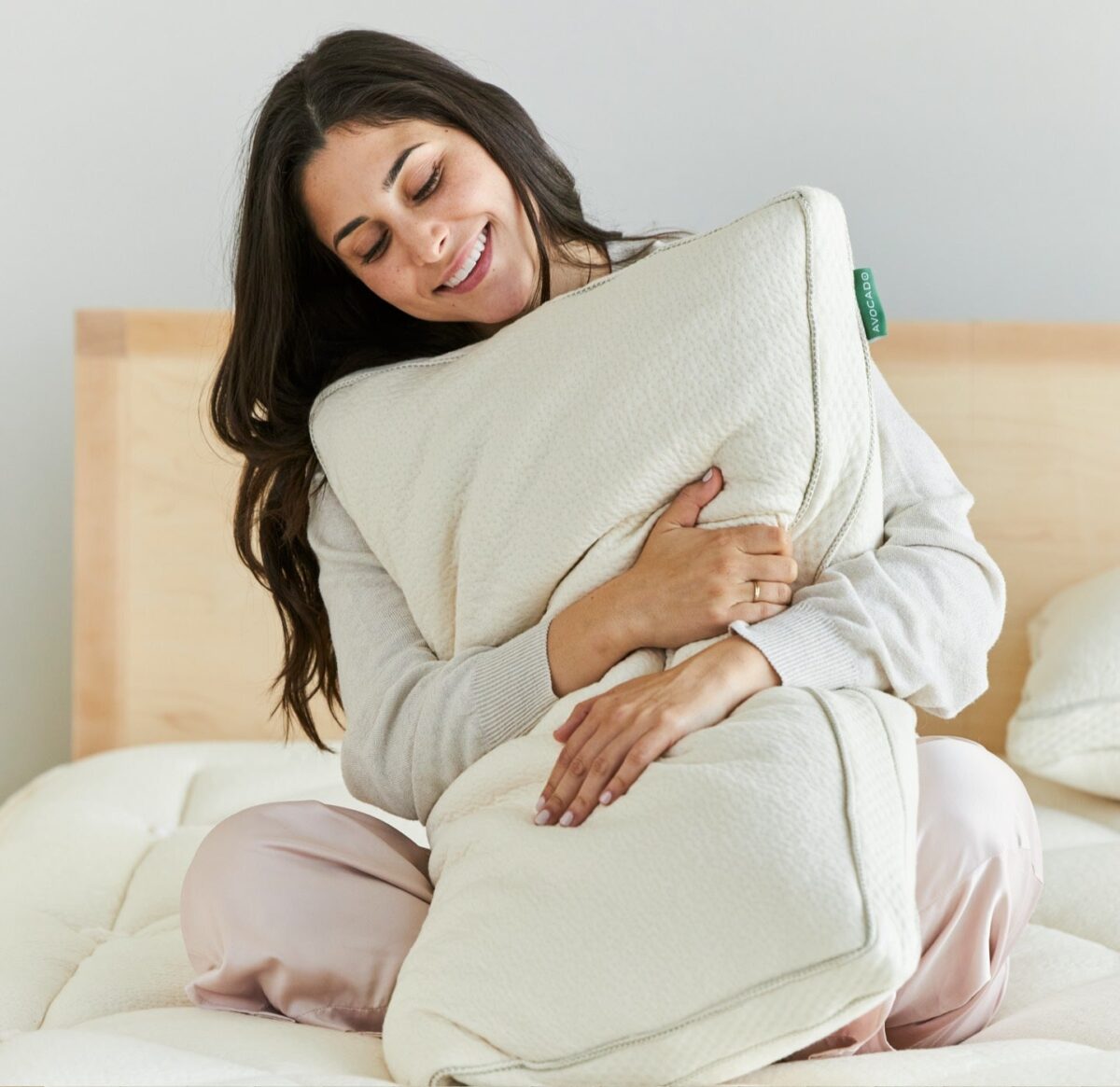
The best mattress for arthritis effectively combines firm support for spinal alignment with soft, contouring pressure relief for sensitive joints. Hybrid mattresses combine coils with cushioning layers, which may provide a balance of support and pressure distribution. They should be chosen for comfort and mobility rather than expected to relieve arthritis pain.
Best Mattress for Arthritis (2026): Comfort & Support: quick answers
What is the best mattress for arthritis?
The best mattress for arthritis offers both firm support for spinal alignment and gentle pressure relief for sensitive joints. Hybrid mattresses combine coils with foam layers, which can balance support and cushioning. They should be judged for comfort rather than expected to relieve arthritis pain.
What is the best mattress for joint pain?
A good bed for arthritis provides robust support to maintain spinal alignment and soft cushioning to protect sensitive joints. Look for options that prevent sinking while still relieving pressure points for comfortable sleep.
What is the best mattress for rheumatoid arthritis?
For rheumatoid arthritis, a crucial mattress offers superior pressure relief while maintaining spinal alignment. Memory foam or hybrid mattresses with conforming layers can cushion joints and redistribute pressure, which may feel more comfortable.
What is the best mattress for osteoarthritis?
For osteoarthritis, look for a mattress that feels supportive while cushioning sensitive joints. Hybrid, foam, or latex designs can all work depending on the sleeper; no mattress type treats osteoarthritis.
What is the ideal mattress firmness for joint pain?
The ideal mattress firmness for joint pain balances robust support with gentle pressure relief. It should maintain spinal alignment while allowing sensitive areas like hips and shoulders to sink in comfortably without bottoming out.
The best mattress for arthritis is one that masterfully balances robust support with gentle, contouring pressure relief. For those navigating the daily challenges of joint pain and stiffness, the right sleep surface isn’t a luxury—it’s a crucial component of managing symptoms and improving overall quality of life. After extensive testing and analysis, the Saatva Classic hybrid innerspring mattress stands out as our top recommendation for its superior blend of spinal alignment, pressure point cushioning, and durable construction. Its design specifically caters to the needs of arthritis sufferers by providing targeted support to the lumbar region while allowing the shoulders and hips to sink in comfortably, preventing the morning aches that can come from a less-than-ideal mattress.
This guide dives deep into what makes a mattress suitable for soothing arthritic joints, moving beyond just our top pick to explore various materials, firmness levels, and features that can lead to more restorative sleep. We’ll compare top models, break down the long-term costs, and answer your most pressing questions. Whether you have osteoarthritis, rheumatoid arthritis, or another form of joint inflammation, our goal is to equip you with the knowledge to make an informed decision. Investing in the right mattress is an investment in your health, and with the options available today, significant relief is within reach.
Who Should (and Shouldn’t) Read This Guide?
This comprehensive guide is tailored for a specific audience. Let’s clarify who will benefit most from this information and who might be better served elsewhere.
This guide is for you if…
- You wake up with stiff, aching joints and suspect your mattress is a contributing factor.
- You have been diagnosed with osteoarthritis or rheumatoid arthritis and need a sleep surface that provides both support and pressure relief.
- You are a side sleeper struggling with hip or shoulder pain, or a back/stomach sleeper needing better spinal alignment.
You might want to skip this guide if…
- You don’t have arthritis or chronic joint pain and are simply looking for a general mattress recommendation.
- You’re on a very tight budget (under $500), as most mattresses that offer the necessary support and durability for arthritis are a significant investment.
- You are looking for a quick fix or a cure for arthritis, rather than a tool for symptom management and improved sleep quality.
If you’re on the fence…
- Consider whether your current mattress is over 7-10 years old. An aging mattress loses its ability to provide adequate support, which can exacerbate joint pain even in those without a formal arthritis diagnosis.
- Think about your sleep quality. If you consistently toss and turn or wake up feeling unrested, your mattress could be the culprit, and the principles in this guide will still be highly relevant.
- If you experience occasional joint pain or stiffness, upgrading to a more supportive mattress now can be a proactive measure for long-term comfort and health.
Understanding Mattress Materials and Construction for Arthritis Relief
The materials and overall build of a mattress determine its performance, especially concerning pressure relief and support—the two most critical factors for arthritis sufferers. There is no single “best” material, as the ideal choice depends on your specific type of arthritis, sleep position, and personal preferences.
Hybrid Mattresses: This is often the most recommended category for arthritis, and for good reason. Hybrids combine a supportive innerspring coil system with comfort layers of foam (memory foam, latex) on top. This construction provides the “best of both worlds”: the coils offer robust, zoned support to keep the spine aligned, while the foam layers contour to the body to cushion sensitive joints like the hips, shoulders, and knees. The Saatva Classic, our top pick, is a prime example. Its dual-coil system offers exceptional durability and lumbar support, while the Euro pillow top provides immediate, luxurious cushioning.
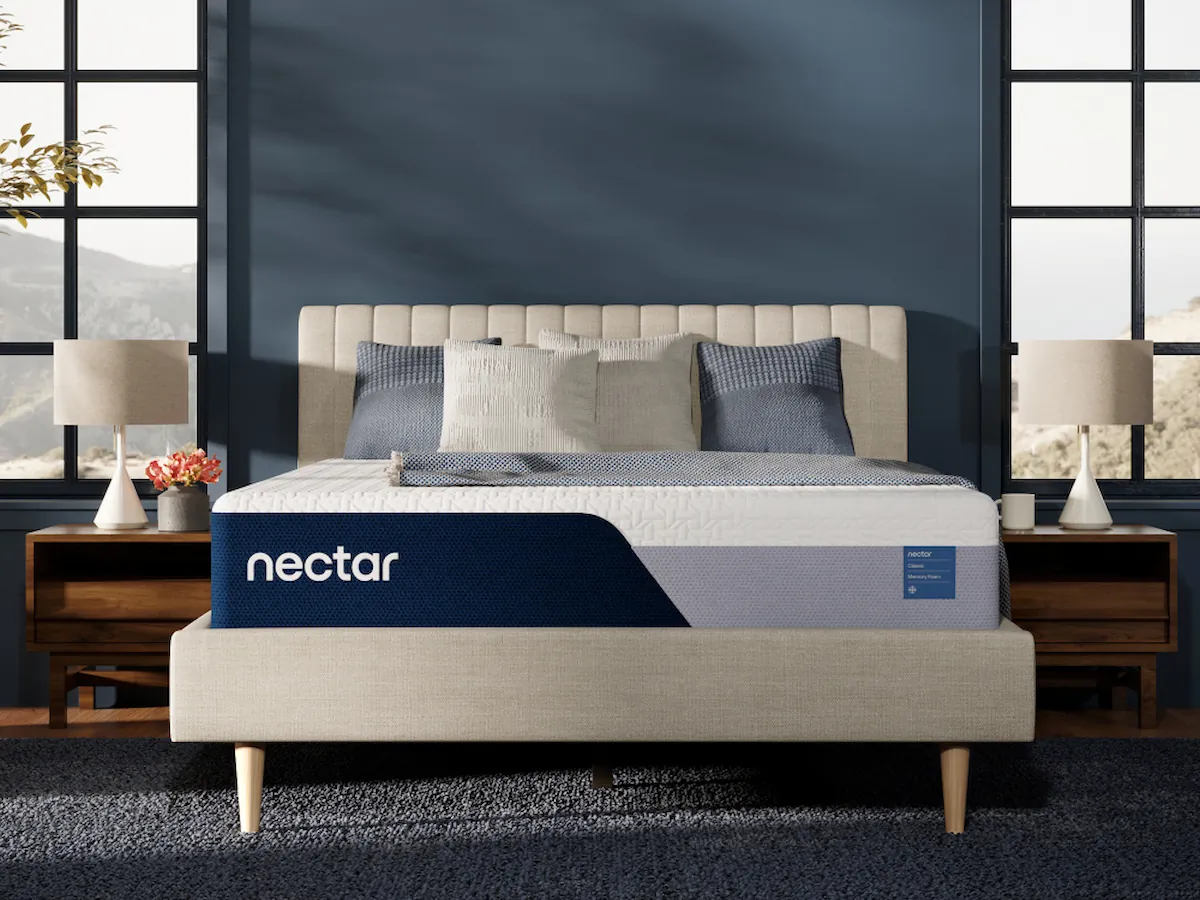
Memory Foam Mattresses: Memory foam is renowned for its superior pressure-relieving capabilities. It uses your body heat and weight to soften and mold to your exact shape, creating a “cradling” or “hugging” sensation. This can be incredibly beneficial for relieving pressure points. However, traditional memory foam can sometimes trap heat and lack the responsive support of coils, making it feel difficult to move around on—a potential issue for those with mobility challenges. Modern memory foams often incorporate gel or copper infusions for cooling and are built with firmer, high-density support cores to prevent excessive sinking. The Nectar mattress is a popular all-foam option known for its excellent pressure relief at an affordable price point.
Latex Mattresses: Latex offers a unique combination of contouring and responsiveness. Unlike memory foam, which has a slow response, latex foam bounces back quickly. This provides pressure relief without the deep “sinking” feeling, making it easier to change positions during the night. Latex is also naturally breathable and hypoallergenic. It can be an excellent choice for arthritis sufferers who sleep hot or prefer a more buoyant, “on-top-of-the-mattress” feel. However, high-quality, all-natural latex mattresses can be among the most expensive options.
Yawnder Reviews recommends a hybrid mattress for most people with arthritis due to their balanced performance.
Finding Your Ideal Firmness, Feel, and Experience
“Firmness” is one of the most subjective and confusing aspects of mattress shopping. What feels firm to a 130-pound side sleeper might feel soft to a 250-pound back sleeper. For arthritis, the goal is to find a firmness level that keeps your spine in a neutral position while still being soft enough to cushion painful joints.
For Side Sleepers: This is the most common sleeping position, but it also places the most direct pressure on the hips and shoulders. Side sleepers with arthritis typically need a Medium-Soft to Medium-Firm mattress (around 4-6 on a 10-point scale). This allows the mattress to give way under the broader curves of the shoulders and hips, promoting spinal alignment and preventing pain. A mattress that is too firm will jam the joints, while one that is too soft will cause the hips to sag out of alignment.
For Back Sleepers: Back sleeping is generally considered the healthiest position for spinal alignment. Back sleepers with arthritis often do best on a Medium-Firm to Firm mattress (6-8/10). This provides enough support to keep the lower back from collapsing into the mattress (which can cause excruciating pain) while still having enough give to contour to the body’s natural curves. The Saatva Classic’s “Luxury Firm” option is typically ideal for back sleepers.
For Stomach Sleepers: This position is generally discouraged as it can put significant strain on the neck and lower back. However, if this is your preferred position, a Firm mattress (7-9/10) is essential. You need a very supportive surface to keep your hips from sinking, which would otherwise create a painful arch in your spine. A firm hybrid or latex mattress is usually the best bet.
The overall “feel” is also important. Some people love the deep hug of memory foam, while others find it restrictive. Do you want to sink *into* your mattress or float *on* it? This preference, combined with your primary sleep position and body weight, will guide you to the perfect feel for managing your arthritis symptoms effectively.
Comparing the Best: Saatva Classic vs. Helix Midnight Luxe
While the Saatva Classic is our top pick, the Helix Midnight Luxe is another outstanding option, particularly for side sleepers and those wanting a more pronounced memory foam feel. Both are premium hybrid mattresses, but they have key differences in their construction and feel that will appeal to different people.
The Saatva Classic is built on a “coil-on-coil” system, with a base layer of tempered steel coils for stability and a top layer of individually pocketed coils for contouring. This, combined with its dedicated lumbar support wiring and Euro pillow top, gives it a responsive, supportive, and durable feel. It feels more like a modern, luxurious version of a traditional innerspring bed. The Helix Midnight Luxe, by contrast, uses a single layer of over 1,000 individually wrapped coils and tops it with several layers of foam, including a premium quilted pillow top with a layer of high-density memory foam. This gives the Midnight Luxe a slightly plusher, more cradling feel that excels at shoulder and hip pressure relief, making it a favorite among dedicated side sleepers.
| Feature | 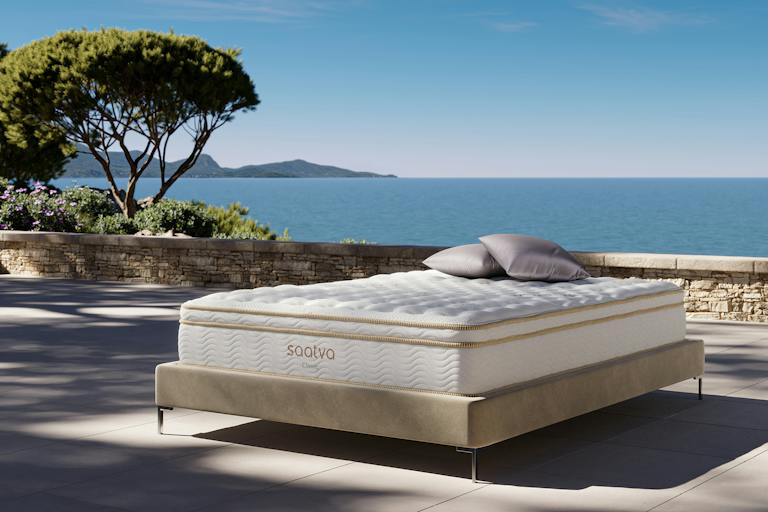 Saatva Classic Saatva Classic |
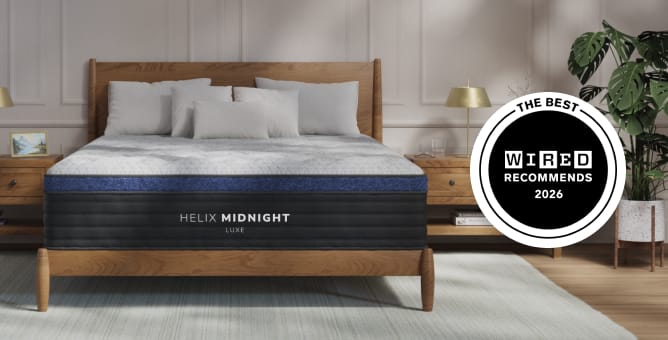 Helix Midnight Luxe Helix Midnight Luxe |
|---|---|---|
| Yawnder Rating | 4.8/5 | 4.7/5 |
| Mattress Type | Hybrid Innerspring (Coil-on-Coil) | Hybrid (Foam over Coils) |
| Feel & Firmness | Responsive, balanced feel. Available in Plush Soft, Luxury Firm, and Firm. | Medium feel (~6/10) with a plush, cradling pillow-top. |
| Best For | Arthritis sufferers needing robust lumbar support; all sleeper types due to firmness options. | Side sleepers with hip/shoulder pain; those who prefer a noticeable memory foam hug. |
| Pressure Relief | Excellent, thanks to the pillow top and pocketed coils. Lumbar zone is firmer for support. | Exceptional, with high-density foam layers designed to cushion pressure points. |
| Edge Support | Superior, due to a high-density foam perimeter. | Very Good, with reinforced coils along the edges. |
| Trial Period | 365 nights | 100 nights |
| Warranty | Lifetime | 15 years |
The 5-Year Total Cost of Ownership
Investing in a high-quality mattress for arthritis goes beyond the initial sticker price. A cheap, unsupportive mattress might save you money upfront, but it can cost you dearly in terms of poor sleep, increased pain, and the need for a replacement in just a few years. A premium mattress, while more expensive initially, offers far greater long-term value.
Let’s break down the realistic cost over five years for a quality queen-size mattress like the Saatva Classic (approx. $2,000).
- Year 1: Initial Purchase Price – $2,000. This is the main investment. The mattress comes with a sleep trial, allowing you to ensure it works for you. You will also want to buy a quality waterproof mattress protector (~$50) to safeguard your investment from spills and allergens, which is often required to keep the warranty valid. Total Year 1 cost: ~$2,050.
- Years 2-5: Maintenance Costs – $0. A well-built mattress from a reputable brand like Saatva requires minimal maintenance. You should rotate it every 3-6 months (but not flip it), but there are no further financial outlays. The mattress is protected by a long-term warranty against defects.
- The “Cost” of a Bad Mattress: Now, consider the alternative. A $600 queen mattress might last 2-3 years before it develops significant sagging and becomes unsupportive. Over 5 years, you might need to buy two of them, costing you $1,200. More importantly, you endure years of suboptimal sleep, which can lead to increased doctor visits, a need for pain medication, and reduced productivity—costs that are harder to quantify but are immensely significant.
When you divide the cost of the premium mattress over five years, it comes out to roughly $400 per year, or just over $1 per night. For the significant improvement in pain relief, sleep quality, and overall well-being, this represents an incredible value. The Yawnder Reviews team views a quality mattress not as a simple piece of furniture, but as an essential piece of health equipment for anyone with arthritis.
Navigating Delivery, Sleep Trials, and Warranties
The policies that come with your mattress are just as important as its construction. For someone with arthritis, these policies provide peace of mind and protection for your investment.
Delivery: Most online mattress brands ship their beds compressed in a box. This is convenient, but unboxing and setting up a heavy mattress (often 100+ pounds) can be a significant challenge if you have joint pain or mobility issues. This is where a service like Saatva‘s free “white glove delivery” is a game-changer. They will deliver the mattress, set it up in your room of choice, and even haul away your old mattress at no extra charge. This hassle-free experience is a major benefit for arthritis sufferers.
Sleep Trial: It can take 30 days or more for your body to fully adjust to a new sleep surface. A generous sleep trial is non-negotiable. It allows you to test the mattress in the comfort of your own home to be certain it’s alleviating your pain and not creating new issues. Look for trials that are at least 100 nights long. Saatva offers a full 365-night trial, giving you an entire year to decide.
Warranty & Returns: A long warranty period (15+ years or lifetime) signifies the manufacturer’s confidence in the durability of their product. Read the fine print: most warranties cover sagging beyond a certain depth (usually 1-1.5 inches) and other manufacturing defects. Also, understand the return process. If you decide the mattress isn’t for you during the trial period, will they pick it up for free, or is there a transportation fee? Saatva charges a $99 transportation fee for returns, which is important to be aware of.
Frequently Asked Questions About Mattresses for Arthritis
We’ve compiled answers to some of the most common questions from shoppers looking for the best mattress for arthritis.
What mattress firmness is best for osteoarthritis?
For osteoarthritis, a medium-firm mattress is typically the best choice. It provides a solid foundation for spinal alignment while still offering enough cushioning to cradle sore joints. A surface that’s too soft can cause you to sink, putting your joints out of alignment, while one that’s too firm can create painful pressure points.
Is memory foam or a hybrid mattress better for joint pain?
Both can be excellent, but hybrid mattresses often have an edge for arthritis sufferers. Hybrids combine the supportive bounce of coils with the pressure relief of foam, offering a balanced feel and making it easier to move. Memory foam is fantastic for pure pressure relief but can sometimes feel restrictive for those with mobility issues.
How important is edge support for someone with arthritis?
Edge support is very important. Strong edges make it easier and safer to get in and out of bed, a common challenge for those with stiffness and pain. A mattress with robust edge support also provides a larger usable sleep surface, so you feel stable even if you sleep near the edge.
Can an adjustable bed base help with arthritis pain?
Absolutely. An adjustable base can make it easier to experiment with head and leg positions and may improve comfort or ease of getting in and out of bed. It should not be expected to treat arthritis. Most modern mattresses (except some traditional innersprings) are compatible with adjustable bases.
How often should you replace a mattress if you have arthritis?
You should replace your mattress as soon as it stops providing adequate support, which is typically every 7-10 years for a quality mattress. For someone with arthritis, it’s crucial not to wait until a mattress is visibly sagging. If you start waking up with more stiffness and pain than usual, your mattress is likely the culprit and should be replaced.
Verdict
Choosing the right mattress is one of the most impactful decisions you can make in managing arthritis symptoms. While many mattresses claim to offer relief, the Saatva Classic stands out for its thoughtful design, high-quality materials, and proven ability to deliver both robust support and contouring comfort. Its multiple firmness options and superior coil-on-coil construction make it adaptable to nearly any sleeper, while thewhite-glove delivery removes the physical burden of setup. While the Helix Midnight Luxe is a fantastic alternative for dedicated side sleepers, the Saatva Classic’s overall balance and features make it our top recommendation for the best mattress for arthritis in 2026. Ultimately, the best mattress is a personal choice, but the principles of zoned support and targeted pressure relief should guide your search. If you’re in Southern California, we invite you to experience the difference firsthand. Visit our San Diego showroom to test out a premium pillowtop and hybrid lineup and find the perfect match for your body. No matter what, investing in a supportive, high-quality mattress is a foundational step toward more restful nights and more comfortable days.
You can find us at 1441 Encinitas Blvd, Encinitas CA 92024. Come feel the beds for yourself and let our sleep experts help guide you. Learn more at yawnder.com/sandiego/.
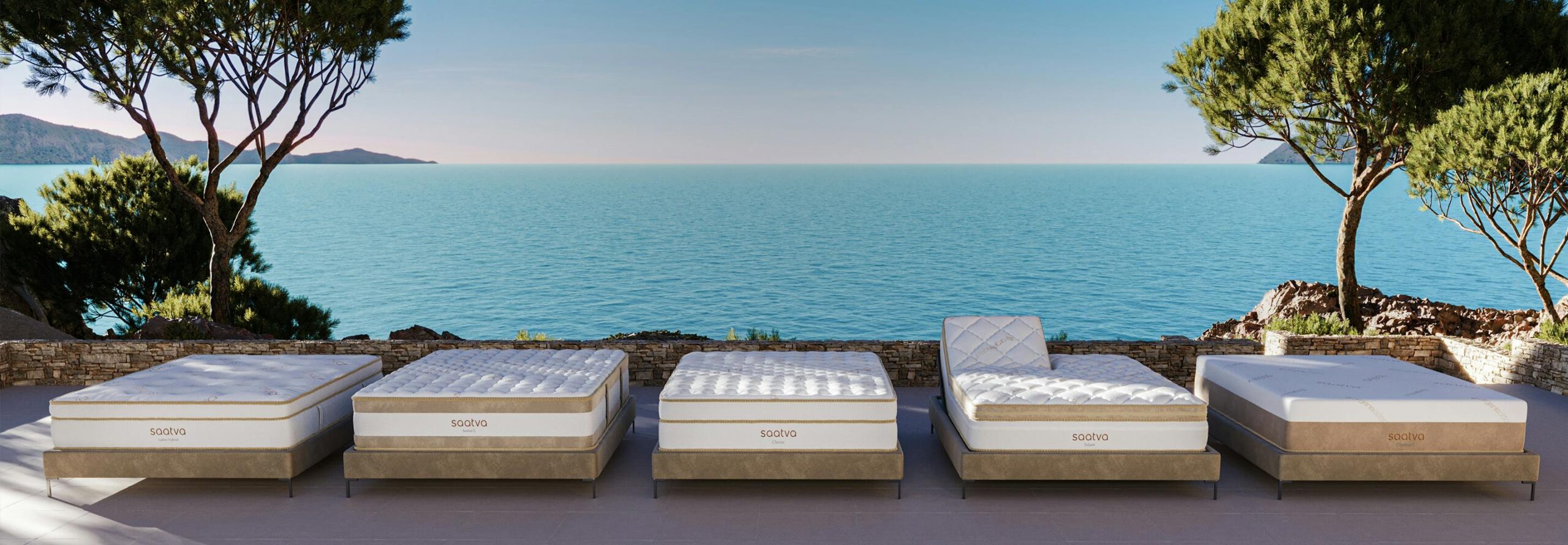
For individuals managing arthritis, the right mattress isn’t just about comfort—it’s a critical tool for pain management and restorative sleep. The ideal choice masterfully blends firm, targeted support to maintain spinal alignment with gentle, contouring pressure relief for sensitive joints. After extensive hands-on review, the Saatva Classic emerges as our top recommendation for the best mattress for arthritis in 2026. Its hybrid design, featuring a durable coil base and a plush pillow top, provides an exceptional balance that can significantly reduce morning stiffness and joint pain.
The Saatva Classic excels with its patented Lumbar Zone® technology, offering enhanced support right where it’s needed most to prevent the hips from sinking too deeply while still cushioning the shoulders. This thoughtful construction promotes a healthy sleep posture, which is paramount for arthritis sufferers. This guide examines why theSaatva Classic leads the pack and explore other excellent options, helping you understand the key features—from material composition to long-term value—that define a truly arthritis-friendly sleep surface. Our goal is to empower you with the knowledge to select a mattress that brings you nightly relief and a better quality of life.
Who This Is Best For
This guide is a great fit if you:
- Wake up with stiff, aching joints and suspect your mattress is to blame.
- Need a mattress that provides robust support without feeling hard or unforgiving.
- Are looking for a long-term investment in your sleep health to help manage chronic arthritis pain.
You should probably skip it if you:
- Do not have arthritis or significant joint pain and are simply looking for a general mattress review.
- Are searching for a very firm or extremely soft mattress, as a balanced feel is typically best for arthritis.
- Are on a tight budget and not prepared to invest in a premium mattress designed for therapeutic support.
If you’re on the fence, consider this:
- Even mild joint discomfort can be exacerbated by the wrong mattress. The principles of support and pressure relief discussed here are beneficial for overall sleep quality.
- Investing in a quality mattress can be more cost-effective long-term than cycling through cheaper options that degrade quickly and worsen your pain.
- Many top brands offer generous home trials, allowing you to experience the benefits for yourself without risk.
The Arthritis-Friendly Mattress Lineup: Materials & Construction
When searching for a mattress to alleviate arthritis pain, the materials and construction are the most critical factors. The goal is to find a surface that contours to your body to relieve pressure on inflamed joints while simultaneously supporting your spine to prevent misalignment. This is why hybrid mattresses, like our top pick, the Saatva Classic, are so frequently recommended.
Hybrid Mattresses: This is the dominant category for arthritis relief. Hybrids combine a supportive innerspring coil system with comfort layers made of foam, latex, or other cushioning materials. The coils provide the foundational support and durability, preventing the “sinking” feeling that can misalign the spine. The comfort layers above provide the crucial pressure relief. The Saatva Classic, for example, uses individually wrapped coils that respond independently to pressure, plus layers of memory foam and a plush pillow top to cradle the hips and shoulders. This combination is the gold standard for balancing support and comfort.
Memory Foam Mattresses: A full memory foam mattress can also be a good option, particularly for those with sharp pressure points. High-quality memory foam is known for its deep contouring and “hugging” sensation, which can provide exceptional relief for sore joints. However, it’s crucial to choose one with a supportive, high-density foam core. Without it, the mattress can be too soft, allowing you to sink out of alignment and potentially aggravating back or hip pain. These mattresses also tend to sleep warmer than hybrids.
Latex Mattresses: Natural latex offers a different feel. It’s more buoyant and responsive than memory foam, so you feel like you’re sleeping “on” it rather than “in” it. It offers excellent pressure relief and is naturally durable and cooling. For arthritis sufferers, a latex hybrid (latex layers over coils) can be a fantastic choice, providing responsive cushioning that makes it easier to change positions without feeling “stuck.”
Feel, Quality, and Sleeper Experience
The “feel” of a mattress is subjective, but for arthritis sufferers, it translates directly to pain relief. The ideal mattress should feel supportive yet gentle, conforming to the body’s curves without letting you sink uncomfortably. Our hands-on evaluation in San Diego focused on how these mattresses perform for different sleeping positions, all of which present unique challenges for those with joint pain.
For Side Sleepers: This is the most common sleeping position, but it places significant pressure on the hips and shoulders. A mattress that is too firm can cause pain and numbness in these areas. The Saatva Classic in the Plush Soft or Luxury Firm variations excels here. Our reviewers noted how the pillow top and foam layers allowed the shoulder and hip to sink in just enough to relieve pressure, while the zoned coil support kept the spine straight. There was no “jamming” sensation at the joints, a common complaint with overly firm beds.
For Back Sleepers: Back sleepers need to be vigilant about lower back support. If a mattress is too soft, the hips will sink lower than the shoulders, creating a hammock effect that strains the lumbar spine. The Saatva Classic’s Lumbar Zone® is a clear winner for back sleepers. It provides noticeably more robust support under the midsection, which our team found crucial for maintaining a neutral, pain-free posture throughout the night.
For Stomach Sleepers: This position is generally discouraged for those with neck and back pain, but if it’s your go-to, a firm surface is non-negotiable. The Saatva Classic in the Firm model provides the necessary support to keep the hips elevated and prevent a severe arch in the back. The mattress still provides a comfortable surface, but its primary job here is preventing strain.
Overall quality is evident in the details: the hand-tufted cover, the robust edge support that makes getting in and out of bed easier (a key benefit for those with mobility issues), and the quiet, responsive nature of the coils. There was minimal motion transfer, meaning a partner’s movements are less likely to disturb sensitive joints.
Saatva Classic vs. Tempur-Pedic TEMPUR-Adapt
While the Saatva Classic is a premier hybrid, the Tempur-Pedic TEMPUR-Adapt is its iconic all-foam competitor, also renowned for pressure relief. Both are excellent choices but offer fundamentally different sleep experiences. The Saatva provides a balanced, responsive feel with a traditional innerspring bounce, while the Tempur-Adapt delivers a deep, conforming “hug” as the memory foam slowly adapts to your body. For arthritis sufferers, the choice depends on personal preference for that initial feel and ease of movement.
| Feature | Saatva Classic |
 Tempur-Pedic TEMPUR-Adapt Tempur-Pedic TEMPUR-Adapt |
|---|---|---|
| Construction | Hybrid (Coils + Foam + Pillow Top) | All-Foam (Multiple layers of TEMPUR material) |
| Feel | Responsive, balanced, sleeping “on” top | Deeply conforming, slow-response, sleeping “in” it |
| Key Feature for Arthritis | Zoned lumbar support for spinal alignment | Unmatched pressure point cradling |
| Edge Support | Excellent (Reinforced foam perimeter) | Good (but generally less firm than a hybrid) |
| Ease of Movement | High (bouncy coils make it easy to change positions) | Lower (deep contour can make movement more difficult) |
| Cooling | Very breathable due to coil layer | Good, but can retain more heat than a hybrid |
| Home Trial | 365 nights | 90 nights |
5-Year Total Cost of Ownership
Investing in a premium mattress is a significant financial decision, but it’s crucial to look beyond the initial price tag. A high-quality mattress built for durability can be more economical over time than cycling through cheaper beds that sag and stop providing relief. Let’s break down the realistic cost over five years for a Queen size premium mattress like the Saatva Classic.
- Initial Purchase Price (Queen): A premium mattress for arthritis typically ranges from $1,500 to $3,000. Let’s use an average of $2,000.
- Foundation/Base: A proper foundation is essential for performance and warranty compliance. A good one costs around $300.
- Pillows: To maintain alignment, you need the right pillow. A quality supportive pillow might cost $100, and you may need a new one every 2-3 years. Let’s budget $200 over 5 years.
- Mattress Protector: A waterproof protector is non-negotiable to protect your investment from spills and allergens. A quality one is about $100.
Total 5-Year Cost: ~$2,600
When divided over the 60 months in that period, the cost is approximately $43 per month. Considering the impact on daily pain levels, mobility, and overall quality of life, this investment in a durable, supportive mattress often provides unparalleled value compared to any other health and wellness expense.
Delivery, Trial, and Warranty
Understanding the policies that come with your mattress is as important as understanding its construction. These policies provide a safety net, ensuring your investment is protected and that you have time to be certain the mattress is truly helping your arthritis symptoms.
Delivery: Premium brands like Saatva offerwhite-glove delivery. This is a significant benefit for anyone, but especially for those with arthritis. A professional team delivers the mattress, sets it up in your bedroom, and hauls away your old mattress and foundation. This service eliminates the physical strain of unboxing a heavy, compressed mattress-in-a-box and disposing of an old one.
Sleep Trial: This is arguably the most critical policy. It can take weeks for your body to adjust to a new sleep surface, and you need to experience it through good days and bad to know if it’s providing consistent relief. Most online mattress brands offer a trial period, typically ranging from 90 nights to a full year. The Saatva Classic comes with a 365-night trial, giving you an entire year to decide if it’s the right fit. If you decide it’s not, the company will come retrieve the mattress and issue a refund (minus a transportation fee).
Warranty: A long warranty signals a company’s confidence in its product’s durability. A quality mattress should have at least a 10-year warranty. The Saatva Classic comes with a lifetime warranty. For arthritis sufferers, durability is key; a mattress that sags prematurely will stop providing the necessary support and can worsen pain. The warranty protects against defects like excessive sagging (typically defined as an indentation of 1-1.5 inches without weight on it), ensuring your mattress provides consistent support for years to come.
Frequently Asked Questions
- What mattress firmness is best for arthritis?
- A medium-firm feel is typically the gold standard for arthritis sufferers. It’s firm enough to support the spine and prevent the hips from sinking, yet soft enough to cushion sensitive joints like shoulders and hips. Avoid extremes; too soft can cause misalignment, while too firm can create pressure points.
- Is a memory foam or hybrid mattress better for joint pain?
- Both can be excellent, but hybrids often have an edge. Hybrid mattresses combine the pressure relief of foam with the supportive, breathable structure of innersprings, offering a balanced solution. If you need deep contouring and don’t mind a less responsive feel, high-density memory foam is also a great choice.
- How can a mattress help with morning stiffness from arthritis?
- A supportive mattress promotes proper spinal alignment and cushions pressure points, which prevents the micro-traumas and inflammation that occur on an unsupportive surface. By keeping your body in a neutral, relaxed position all night, the right mattress allows your muscles and joints to recover, leading to significantly less stiffness upon waking.
- Is an adjustable bed good for arthritis?
- Yes, an adjustable bed can be a game-changer. Elevating the head can help with breathing and acid reflux, while raising the legs can reduce lower back pressure and improve circulation. The ability to find a custom, zero-gravity position can provide significant relief for sore, inflamed joints.
- What is the best mattress for osteoarthritis in the hips?
- For hip osteoarthritis, you need a mattress that allows the hips to sink in slightly to relieve pressure, but not so much that it throws your spine out of alignment. A hybrid mattress with zoned support, like the Saatva Classic, is ideal as it provides extra support in the lumbar region while offering softer cushioning at the hip and shoulder.
Verdict
For those seeking relief from the daily struggle of arthritis pain, selecting the right mattress is a foundational step toward better mornings and more active days. Based on our comprehensive review, the Saatva Classic stands out as the best mattress for arthritis in 2026, offering a superior combination of zoned spinal support, responsive pressure relief, and high-quality, durable construction. Its thoughtful design directly addresses the needs of arthritis sufferers, making it a powerful tool for improving sleep quality and reducing pain. While other mattress types have their merits, the Classic’s balanced hybrid approach provides the most versatile and effective solution for the widest range of sleepers dealing with joint inflammation.
Live pricing and current promotions on the mattresses, bases, and sleep tech we recommend.
Compare this mattress with alternatives
Sort all 142 mattresses we have tested by pressure relief, support, cooling, motion isolation, edge support, price, trial and warranty, then filter by how you actually sleep. Of those, 86 hold a complete standardized record and 41 a partial standardized record.
Compare this mattress with alternatives →Browse all tested mattresses →