Allergy-Free Nights: Discover the Best Hypoallergenic Sheets
Finding the best hypoallergenic sheets is a crucial step toward achieving a restful and uninterrupted night’s sleep for those suffering from allergies. These specially designed sheets help combat common allergens like dust mites, mold, and pet dander, which can trigger various symptoms including sneezing, skin irritation, and breathing difficulties. By selecting the right materials, you can create a clean and soothing sleeping environment that promotes better health and comfort.
What Are Hypoallergenic Sheets?
Hypoallergenic sheets represent a transformative option for individuals with allergies or sensitive skin. Unlike standard sheets, these are meticulously crafted to minimize allergens by using tightly woven fabrics that act as a barrier against dust mites and other irritants. The choice of material is essential; options like bamboo, Tencel, silk, and Egyptian cotton offer unique properties that can enhance your sleep experience.
Dust Mites and Allergens
Dust mites are microscopic creatures that flourish in warm, humid environments, feeding on dead skin cells and generating waste that can exacerbate allergic reactions. Hypoallergenic sheets resist these pests due to their specialized construction, which prevents dust mites from penetrating the fabric.
Respiratory Benefits
For some people, bedding can collect allergens such as dust, pollen, pet dander, or mite debris. Washable sheets and appropriate encasements may help reduce buildup, but a ‘hypoallergenic’ label does not guarantee symptom relief.
The Science Behind Hypoallergenic Sheets
When it comes to choosing the best hypoallergenic sheets, the materials used play a pivotal role. Natural fabrics like bamboo, Tencel, and silk have inherent properties that repel allergens while allowing breathability—an essential factor in regulating temperature and moisture. Higher thread counts can provide a tighter weave, serving as an effective barrier against allergens without compromising comfort.
Selecting sheets made from these materials not only improves your sleep experience but also fosters a healthier sleeping environment.
Amazon cotton option: easy to wash, not a medical treatment
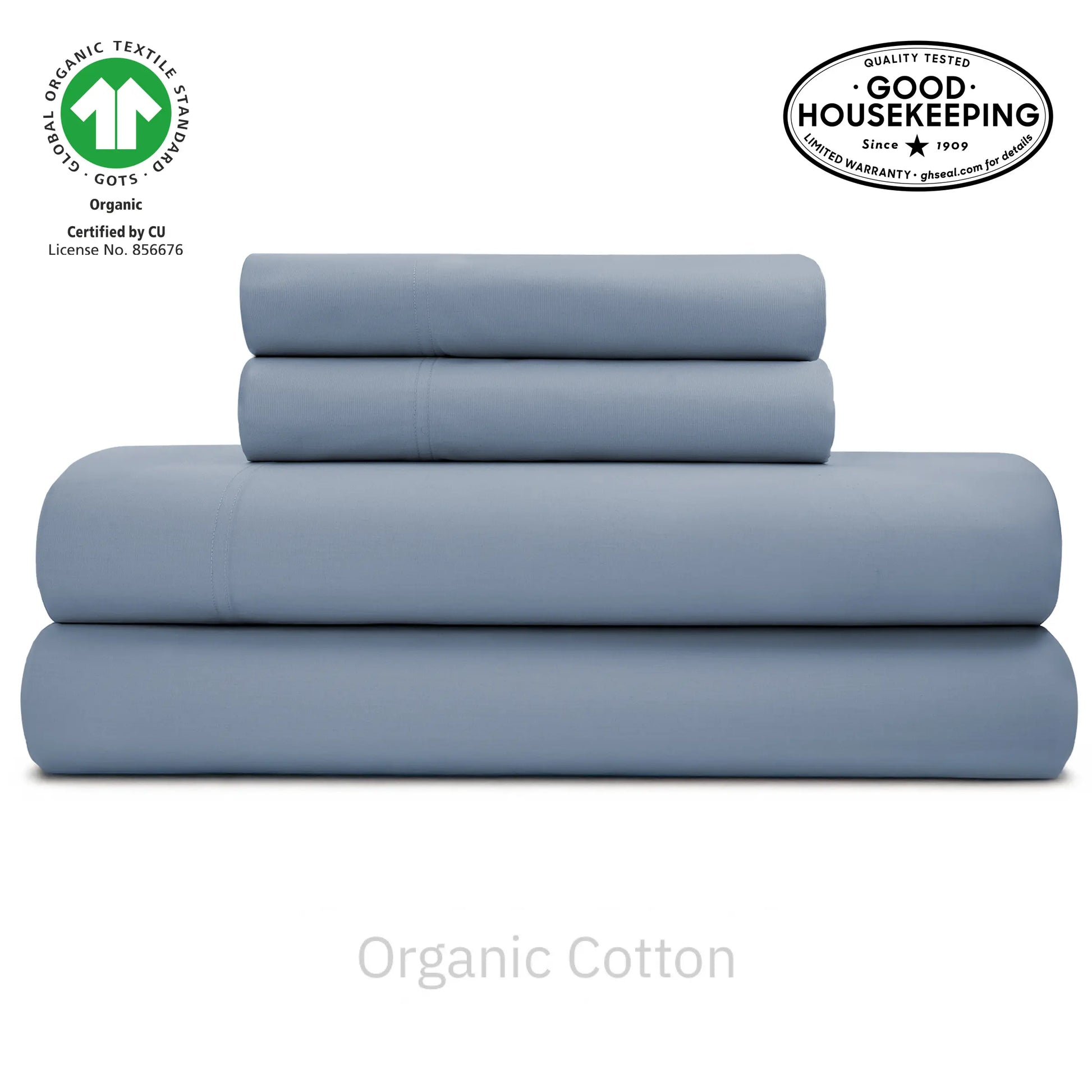
For shoppers who mainly want washable, breathable cotton with transparent material labeling, California Design Den’s organic-cotton percale is one Amazon option to compare. No ordinary sheet set should be expected to prevent allergy symptoms; laundering, humidity control and purpose-built mattress/pillow encasements are more direct allergen-management tools.
Check organic cotton percale on Amazon →
As an Amazon Associate, Yawnder earns from qualifying purchases.
Top Hypoallergenic Sheet Options
Here’s a closer look at some of the leading materials for hypoallergenic sheets and their benefits:
Bamboo Sheets
Sheets made from viscose or lyocell derived from bamboo are often chosen for a smooth feel and moisture management. Those characteristics can improve comfort for some sleepers, but the fiber itself should not be treated as an allergen-repellent material.
Silk Sheets
Silk sheets are synonymous with luxury and comfort. The natural fibers in silk have intrinsic qualities that make them resistant to allergens like dust mites and mold. For those concerned about sustainability, eucalyptus silk (also known as Tencel) serves as an eco-friendly alternative, offering similar benefits without the hefty price tag.
Tencel Sheets
Derived from eucalyptus trees, Tencel sheets are gaining popularity for their breathability and moisture-wicking capabilities. They help regulate temperature and minimize allergens, creating a comfy, itch-free sleep environment. For those seeking both luxury and sustainability, Tencel is an excellent choice.
Cotton Sheets
Cotton sheets, particularly those made from high-quality Egyptian cotton, are a timeless classic. Known for their breathability and softness, these sheets excel in providing comfort while preventing allergen build-up. Opting for tightly woven cotton enhances their ability to resist dust mites effectively.
Features to Consider When Selecting Hypoallergenic Sheets
When choosing the best hypoallergenic sheets, several features can determine the quality and effectiveness of your bedding:
Thread Count
While thread count is often viewed as a quality indicator, it’s important to know that higher counts generally lead to softer and more luxurious sheets. Materials like bamboo and Tencel typically achieve higher thread counts, which can also contribute to their hypoallergenic properties by creating a tighter weave.
Organic Materials
Opting for organic materials can greatly affect allergy sufferers. Organic sheets, such as those made from organic cotton or bamboo, are not only gentle on the skin but also free from harmful chemicals. This promotes a natural method to combating dust mites and allergens, enhancing your sleep quality.
Breathability
Breathability is critical when selecting hypoallergenic sheets. Look for options that allow for maximum airflow to help regulate body temperature—a crucial factor in maintaining a restful night’s sleep. Sheets made from bamboo and Tencel excel in moisture-wicking, reducing the likelihood of waking up feeling stuffy.
Certification
Certifications such as OEKO-TEX can provide useful information about testing for specified substances, but they do not certify that a sheet will prevent allergies or create an allergen-free environment.
Maintaining an Allergy-Free Bedroom
Creating an allergy-free sleeping space extends beyond just selecting the right sheets. Here are effective strategies to complement your hypoallergenic bedding:
Regular Cleaning
Cleaning your bedroom regularly can significantly reduce allergens. Wash your hypoallergenic sheets weekly at the highest temperature suitable for the fabric to effectively kill dust mites and bacteria. For delicate fabrics like silk or Tencel, opt for cooler wash cycles to maintain their quality.
Utilize Dehumidifiers
High humidity levels can encourage the growth of dust mites and mold. Aim to keep your bedroom humidity between 30-50%. A dehumidifier can help maintain the right moisture levels, particularly in humid climates.
Pet Management
If you have pets, keeping them out of the bedroom can help minimize allergen exposure. Regular grooming and laundry of pet bedding can also reduce the transfer of dander into your sleeping space.
Conclusion
Choosing the best hypoallergenic sheets is essential for improving sleep quality, especially for those suffering from allergies. By understanding the unique properties of materials like bamboo, silk, Tencel, and Egyptian cotton, along with considering key features and maintenance practices, you can create a serene and health-conscious sleep environment. At Yawnder, we’re dedicated to guiding you in making informed decisions about your bedding for peaceful, allergy-free nights. Invest in your health and comfort, and wake up rejuvenated every morning.
Frequently Asked Questions About Hypoallergenic Sheets
What are the key benefits of using hypoallergenic sheets?
Hypoallergenic sheets help combat common allergens like dust mites, mold, and pet dander, which can trigger various symptoms including sneezing, skin irritation, and breathing difficulties. Tightly woven, washable fabrics may reduce allergen accumulation, but sheets alone do not create a sealed barrier or guarantee better sleep or fewer allergy symptoms.
Are bamboo sheets a good option for people with allergies?
Yes, bamboo sheets are an excellent option for people with allergies, offering natural allergen-repelling properties. Besides resisting allergens, these sheets are also moisture-wicking and temperature-regulating, which helps create a cool and dry environment. Our team at Yawnder has noted the superior comfort and breathability of bamboo during hands-on testing.
How do Tencel sheets compare to silk sheets for allergy sufferers?
Tencel sheets, derived from eucalyptus trees, offer similar hypoallergenic benefits to silk sheets while often being more sustainable and budget-friendly. Both materials are known for their ability to repel allergens like dust mites and mold, and also provide breathability and moisture-wicking capabilities. For those prioritizing both luxury and eco-consciousness, Tencel presents a compelling alternative to traditional silk.
Who are hypoallergenic sheets best for?
Sheets marketed as hypoallergenic may appeal to people who prioritize washability, material transparency, or a tightly woven fabric. They should not be expected to prevent symptoms; if allergens are the concern, laundering, humidity control, and purpose-built mattress and pillow encasements are more direct considerations.
What are the best materials for hypoallergenic sheets?
The best materials for hypoallergenic sheets typically include natural fabrics like bamboo, Tencel, silk, and high-quality Egyptian cotton due to their inherent properties that repel allergens and allow breathability. These materials minimize allergens while ensuring a comfortable sleep experience. If you want to compare bedding materials in person, contact Yawnder first to confirm which sheet or fabric samples are currently available in the Encinitas showroom.
Are there any downsides to choosing hypoallergenic sheets?
While the article focuses primarily on benefits, a potential downside could be the initial cost, as specialized materials like silk or high-quality Tencel might be more expensive than conventional cotton options. Higher-priced fabrics may offer differences in feel, construction, durability, or sourcing, but price alone does not imply better health or sleep outcomes. Contact Yawnder to confirm which bedding options are currently available to compare in person.
Want to compare current availability and pricing on Amazon?
See hypoallergenic sheets on AmazonAs an Amazon Associate, Yawnder may earn from qualifying purchases.