
Therapedic Mattress Review (2026): Quality, Construction & Value
It’s one of the most common questions we hear from shoppers walking into our showroom: “Are Therapedic mattresses any good?” It’s a simple question with a surprisingly complex answer. You’ve likely seen the name around for years, a familiar presence in the world of sleep.
Our take: A Therapedic mattress can be a worthwhile choice if the exact model feels comfortable, has a suitable support system and is competitively priced. The brand includes different collections and regional manufacturing partners, so a brand name alone cannot tell you how a particular mattress will feel or wear. Compare the model and its written terms before buying.
This is a brand and buying guide based on Therapedic’s published information and Yawnder’s experience helping shoppers compare mattress types. It is not a new hands-on test of every Therapedic collection. Availability and specifications can vary by retailer and region.
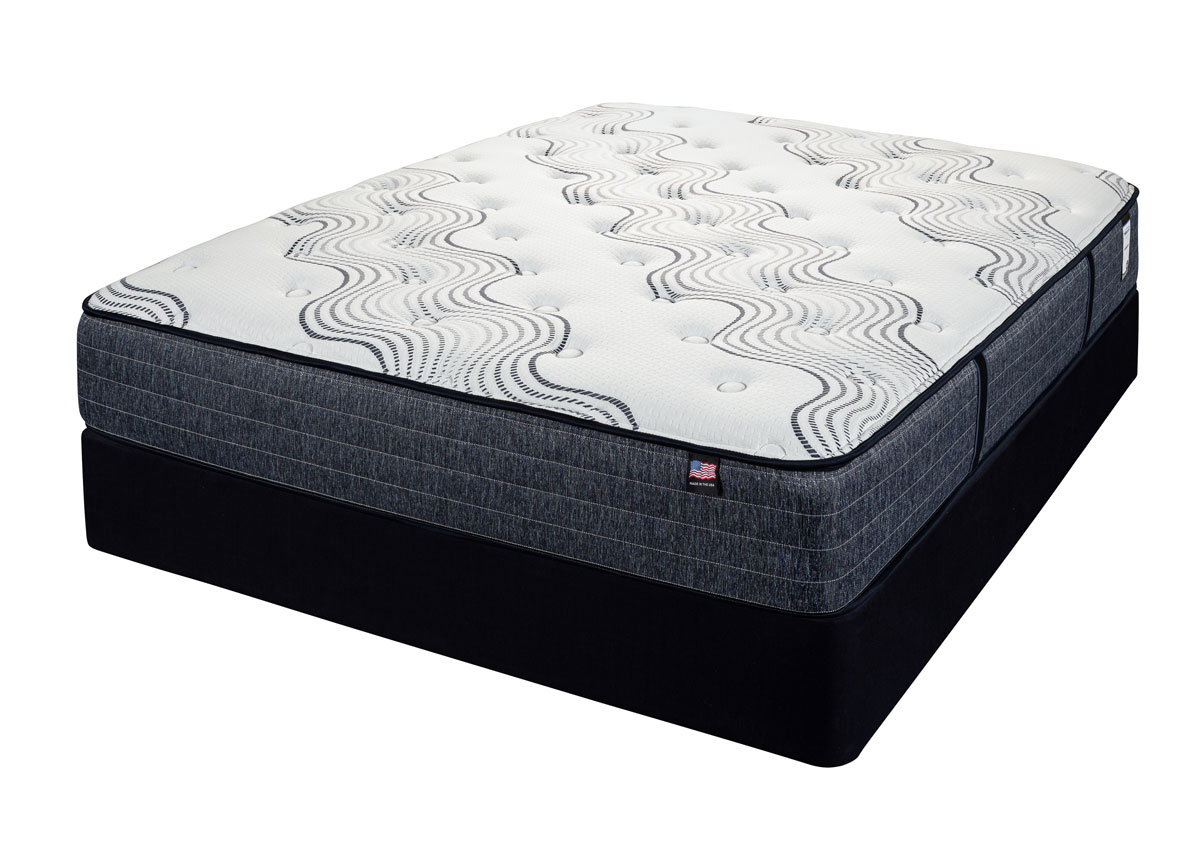
How Therapedic’s regional manufacturing works
Therapedic says it began in 1957 as a mattress factory and later licensed its brand and guidelines to other factories. Its company history describes manufacturing partners in the United States and internationally. Regional offerings can differ, so ask for the full collection, model name, firmness and manufacturer rather than assuming two beds with the Therapedic label are identical.
Regional production is not itself evidence that a mattress will be better or worse. A floor model can tell you about its feel, but it cannot establish how long your specific mattress will last. Compare the construction details, warranty and seller’s reputation as well as the price.
Therapedic collections and construction
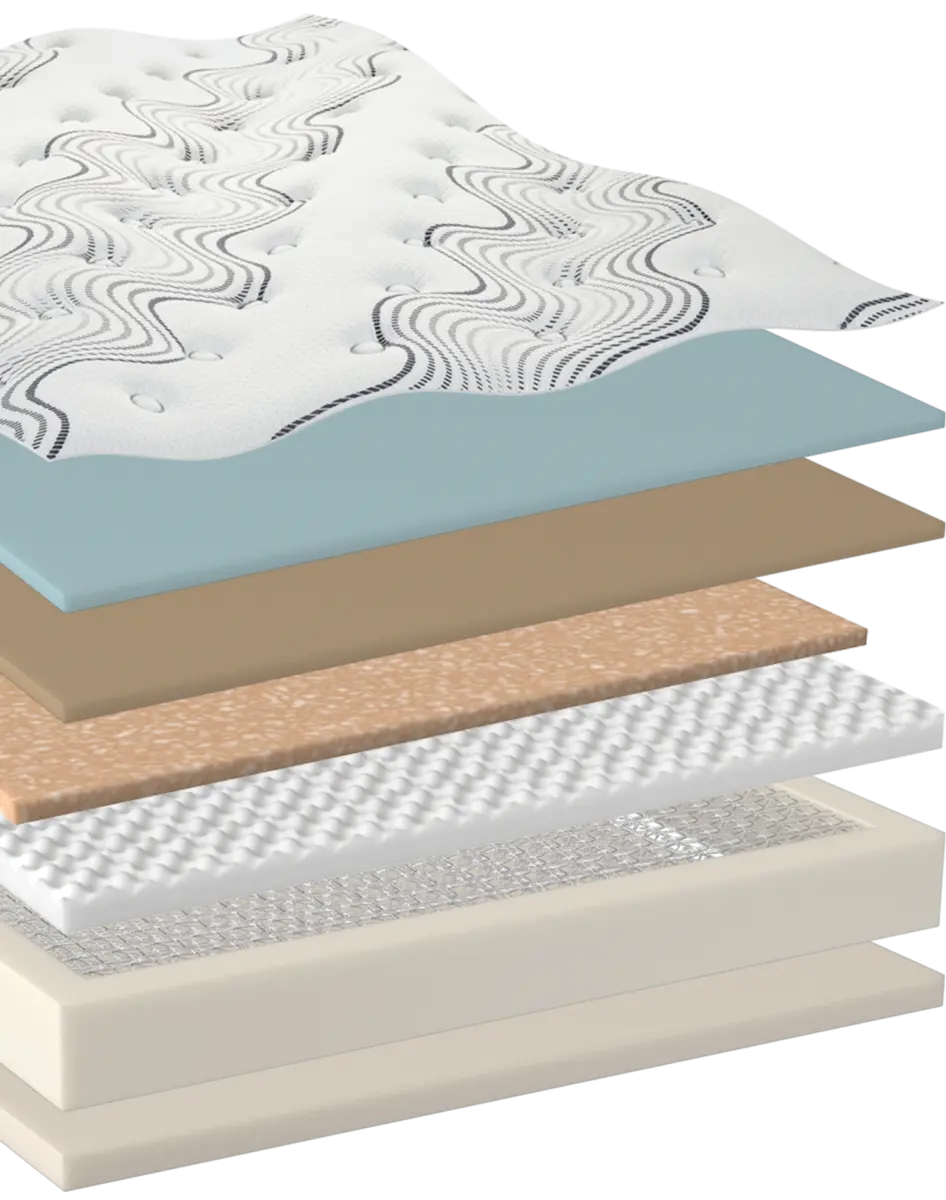
BackSense: an innerspring example
Therapedic lists BackSense in its innerspring collection. Its BackSense product page illustrates the Melbourne Plush with quilt foams, a copper memory-foam lumbar layer, zoned foam and an alternating coil spring system with foam encasement. Treat that as an example, not a specification for every BackSense bed; request the layer details for the exact model and firmness offered by your seller.
Agility, Bravura and other choices
Therapedic lists Agility and Bravura as hybrid collections, combining coils with foam comfort layers. It also lists heavy-duty and foam or latex categories. Do not assume a particular mattress contains latex, pocketed coils, copper foam or a named support system without checking the model’s specification sheet.
Therapedic describes its HourGlass Back Support as a zoned support feature used in some models. Zoning changes the resistance under parts of the body; whether that feels better depends on your position and build. Copper or cooling materials are marketing features, not proof that a mattress will keep every sleeper cool or provide a medical benefit.
Strengths and limitations
Reasons to consider Therapedic
- Choice of constructions: Innerspring, hybrid and specialty options give shoppers different surfaces and support systems to compare.
- Try before buying: Many models are sold through local retailers, giving you the chance to lie on the exact firmness and ask about delivery.
- Potential value: Some models may compare favorably with other beds at the same price. The right comparison is the actual mattress and its purchase terms, not a blanket price claim for the brand.
What makes comparisons harder
- Specifications can vary: Collection names and product mixes do not always tell you which foams or coils a particular seller’s model uses.
- Review matching matters: A review for a different model, firmness or generation may not describe the bed you are considering.
- Trial and service depend on the seller: Ask who handles exchanges, returns and warranty claims and what costs apply.
The biggest variable in mattress quality isn’t always the brand name, but the consistency of the factory that builds it. A great design is only as good as the hands that craft it.
Manufacturing quality matters, but the specific materials, design, foundation and use also affect durability; an in-store feel test cannot predict lifespan on its own.
Who should consider a Therapedic?
Start with a model that matches your preferred sleeping position and feel. If you like a responsive spring surface, try an innerspring; if you want more cushioning above coils, compare a hybrid. Side sleepers often need enough give for shoulders and hips, while back or stomach sleepers may prefer more resistance under the midsection. Firmness is individual and changes with body weight.
For couples, have both partners try the mattress. One can change positions while the other notices movement; both should sit and lie near the edge. Individually wrapped coils may reduce some motion compared with connected springs, but the comfort layers and whole mattress design matter too.
Our team can help you compare mattress types at the Yawnder showroom in Encinitas. Contact us before visiting to confirm whether a particular Therapedic model is currently on the floor.
Questions to ask before buying
- What is the complete model name, firmness, height and size? Is the delivered bed the same configuration as the floor sample?
- Which factory made it, and what does the law tag say? Ask for the model’s construction details, including the support system and comfort materials.
- What foundation or slat spacing is required? Is the exact model compatible with your adjustable base?
- What is included in the total price: delivery, setup, old-mattress removal and any required foundation?
- Is there a home trial or exchange, a break-in period, a pickup charge or a return fee? Get the seller’s policy in writing.
- What does the warranty cover, who handles claims, and what body-impression measurement and support conditions apply to this specific mattress?
Warranty, care and returns
Therapedic says most products include a limited warranty and directs buyers to the warranty card for their mattress. Its warranty claim page recommends contacting the selling retailer first; if the retailer cannot help, the company requests the original receipt and law-tag information and forwards the claim to the appropriate factory. The page says assessment-related transportation costs, if any, are the consumer’s responsibility.
A warranty for manufacturing defects is not the same as a comfort trial. Keep the receipt, law tag and written policy, use an approved foundation, and follow the maker’s cleaning and rotation instructions. Avoid assuming that every mattress can be flipped.
Frequently asked questions
Are Therapedic mattresses good quality?
Some may be a good fit and value, but quality cannot be determined from the brand alone. Compare the exact model’s construction, retailer support and warranty, and try it in your normal sleeping positions when possible.
Who are they best for?
Therapedic has different styles, so there is no single ideal sleeper. Shoppers who want to try an innerspring or hybrid locally may find models worth comparing with other brands.
What are the downsides?
Model names, construction details, prices and trial policies may be difficult to compare across sellers. Ask for the exact specifications and written purchase terms rather than relying on a review of another model.
How does Therapedic compare with Sealy or Serta?
Compare specific models from Sealy, Serta and Therapedic for feel, layers, foundation requirements and seller terms. Each brand sells more than one kind of mattress; the label alone does not establish a quality ranking. These links may earn Yawnder a commission.
Are they good for couples?
They can be, depending on the model. Try the bed together and assess motion, edge stability, temperature and how well both people like its firmness.
Where can I try one in San Diego?
Use Therapedic’s manufacturer locator and contact information to find a regional retailer. Contact any showroom first to confirm the specific model and firmness on display.