
Affordable bed sheets: where to start
Our take: Target’s Threshold Performance set is a useful cotton sateen option for shoppers comparing price and easy availability. L.L.Bean’s Pima Cotton Percale is worth comparing if you prefer a crisper feel, though it may cost more. The right choice depends on size, feel and the current price—not thread count alone.
This guide compares published product information; it does not claim a new controlled durability test of all these sets. Prices, colors and availability change.
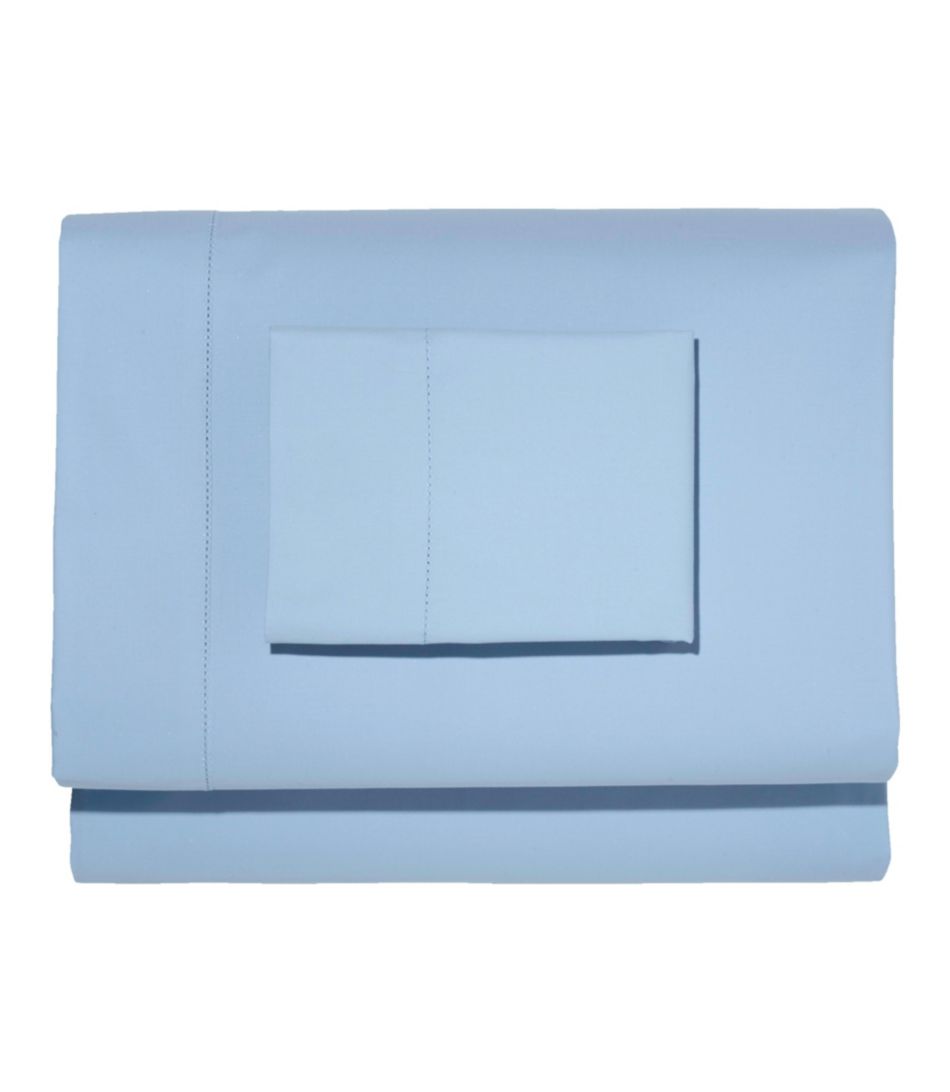
Compare sheet options
| Option | What to expect | What to check |
|---|---|---|
| Target Threshold Performance | 100% cotton, 400-thread-count sateen in the linked listing. | Size, pocket depth and included pieces for the selected set. |
| L.L.Bean Pima Cotton Percale | 280-thread-count cotton percale for a more crisp, matte style. | Compare the actual size and delivered price; not always the least expensive option. |
| JCPenney Wrinkle Guard | A cotton sheet option marketed for wrinkle resistance. | Look at the current fabric, size, promotion and return terms. |
| Basic microfiber or jersey set | Often budget-friendly; microfiber is commonly polyester, while jersey may use different fibers. | Read the fiber label and care instructions; feel differs from woven percale. |
Fit matters as much as price
Measure mattress width, length and depth with any protector or topper installed. Check the fitted sheet’s maximum depth and the set’s actual contents. Split king setups typically need two twin XL fitted sheets; dorm beds may need Twin XL rather than twin. See our Twin XL guide.
Cotton, microfiber, percale and sateen
Cotton is a fiber; percale and sateen are weaves. Percale often feels crisp and matte, while sateen is smoother with a slight sheen. Polyester microfiber may feel soft and dry quickly, though some people prefer cotton. Comfort and perceived temperature vary with the specific fabric and sleeper.
Thread count describes the number of threads in an area of woven fabric. It does not guarantee softness, cooling or lifespan, and one range is not ideal for every weave. Our thread-count guide explains the tradeoffs.
How to compare value before checkout
Compare the delivered price for the size you actually need. A low advertised starting price may apply to a twin sheet, a single fitted sheet or a clearance color rather than a queen set. Check the number of pieces and shipping costs before comparing two listings.
If a deep discount is the main attraction, read the return terms and care label first. For a tighter budget, a well-fitting set that suits your laundry routine can be a better starting point than paying more for a higher thread count. If a more expensive percale set interests you, consider its feel and full cost alongside the lower-priced options.
Compare the total cost and care
- Check whether the set includes a flat sheet and the number of pillowcases for your size.
- Compare shipping and return conditions, particularly for washed bedding.
- Follow the manufacturer’s wash and dry label. Do not assume vinegar, baking soda or other additives are appropriate for every finish.
- Consider a second affordable set if it makes regular laundry easier, but prioritize fit and fabric over the number of pieces.
Frequently asked questions
What is a good thread count for inexpensive sheets?
There is no single ideal number. Compare fiber, weave, fit and feel as well as thread count.
Are microfiber sheets always hotter than cotton?
Not necessarily. Fabric construction and individual preferences influence temperature.
Do deep-pocket sheets fit every mattress?
No. Compare the pocket depth with your mattress and added layers; excess fabric can bunch.
Want to compare current availability and pricing on Amazon?
Compare affordable sheets on AmazonAs an Amazon Associate, Yawnder may earn from qualifying purchases.