
Original verdict: Ben found the original SleepOvation mattress distinctive for its independently moving foam-and-coil modules. He observed local contouring, quick recovery and little partner disturbance. SleepOvation later became Kiwi Sleep; this is a review of the older sample.
SleepOvation provided Ben a queen-size mattress for the original review. The company described its design as “700 mattresses in one,” referring to an array of small foam-and-spring units rather than a single continuous comfort layer.
What made SleepOvation different?
Each small foam cushion sat above its own pocketed coil. The units could compress more independently than a broad, continuous foam sheet. Ben described that ability to conform locally as point elasticity: a shoulder or hip can press into one area without necessarily moving the whole surface in the same way.
The original specifications described an approximately 12-inch mattress and an internal quilted pad above the modules. Those are historical details, not guaranteed specifications for a current Kiwi Sleep product.

Ben’s hands-on findings
Ben reported that the mattress expanded quickly after unboxing. He opened the review sample to examine the interior and photographed a 14-pound bowling ball pressing into the individual modules. The ball compressed a localized area, illustrating how the pieces could respond. It is a demonstration rather than a measure of pressure relief for every body.

Do not open a mattress or remove an internal cover unless the manufacturer says it is safe for that specific product. Covers and fire barriers can have important functions.
Comfort, motion and tradeoffs
Ben found the independent units responsive and reported little partner disturbance in his motion demonstration despite the springs. He thought the contouring and quick recovery could appeal to side and back sleepers who want cushioning without a slow memory-foam feel.
He also appreciated the spaces between modules as a potential aid to airflow. The original review did not establish a controlled cooling result; room conditions, bedding and individual preference matter. If you prefer the uniform feel of a continuous foam layer, the modular sensation may be different from what you expect.

Watch the original demonstrations
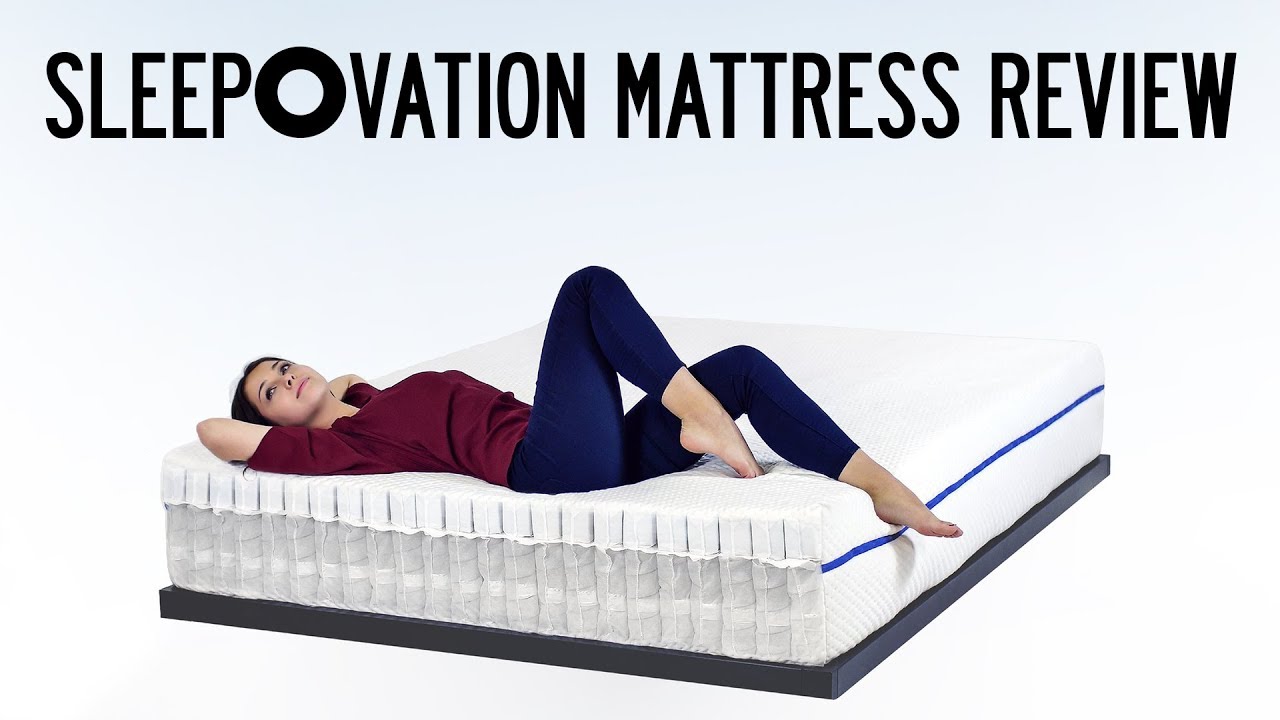
Additional original videos: demonstration 2 and demonstration 3.
SleepOvation and Kiwi Sleep
Industry publication BedTimes reported in 2024 that SleepOvation rebranded as Kiwi Sleep. We have not verified that a current model is identical to the mattress Ben tested. Check the current seller’s model, construction, availability, trial, return fees and warranty before ordering. Old prices and policies are historical.
For other options, browse Yawnder’s mattress reviews.
Frequently asked questions
Was the original SleepOvation an all-foam mattress?
No. It paired individual foam cushions with pocketed coil springs.
What did the bowling-ball test show?
It showed a small area compressing around a concentrated weight. It cannot predict comfort for every sleeper.
Is Kiwi Sleep the same company name?
SleepOvation rebranded as Kiwi Sleep, but verify current product specifications instead of assuming the older sample and a new mattress are identical.
Compare this mattress against 142 tested mattresses
Sort all 142 mattresses we have tested by pressure relief, support, cooling, motion isolation, edge support, price, trial and warranty, then filter by how you actually sleep. Of those, 84 hold a complete standardized record and 41 a partial standardized record.