Sleep science and myths
Russian Sleep Experiment Story And What Extreme Sleep Deprivation Really Does
The Russian Sleep Experiment is one of the internet’s most famous horror stories. It mixes real fears about sleep loss with a completely fictional experiment that never happened. Below is what the story says, what actually happened in history, and what science tells us about genuine sleep deprivation.
What is the Russian Sleep Experiment
We know that sleep is essential. We also know how awful it feels to go without sleep for even a night or two. But what would happen if someone went without sleep for an entire month. Not a few short naps, but remaining fully awake for thirty days.
Any reasonable person has the same reaction. That is not possible. When we are sleepy, we eventually fall asleep, no matter how hard we try to fight it. Even people with chronic insomnia sleep at some point.
The Russian Sleep Experiment story takes that basic question and turns it into a gruesome nightmare. It describes a secret military experiment in the Soviet Union during the 1940s. According to the tale, five political prisoners were locked in a sealed gas chamber and given an airborne stimulant to keep them awake for thirty days in exchange for their freedom.
For the first few days, everything seemed uneventful. The prisoners talked to each other and occasionally spoke to the researchers through microphones. Their behavior was monitored with sound equipment and hidden two way mirrors.
Around the fifth day, things changed. The prisoners began to show severe stress and paranoia. They stopped talking to each other and only whispered into the microphones. By the ninth day, two of them were supposedly running in circles and screaming so intensely that their voices gave out.
Then the screaming stopped, replaced by total silence. When the researchers announced they were going to open the chamber, a voice from inside replied that the prisoners no longer wanted to be free.
On the fifteenth day, the chamber was opened and the scene was described as horrific. One prisoner was dead. The others were severely mutilated, with torn flesh and open abdomens, and they appeared to have eaten parts of their own bodies. They refused to leave the chamber and fought the guards with almost superhuman strength, ripping their own muscles and bones in the struggle. When asked why they had done this to themselves, each survivor supposedly replied, “I must remain awake.”
Even after removal from the chamber, the surviving prisoners were said to show extreme strength, resistance to drugs and sedatives, and a desperate obsession with staying awake and receiving more stimulant gas. When any subject finally fell asleep, they died instantly.
As the story goes, two of the subjects died. The remaining three were treated and prepared to return to the gas chamber. EEG readings then revealed that their brains were already dead. Another subject died after falling asleep, and the researcher shot the remaining prisoner after he claimed to be the evil that lived in every human mind, kept under control by sleep.
The researcher then covered up the experiment and destroyed any trace of what had happened.
Where the Russian Sleep Experiment story came from
Here is the important part. That experiment never happened. It is entirely fictional.
When the story first appeared on the internet, it spread fast. People debated whether it could be real, especially because the Soviet military was notorious for secrecy and cruelty. That real history made the story feel believable, even though it was invented.
The Russian Sleep Experiment is an internet horror story that first showed up on a community Wiki in 2010. The author used the username Orange Soda and remains anonymous.
This type of scary online story is often called Creepypasta. Creepypasta refers to short, user generated horror content that spreads through forums and social media, meant to frighten readers with graphic scenes, paranormal themes, or otherworldly events. The Russian Sleep Experiment became one of the most famous examples, and many people still stumble on it and wonder if it is true.
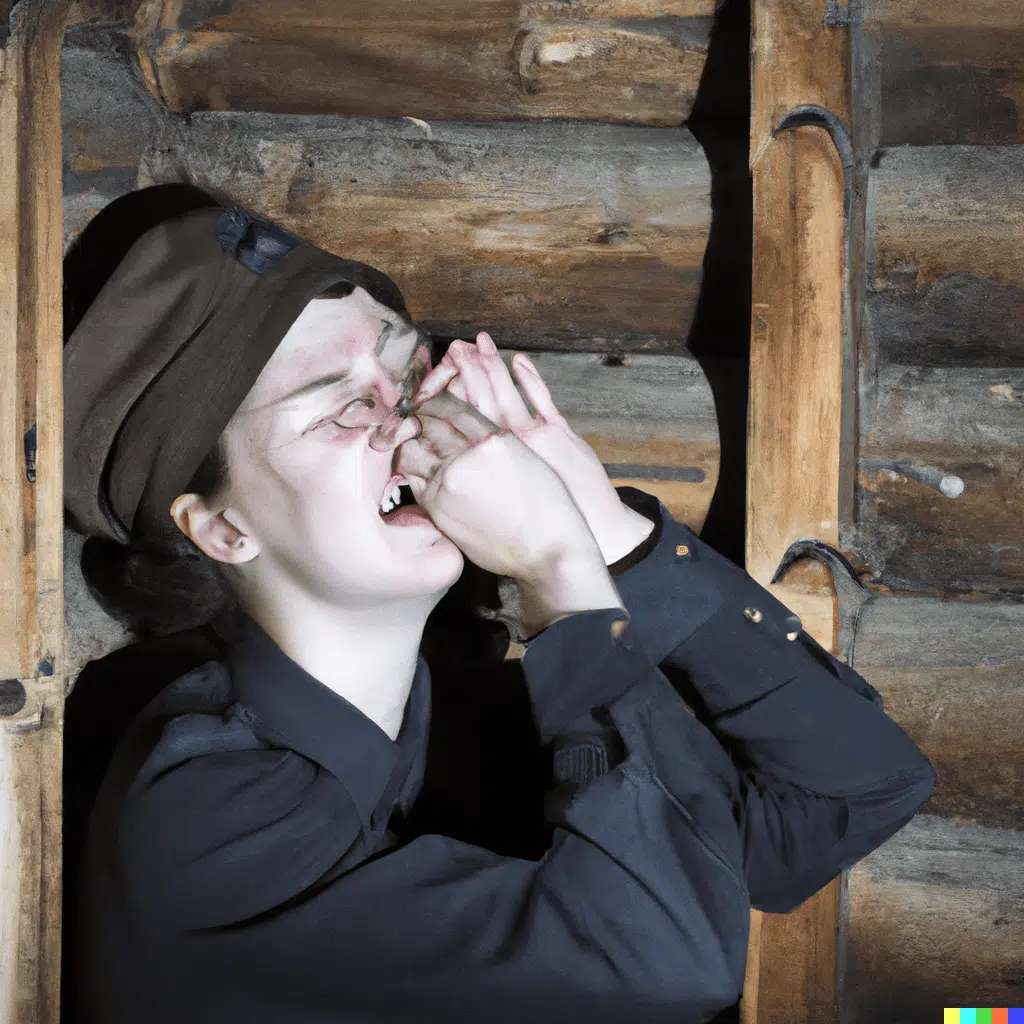
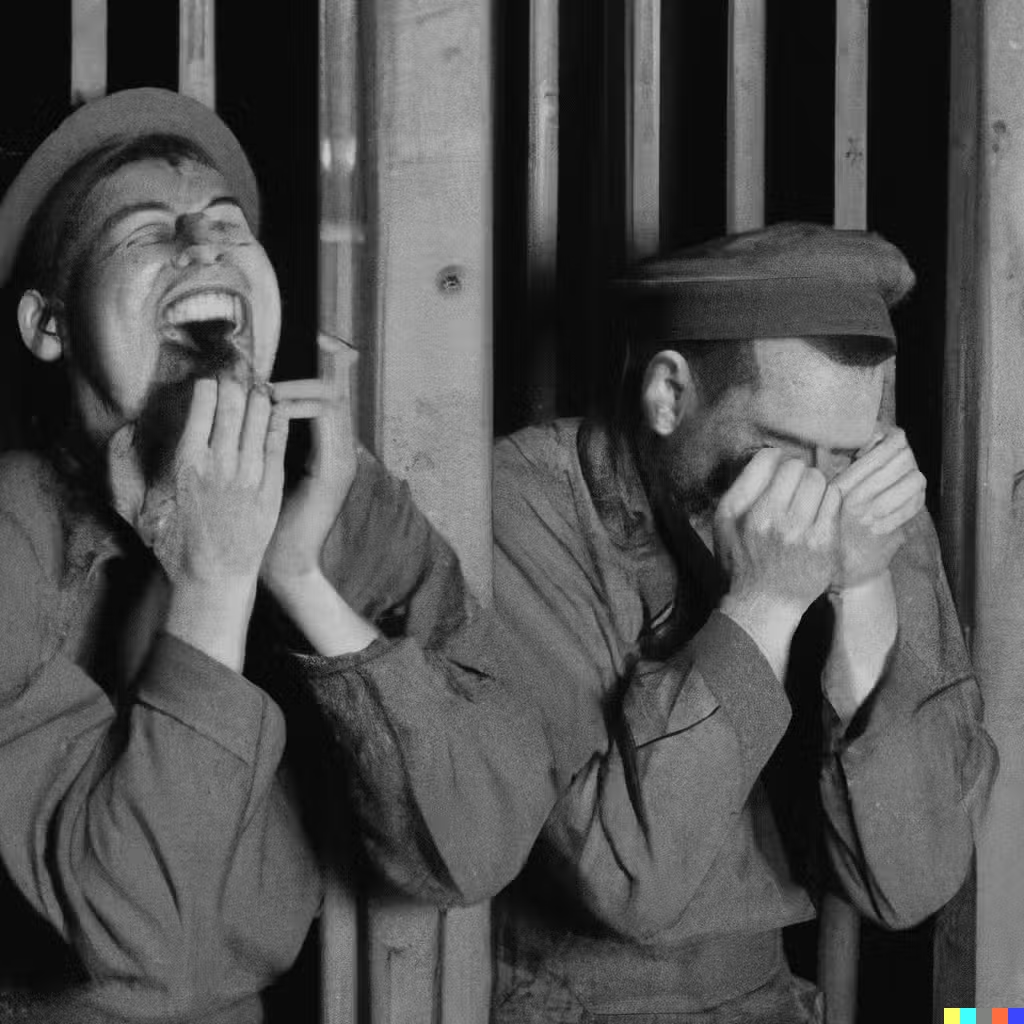
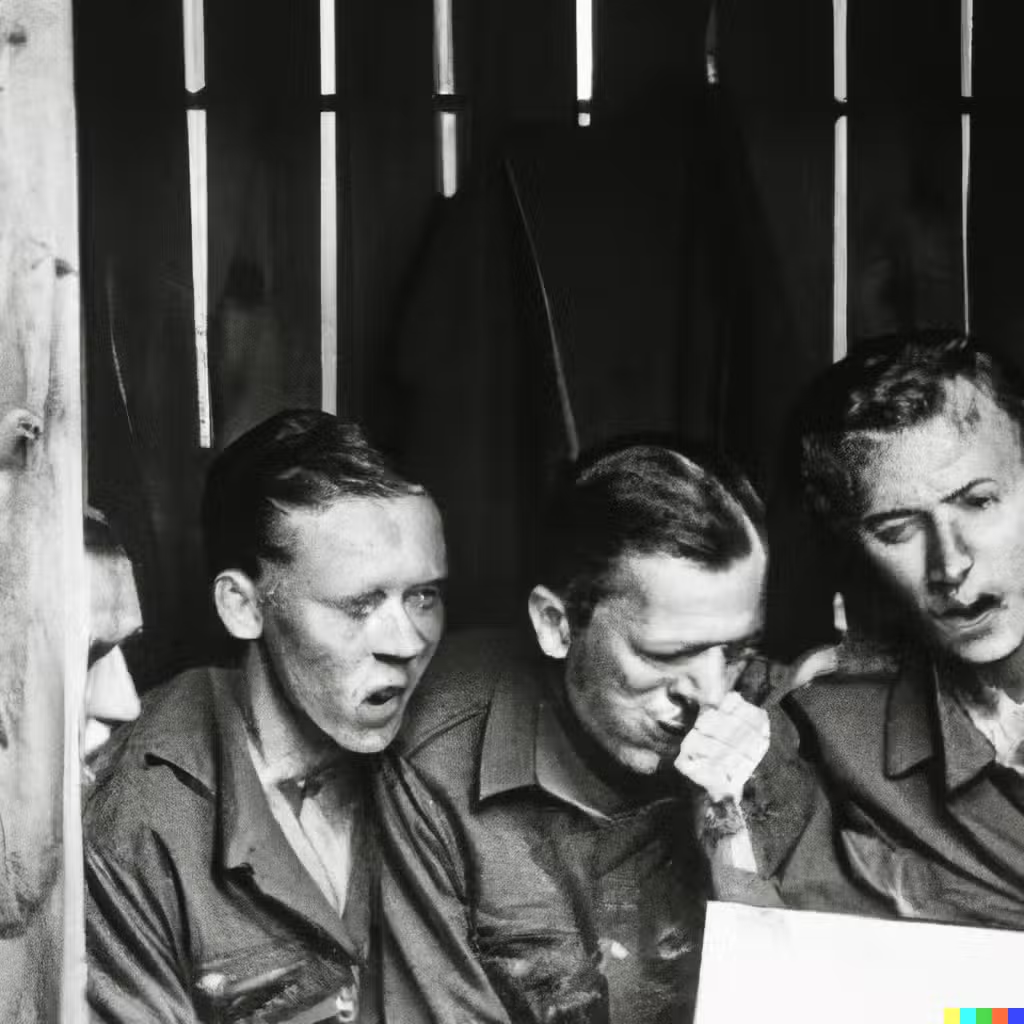
There are also disturbing images online labeled as Russian Sleep Experiment photos. They are staged or edited pictures created to support the myth. There is no real photographic evidence because the experiment itself never happened.
Real Soviet experiments that did happen
The fact that the Russian Sleep Experiment is fictional does not mean the Soviet Union was gentle. The Soviet state and its security services did conduct unethical and secret experiments, especially during the twentieth century. Many of these took place in research facilities controlled by Soviet intelligence and military branches.
One of the best known examples is a secret poison laboratory. It was created by professor of medicine Ignatii Kazakov and led by lieutenant general Pavel Sudoplatov. The goal was to test different poisons for use in covert operations against enemies of the state.
Political prisoners were often used as test subjects. Researchers searched for a colorless, odorless poison that left no trace after death. Substances like mustard gas, digitoxin, ricin, curare, and cyanide were tested. Many victims died quickly, and the same facility was used to execute people considered hostile to the regime.
According to some accounts, this laboratory was reactivated in the early 1990s and may still be involved in developing biological or chemical agents for covert use.
These real experiments were horrifying in their own way, but they did not involve stimulant gas chambers that turned people into cannibalistic insomniacs. The Russian Sleep Experiment blends a grain of real history with pure horror fiction.
Real world sleep deprivation records
While no one has been kept awake for thirty days in a gas chamber, there have been real attempts to stay awake for long periods of time under supervision.
A high school student from California named Randy Gardner stayed awake for 11 continuous days as part of a science project in 1964. During the 264 hour experiment, he experienced poor concentration, dizziness, foggy memory, slurred speech, mood changes, and even hallucinations and paranoia. He did not become violent or cannibalistic and did not tear his body apart.
After the experiment ended, Randy slept for about 14 hours in a row and woke feeling normal, with no lasting damage that could be clearly linked to the project. He did not get an official Guinness World Record listing because of timing and later policy changes.
Guinness eventually removed this category to avoid encouraging dangerous experiments. Another frequently cited record is Maureen Weston from England, who reportedly stayed awake for 18 days in 1977 as part of a rocking chair marathon. She did not become a monster and did not eat her own flesh.
Scientists have been interested in sleep deprivation for decades. Real experiments use strict monitoring and ethical guidelines. None involve secret stimulant gas or turning people into inhuman creatures.
Real effects of sleep deprivation
Going without sleep for days is not a horror movie, but it is dangerous. Sleep loss does not turn people into cannibals, but it can seriously damage health and performance, especially when it becomes chronic.
After even one short night of sleep, most people feel groggy, irritable, and tired. With continued sleep loss, the problems grow. We become more accident prone and less able to handle stress. Over time, chronic sleep deprivation affects nearly every system in the body.
Accidents and safety risks
Our body needs regular rest the same way a machine needs downtime. Without it, reaction times slow down, thinking becomes less sharp, and the risk of accidents rises. Sleep deprived driving can be as dangerous as drunk driving. In factory settings or jobs that involve heavy equipment, lack of sleep can lead to life threatening mistakes.
Some large scale disasters have been linked to fatigue and human error, including nuclear incidents and industrial accidents. While many factors are involved, sleep loss is often part of the story.
Why people become sleep deprived
Modern life encourages unhealthy sleep habits. Long work hours, late night screen time, shift work, and constant pressure to perform can push sleep to the bottom of the priority list. Some people brag about surviving on only a few hours a night, but the bill eventually comes due in the form of health problems and burnout.
Sleep disorders also play a major role. Conditions like insomnia and sleep apnea can cause chronic sleep deprivation that lasts for years if untreated. Many people assume insomnia will clear up by itself, but it often requires real evaluation and treatment. Sleep apnea, where the airway collapses repeatedly during sleep, can fragment sleep all night long.
Appetite and weight gain
Chronic sleep deprivation disrupts hormones that control appetite. Leptin is a hormone that signals fullness, while ghrelin increases hunger. When we do not sleep enough, leptin levels fall and ghrelin levels rise, which makes us feel hungrier and crave high calorie foods.
Many people assume that less sleep means more calories burned and easier weight loss. The opposite tends to happen. The longer someone lives with sleep deprivation, the higher the risk of weight gain and metabolic problems.
Cognitive performance and mood
Lack of sleep is a major cause of errors, poor decisions, and everyday mistakes. During sleep, the brain consolidates memories and clears out waste products. That nightly reset helps us learn, focus, and regulate emotions.
Without enough sleep, we are more forgetful, less creative, and more likely to snap at other people. Long term sleep loss is strongly linked to anxiety and depression, and it can worsen existing mental health issues.
Serious health risks
Chronic sleep deprivation raises the risk of serious conditions including:
- Type 2 diabetes
- High blood pressure
- Heart disease and heart failure
- Stroke
- Kidney disease
- Weakened immune function
- Low sex drive and fertility problems
- Mood disorders such as depression
Over time, poor sleep can shorten life expectancy. You will not turn into the creature described in the Russian Sleep Experiment, but your body and brain will pay a real price.
Moral of the story and how much sleep you actually need
The Russian Sleep Experiment is fictional horror. It does not describe any real research project in Russia or anywhere else. You do not need to worry about secret stimulant gas chambers, but you should take sleep deprivation seriously.
Most adults need at least seven hours of quality sleep each night. Some do best with a little more. A healthy lifestyle, a calm mind, and a comfortable sleep environment work together to support better rest.
If you suspect a sleep disorder such as insomnia or sleep apnea, talk with a medical professional or sleep specialist. There are effective treatments for most sleep disorders, and improving sleep often improves almost every other part of life.
If your main issue is that your bed is uncomfortable, upgrading your mattress and pillows can be a surprisingly powerful first step. You can explore our guides to choosing a mattress or visit the Yawnder showroom to test beds in person and build a bedroom that invites real rest.
If you want to read the fictional account of the Russian Sleep Experiment, you can find book versions on Amazon and other online bookstores. Just remember that it is entertainment, not documentary evidence.
Russian Sleep Experiment FAQ
Is the Russian Sleep Experiment a real story
No. The Russian Sleep Experiment is a piece of internet horror fiction, often called Creepypasta. It was posted online around 2010 and has no basis in real scientific records or verified historical documents.
Did the Soviet Union run secret experiments on people
Yes. The Soviet state carried out secret and unethical experiments, including the development and testing of poisons in classified laboratories. Political prisoners and perceived enemies of the state were sometimes used as test subjects. None of the documented projects match the Russian Sleep Experiment story.
What is the longest time someone has stayed awake
The most famous case is Randy Gardner, a teenager who stayed awake for about 11 days in a supervised science project in 1964. He experienced mood changes, hallucinations, and cognitive problems, but not the extreme violence described in the Russian Sleep Experiment. Guinness World Records no longer tracks intentional sleep deprivation because of safety concerns.
Can sleep deprivation make you hallucinate
Yes. Severe sleep deprivation can cause visual or auditory hallucinations, paranoia, and changes in mood. These effects happen because the brain is not getting the rest it needs to function normally. That said, sleep deprived people do not turn into indestructible monsters. They mostly become exhausted, confused, and more prone to mental health issues.
How many hours of sleep should adults aim for
Most adults function best with at least seven hours of sleep each night. Some need closer to eight or nine. If you wake feeling unrefreshed, rely on caffeine all day, or doze off unintentionally, that is a sign you may need more or better quality sleep.
Can a new mattress help with sleep deprivation
If pain, pressure points, or overheating are keeping you awake, then a better mattress can definitely improve sleep. It will not fix every cause of sleep deprivation, but pairing a supportive mattress and pillows with healthy sleep habits often makes it much easier to reach that seven hour mark consistently.