Density, firmness and IFD — the three numbers brands blur together
Memory foam is judged on three separate measurements and most marketing copy mixes them up. Density, in pounds per cubic foot (PCF), is how much material is in the foam and it is the best single predictor of durability. Firmness is how the finished mattress feels once comfort and support layers are combined — a low-density foam can feel firm and still break down early. IFD (indentation force deflection) describes how much force a specific foam layer takes to compress, which is useful for comparing layers but not for guessing how a whole bed sleeps.
Practical guidance: for the memory-foam comfort layer, roughly 3 PCF and up holds its shape for years, and 4 to 5 PCF is where premium beds sit. Below about 3 PCF you are more likely to see body impressions inside a few years. Under the comfort layer, the support core matters just as much — a high-density polyfoam base around 1.8 PCF or higher, or a pocketed coil unit in a hybrid, is what keeps the middle of the bed from dipping.
Who memory foam suits — and who should look at a hybrid
Memory foam's advantage is pressure relief: it spreads load instead of pushing back, which is why side sleepers with shoulder and hip pain and light sleepers who feel every coil tend to prefer it. It also isolates motion better than almost anything else, so a restless partner or a dog on the bed stops being a problem.
It is the wrong pick if you sleep hot, need to move easily on the surface, or are heavier. Slow-response foam holds heat and makes rolling over feel like work; combination sleepers often describe it as being stuck. Sleepers over roughly 230 pounds usually get better long-term support from a hybrid with coils, and stomach sleepers generally need the firmer, flatter surface a hybrid provides to keep the hips from sinking.
Firmness by sleeping position
Side sleepers usually land in the medium to medium-soft range so the shoulder and hip can sink without the waist losing support. Back sleepers do best around medium-firm, enough to hold the lumbar curve. Stomach sleepers need firm, because any sink at the hips extends the lower back. Combination sleepers should bias firmer and choose a faster-responding foam or a hybrid so changing position is easy.
Cooling claims, off-gassing, and break-in
Gel beads, copper, graphite and phase-change covers all help at the surface, and open-cell or aerated foams help airflow, but no memory foam is as breathable as coils with air moving through them. If you are a genuinely hot sleeper, prioritise a hybrid or a cooling mattress pad over a cooling claim on a foam bed. Expect a new foam mattress to smell for a few days — that off-gassing is normal and fades faster with the room ventilated. Expect the feel to soften over the first two to four weeks, which is why every trial period is measured in months rather than nights: sleep on it at least three weeks before judging.
Certifications and support requirements
CertiPUR-US covers the foam's emissions and content; GREENGUARD Gold and OEKO-TEX cover finished-product emissions and textiles. None of them says anything about comfort, only about what you are breathing. Also check the foundation requirement before you buy: all-foam mattresses need a solid or closely-slatted base, generally with slats no more than 3 inches apart, and using the wrong base is one of the few things that will genuinely void a warranty.
Frequently asked questions
What foam density should I look for?
Roughly 3 PCF or higher in the memory-foam comfort layer, with 4 to 5 PCF typical of premium beds, over a dense support core.
Does memory foam sleep hot?
It holds more heat than coils. Gel, graphite and phase-change covers reduce it, but a hybrid or a cooling pad is the stronger fix for hot sleepers.
Is memory foam good for back pain?
It can be, when the firmness keeps your spine neutral — usually medium-firm for back sleepers. Persistent pain warrants a doctor's input, not just a new mattress.
How long does a memory foam mattress last?
Typically seven to ten years with adequate density and a proper base; low-density foam can show impressions much sooner.
Do I need a special bed frame?
Yes — a solid platform or slats spaced no more than about 3 inches apart. Old box springs allow sag and can void the warranty.
 Saatva Loom and Leaf
 Leesa Original
 Tuft and Needle Mint
 Amerisleep AS3
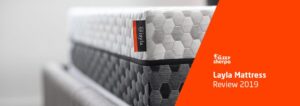 Layla Memory Foam
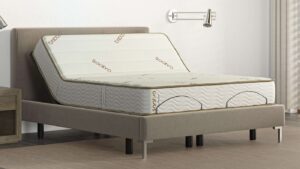 Zenhaven