
Updated for 2025 with hands on testing and app checks
Loftie vs Hatch Restore Smart Alarm Clock Comparison My Experience and 7 Real World Tests
Loftie and Hatch Restore are the two smart clocks people ask me about most when they want to keep phones away from the bed. Both promise gentler wake ups, softer nights and less scrolling, but they get there in different ways. Loftie leans into tech boundaries and deep audio content. Hatch Restore leans into light based routines and a feature packed app. This comparison walks through real use, not just spec sheets, so you can decide which one belongs on your nightstand.

Short version. Loftie is best if you want a screen free feeling bedside clock with curated content and strong privacy. Hatch Restore is better if you want sunrise light, a full routine builder and a richer set of features for kids and adults.
Bottom line
Loftie feels like a dedicated sleep guide that happens to be an alarm clock. It focuses on sound quality, meditations, stories and gentle two stage alarms with a strong stance on privacy. Hatch Restore feels more like a full sleep station with sunrise light, a flexible routine builder and better tools for families who want a consistent schedule. If you want to cut phone time and care about data privacy, start with Loftie. If you want sunrise simulation and smart features wrapped in a clean app, start with Hatch.
Check Loftie price and details Check Hatch Restore price and detailsWhen you buy through my links it helps support the work I do testing products in the showroom and at home at no extra cost to you.
Loftie vs Hatch Restore at a glance
Here is the quick side by side view based on the core features most people care about. I expand on each section later in the review with real world notes.
| Feature | Loftie | Hatch Restore |
|---|---|---|
| Price | Around one hundred sixty five | Around one hundred thirty |
| Design | Sleek, modern rectangle with soft light and simple display | Round, minimalist body with gentle glow and compact footprint |
| Key features | Dimmable display, night light, two phase alarm, large library of meditations, sound baths and breathwork | Dimmable display, night light, two phase alarm, sunrise style light, sound machine, timer and sleep tracking |
| App experience | Simple and easy to navigate, focused on core features | Polished and friendly app with more settings and views |
| Sound options | Wide range of relaxing sounds and tones plus colored noise and guided content | Nature sounds, white noise, music like options and simple sleep sounds |
| Overall feel | Great for people who want an alarm clock that gently reshapes their sleep routine and keeps the phone away | Great for people who want sunrise light, routines and a wide tool set for adults and kids |
Test results
I used both Loftie and Hatch Restore for full nights in my own bedroom and in the showroom office, and asked testers with different sleep schedules to try them as well. These scores reflect how they work in everyday life, not in a lab.
I score on a ten point scale and convert those numbers to meters for quick scanning. Below is the breakdown for each device.
Loftie vs Hatch Restore performance snapshot
| Category | Loftie | Hatch Restore | Notes |
|---|---|---|---|
| Setup and first use | 9.2 out of ten | 9.0 out of ten | Both are simple to get running. Loftie is slightly more stripped down, which makes the first session feel quicker. Hatch has more options but also more steps in the app. |
| Display and bedside design | 9.3 out of ten | 9.3 out of ten | Loftie looks like a modern clock and blends into a grown up bedroom. Hatch Restore has a softer rounded look that works well in both adult and kids spaces. |
| Sound quality and variety | 9.6 out of ten | 9.0 out of ten | Loftie wins on the depth of its sound library and the quality of guided content. Hatch has plenty of options, especially for white noise and simple melodies. |
| Alarm and wake up experience | 9.1 out of ten | 9.1 out of ten | Loftie uses gentle two phase alarms with pleasant tones. Hatch adds sunrise style light that can make early wake ups easier, especially in dark rooms. |
| App and routine builder | 8.8 out of ten | 9.3 out of ten | Loftie keeps the app simple and focused on content and alarms. Hatch offers a richer routine system, more granular control and a more polished dashboard. |
| Privacy and data posture | 9.8 out of ten | 8.6 out of ten | Loftie leans hard into minimal data use and a clear privacy stance. Hatch asks for an account and feels closer to a standard connected device. |
| Value for money | 8.8 out of ten | 9.0 out of ten | Loftie costs a bit more but brings deep content and privacy. Hatch undercuts it slightly and packs in sunrise light and a full routine builder. |
Design and build
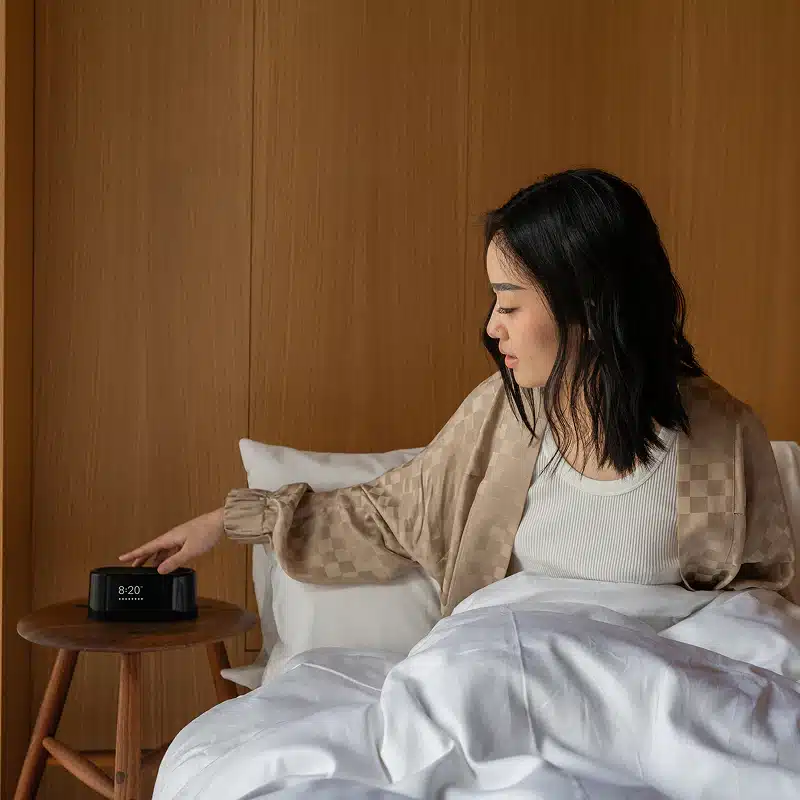
Loftie looks and feels like a premium little speaker crossed with a classic bedside clock. The body is compact, with a soft glow that does not overpower the room. The display is easy to read when you want it and easy to dim when you do not. On a nightstand next to a lamp and book, it looks intentional rather than gadget heavy.
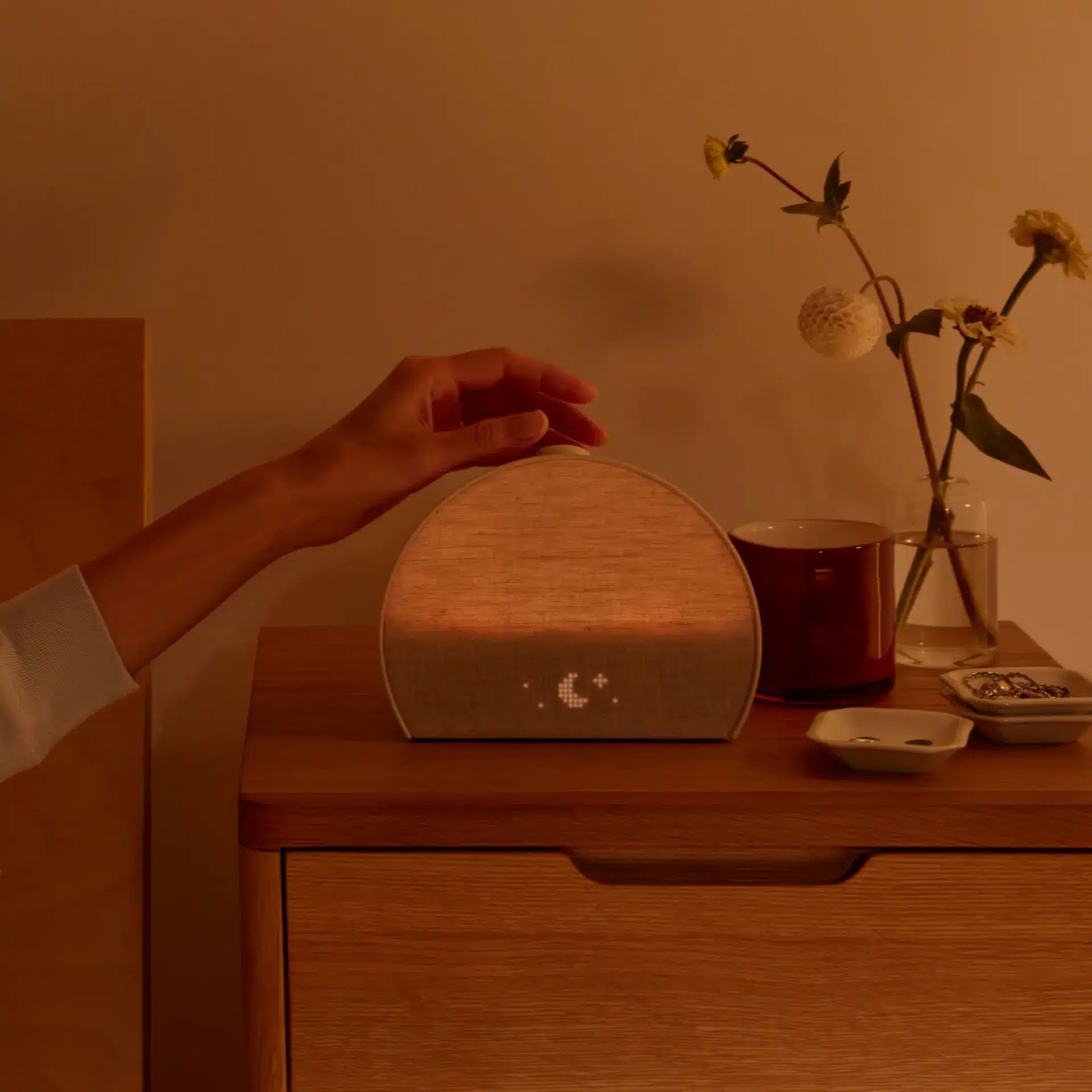
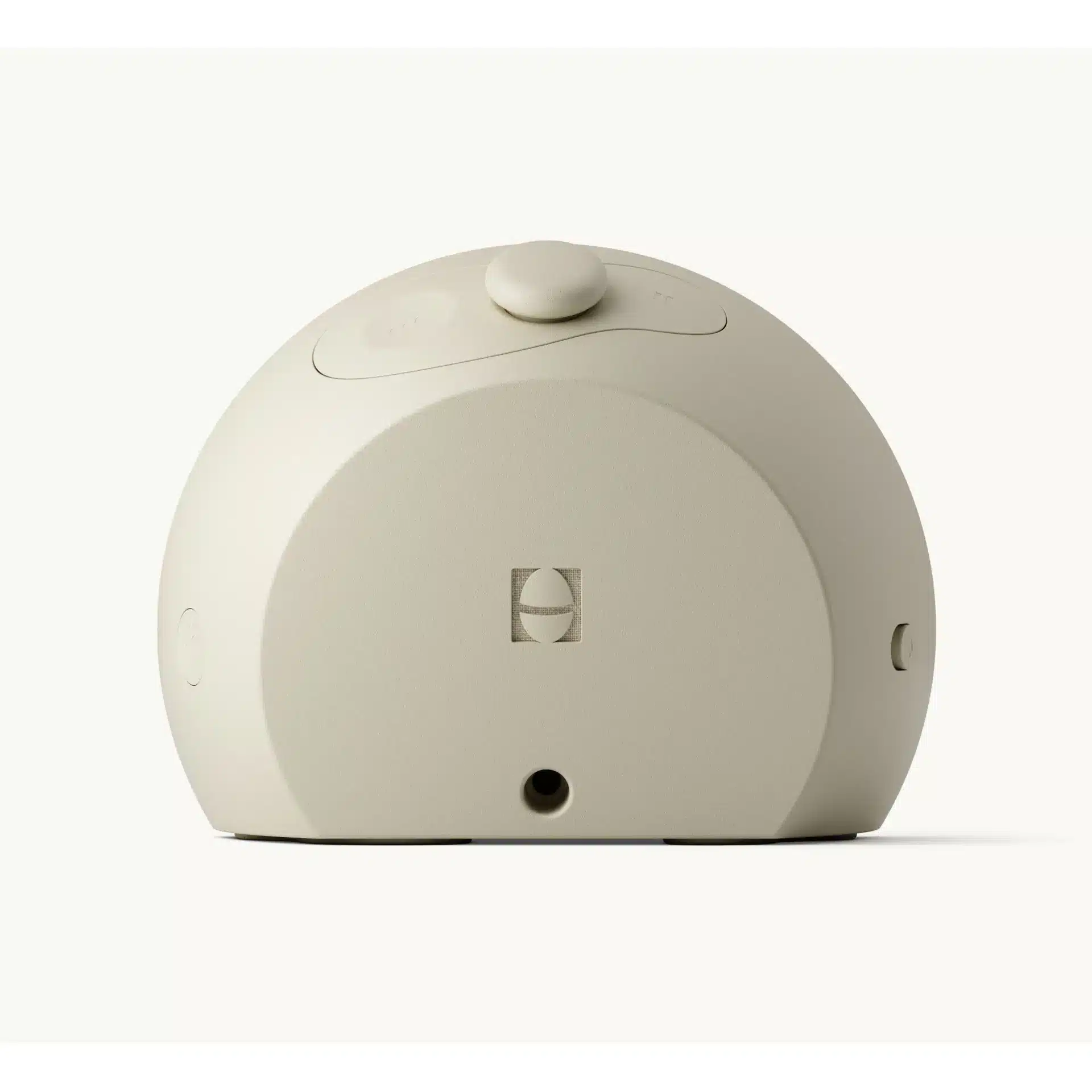
Hatch Restore leans into a softer, rounded shape that reads almost like a small light sculpture. The front is a light panel with a digital clock built into the lower portion. The footprint is small and it sits neatly in front of books or decor items. In a child room it looks friendly. In an adult room it reads minimalist and calm.
Build quality on both feels solid for the price. Buttons have a clear click feel, and the light diffusion on the Hatch looks even. Loftie has a slightly more substantial weight, which helps it stay put when you tap it half awake.

Sounds and alarms
Loftie is the more serious audio device of the two. It offers a long list of relaxing sounds, ambient soundscapes and colored noise options, including white, brown, red, gray, blue and pink. On top of that you get meditations, sound baths, breath guides and bedtime stories. The sound profile has enough warmth that you do not get that harsh hiss that cheaper noise machines can produce.
Alarms on Loftie use a two stage system. The first stage is a soft nudge that brings you out of deep sleep without shock. The second stage is a bit louder and more insistent if you need it. Most days I woke up with the first or second chime without feeling jolted or annoyed.
Hatch Restore leans more on practical sound choices. You get nature sounds, white noise, water sounds and simple musical options. The selection is not as deep as Loftie but covers the basics for both adults and kids. Paired with the sunrise light, even simple chimes feel more gentle because your body is already starting to wake up before the sound hits.
If daily meditations, sound baths and varied noise colors matter to you, Loftie is the better fit. If you just need solid white noise and a few calming scenes to pair with light, Hatch Restore covers that well.

App and usability
Loftie keeps its app straightforward. You set alarms, browse content, choose sounds and adjust basic settings. The screens are clean and it does not feel like you are managing a complicated device. The tradeoff is fewer advanced settings, but that lines up with the goal of spending less time on your phone around bedtime, not more.
Hatch Restore takes the opposite path. The app is polished and friendly, with more views and controls. You can build bedtime and wake up routines that pair sound, light and timing in detail. Parents can adjust settings from another room, and you can tweak color, brightness and sound layers to a finer degree.
In daily use that feels like this. Loftie is faster for simple tasks like changing an alarm or trying a new sound. Hatch Restore gives you more levers to pull if you enjoy tuning routines or have a very specific wake up plan in mind. Some people will love that control. Others will set it once and ignore half of it.
Routines and light
Loftie lets you build gentle bedtime and wake up habits through content, not bright light. You can start a bedtime story, meditation or sound bath with a tap and set alarms that rise in stages. There is a warm night light but it is meant more as a soft glow than a full sunrise simulation.
Hatch Restore is all about light based routines. You can create custom sequences that fade in warm light before the alarm, pulse a specific color as a signal for kids or slowly dim as part of a wind down plan. The sunrise style wake up is especially helpful in winter or in rooms without much natural morning light.
For families, the time to wake feature on Hatch is a clear win. You can set a color that means stay in bed and another that means you are fine to get up, which is a lifesaver for early risers who like to wander into your room at dawn.
Privacy and data
Loftie puts privacy front and center in its messaging and design. It is not a smart speaker that listens for a wake word. It connects to wifi to keep time and sync content but does not lean on heavy data collection or voice records. For people who do not want another microphone in the bedroom, that alone is a deciding factor.
Hatch Restore works more like a typical connected device. You create an account and use the app to unlock the full feature set, including sleep data views and remote control. The company outlines its policy clearly, but privacy is not the core pitch the way it is with Loftie.
If you are already deep into smart home systems and use voice assistants in your room, Hatch will feel normal. If you are trying to pull tech back and want a clean line between your sleep and large data systems, Loftie lines up more closely with that goal.
Who each smart clock is for
Loftie is better if you
- Want to keep your phone out of the bedroom and need an actual replacement, not just another gadget.
- Care about meditations, sound baths, stories and varied noise colors as part of your routine.
- Value a strong privacy stance and prefer devices that collect minimal data.
- Like a simple app that you can set once and forget without constant tweaking.
- Are sensitive to harsh alarms and want very gentle audio to ease you into the day.
Hatch Restore is better if you
- Care more about sunrise light and visual cues than guided content.
- Want a flexible routine builder for both bedtime and wake up, with lots of control over light and sound steps.
- Have kids and want an easy way to manage time to wake rules from your phone.
- Already use smart home gear and are comfortable with app accounts and data dashboards.
- Want a slightly lower price point while still getting a complete sleep station.
If you are in the middle, think through what is bothering you more right now. If it is your relationship with your phone and the way you wind down, Loftie is the stronger match. If it is getting out of bed on dark mornings and keeping family schedules consistent, Hatch Restore has the tools you want.
Price and value
Smart alarm clocks sit in a strange spot between cheap plastic radios and full smart displays. You are paying for thoughtful design, better speakers, content libraries and apps. As of 2025, both of these live in the mid price tier for connected alarm clocks.
Loftie normally lists near one hundred sixty five, with occasional promotions or bundles that bring the price down a bit. Hatch Restore sells around one hundred thirty, with many retailers holding fairly steady sale pricing through the year.
Loftie vs Hatch Restore price snapshot
These are rough mid year sale ranges. Always check the live price because bundles and seasonal promotions change often.
| Device | Typical 2025 sale price | Where it usually feels worth it |
|---|---|---|
| Loftie smart alarm clock | Around one hundred fifty to one hundred seventy | Best value if you actually use the guided content and keep the phone out of the room. |
| Hatch Restore | Around one hundred ten to one hundred thirty | Best value if you lean on sunrise light, kids routines and the routine builder. |
If you only want basic white noise and a gentle chime, both are arguably overkill. If you want a bedside device that nudges you into better habits every day, the price per night starts to look much more reasonable, especially compared with the cost of poor sleep.
See today’s best Loftie offer See today’s best Hatch offerAlternatives and personal stories
Most people looking at Loftie and Hatch Restore are either coming from a basic phone alarm or a plain white noise machine. The jump to a dedicated smart clock feels big but pays off fastest for people who stick with the routine for at least a month.
| Device | Best for | Standout trait |
|---|---|---|
| Loftie | Adults who want a calmer, phone free bedtime and wake up routine. | Deep sound library and content plus a clear privacy posture. |
| Hatch Restore | Adults and families who want sunrise light and structured routines. | Light based wake up and flexible routine builder. |
| Basic white noise machine | People who only need a steady noise source and use the phone for alarms. | Lower price with no app or account needed. |
Loftie in real life
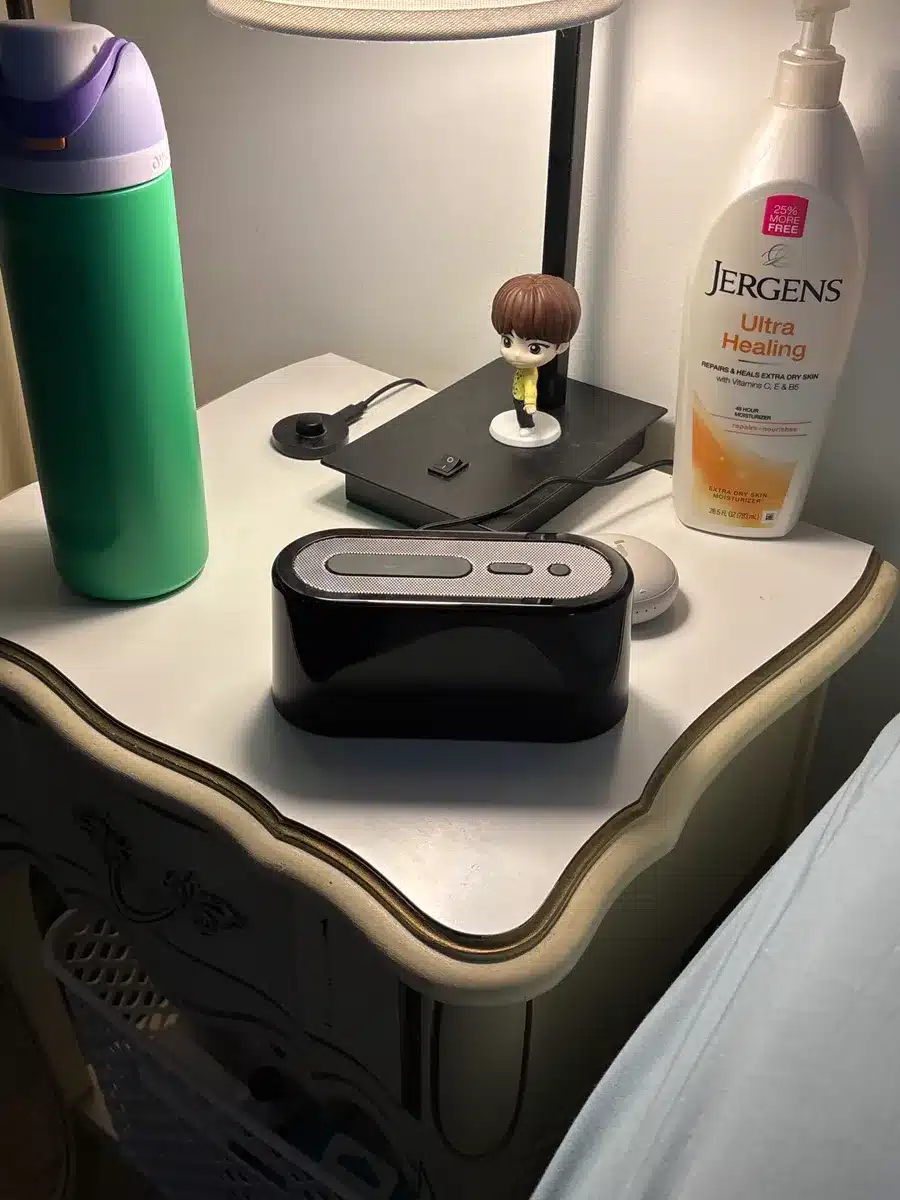
When I tested Loftie, I treated it like a strict phone ban after a certain hour. I moved my phone to another room and only used Loftie for the last hour before bed. The change in how I felt was not subtle. Without social feeds or email in arm reach, I actually listened to a short meditation or sound bath most nights. The two stage alarm felt almost polite in the morning. The biggest thing I noticed was less of that wired, wired, wired feeling at night and fewer days where I woke up already stressed.
Hatch Restore story
With Hatch Restore, I leaned hard into the sunrise wake up. During darker mornings, I set the light to ramp up over half an hour before the alarm tone. After a week, my body started waking up a few minutes before the sound, which made mornings feel less brutal. The app routines also worked well for a consistent wind down. It felt more like running a program for the night rather than just pressing play on a sound.
If you are still stuck between these two, picture your ideal night. If that image has warm soundscapes and stories with a screen free bed, Loftie fits it. If that image has gentle light brightening the room and a simple visual cue for kids about when it is time to get up, Hatch Restore is the clear answer.
How I test wake up tech at Yawnder
Even though Yawnder is mostly about mattresses, anything that stays next to your bed can help or hurt sleep. I test smart alarm clocks the same way I test beds. Real use, repeated nights and checks with different types of sleepers.
- Setup and first impression. I unbox, connect to wifi, install the app and see how confusing or simple the startup path feels.
- Night one and week one notes. I use the clock as my only bedside device for at least a week and keep the phone away from the bed.
- Alarm and wake up checks. I test different alarm tones, volumes and light routines to see how easy it is to get out of bed without feeling slammed awake.
- Sound and light quality. I pay attention to hums, harsh frequencies and light flicker in a dark room.
- App and control. I walk through all the key screens and ask how much time a normal person would reasonably want to spend in there.
- Privacy and account review. I note what data the device appears to want and what is required just to get basic use.
- Long term pattern. When I keep a device longer, I track whether I stick with the routines or drift back to the phone, and I listen to what real customers tell me in the showroom.
The goal is not to chase every possible feature. The goal is to see whether the device actually makes it easier to get to bed, fall asleep and wake up in a way that supports your day.
FAQ
Is Loftie or Hatch Restore better if I want my phone out of the bedroom
Loftie is the better choice if your main goal is to get the phone away from the bed. It is designed as a stand alone bedside device with its own sound library and clear privacy posture. Hatch Restore still leans on the app more, so you will spend more time on your phone during setup and routine building.
Which one is better for kids Loftie or Hatch Restore
Hatch Restore is a stronger pick for most families with children. The time to wake light, flexible routines and remote control through the app make it easier to manage schedules from another room. Loftie can work for teens who want meditations and calmer alarms, but Hatch feels more tailored to family use.
Do Loftie and Hatch Restore work if wifi goes out
Both devices need wifi for setup and some features, especially content updates and app control. Basic alarm functions usually continue if a connection drops after setup, but you lose app access and any cloud based content. If your connection is very unstable, expect some frustration during the first days while you get things dialed in.