YAWNDER REVIEWS · UPDATED OCTOBER 21, 2026
Mattress Price Comparison 2026: What Should You Pay?
Mattress prices can look almost meaningless when one Queen costs under $1,000 and another costs more than $5,000. This guide explains what you actually get as prices rise, where the strongest value tends to be, and when paying more makes sense. For construction, cooling and firmness differences between specific models, explore our side-by-side mattress comparisons. Shopping for pressure relief? See our side-sleeper mattress rankings.
Yawnder’s comparison engine includes 127 current scored mattress records and preserves 15 historical scored records separately. Manufacturer-spec-only models do not receive a test score. Prices change with promotions, so use the ranges below as a buying framework rather than a fixed price list. As a rough 2026 Queen-size comparison, basic foam often starts below $1,000; mainstream hybrids commonly land around $1,000–$2,500; natural latex and premium hybrids often start around $1,500–$3,500; and luxury innersprings or specialty builds can run $3,000–$5,000+.
Mattress price comparison: the quick answer
For many shoppers, the practical value zone is roughly $1,000–$2,500 for a Queen. Under $1,000 is the budget/value tier; $1,000–$1,500 is where many competitive foam and hybrid beds land; $1,500–$2,500 covers stronger materials, thicker comfort systems and more premium hybrids; $2,500–$4,000 is premium territory; and $4,000+ is usually luxury or specialty construction. Price alone does not predict comfort or durability. My advice from helping shoppers compare mattresses in person is to hold the size constant, compare the exact firmness and comfort package, and look at the delivered total after fees. A lower price can be better value, but not if the mattress creates shoulder pressure or poor support for your body. Use the Queen-size examples below as dated reference points, not a substitute for confirming the final price and return terms of a specific mattress.
Illustrative Queen-price snapshot recorded October 7, 2026 (not live quotes): Nectar Classic about $699; Helix Midnight about $1,183; Helix Midnight Luxe about $1,874; Saatva Classic about $1,900; Helix Midnight Elite about $3,059. Promotions move constantly, so these are reference points—not permanent prices. Compare 127 current scored mattresses in Yawnder’s database by Queen price, score, construction, firmness, cooling, pressure relief and more.
Put the price comparison into context
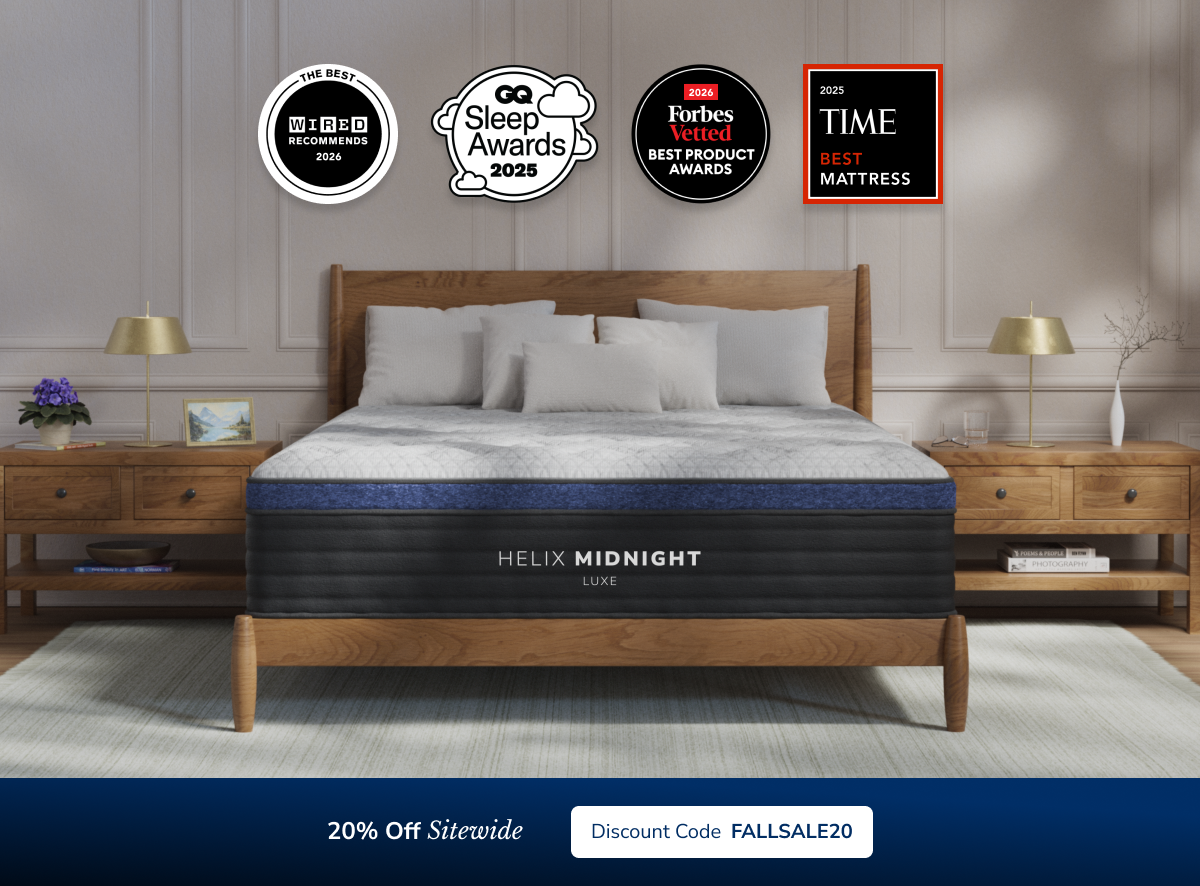
Example: Helix Midnight Luxe. This medium-feel zoned hybrid illustrates the move from entry-level foam to a thicker, more specialized comfort system. Judge a higher price against shoulder and hip pressure relief, lower-back support, motion isolation, and your actual sleep position—not foam thickness or a crossed-out MSRP alone.
Filter mattresses by Queen price and tested criteria → · Compare feel in the Encinitas showroom →
Image supplied by Helix; product features verified against its official listing October 13, 2026. Compare live pricing before purchase.Real mattress price comparison: Queen-size examples
To compare prices fairly, hold the size at Queen and compare like-for-like construction. Below are representative reference prices recorded in Yawnder's October 7, 2026 snapshot—not guaranteed checkout quotes. Promotional pricing, upgrades and sales taxes change; verify each model's current delivered total before purchase.
| Mattress | Reference price | Construction / reason to compare | Related Yawnder guide |
|---|---|---|---|
| Nectar Classic | $699 | Entry-level foam or hybrid variants; check exact construction | Budget mattresses |
| Helix Midnight | $1,183 | Value hybrid and balanced support | Helix review |
| Helix Midnight Luxe | $1,874 | Upgraded cushioning and zoned hybrid support | Luxe review |
| Saatva Classic | About $1,900 | Innerspring luxury feel and in-home setup | Saatva models |
| Helix Midnight Elite | $3,059 | Premium deep comfort construction | Elite review |
The price question to ask before upgrading
Is the higher price buying meaningful pressure relief, support, cooling or service for your body? Compare Queen with Queen, the same foundation requirements, and each retailer's trial and return costs. A sale price should never be interpreted as a performance score.
Compare the Leesa lineup → · Compare six Keetsa models → · Browse model-versus-model comparisons →
Editorial methodology: Queen reference prices above reproduce the dated snapshot already in this guide. They are illustrative rather than a live feed, and do not imply identical sleep performance or include optional upgrades. Article links lead to further Yawnder reviews, where affiliate disclosures and current shopping destinations apply.
What you can expect at each mattress price
Under $1,000: budget and entry-level
This range can work well for guest rooms, kids, college setups and value-first shoppers. Focus on proven construction and realistic expectations rather than a long feature list. Start with our best mattresses under $1,000 guide.
$1,000–$1,500: strong value
This is where many direct-to-consumer foam and hybrid models become competitive. You can often get a substantial comfort system, pocketed coils and good pressure relief without moving into premium pricing. See our best mattresses under $1,500.
$1,500–$2,000: the mainstream sweet spot
For a primary adult mattress, this range opens up many of the strongest mainstream hybrids, natural-material options and upgraded foams. Current high-scoring examples in our comparison engine include models around this range from Helix, Big Fig, Avocado and Saatva. See our best mattresses under $2,000.
$2,000–$3,000: premium construction
Expect thicker comfort systems, more specialized foams or latex, stronger cooling packages, premium covers and higher-end finishing. The extra spend can be worthwhile when it solves a specific need such as heat, pressure sensitivity or support for a higher body weight. See our best mattresses under $3,000.
$3,000–$5,000: luxury and specialty
At this level you are paying for more elaborate builds, specialty materials and premium brand positioning. Performance may improve, but price rises faster than sleep quality. Compare the actual test scores and construction before assuming the more expensive mattress is better. Our luxury mattresses under $5,000 guide narrows the field.
$5,000+: ultra-premium
Five-figure and near-five-figure mattresses can use natural fibers, hand-tufting, complex spring systems, active cooling or luxury craftsmanship. Buy here because you specifically value those materials, feel or services—not because a higher price guarantees a better fit.
What actually makes a mattress worth more?
Price matters less than whether the extra cost buys something you will notice every night. These are the upgrades we pay attention to when comparing value.
Better support and usable edge
More robust coil systems, zoning and reinforced perimeters can improve spinal alignment, ease of movement and usable sleeping surface. This matters especially for couples and heavier sleepers.
Cooling that is more than marketing
Breathable covers and open-cell foams are inexpensive to advertise. More meaningful cooling can require airflow-friendly construction, latex, microcoils or active temperature-control systems. We score cooling separately so you can compare the result rather than the buzzwords.
Higher-cost materials
Natural latex, wool, cotton, high-density foams, thicker comfort stacks and more complex coil units generally cost more to manufacture. They can improve durability or feel, but only when the construction is well matched to the sleeper.
Delivery, trial and service
Some premium mattresses include in-home delivery, setup or old-mattress removal. Trial length, return rules and warranty service also affect the real cost of ownership, so compare the total package rather than the mattress sticker price alone.
How much should you personally spend?
Spend enough to solve your biggest sleep problem first. A hot sleeper should prioritize cooling and airflow; a side sleeper should prioritize pressure relief; a heavier sleeper may get more value from stronger support and edge construction.
Do not stretch the budget simply to move up a brand’s product ladder. A $1,700 mattress that fits your body and sleep position can outperform a $4,000 mattress that does not. Think in cost per year, too: a $1,500 mattress kept for eight years works out to about $188 per year; a $3,000 mattress kept for ten years is about $300 per year. Paying more only improves value if the construction, fit or service actually earns the extra lifespan or comfort.
Couples should also price the mattress as a shared product: motion isolation, edge support and enough usable surface may justify spending more than either sleeper would spend alone.
Compare sale price, not inflated MSRP
Mattress promotions run frequently, which can make MSRP a poor comparison tool. Yawnder’s value methodology uses the real discounted Queen price available in our data rather than simply rewarding a larger advertised markdown.
Use the Mattress Comparison Engine to filter by maximum Queen price and then compare scores side by side.
Remember the costs around the mattress
Your final setup may also include a foundation or bed frame, adjustable base, protector, sheets, delivery or setup charges, sales tax and any return or exchange costs. A mattress that looks cheaper can become more expensive once the complete setup is priced.
How Yawnder measures value
Yawnder’s standardized mattress score weights support and spine alignment at 25%, pressure relief at 20%, temperature at 15%, motion transfer at 15%, edge support at 10%, durability at 10% and value at 5%. The value component is based on score-per-dollar at the real discounted Queen price—not MSRP. Missing measurements are shown as unavailable rather than estimated.
Read how Yawnder tests mattresses, then compare the current database.
Mattress price FAQ
Is $1,000 enough for a good mattress?
Yes. There are worthwhile mattresses under $1,000, especially for lighter sleepers, guest rooms, kids and shoppers who do not need premium cooling or luxury materials. Be more selective about durability and construction at the very low end.
Is $2,000 a good mattress budget?
For many shoppers, yes. A Queen budget around $2,000 reaches a large part of the mainstream premium market and gives you enough room to choose based on fit instead of simply buying the cheapest acceptable model.
Is a $5,000 mattress actually better?
It can use more expensive materials or offer a more specialized design, but price alone does not make it better for your body. Above the mainstream premium range, pay close attention to the specific feature or material you are buying.
When is the best time to buy a mattress?
Major holiday periods often bring aggressive promotions, but many online brands run discounts throughout the year. Compare the actual checkout price and avoid buying solely because a large percentage-off claim creates urgency.
Find the right mattress without overpaying
Start with your budget, then compare the things that actually affect how a mattress sleeps—not just the sale badge.
Use the comparison tool to:
✓ Set a maximum Queen price
✓ Sort by support, pressure relief, cooling, motion isolation and edge support
✓ Compare firmness, construction, trial and warranty terms
✓ Put up to three mattresses side by side before you buy
Commercial disclosure: Yawnder is a mattress retailer and publisher. We sell some products discussed on this page and may earn commissions from some outbound links. Prices and promotions can change.