
HemingWeigh Acupressure Mat Review
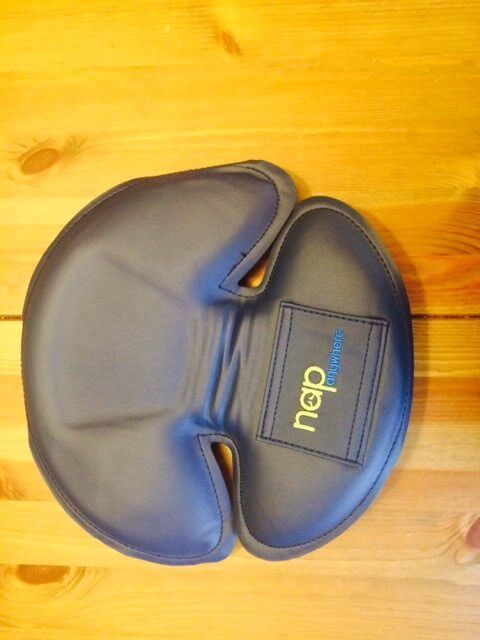
2026 legacy-testing note: The observations below describe the HemingWeigh mat used during the original 2014–2015 hands-on review. Acupressure mats may feel relaxing, but that personal experience does not establish treatment of insomnia, chronic pain or another health condition. Verify the current product and its materials before buying. Ever since Christmas 2014 I have been enjoying my Acupressure mat from HemingWeigh. This acupressure mat is made up of tiny sets of plastic spikes that don’t pierce your skin. The HemingWeigh model also comes with a head rest although I wouldn’t recommend using that right away until you acclimate to the regular mat. An acupressure mat is designed to promote circulation and relaxation. When I first used it, I lied down on it with a t-shirt on since I was afraid that the spikes would hurt too much. Most sites I have come across recommend using an Acupressure mat for about 15-25 minutes per session.
When you first lie down on the mat you feel an acute sharp poking pain. However, after about 5 minutes your body starts to release endorphins to deal with the pain. At this point you may notice a sort of warming sensation in your back. The pain will dissipate and you will start feeling relaxed. I try not to focus on anything and just let the mat do its work. After about 4 sessions I was able to graduate to using the head rest but you need to make sure its positioned properly to get the full benefit. I wouldn’t say there really all that much benefit to the head rest but it is a nice option if you don’t want your head on the floor.
I stay on my mat for 25 minutes at a time usually at night after I workout and after a shower. I find that lying on the mat help with recovery from my workouts and makes me fall asleep much faster. I’m not sure why that is but if you read through the reviews on Amazon.com you’ll find that many people get this benefit which is why I’m listing in on yawnder.com.
The HemingWeigh mat also comes with a carrying case which is nice if you are going somewhere that you know has uncomfortable sleeping conditions. For maximum benefit you may want to turn on some relaxing tunes and get some aromatherapy going along with a dim, blueblocking light. All this together would make an ideal relaxation/sleep environment.
This is my first Acupressure mat review and I may be reviewing other mats in the future but given the price and the results you get for that price, I think you’ll be hard pressed to find anything better.
I should also not that when looking at other Acupressure Mat reviews, some reviewers have mentioned that the spike pattern on the mats doesn’t differ. So there really aren’t any options for changing the pattern that I’m aware of. The HemingWeigh Acupressure mat is the highest reviewed acupressure mat on Amazon right now and one of the most affordable!
Please let me know your experience using an acupressure mat.
Frequently Asked Questions About HemingWeigh Acupressure Mat Review
Is the HemingWeigh acupressure mat worth it for relaxation and sleep?
Yes, the HemingWeigh acupressure mat is described as being very effective for promoting relaxation, aiding muscle recovery, and helping with faster sleep onset after workouts. Many users, including our reviewer, report significant benefits in these areas, making it a valuable tool for nightly routines.
Who is the HemingWeigh acupressure mat best for?
This mat is best for individuals looking to enhance relaxation, improve circulation, and potentially speed up recovery after physical activity. It's particularly noted that many Amazon reviewers find it helps with sleep, which our Yawnder tester also experienced.
What are the downsides or initial discomforts of using the HemingWeigh acupressure mat?
The primary initial downside is the acute sharp poking pain experienced when first lying on the mat. Our reviewer notes that it takes about 5 minutes for the body to release endorphins, which then dissipates the pain and leads to relaxation.
Is the headrest included with the HemingWeigh acupressure mat beneficial?
The included headrest is described as a nice option, but its benefits are not as significant as the main mat itself, especially for first-time users. Our tester recommends waiting to use the headrest until you are acclimated to the main mat and ensuring it's properly positioned for any benefit.
How long should I use the HemingWeigh acupressure mat per session?
Most sources and our reviewer suggest using an acupressure mat for approximately 15-25 minutes per session. Our Yawnder tester personally uses it for 25 minutes at a time, usually in the evening after workouts.
Where can I try the HemingWeigh acupressure mat in person, specifically in the San Diego area?
While the article reviews the HemingWeigh acupressure mat, it does not suggest that this specific product is available for in-person testing at the Yawnder showroom in Encinitas, CA. The review focuses on personal experience with ordering and using the mat at home.
Want to test this in person? Visit our Encinitas showroom or call 858-232-5760.