Massage chair comparison • Bodyfriend vs Osaki
Bodyfriend vs Osaki Massage Chairs – Features, Technology And Prices Compared
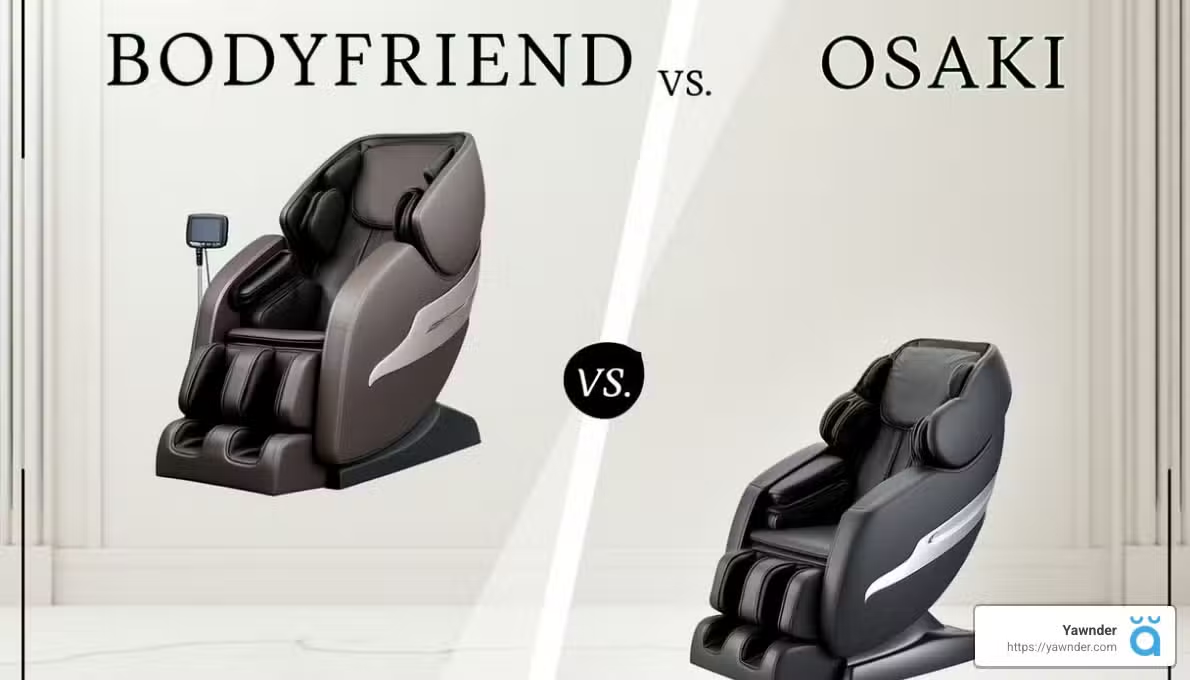
Massage chairs have gone from nice extra to serious wellness tools. Bodyfriend and Osaki sit at the front of that pack but they approach relaxation in very different ways. Bodyfriend leans into luxury design and health focused features such as hip stretch and acupressure, while Osaki pushes advanced roller systems, body scanning and a wider price range. This guide walks through how each brand works, what you actually get for your money and which one makes more sense for your home.

Short version: Bodyfriend feels like a high end spa with strong focus on stretch and circulation, while Osaki offers very adjustable roller based massage with more models and lower entry pricing. Your budget and how much you care about wellness features versus pure massage customization will decide the winner.
Bottom line
Pick Bodyfriend if you want a statement piece that feels like a wellness device first and a massage chair second, with strong focus on hip stretch, posture and circulation. Pick Osaki if you want maximum control over how the massage feels, a larger selection of models and more approachable prices. Both can help with stress and muscle tension, but they serve slightly different buyers.
Shop Osaki massage chairsBrand strengths at a glance
These scores are directional and based on each brand’s core technologies, public specs and how they position themselves, not a head to head lab test of every model.
Bodyfriend massage chairs – innovation and luxury
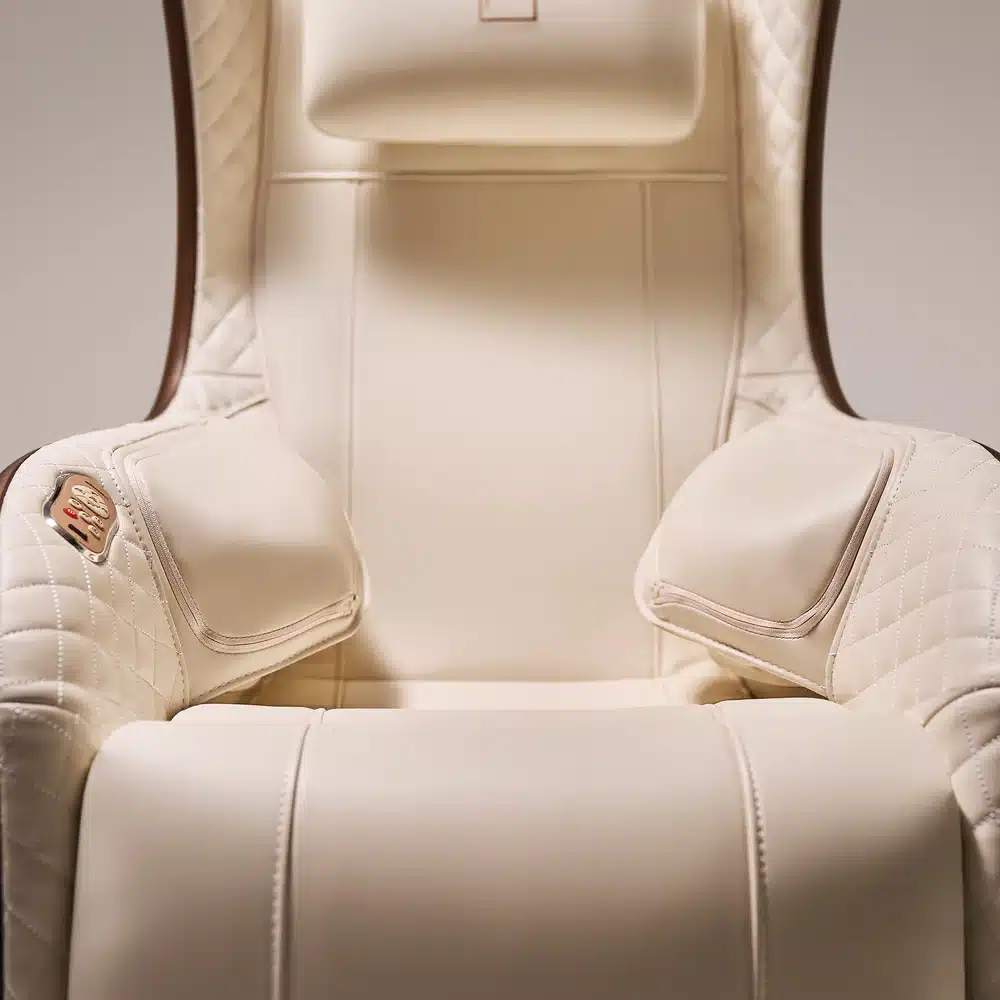
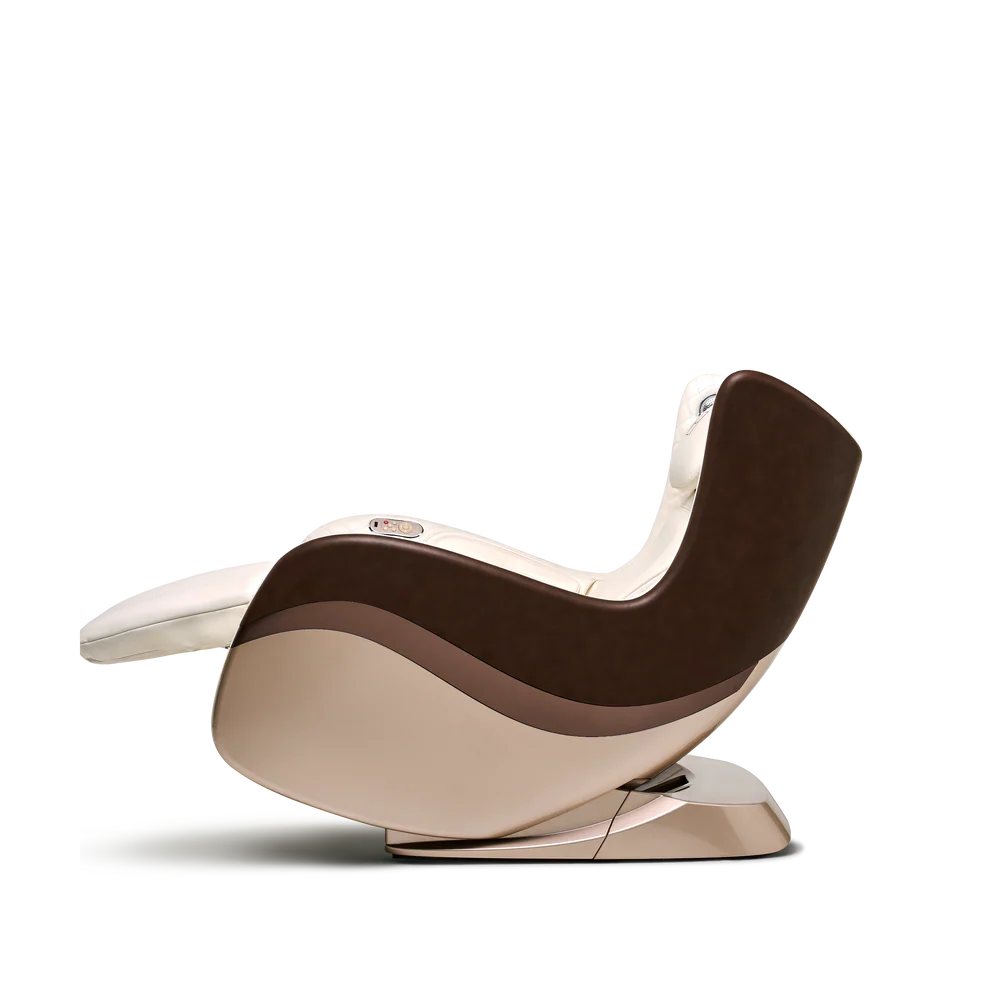
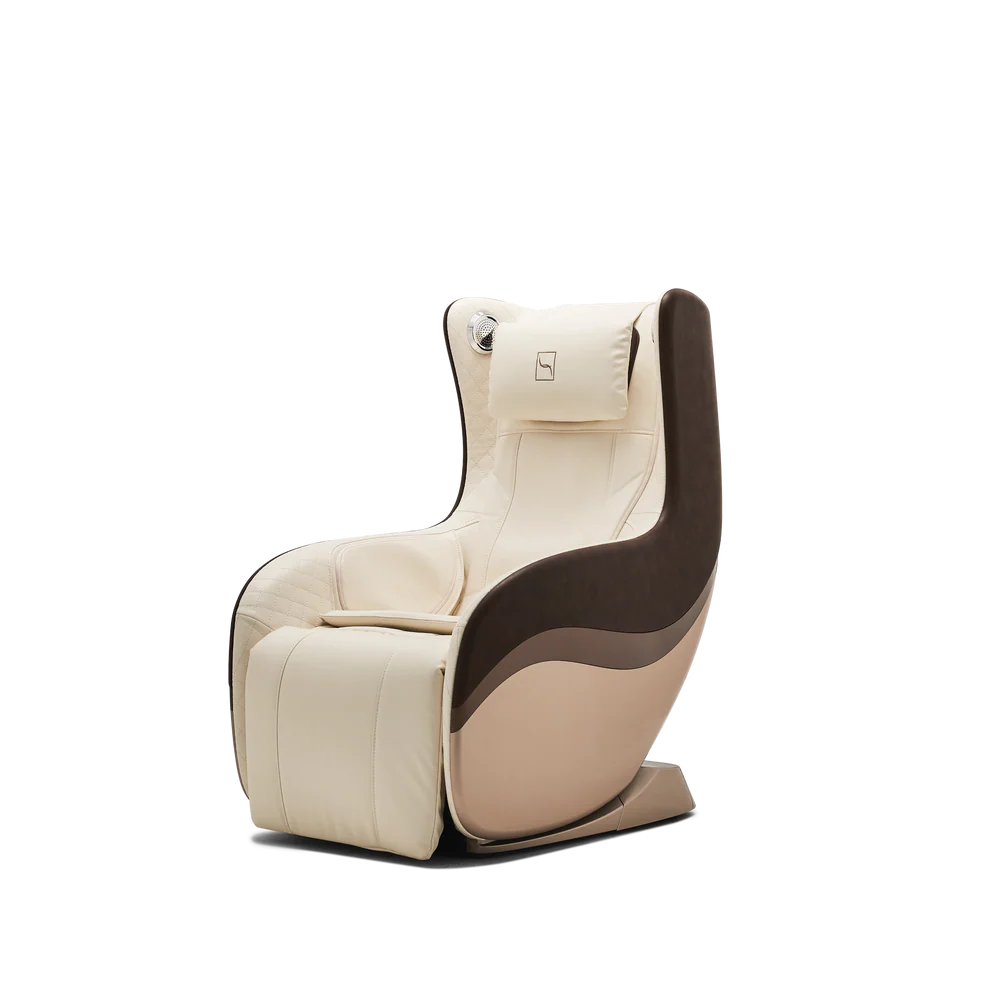
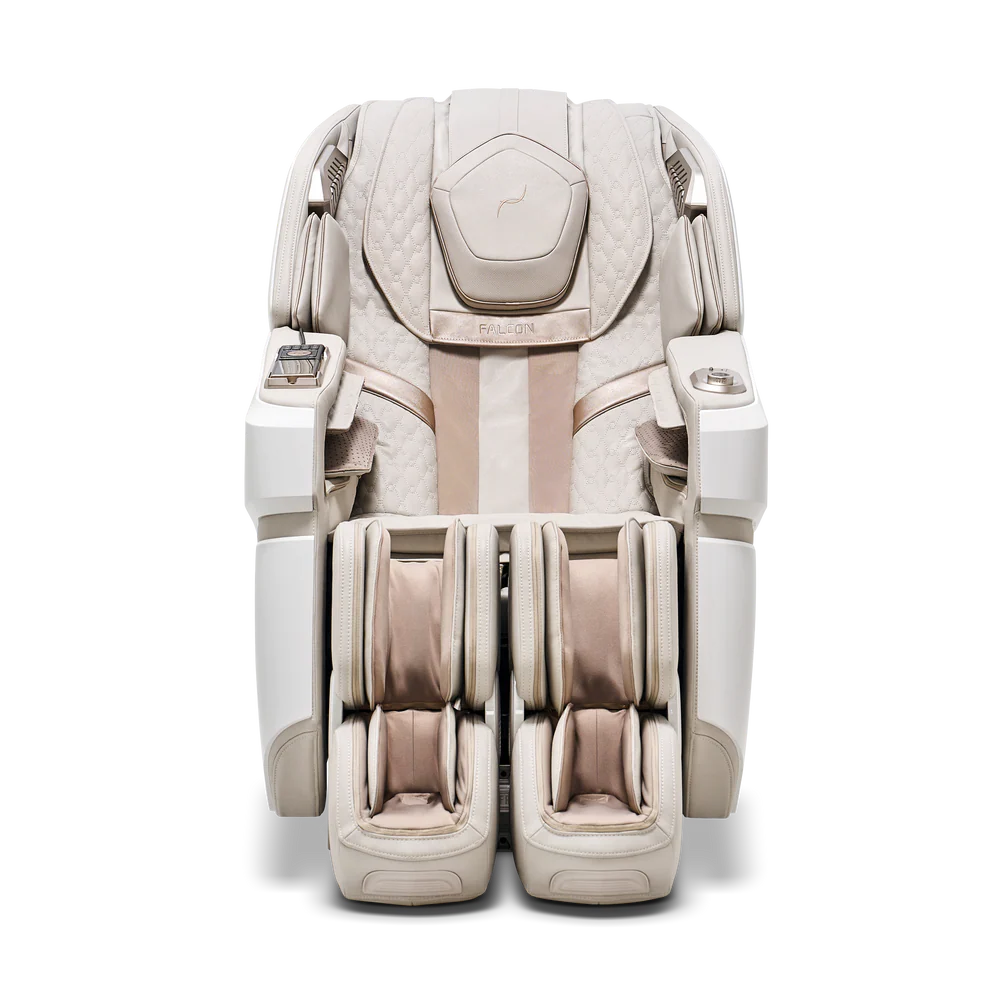
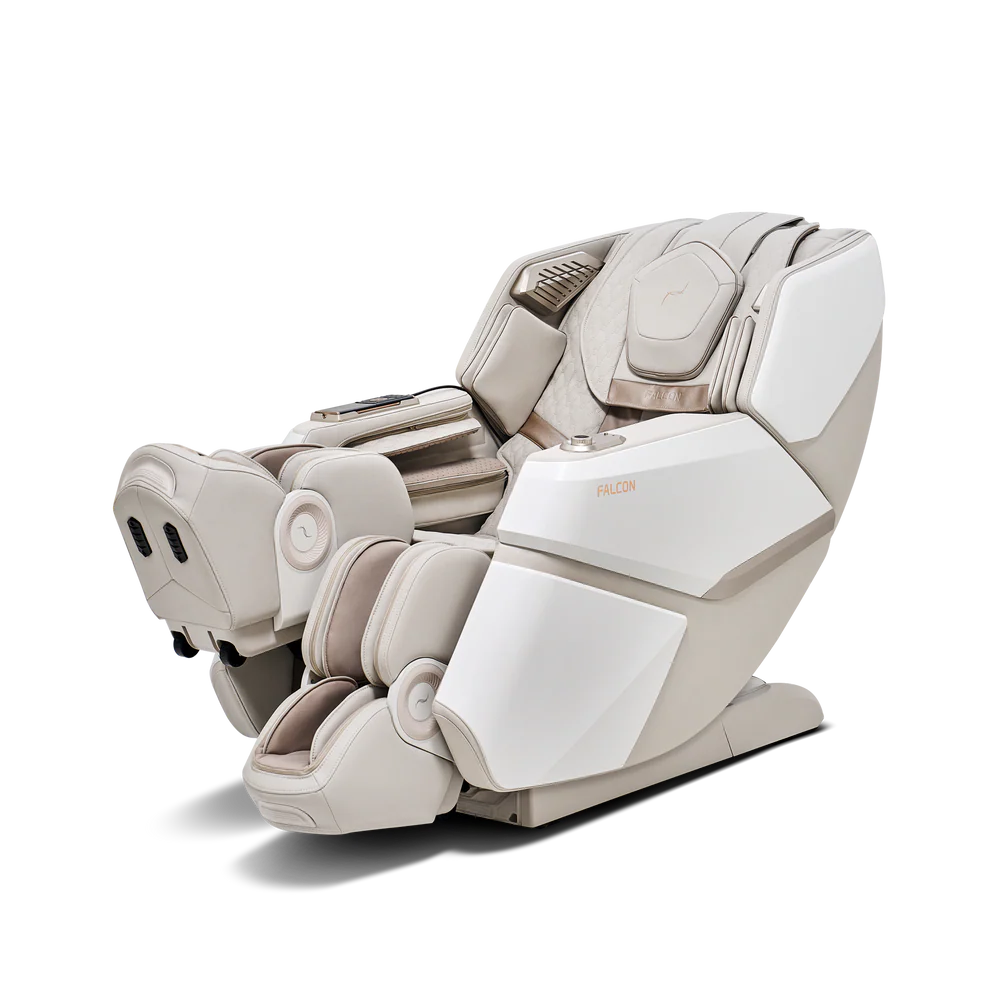
Bodyfriend built its name on the idea that a massage chair can be both a wellness device and a luxury object. Models are designed to look like something from a high end spa or car showroom, with curved shells, rich upholstery and touch friendly controls. Underneath that styling you get technology that aims at real health outcomes, not just relaxation.
One of the standout technologies is the ROVO system. This combines hip stretch movements with targeted acupressure so you feel both decompression and deep pressure on tight areas. The goal is to mimic what a real therapist does when they stretch your hips and apply palm or elbow pressure along muscle lines.
Key Bodyfriend features
- ROVO technology that replicates natural human motions for a more flowing massage experience
- Hip stretch programs that focus on lower back and pelvic tension from long hours of sitting
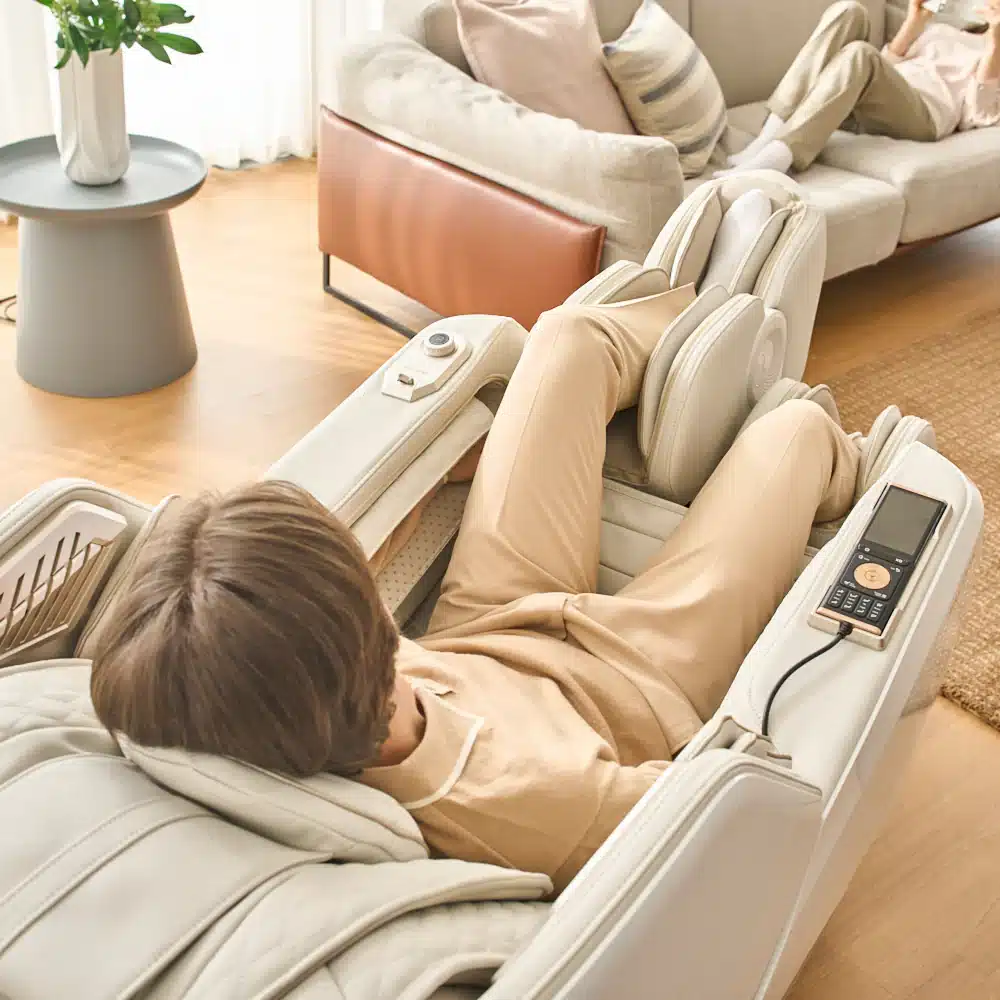
- Acupressure pads and air cells that squeeze and release to improve circulation and relieve tired muscles
- Controls that are designed to be intuitive so you can start a session or adjust intensity without learning a complex menu
Bodyfriend even markets some chairs with medical positioning in mind in certain countries, emphasizing posture, circulation and stress metrics as much as general comfort.
Osaki massage chairs – tailored comfort with advanced control
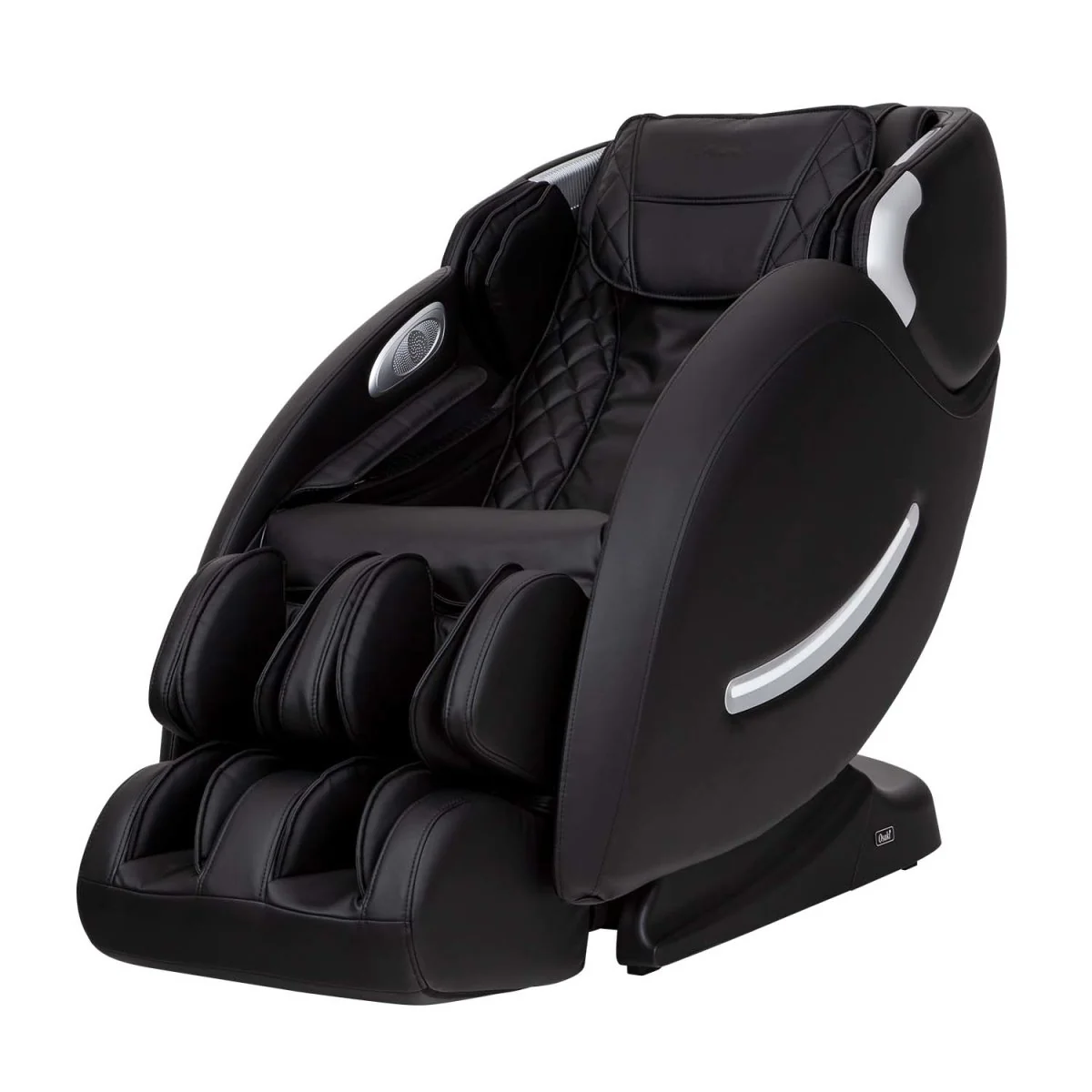
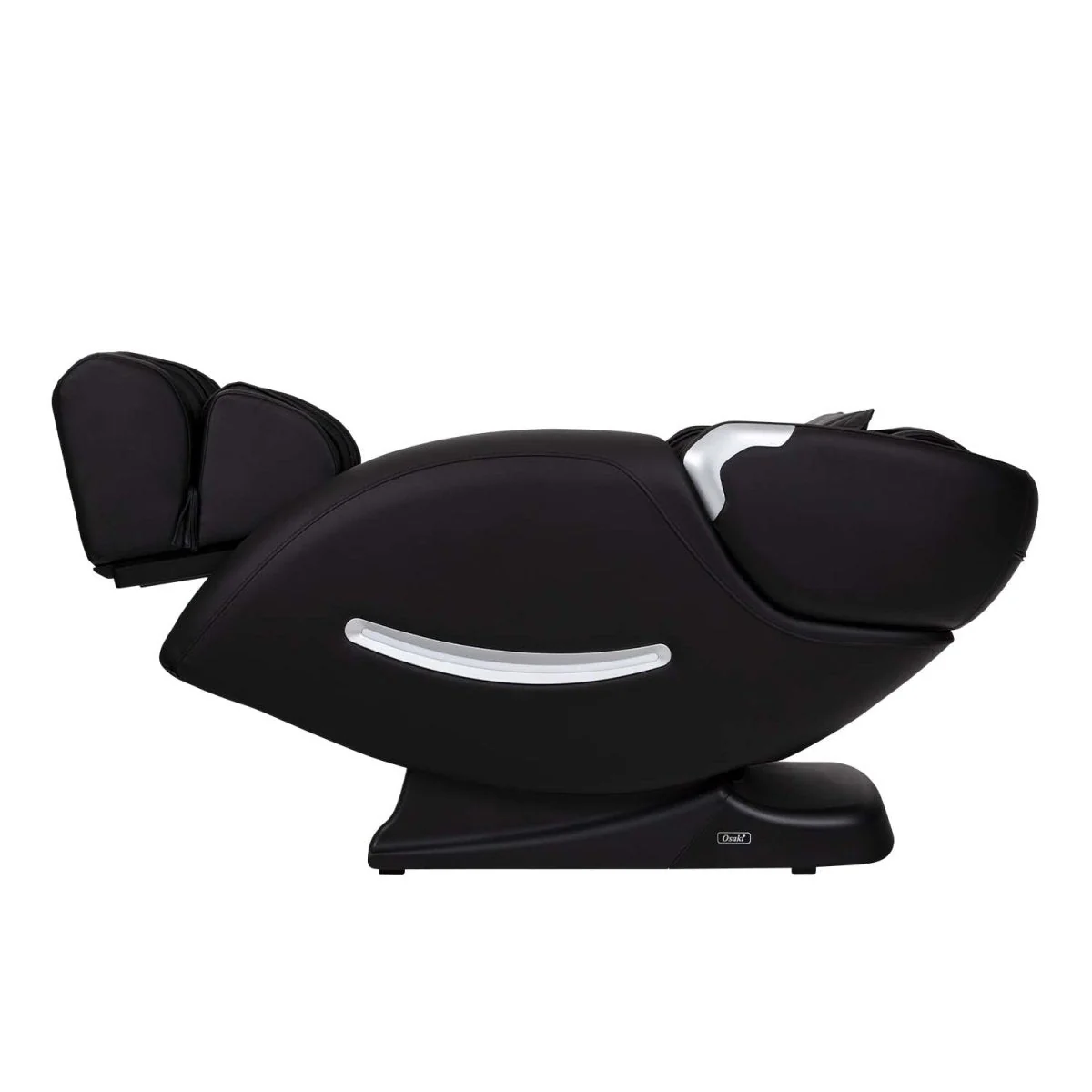
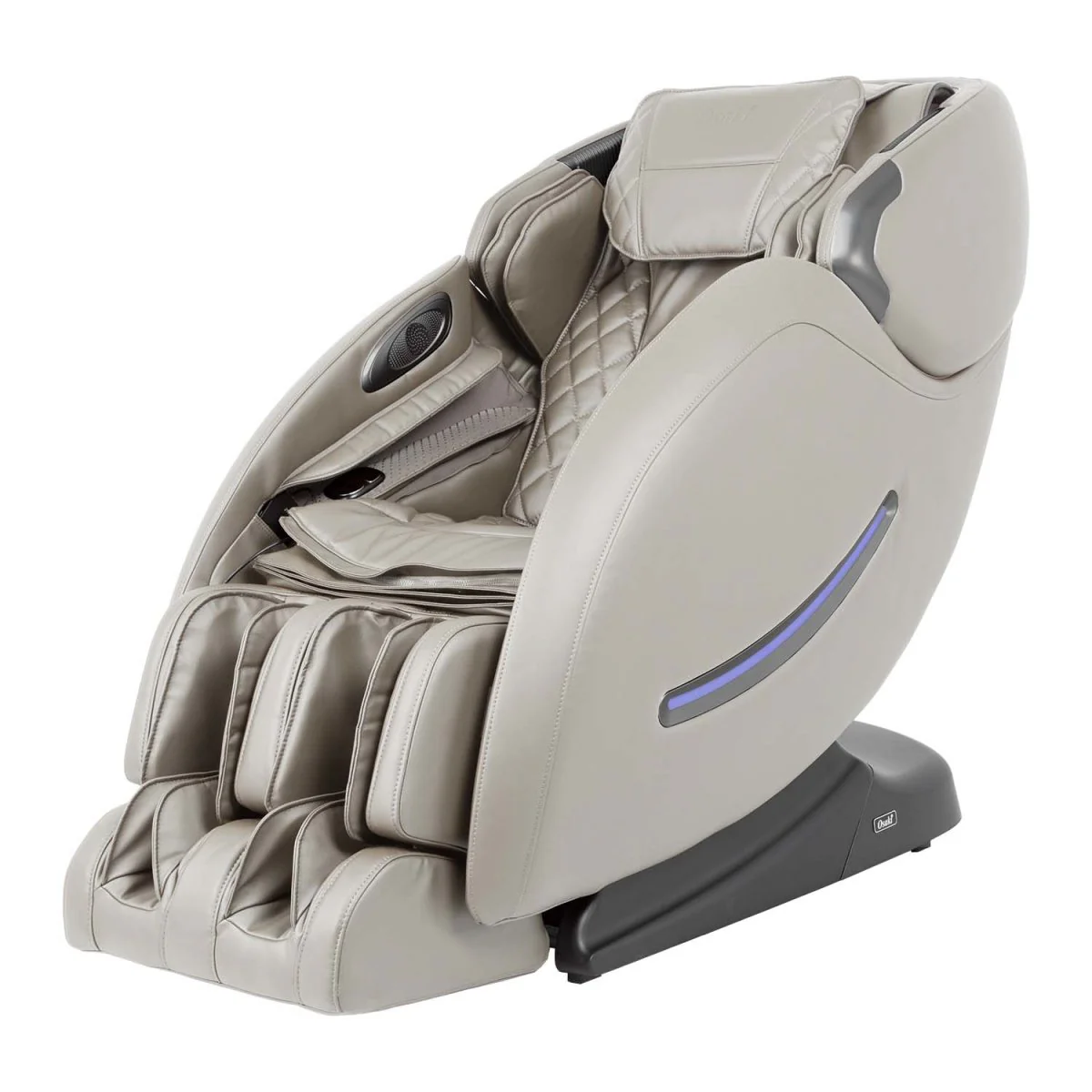
Osaki focuses much more on giving you control over how the massage feels. The signature feature here is the 4D roller system. That means the roller heads can move up and down, side to side, in and out and you can adjust speed and intensity so the massage feels closer to a real set of hands.
Osaki pairs that with body scanning. Before each session the chair maps your shoulders and back so the rollers hit the right spots. Many models add zero gravity recline to shift weight off the spine and infrared heating to relax muscles.
Key Osaki features
- 4D roller technology that changes depth, speed and pattern for a more lifelike massage
- Body scanning that adapts the program to your height and back shape
- Zero gravity positions that reduce spinal load and encourage deeper relaxation
- Infrared heat zones that warm up tight muscles in the back and sometimes calves or feet
Because Osaki offers many more models at different price levels, you can often find a chair with a similar feature set to Bodyfriend at a lower price, or step up further if you want even more advanced rollers and programs.
Massage technology – Bodyfriend vs Osaki
Both brands aim to recreate a human massage but they take different paths. Bodyfriend leans into whole body concepts such as stretch, acupressure and circulation. Osaki leans into roller control and mechanical nuance.
Massage mechanisms
- Bodyfriend uses ROVO motion, air cells and pads to work on hips, back and legs in coordinated routines. It feels like a guided stretch session combined with pressure point work.
- Osaki uses 4D rollers along an L track or S track route plus air massage in the arms and legs. You choose programs that change speed, depth and pattern to match what your body needs that day.
Customization
- Bodyfriend gives you user friendly presets and some adjustments for intensity and focus area. It feels tuned for people who want to sit down, tap a program and zone out.
- Osaki lets you dig deeper into settings on many models. You can often adjust roller depth, speed, focus area, air pressure and even the style of massage such as knead, tap or shiatsu.
Support tech
- Bodyfriend tends to emphasize health tracking and medical concepts in its marketing
- Osaki tends to emphasize realistic massage and comfort through scanning, zero gravity and heat
Price and value – Bodyfriend vs Osaki
Prices move with promotions and new releases, but each brand sits in a different general range. Think of Bodyfriend as a premium choice and Osaki as a wider ladder from mid range to high end.
Typical price bands
- Bodyfriend chairs often start around five thousand dollars and go up into the five figure range for flagship models that include more advanced wellness features, luxury materials and higher end design.
- Osaki starts closer to two thousand dollars for simpler chairs and runs up to around ten thousand dollars for full featured 4D models with all the extras.
How to think about value
- Bodyfriend is like buying a luxury car with a strong wellness story. You pay more but you get a design that stands out and programs tuned around stretch, posture and circulation.
- Osaki is like buying a car from a brand with many trim levels. You can prioritize price, rollers, stretch, heat or design and choose the model that fits best without always paying the top number.
For many buyers, the sweet spot is an Osaki chair in the mid range that still has 4D rollers, scanning and heat. Bodyfriend makes more sense if you want massage plus a specific health narrative and a very high end look.
See today’s best Osaki dealsWhich brand is right for you
Use this quick filter to decide where to focus first.
Choose Bodyfriend if you
- Want a massage chair that looks and feels like a luxury spa device
- Care a lot about hip stretch, posture and circulation focused programs
- Prefer simple controls and preset routines curated by the brand
- Are comfortable paying premium prices to get health focused tech and design in one package
Choose Osaki if you
- Want deep control over roller feel with 4D adjustments and body scanning
- Prefer a wider range of models at different price points
- Care more about realistic massage techniques than health tracking themes
- Want zero gravity recline and heat for a floating, cozy experience without always paying luxury pricing
If possible, try to test at least one chair from each brand in a showroom. Even a short session will tell you quickly whether you prefer Bodyfriend’s stretch and acupressure style or Osaki’s adjustable roller feel.
Bodyfriend vs Osaki feature and price chart
Here is a simple comparison of the core differences you will feel day to day.
| Category | Bodyfriend | Osaki |
|---|---|---|
| Brand focus | Luxury wellness, stretch and acupressure, spa inspired design | Massage customization, advanced rollers and broad price range |
| Signature tech | ROVO hip stretch and acupressure, health oriented programs | 4D roller systems, body scanning, zero gravity and heat |
| Typical price range | Around five thousand dollars to above fifteen thousand dollars depending on model | Around two thousand dollars to around ten thousand dollars depending on model |
| Best for | Users who want a high end spa feel and wellness narrative in one statement chair | Users who want strong massage performance, choice and better access at lower prices |
| Massage style | Whole body stretch with focused acupressure and air massage | Roller heavy programs that mimic many massage styles with fine grain control |
| Ease of use | Very simple presets and controls, great if you do not want to tweak | More settings and menus on many models, better if you like to dial things in |
FAQ
Are Bodyfriend massage chairs worth the higher price?
They can be if you value design and health focused features as much as pure massage. With Bodyfriend you are paying for a very polished look, curated programs built around stretch and circulation and proprietary technology such as ROVO. If your main goal is to get any full body massage for the lowest spend, a mid range Osaki will usually be the better value. If you want a chair that feels like a spa centerpiece, Bodyfriend starts to make more sense.
Is Osaki a good brand compared to Bodyfriend?
Osaki is widely known in the massage chair world and has a strong reputation for offering many models at different price points. The 4D roller systems, body scanning and zero gravity positions on their better chairs make them competitive on massage quality. If you care more about performance and adjustability than brand image, Osaki sits right at the top of the value list.
Which chair is better for back pain, Bodyfriend or Osaki?
Both can help with back tension but in different ways. Bodyfriend leans on stretch and acupressure which can feel great if your lower back and hips are locked up from sitting. Osaki lets you focus rollers into specific zones and adjust depth, which can be better if you have particular hot spots between the shoulder blades or along the lumbar curve. For chronic pain it is smart to talk to your doctor or physical therapist about which approach fits your condition before you buy.
Do both brands offer zero gravity recline?
Many Osaki models include a zero gravity style recline that shifts weight off your spine. Some Bodyfriend chairs have similar reclined positions but the exact implementation depends on the model. If zero gravity is a must have feature, check individual specs rather than assuming every chair from either brand includes it.