

Cooling sheet review with real PCM tech
Eli & Elm Whitney Collection Sheets Review
Eli & Elm launched in 2019 with a promise to actually improve bedding, not just print a higher thread count on the label. The Whitney Collection is their flagship cooling sheet set built with phase change material (PCM) plus a cotton and lyocell blend. It is aimed squarely at hot sleepers who are tired of waking up sweaty and chasing cold spots all night.
I have lived with these sheets, washed them, and pushed them through what I would call “chronic hot sleeper testing.” This review looks at how they really feel, how cool they stay, how they fit, and whether the premium price makes sense.
Whitney Collection after washing and on the bed. Cooling is the star feature, but the fabric and fit behave like a quality cotton set.
Bottom line
The Whitney Collection does what Eli & Elm says it does. It feels like substantial cotton after washing, but it keeps that “freshly cool” sensation going for most of the night. If you overheat in bed and have the budget, this set is one of the few that changes the nightly experience instead of just looking nice on a product page.
Shop Eli & Elm Whitney CollectionIf you purchase through this link, Yawnder may earn a commission at no extra cost to you.
Test scores
Scores are based on my usage, wash testing, and comparisons against other premium and “cooling” sheet sets I have tested in the same price zone.
Unboxing and first impressions
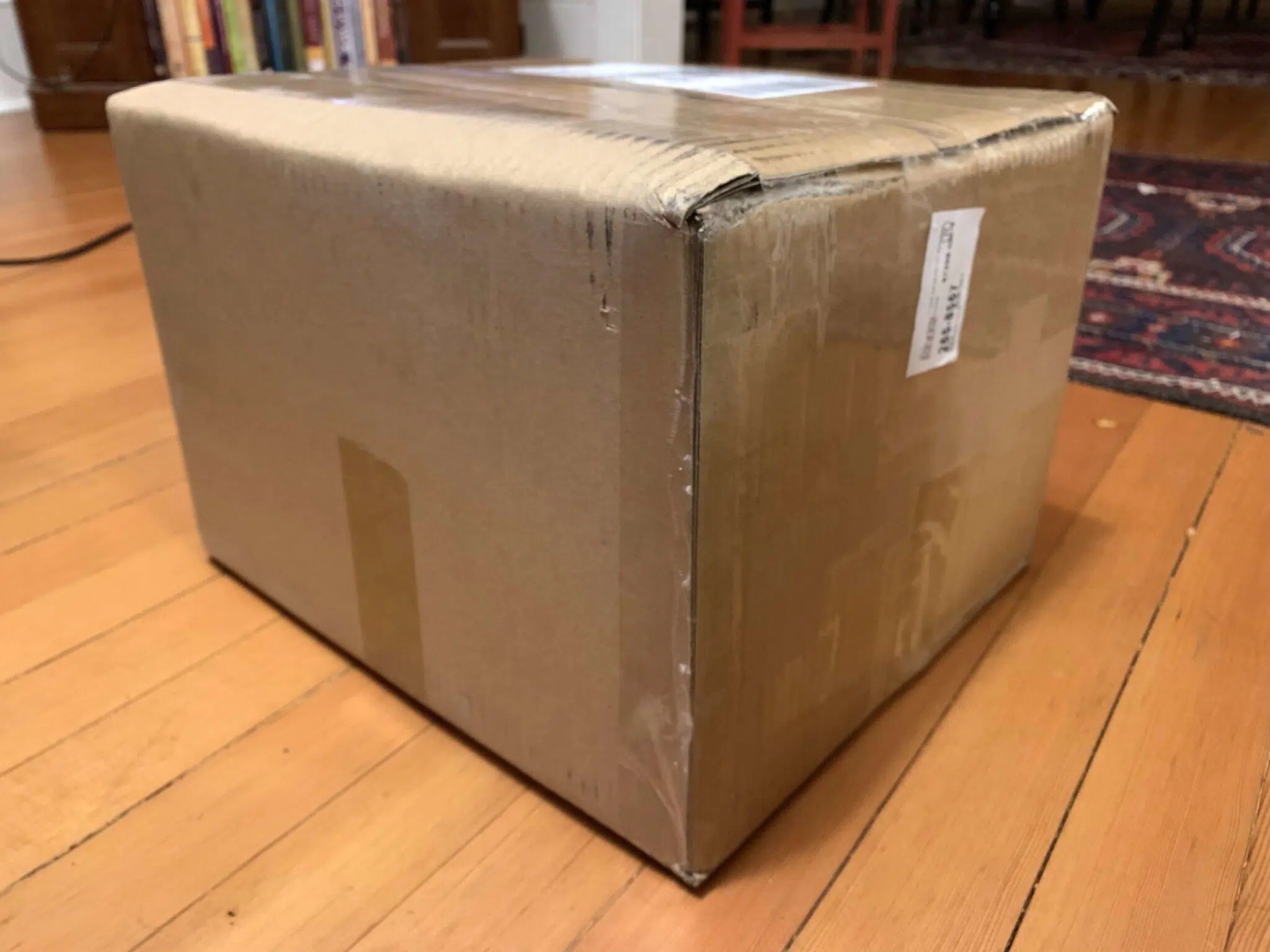
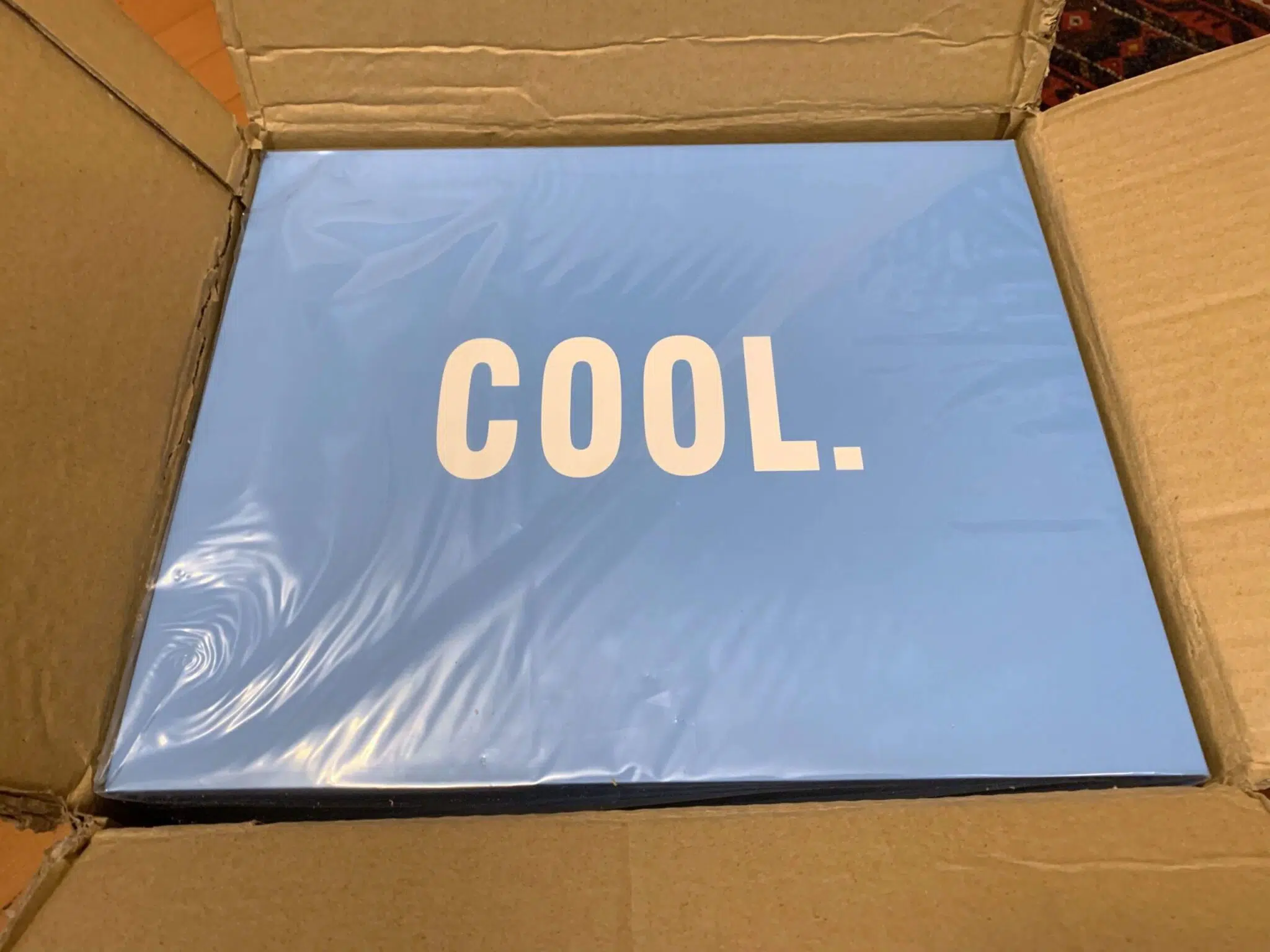
The outer box is heavily taped and surprisingly heavy for a sheet set. Inside, a cyan box with “COOL.” printed on top sets the theme before you touch the fabric.
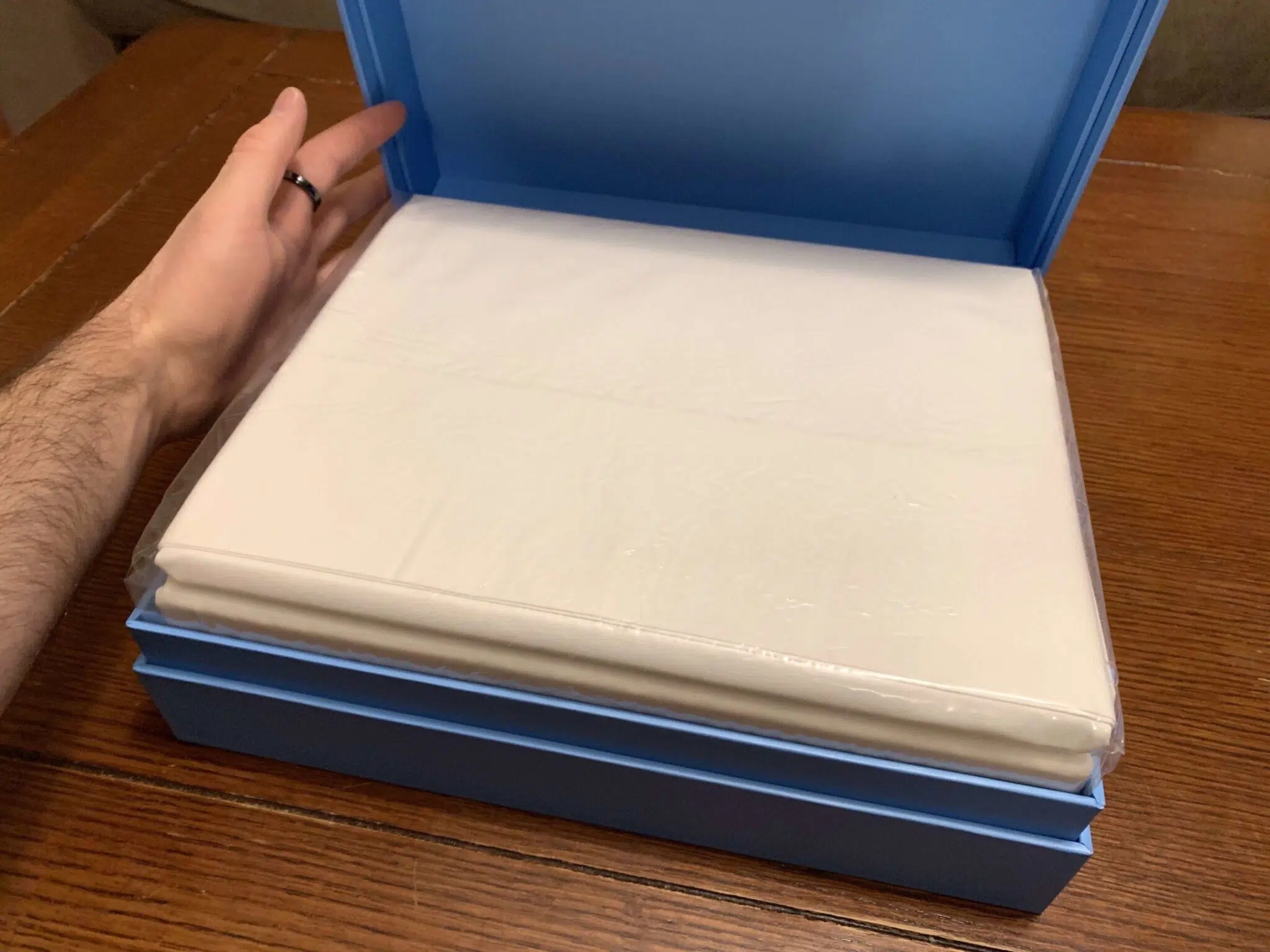
The clamshell style inner box does not stay open on its own, so getting the plastic wrapped sheets out is more hands on than most bedding unboxings.
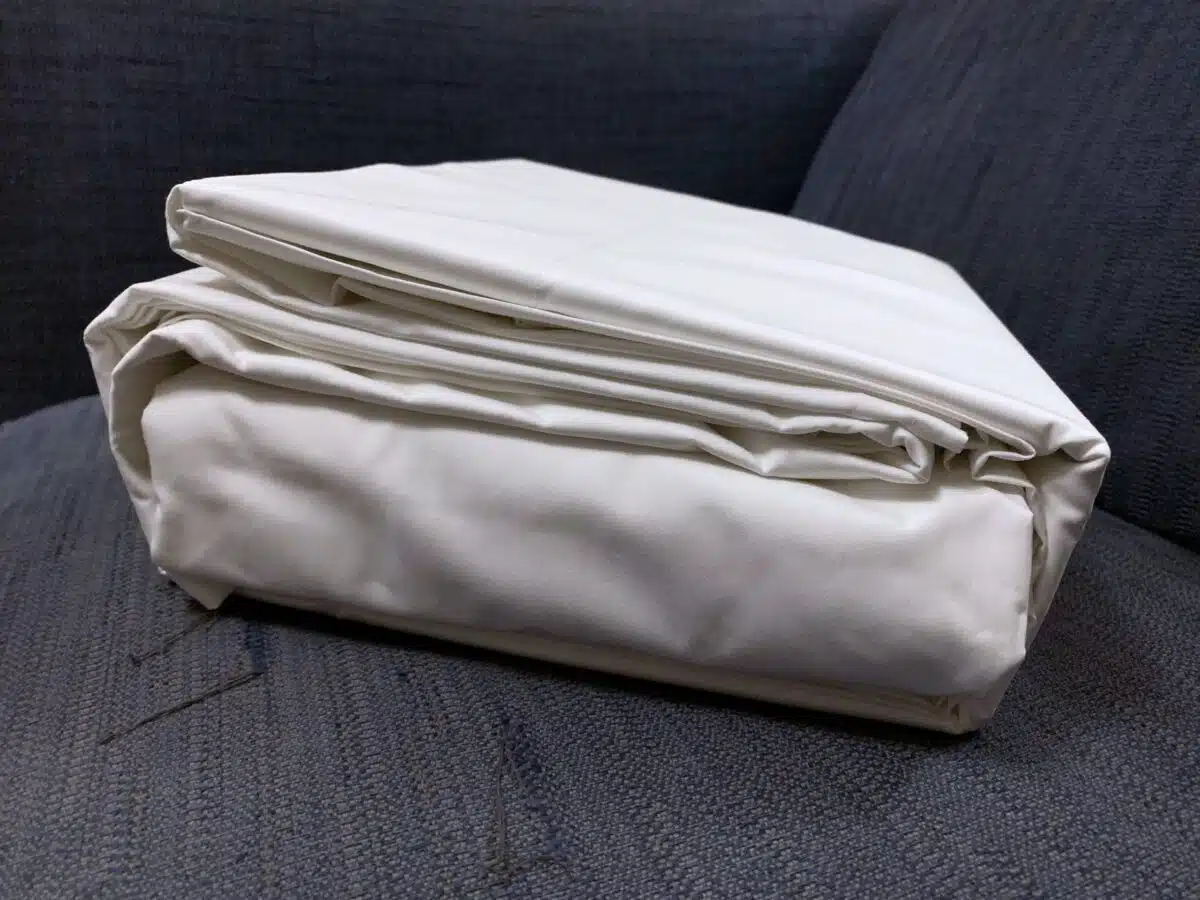
Before washing, the fabric feels dense and a little technical, almost like a thinner, smoother version of thermal curtain material.
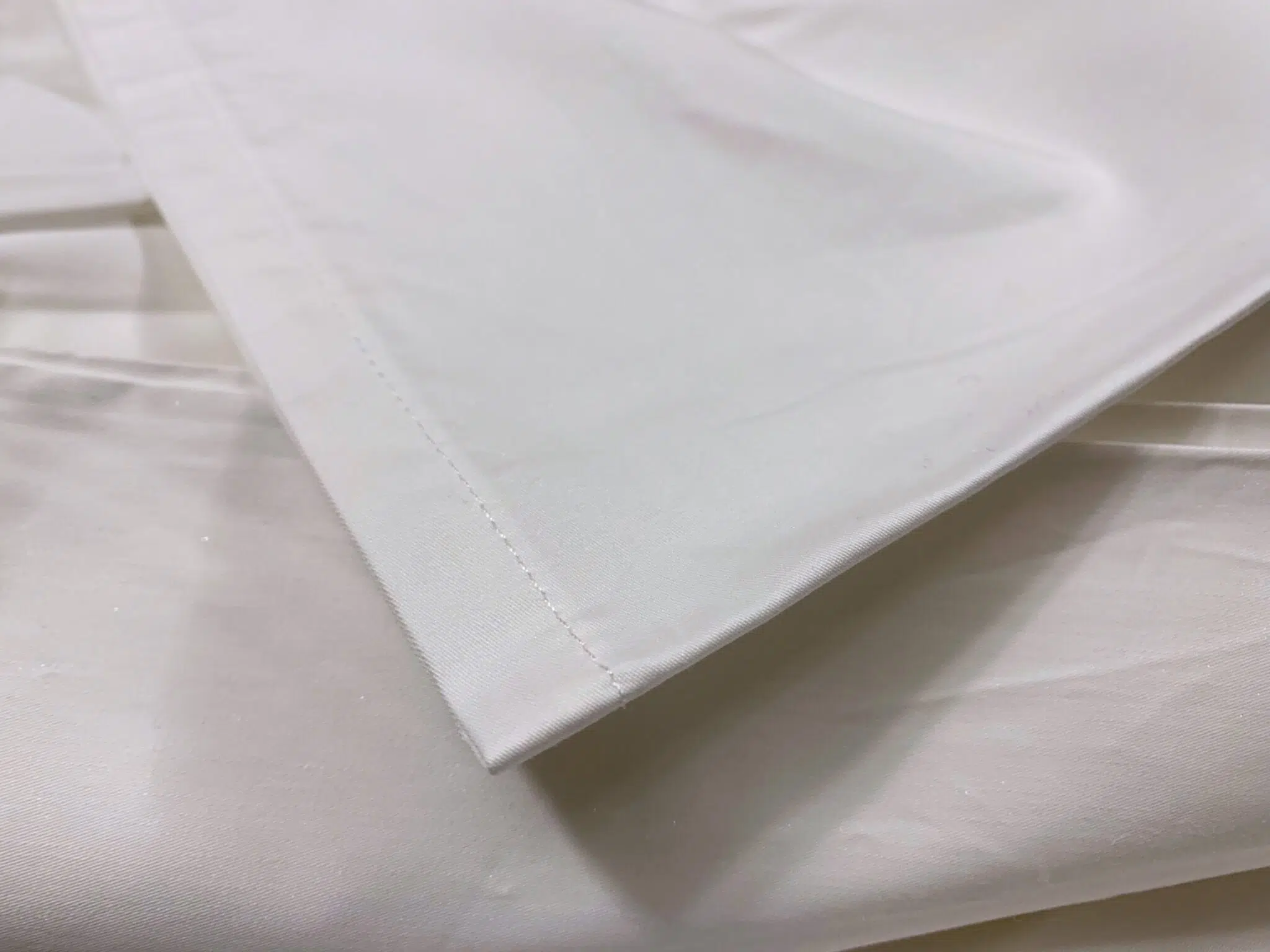
Stitching and seam work match the premium positioning. No loose threads or sloppy finishing in my set.
Materials and construction
Fabric blend
The Whitney Collection uses a composite fabric that combines cotton, lyocell, and phase change material microcapsules. The working formula is about seventy percent cotton, twenty percent lyocell, and ten percent paraffin based PCM.
The cotton is a long staple variety, which generally resists pilling and wear better than short staple options. Lyocell adds smoothness, breathability, and moisture management. The PCM is embedded to moderate temperature instead of just sitting on the surface as a temporary treatment.
How phase change materials work in bedding
Phase change materials absorb and release heat as they switch between solid and liquid states at a targeted temperature range. When your body warms the sheet, the PCM soaks up some of that heat during the transition, delaying how quickly the surface heats up. As your skin cools, the heat is gradually released back out.
In practice, this behaves like thousands of tiny rechargeable cold packs built directly into the fabric structure.
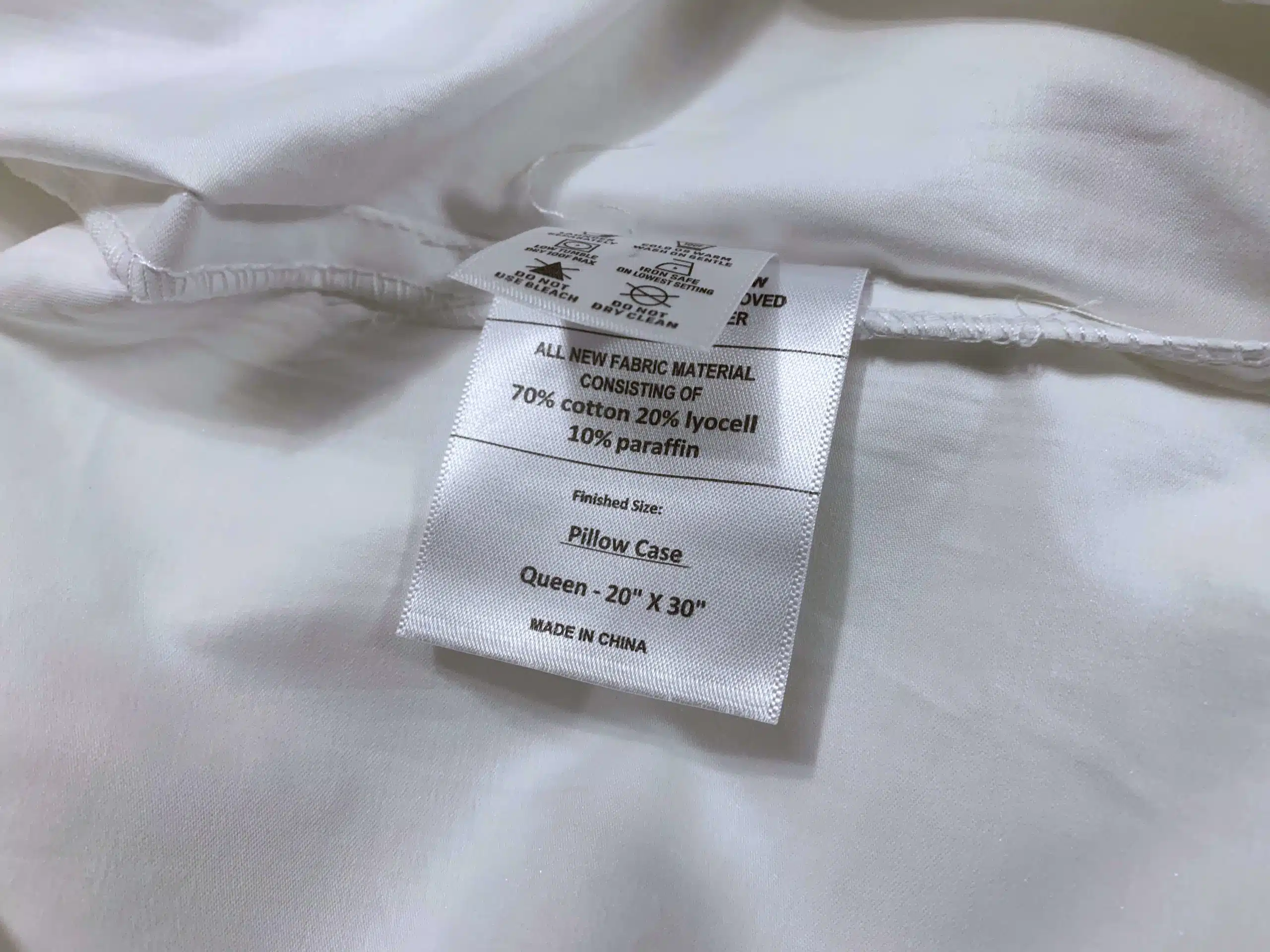
Up close, the fabric looks like a tight, modern cotton weave. The cooling tech is inside the fibers, not sitting on top as a coating.
Lyocell and sustainability
Lyocell is made from dissolved wood pulp that is reformed into fiber. It is designed to be more environmentally responsible than many traditional rayon processes, using a closed loop system and avoiding harsh solvents.
For sleepers, lyocell contributes a smooth hand feel, better moisture handling, and a bit of drape. Combined with long staple cotton and PCM, it gives the Whitney sheets a mix of performance and comfort that stands out from simpler cotton blends.
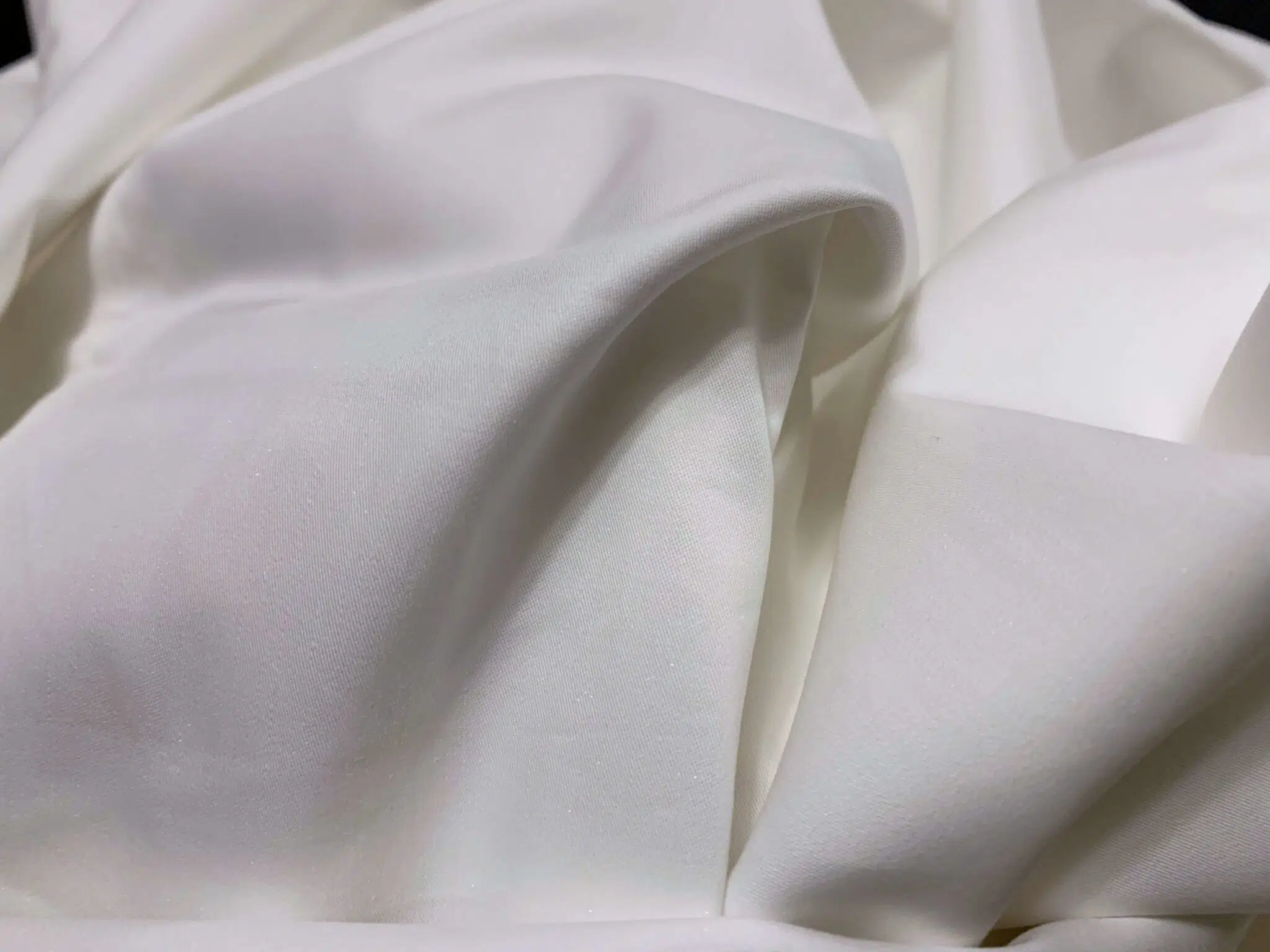
Label and seam work back up Eli & Elm’s pitch as a brand focused on long term, premium quality instead of throwaway bedding.
Cooling and temperature regulation
Cooling is the whole reason this set exists, so that is where I paid the most attention. After a cold wash and low heat tumble dry, the sheets came out not only dry but slightly cool to the touch. That is not marketing copy, that is how they actually felt when I took them out of the dryer.
On the bed, the main difference shows up over time. Instead of the familiar pattern where sheets feel cool for the first few minutes and then gradually turn into a warm envelope, the Whitney set keeps that “just cool enough” sensation going. As a habitual hot sleeper, my usual routine is moving my feet around searching for colder spots. On these sheets, I stopped doing that.
The lab explanation is simple thermodynamics, but in daily use it feels like someone finally figured out how to extend that “cool side of the pillow” feeling across the entire bed.
Feel and fabric texture
Right out of the packaging, the Whitney fabric has a slightly stiff and engineered feel, more like a premium technical textile than a broken in cotton sheet. That changes after you follow the care instructions.
With a cold wash and low tumble dry, the fibers relax and the hand feel shifts toward a familiar cotton experience. It is not ultra slick like some sateens and not fuzzy or flannel like. I would put it in the category of a crisp, medium smooth percale with a bit of weight and substance.
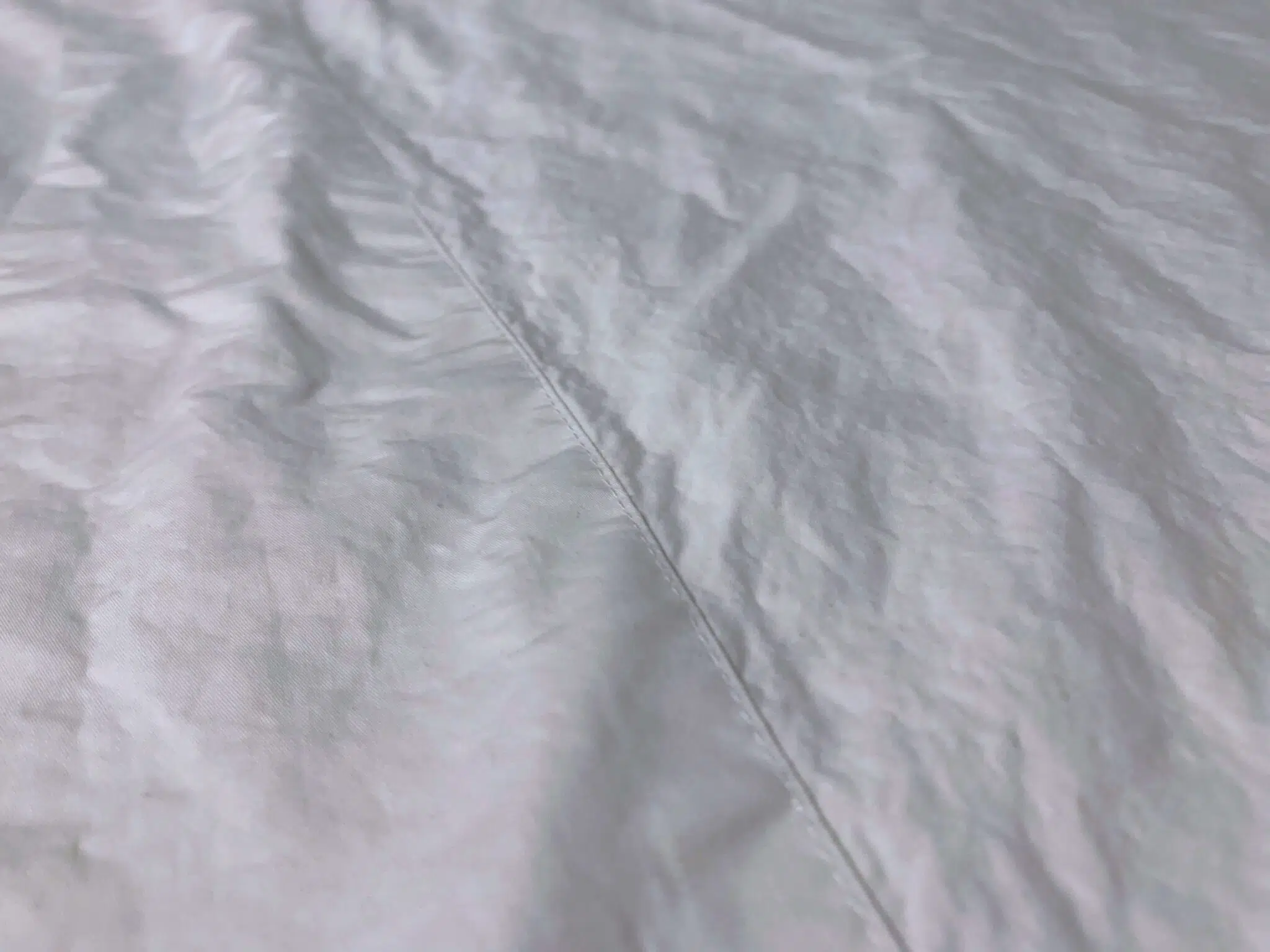
Once washed and on the bed, the sheets lose the “thermal curtain” stiffness and settle into a substantial, modern cotton feel.
If you love crisp sheets with some body, these will feel at home. If you only like ultra slippery, almost satin like bedding, the Whitney texture may feel a bit more structured than you prefer.
Fit, pockets, and care
Fit and pocket depth
The fitted sheet in the Whitney set has enough depth and elastic to stay anchored on standard and moderately tall mattresses. On my test mattress, it locked onto the corners without popping off or creeping up, even after some rolling and tossing.
If you are running a very tall hybrid mattress with an additional topper, measure total height and compare to the stated pocket depth, but for most normal setups, fit should not be an issue.
Care and maintenance
Eli & Elm recommends cold wash and low heat tumble dry. Following those directions, I did not see noticeable shrinkage in the sheets, pillowcases, or fitted sheet. The matte factory finish relaxed into a more typical cotton look after the first trip through the laundry.
Wrinkling is present but not extreme. If you pull them out of the dryer and put them straight on the bed, they look neat enough without ironing.
My hands-on experience with the Whitney Collection
The first surprise was the weight of the package. For a sheet set, the box felt heavy, and a good chunk of that was tape. It took some effort to cut through everything and get to the cyan inner box with “COOL.” stamped on it in bold letters.
Opening the clamshell style box felt a bit like unpacking a premium gadget. The sheets came out of their plastic wrap feeling unusually dense and slightly technical, almost like a fabric you would expect in performance outerwear rather than on your bed.
After washing, the texture story changed. The stiffness softened, the surface felt more like a high quality cotton set, and the whole package started to make sense. The real test, of course, was overnight use.
As someone who runs hot, my feet are usually prospectors in search of the elusive cold patch of sheet. On the Whitney sheets, I stopped doing that. I did not have to flip the sheet, rotate to a new zone, or throw limbs out of the covers to cool myself down. The temperature stayed in that narrow sweet spot that lets you stay asleep instead of fighting your bedding.
The only real hesitation is price. This is not a casual impulse buy. But if temperature control is the one thing that keeps wrecking your sleep, the Whitney sheets feel more like a practical tool than a luxury indulgence.
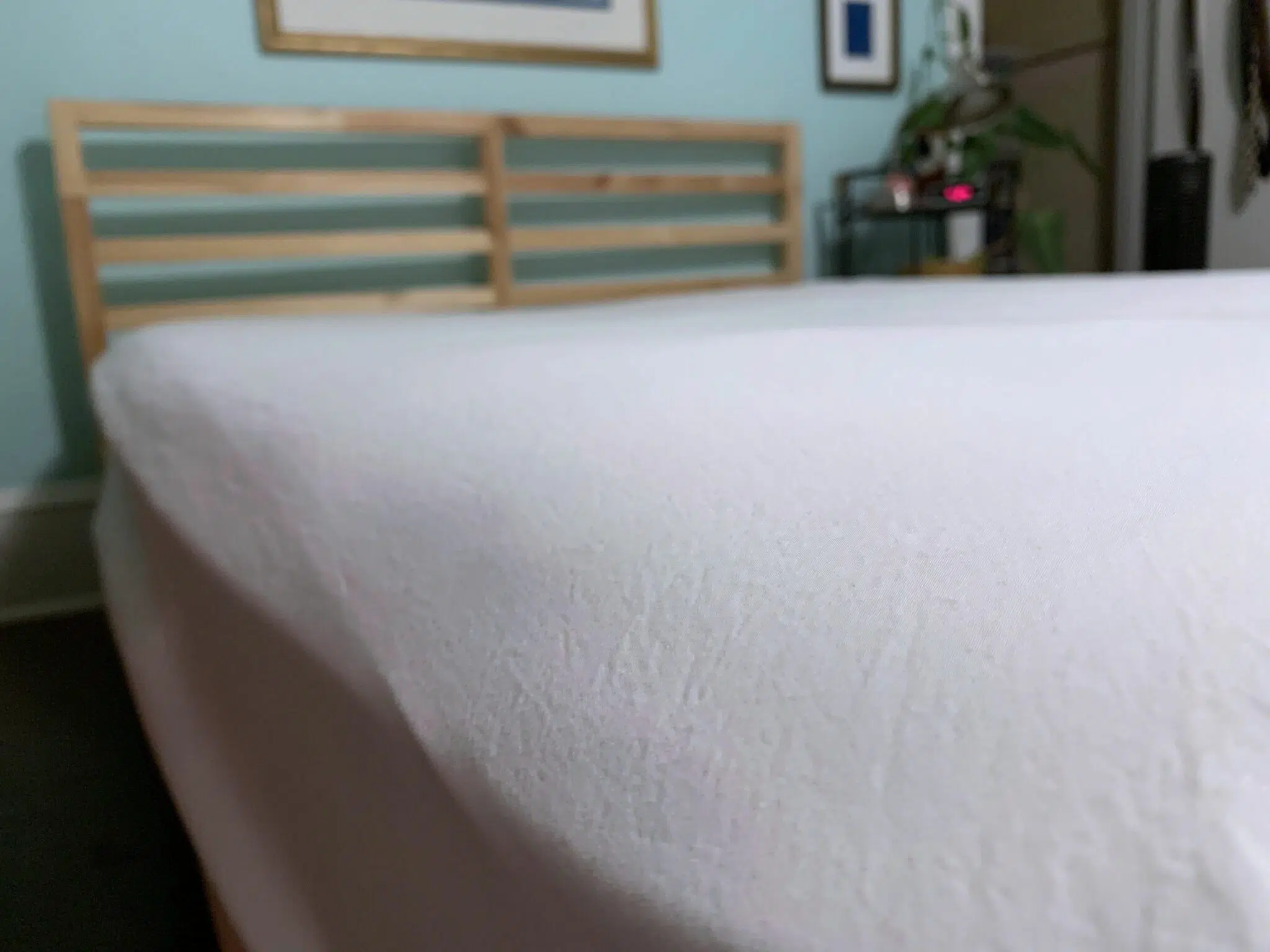
After several nights, the pattern stayed the same: less hunting for cold spots and fewer wake ups due to overheating.
Pros and cons
What I liked
- Cooling effect is real and noticeable, especially for hot sleepers
- Fabric feels substantial and built for long term use after washing
- Blend of long staple cotton, lyocell, and embedded PCM is genuinely innovative
- Secure fitted sheet with no corner creep in normal use
- Understated, modern look that does not scream “tech product” on the bed
Things to be aware of
- Price is high versus many good cotton sets without PCM
- Out of the box feel is more technical and stiff until washed
- Texture leans crisp rather than silky, which will not match every preference
- Cooling benefit is most valuable if you truly sleep warm
Who the Eli & Elm Whitney Collection is best for
Good fit for
- Hot sleepers who wake up sweaty or kick off covers during the night
- People who like crisp, cool sheets with some structure and weight
- Shoppers willing to pay more for cooling tech that actually changes the sleep experience
- Couples where at least one person consistently overheats under normal cotton sheets
Possible mismatch for
- Budget focused shoppers who want to stay in a mid or low price tier for sheets
- People who prefer ultra silky, drapey, satin like bedding
- Cold sleepers who already pile on blankets and rarely feel too warm
Price and value
The Whitney Collection carries a premium price tag. Compared with conventional long staple cotton sets or even many bamboo and lyocell blends, it sits clearly in the upper tier. That means you are paying for both the materials and the embedded cooling tech.
If you rarely overheat, the extra cost may not make sense. But if temperature swings wreck your sleep, sheets suddenly become part of the solution, not just a style decision. In that context, the cost is easier to justify, especially when you think about how often you use them.
Pricing and promotions move around, so always double check the current cost and any trial or return options before you buy.
See current Whitney Collection pricingHow the Whitney Collection compares to other sheets
| Type | Cooling | Feel | Typical price tier |
|---|---|---|---|
| Eli & Elm Whitney (PCM) | Excellent for hot sleepers; extended cool feel | Crisp, substantial, modern percale-like | Premium |
| Standard cotton percale | Good initial breathability, warms over time | Crisp, light, familiar hotel sheet feel | Low to mid |
| Cotton sateen | Average; can feel warmer due to tighter weave | Smoother, more lustrous surface | Low to premium |
| Bamboo / viscose blends | Good moisture wicking, can feel cool at first | Silky, drapey, very soft | Mid to premium |
| Polyester “cooling” microfiber | Often traps heat despite marketing | Very soft but can feel clingy | Low |
If you want the coolest feel without going to active cooling gadgets, Whitney sits near the top of the passive cooling sheet options. The real decision is whether the gain in temperature control is worth the extra spend for you.
How I tested these sheets
- Washed and dried according to care instructions before first use
- Used on a standard hybrid mattress for multiple nights
- Paid attention to temperature changes during the night and how often I needed to move for cooling
- Checked fit, corner grip, and sheet movement after several nights
- Inspected seams, stitching, and pilling after washing and use
- Compared notes against other premium and “cooling” sheet sets tested over time
This is not a lab test with sensors and climate chambers, but it is the kind of use that matters when you are deciding whether to spend real money on new bedding.
FAQ
Do the Eli & Elm Whitney sheets really stay cooler than regular cotton?
In my experience, yes. Compared with normal cotton sets, the Whitney sheets reduce heat buildup and keep that “just cool enough” sensation going for much longer, especially noticeable for hot sleepers.
Do the Whitney sheets feel like normal cotton after washing?
After the first wash and dry, the initial technical stiffness relaxes and the set feels much closer to a substantial cotton percale. They are not silky or slippery, but they are comfortable and familiar once broken in.
Will these sheets help if I am a cold sleeper?
If you already sleep cold and pile on blankets, the Whitney cooling effect may not be what you need. They are designed to moderate heat for people who run warm, so cold sleepers often do better with cozier, less cooling oriented fabrics.
Are the Eli & Elm Whitney sheets worth the price?
They are worth serious consideration if overheating is your number one complaint in bed. For neutral or cold sleepers, the price may be harder to justify versus good cotton or bamboo sets. For genuine hot sleepers, the nightly comfort upgrade can make the cost feel more like a long term investment.
Final verdict
Eli & Elm’s Whitney Collection does something most sheet sets only talk about: it actively helps manage heat instead of just relying on breathability. Between the long staple cotton, lyocell, and embedded PCM, you get a fabric that feels familiar on the skin but behaves differently when the room warms up or your body kicks out extra heat.
If you are a hot sleeper, these sheets can feel like finally solving a problem you have just been living with for years. If you are neutral or cold at night, the advanced cooling may be overkill and your money might be better spent elsewhere in your sleep setup.
The only real downside is the price. But if you look at sheets as part of your core sleep gear rather than an afterthought, and you have room in the budget, the Whitney Collection earns a place on the shortlist.
Shop Eli & Elm Whitney CollectionAlways check current pricing, promotions, and trial terms on the Eli & Elm product page before you commit.