Quick verdict
Home Reserve Couch: The Best Affordable Comfort Choice
We focus on the ownership details that matter most: comfort and fit, construction, upholstery and cleaning, configuration flexibility, delivery and setup, and overall value.
- people who want a flexible, reconfigurable setup
- pet owners
- you are shopping primarily on a tight budget
- you want zero-assembly white-glove furniture
Yawnder Reviews · Updated October 2026
Home Reserve Couch: The Best Affordable Comfort Choice
Discover the perfect blend of comfort and style with the Home Reserve Couch—your ultimate lounging paradise that effortlessly transforms from cozy movie nights to gathering with friends. Dive into our review and find out why this budget-friendly, eco-conscious sofa is the must-have centerpiece for your home!
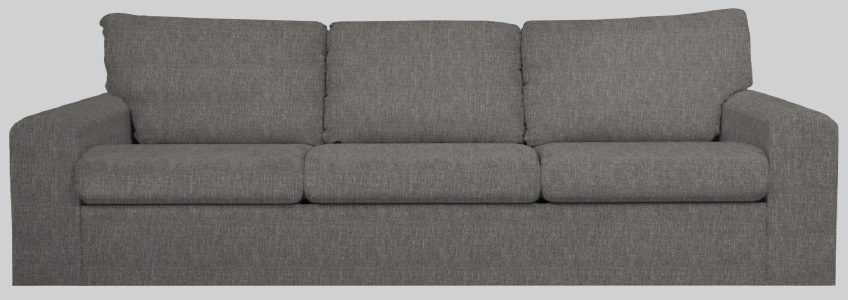
Frequently Asked Questions About Home Reserve Couch: The Best Affordable Comfort Choice
Is the Home Reserve Couch worth it for someone looking for an affordable, comfortable option?
Yes, the Home Reserve Couch is an excellent choice for those seeking an affordable yet comfortable and versatile furniture piece. It offers exceptional comfort and support at a budget-friendly price point, with customization options to fit various stylistic needs.
Who is the Home Reserve Couch best for?
The Home Reserve Couch is best for individuals or families who desire a durable, comfortable, and customizable couch that supports sustainable practices. It comfortably accommodates average American families and is also spacious enough for couples or singles seeking a lounging solution.
What are the main downsides of the Home Reserve Couch?
The main downsides of the Home Reserve Couch can include the potential to develop creaks with extended use and early signs of fraying. While generally durable, these specific issues have been noted.
How does the Home Reserve Couch compare in terms of sustainability?
The Home Reserve Couch stands out for its commitment to sustainability, using responsibly sourced wood and often incorporating recycled foam and fibers. This approach helps reduce pressure on older forests and utilizes post-consumer plastic bottles, aligning with environmentally responsible manufacturing.
Is the Home Reserve Couch good for taller individuals?
Yes, the Home Reserve Couch can be comfortable for taller individuals due to its generous seat width and clearance. With a seat width of 21 inches and ample clearance of 18 inches, even taller individuals can relax comfortably.
Where can I try the Home Reserve Couch in person?
While the article primarily discusses online shopping and detailed reviews for the Home Reserve Couch, potential buyers in the San Diego area can visit the Yawnder showroom in Encinitas, CA, for assistance with furniture choices, although specific Home Reserve models may vary.
More sofa research: Browse our Sofa Brand Reviews & Comparisons and Sofa Reviews & Buying Guides.
Pros & cons
- Flexible modular or reconfigurable design
- Construction emphasizes durability
- Multiple customization options
- Comfort is a major focus of the design
- Price can be high depending on configuration
- Assembly or setup may take time
How we evaluate sofas
Final buying check
Measure the room and the entire delivery path, confirm the current configuration dimensions, request fabric swatches when available, and read the current delivery, return and warranty terms before ordering. Sofa comfort is personal, so we avoid pretending a single firmness or comfort score fits everyone.